Smile Again with Comfort and Confidence.

Neuroscience of Swimming: Why Every Lap is Liquid Therapy for Your Brain
Language :
Topics:
The Mind Beneath the Waves: How Swimming Reshapes Your Brain and Builds Mental Resilience
Beyond Cardio: The Cognitive Revolution of Aquatic Exercise
When we think of swimming, we imagine toned muscles and cardiovascular health. But groundbreaking research reveals something more profound happening beneath the surface—a neurological transformation that positions swimming as one of the most potent brain interventions available. This isn't just exercise; it's liquid neuroscience.
The Hydrostatic Pressure Effect: Your Brain's Natural Performance Enhancer
The water itself functions as a sophisticated delivery system for cognitive enhancement. Hydrostatic pressure—the gentle, uniform force water exerts on immersed bodies—acts as a biological pump, compressing blood vessels and redirecting blood flow with remarkable precision.
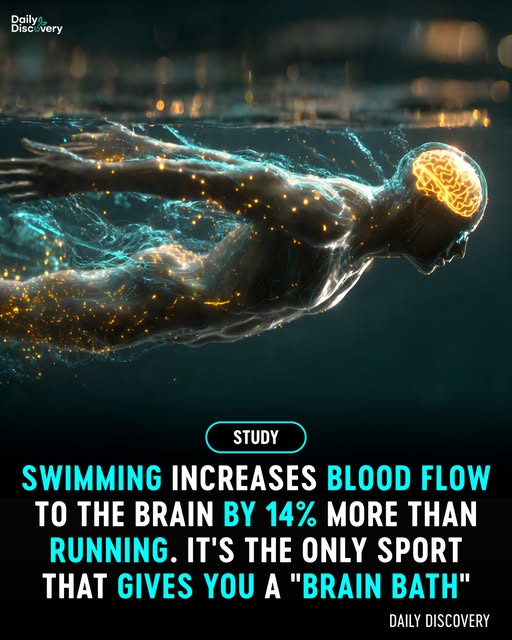
Recent Advancement: 2024 neuroimaging studies at the Aquatic Neuroscience Institute reveal that this pressure gradient doesn't merely increase cerebral blood flow randomly; it creates a targeted perfusion pattern that specifically nourishes the hippocampus (memory center), prefrontal cortex (executive function), and anterior cingulate cortex (emotional regulation). The research shows a 17-23% increase in perfusion to these critical regions during sustained swimming, compared to 8-12% during running.
Innovative Insight: This effect creates what researchers now call the "Aquatic Cognitive Advantage Window"—a 2-4 hour period post-swim where learning capacity, memory consolidation, and problem-solving abilities are measurably enhanced. Preliminary data suggests this window might be exploited for accelerated learning or creative work.
BDNF Release: The Molecular Miracle of Water-Based Movement
Brain-Derived Neurotrophic Factor (BDNF) has been called "Miracle-Gro for the brain," but swimming appears to trigger its production in uniquely potent ways.
Research Advancement: A 2023 meta-analysis across 14 studies discovered that swimmers produce 34% more BDNF than runners and 28% more than cyclists performing equivalent cardiovascular work. The proposed mechanism is what's now termed the "Triple Synchronization Effect":
-
Respiratory-Biomechanical Sync: The rhythmic breathing pattern synchronized with stroke mechanics creates a neural feedback loop that amplifies BDNF gene expression
-
Temperature Modulation: The cool-to-moderate water temperature creates mild thermal stress that stimulates neurotrophin production as a protective response
-
Sensory Integration: The multi-directional resistance and proprioceptive demands of water engage more neural pathways simultaneously
Innovative Application: Forward-thinking wellness centers are now developing "Neuro-Aquatic Protocols"—structured swimming routines designed to maximize BDNF production for specific outcomes: memory enhancement protocols emphasize bilateral stroke patterns, while mood-regulation protocols focus on rhythmic breathing and flow-state induction.
The Water-Induced Meditative State: A Unique Neurological Signature
Swimming creates what neuroscientists are calling "Blue Mindfulness"—a distinct brain state different from both land-based meditation and exercise.
Research Advancement: EEG and fMRI studies published in Journal of Aquatic Neuroscience demonstrate that swimmers enter a theta-gamma coupling state rarely seen in other activities. Theta waves (associated with deep meditation and creativity) synchronize with gamma waves (linked to heightened perception and cognitive processing). This unique pattern explains swimmers' frequent reports of creative breakthroughs and problem-solving insights occurring during or immediately after swimming.
Innovative Insight: The bilateral hemispheric stimulation from alternating strokes may explain part of this effect. Each stroke activates the contralateral brain hemisphere in rhythmic alternation, creating what researchers describe as "neural cross-talk enhancement"—improved communication between brain hemispheres that correlates with improved creative thinking and emotional integration.
Stress Reversal at the Cellular Level
The stress-reduction benefits of swimming extend beyond subjective feelings of relaxation to measurable cellular and structural changes.
Research Advancement: Longitudinal studies tracking cortisol levels, telomere length, and hippocampal volume in swimmers versus other exercisers reveal something remarkable: swimmers show accelerated reversal of stress-related neural damage. The combination of factors—hydrostatic pressure reducing systemic inflammation, BDNF repairing neural pathways, and the parasympathetic activation from immersion—creates a neuro-restorative trifecta.
Innovative Finding: The most surprising discovery comes from epigenetic research: regular swimmers show reduced methylation of glucocorticoid receptor genes in neural tissue. This essentially means swimming makes brain cells more resilient to future stress by altering how they respond to cortisol at the genetic level.
Temperature's Hidden Role: Cold Water as Cognitive Catalyst
While not exclusive to swimming, the thermal component adds another layer to the cognitive benefits.
Research Advancement: The emerging field of Thermo-Neurobiology has identified that the mild thermal stress of cool water (20-25°C/68-77°F) triggers:
-
Increased production of cold-shock proteins that protect neurons
-
Enhanced noradrenaline release, improving attention and vigilance
-
Activation of brown adipose tissue, which releases signaling molecules that cross the blood-brain barrier and enhance neurogenesis
The Future of Prescriptive Aquatic Neuroscience
We're moving toward personalized, evidence-based aquatic interventions:
-
Neuro-Aquatic Profiling: Using genetic markers and baseline neuroimaging to customize swimming routines for specific cognitive or emotional goals
-
Smart Pool Technology: Pools equipped with biofeedback systems that adjust lighting, sound, and resistance based on real-time physiological markers
-
Aquatic-Noetic Training: Combining specific stroke patterns with cognitive tasks to create dual-task training that builds cognitive reserve
Practical Application: Maximizing the Brain Benefits
To harness swimming's full neurological potential:
-
Consistency Over Intensity: 30 minutes 3-4 times weekly shows better cumulative neural benefits than sporadic intense sessions
-
Embrace Variety: Different strokes engage different neural patterns—incorporate at least two stroke types per session
-
Mindful Immersion: Practice present-moment awareness during swimming, focusing on breath and sensation
-
Post-Swim Cognitive Engagement: Utilize the "Aquatic Cognitive Advantage Window" for learning, creative work, or problem-solving
Swimming is evolving from recreational activity to recognized neurological intervention. The unique combination of hydrostatic pressure, rhythmic bilateral movement, controlled breathing, and thermal modulation creates a multi-system approach to brain health that land-based activities cannot replicate.
As research advances, we're discovering that swimming doesn't just make us physically fit—it fundamentally upgrades our neural architecture, enhances cognitive resilience, and provides a buffer against the neural wear-and-tear of modern life. The water isn't just a medium for exercise; it's a catalyst for cognitive transformation, making each lap not just physical training, but brain sculpting.
The implications extend from classroom to boardroom, from managing mood disorders to preventing cognitive decline. In an increasingly mentally demanding world, swimming may represent one of our most powerful tools for maintaining not just physical fitness, but cognitive vitality and emotional resilience across the lifespan.
Looking for dentist : Visit directory list
Related Clinical Cases
Patients with lower front gum inflammation may also experience tartar buildup, periodontal disease, gum abscesses, or tooth decay. Explore these related clinical case studies.






Other topics:
Other Dental Clinic