Because Every Tooth Deserves Care.

Beyond the Drill: The Dawn of Enamel Regeneration and a Pain-Free Dental Future
Language :
Topics:
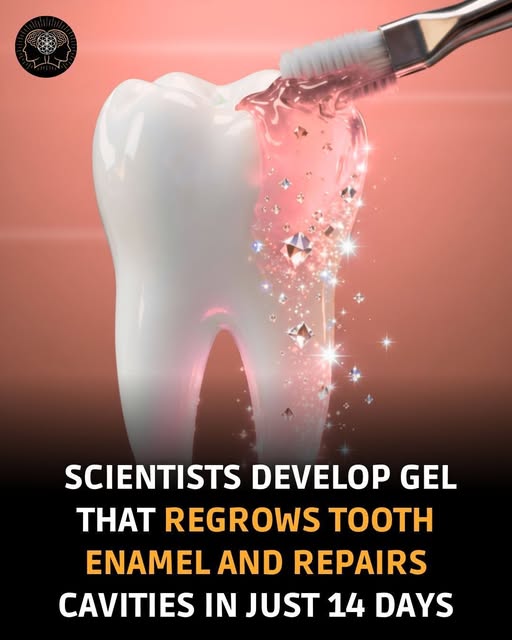
The End of Drills? How Enamel-Regrowing Gels Are About to Revolutionize Dentistry
For over a century, the sound of the dental drill has been synonymous with dental treatment. The clinical smell, the whirring noise, and the anxiety it induces are a near-universal patient experience. That experience, however, may soon be relegated to history. A revolutionary scientific breakthrough—a gel capable of regrowing natural tooth enamel—is moving from laboratory fantasy to clinical reality, promising to usher in the most significant paradigm shift in dentistry since the advent of fluoride.
This isn't science fiction. Researchers worldwide have successfully developed peptide-based gels and biomimetic materials that stimulate the natural remineralization process at a microscopic level. Early-stage trials demonstrate that consistent application can repair early cavities (demineralized lesions) by depositing new, crystalline hydroxyapatite—the same mineral that makes up natural enamel. This process doesn't just patch a hole; it fuses with the existing tooth structure, creating a seamless, strong repair that is biologically identical to the original enamel.
The Science of Self-Healing Teeth
The magic lies in mimicking nature. Our teeth have a limited, innate ability to remineralize using minerals from saliva. Early cavities form when acid from bacteria outpaces this natural repair. The new generation of enamel-regenerative gels supercharges this process.
-
The Mechanism: These gels are infused with short chains of amino acids called peptides, often derived from or inspired by the proteins that guide enamel formation during tooth development in childhood. When applied to a damaged tooth surface, these peptides act as a scaffold and a signal. They attract calcium and phosphate ions from saliva, organizing them into the highly ordered, dense crystal structure of natural enamel.
-
The Evidence: Pioneering work, such as studies published in the journal ACS Applied Materials & Interfaces, has shown that a peptide known as P11-4 can self-assemble into fibers within early cavities, triggering significant enamel regeneration. Other research from China has developed gels containing calcium and phosphate ions alongside specific proteins that rebuild enamel layers. Early results show new enamel growth measurable in microns within days, restoring hardness and structure.
Analysis: The Looming Revolution in Dental Care (2025-2035)
The implications of this technology are profound and will unfold in distinct phases over the next 5 to 10 years.
| Phase (Timeline) | Expected Developments & Adoption | Impact on Dentistry |
|---|---|---|
| Phase 1: Validation & Niche Use (Now - 2027) | Clinical trials for safety and efficacy conclude. First products receive regulatory approval (FDA, EMA, etc.) as prescription medical devices or treatments. Initial use in high-end clinics for early cavity reversal and treating tooth sensitivity. | Dentists begin integrating it as a preventive and micro-invasive tool. It becomes a premium service, shifting some early decay treatment from drilling to applying gel. |
| Phase 2: Integration & Scaling (2028 - 2032) | Manufacturing scales, reducing cost. Formulations improve for easier application and longer-lasting effect. Integration with digital dentistry: AI scans detect demineralization early, and gels are applied precisely. | Becomes standard of care for early intervention. Drills are used less frequently. The dental hygienist's role expands to include enamel-regenerative treatments. Mass-market over-the-counter versions for sensitivity may emerge. |
| Phase 3: Global Paradigm Shift (2033+) | Widespread global adoption. Potential combination with other biomaterials for deeper repairs. Possible integration into daily-use products like toothpaste or mouthwashes as a maintenance therapy. | Fundamental redefinition of cavity treatment. The default becomes "heal and seal" rather than "drill and fill." Focus shifts overwhelmingly to biological preservation and true regeneration. |
Critical Advice for Dental Professionals and Patients
While the future is promising, navigating this transition requires pragmatic steps.
For Dentists & Clinics:
-
Become a Student Again: Follow the research. Journals like The Journal of Dental Research and Dental Materials will be primary sources. Attend conferences focused on regenerative dentistry.
-
Invest in Early Detection: This technology's success depends on catching decay at its earliest, invisible stage. Advanced caries detection devices (like DIAGNOdent lasers or quantitative light fluorescence tools) will become essential practice infrastructure.
-
Redefine Your Value: Your role will evolve from a surgical restorer to a diagnostic expert and conductor of biological healing. Patient education on the science and benefits of regeneration will be key.
-
Plan for Integration: As products launch, seek out training on proper application protocols. Consider how this new service will fit into your practice workflow and fee structure.
For Patients Today:
-
Double Down on Prevention: This future technology makes your current oral hygiene more important than ever. Meticulous brushing, flossing, and dietary control are what keep demineralization at a level where regenerative gels can work.
-
Ask Your Dentist: During check-ups, inquire about early caries detection. Ask if they use tools beyond the visual exam and explorer to spot problems at a molecular stage.
-
Manage Expectations: While the first products may arrive soon, they will initially treat only the earliest stages of decay. Severe cavities will still require traditional management. This is a powerful new tool, not a magic eraser for years of neglect.
-
Follow the Science: Be an informed consumer. Look for credible news from universities and dental associations about clinical trial results, not sensationalized headlines.
The Road Ahead
The development of enamel-regenerative gels represents a tipping point. It signals a future where dentistry is defined not by subtraction and replacement, but by biology, prevention, and true healing. The integrated global research community is accelerating this future, making the 5-10 year timeline for widespread change not just plausible, but likely.
The sound of progress in dentistry may soon be the quiet, hopeful application of a clear gel, followed by the body's own miraculous work of repair. For the first time, we are not just fixing teeth—we are giving them the tools to fix themselves.
Looking for dentist : Visit directory list
Related Clinical Cases
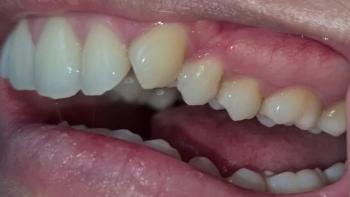
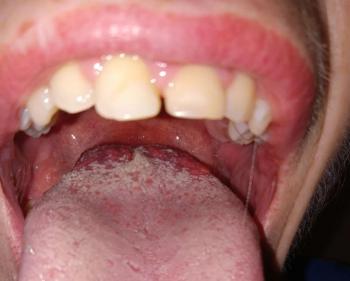
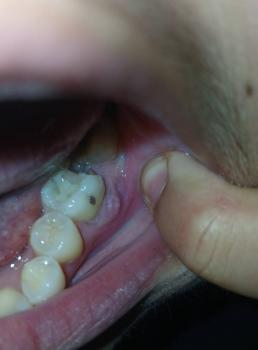
Patients with lower front gum inflammation may also experience tartar buildup, periodontal disease, gum abscesses, or tooth decay. Explore these related clinical case studies.