Because Every Tooth Deserves Care.

Gum Recession and Infection Above the Upper Front Teeth: Additional Clinical Guidance and FAQs
Image:
Severity:
Teeth Problems:
Why Gum Recession Above the Upper Front Teeth Needs Attention
Gum recession occurs when the gum tissue moves away from its normal position, exposing more of the tooth or its root. When recession occurs above the upper front teeth, patients may notice an uneven gumline, tooth sensitivity, redness, bleeding, or discomfort when brushing.
However, gum recession does not automatically mean that an infection is present. Recession may result from aggressive brushing, thin gum tissue, periodontal disease, tooth position, or other contributing factors. Redness and swelling may indicate inflammation, but a dental examination is necessary to determine the underlying cause.
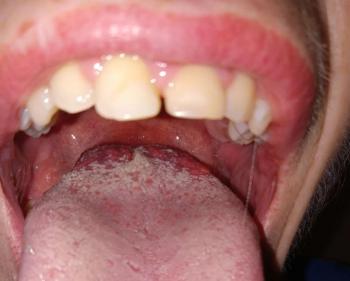
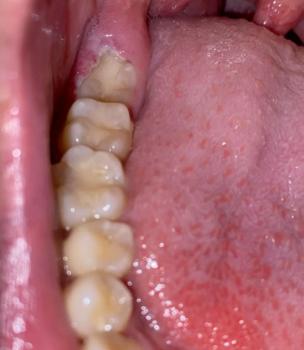
The original case analysis describes receded, inflamed gum tissue above the upper front teeth and identifies localized gum inflammation, plaque accumulation, possible periodontal disease, and trauma as potential explanations. An abscess is another possibility when additional clinical signs support it.
How Dentists Evaluate Gum Recession With Possible Infection
A dentist or periodontist will examine the affected teeth, gums, and surrounding tissues to identify the source of the problem.
The evaluation may include:
-
Gum measurements: Checking pocket depths, recession, bleeding, and signs of attachment loss.
-
Plaque and tartar assessment: Looking for deposits that contribute to gum inflammation.
-
Tooth vitality testing: Determining whether an affected tooth may have an inflamed or damaged dental pulp.
-
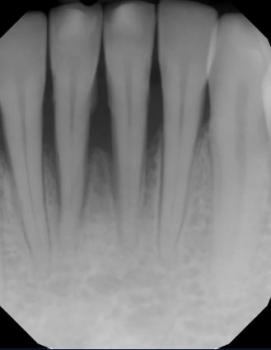
Dental X-rays when indicated: Assessing bone levels and looking for signs of disease around tooth roots.
-
Bite and brushing assessment: Checking whether traumatic brushing, tooth position, or bite forces may contribute to the problem.
These findings help distinguish ordinary gum irritation from periodontitis, a periodontal abscess, or an infection originating inside a tooth.
Treatment Options Depend on the Diagnosis
1. Professional Cleaning
If plaque and tartar are contributing to gingival inflammation, professional cleaning may be recommended. Patients should continue gentle brushing and daily interdental cleaning to control plaque.
2. Periodontal Treatment
If periodontitis is diagnosed, treatment may include scaling and root planing, also known as deep cleaning, followed by periodontal reassessment and maintenance care. More advanced cases may require specialist treatment.
3. Treatment for a Dental Abscess
A suspected abscess requires prompt dental assessment. Depending on its source, treatment may involve drainage, periodontal treatment, root canal treatment, or extraction if the tooth cannot be saved.
Antibiotics are not a substitute for treating the source of a dental infection. A dentist determines whether they are necessary, particularly when there are signs of spreading infection or systemic illness.
4. Management of Persistent Gum Recession
Once inflammation and any active disease are controlled, the dentist can assess whether exposed roots need desensitizing treatment or protective restoration. Selected patients may benefit from periodontal plastic surgery, such as a gum graft, to cover exposed roots or improve gum tissue thickness.
Receded gum tissue does not reliably grow back on its own. Treatment can stabilize the condition, while root coverage procedures may improve coverage in suitable cases.
Short Fictional Patient Story: A Gum Problem in Zamboanga City
This illustrative story is fictional and does not describe a verified patient or actual clinical outcome.
Maria, a 36-year-old resident of Zamboanga City, noticed that the gum above one of her upper front teeth appeared higher than the surrounding gumline. The area became red and sensitive when she brushed. Concerned about the appearance of her smile, she initially considered changing her toothpaste and brushing more frequently.
After noticing that the gum remained irritated, Maria arranged a dental examination. The dentist explained that gum recession and inflammation can have several causes and that the appearance alone cannot establish whether an infection is present.
The dentist assessed her gumline, checked for plaque and tartar, examined the affected tooth, and determined whether imaging was needed. The treatment plan was based on the clinical findings rather than assuming that every red or receded area required antibiotics.
Maria also learned to use a soft-bristled toothbrush with gentle pressure and to clean between her teeth daily. She was advised to return for follow-up so the dentist could monitor the gum condition and recommend further treatment if necessary.
Lesson from the case: Whether someone lives in Zamboanga City, Cebu, or another Philippine community, persistent gum recession accompanied by redness, bleeding, pain, or swelling deserves professional assessment. Early diagnosis can help protect the supporting tissues and preserve natural teeth.
Frequently Asked Questions About Gum Recession and Infection
1. Can gum recession above the upper front teeth cause an infection?
Gum recession itself does not necessarily cause infection. However, plaque-related gum disease, periodontal pockets, trauma, or an infection originating in a tooth may coexist with recession. A dental examination is needed to identify the cause.
2. How can I tell if my receding gums are infected?
Warning signs may include persistent redness, swelling, bleeding, tenderness, pus, a bad taste, or increasing pain. These symptoms do not prove infection on their own. A dentist must determine whether the problem is gingivitis, periodontitis, an abscess, or another condition.
3. Can a gum abscess develop above an upper front tooth?
Yes. A periodontal abscess can develop in the tissues supporting a tooth. An infection at the root tip can also produce swelling near the gum above an upper front tooth. The source matters because treatment differs.
4. Can aggressive brushing cause gum recession?
Yes. Brushing with excessive pressure or using a hard-bristled toothbrush can contribute to gum trauma and recession. Use a soft-bristled toothbrush, gentle pressure, and careful technique. Do not stop cleaning the gumline entirely.
5. Will receding gums grow back after the infection is treated?
Inflammation may improve after appropriate treatment, but lost gum tissue generally does not return to its original position naturally. A gum graft or another periodontal procedure may provide root coverage for selected patients after the underlying disease has been controlled.
6. Do I need antibiotics for gum recession and swelling?
Not necessarily. Antibiotics do not reverse gum recession and are not routinely indicated for uncomplicated gingivitis or every localized dental problem. A dentist determines whether antibiotics are appropriate based on the diagnosis and signs of systemic or spreading infection.
7. Can saltwater rinsing cure infected gums?
A gentle warm saltwater rinse may temporarily soothe irritated tissues, but it cannot remove hardened tartar, treat advanced periodontal disease, or reliably cure an abscess. Do not use it as a substitute for dental care.
8. How long does gum inflammation take to improve?
Improvement depends on the cause, severity, and treatment. Mild plaque-related inflammation may improve within several days after effective cleaning and oral hygiene. Periodontitis and abscesses require diagnosis-specific treatment and follow-up; there is no single healing timetable for every case.
9. Can gum recession make my upper front teeth loose?
Recession alone does not always cause tooth mobility. However, advanced periodontal disease can damage the ligament and bone supporting the teeth, potentially causing looseness. A newly loose tooth or worsening mobility should be assessed promptly.
10. When should I seek urgent dental or emergency care?
Arrange urgent dental assessment for suspected pus, increasing gum swelling, severe pain, or a rapidly worsening problem. Seek emergency medical care immediately if swelling spreads toward the eye or neck, or if you have difficulty breathing or swallowing.
Fever, facial swelling, or feeling generally unwell alongside a suspected dental infection also warrants urgent assessment.
Final Clinical Guidance
Gum recession above the upper front teeth should not be diagnosed by appearance alone. The most appropriate treatment depends on whether the underlying problem is traumatic brushing, plaque-related inflammation, periodontitis, a periodontal abscess, or infection originating within a tooth.
Gentle oral hygiene, professional assessment, and appropriate follow-up can help control inflammation and protect the supporting structures of the teeth. Patients should not attempt to drain a gum swelling themselves or take leftover antibiotics without professional guidance.
Educational disclaimer: This content provides general oral-health information and is not a substitute for an individual examination, diagnosis, or treatment plan from a licensed dental professional.
Swollen Gums Around Lower Front Teeth in Child Case Analysis
What Is Seen in This Case
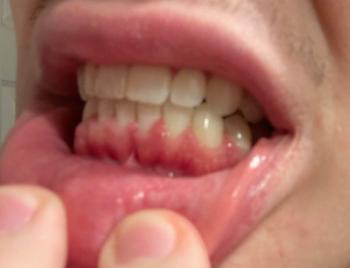
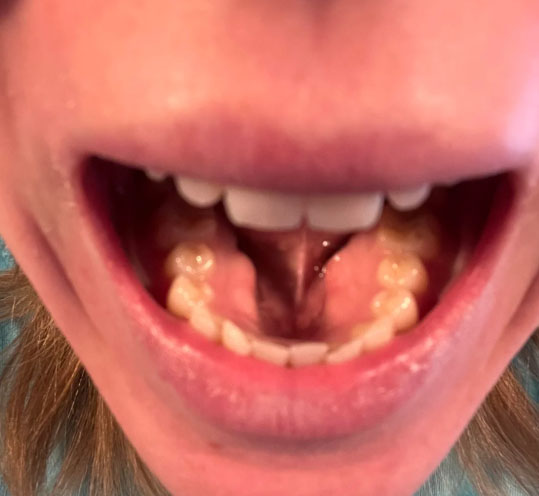
The image shows swollen, raised gum tissue around the lower front teeth, with both sides appearing bulky and inflamed. The swelling is symmetrical near the lower canine–incisor area. The teeth themselves look present, but the gum tissue is enlarged and irritated.
This pattern is commonly seen in children or young patients, especially during tooth eruption or early gum inflammation.
Most Likely Diagnosis
Based on visual examination, the most likely conditions include:
-
Eruption-related gum swelling
-
Gingival inflammation (early gingivitis)
-
Plaque-related gum irritation
-
Localized gum infection without pus
-
Normal tissue response during tooth development
A dental exam helps rule out abscess or deeper infection.
What Causes Swollen Gums in Lower Front Teeth
Common causes include:
-
Erupting permanent teeth pushing through the gums
-
Plaque buildup due to incomplete brushing
-
Food debris trapped near the gumline
-
Hormonal or growth-related gum sensitivity
-
Minor gum trauma
Children often experience gum swelling during mixed dentition stages.
Is This a Serious Problem
In most cases, this condition is mild and temporary. However, if untreated or ignored, it may scale up into:
-
Persistent gum inflammation
-
Pain or bleeding during brushing
-
Development of gum infection
-
Bad breath
-
Increased risk of cavities
Monitoring and basic dental care usually prevent complications.
Recommended Treatment Process
Initial Assessment (Days 1–3)
-
Dental examination
-
Assessment of tooth eruption stage
-
Evaluation of gum hygiene
Active Care Phase (Days 4–7)
Treatment may include:
-
Professional cleaning if plaque is present
-
Oral hygiene instruction for child and parent
-
Mild antiseptic rinse if recommended
Healing and Observation Phase (Days 8–14)
-
Swelling should gradually reduce
-
Gums return to a healthier color
-
Comfort improves
Most cases resolve without invasive treatment.
Expected Healing Time
-
Mild swelling: 3–7 days
-
Eruption-related swelling: up to 14 days
Healing depends on oral hygiene and natural tooth movement.
What Happens If Care Is Delayed
If oral care is poor, this may lead to:
-
Chronic gingivitis
-
Gum bleeding
-
Tooth sensitivity
-
Higher risk of cavities
-
Need for more frequent dental visits
Early care prevents long-term issues.
Home Care Advice
Parents and patients should:
-
Brush twice daily with a soft toothbrush
-
Use gentle circular brushing on gums
-
Avoid sugary snacks
-
Encourage rinsing after meals
Seek dental advice if swelling worsens or becomes painful.
Professional Comment
This case appears consistent with gum swelling related to eruption or mild gingival inflammation in a young patient. With proper hygiene and monitoring, outcomes are usually excellent.
Visit a Dental Clinic Near You
For pediatric gum evaluation and guidance, visit:
https://cebudentalimplants.com/map-dental-clinic
Related Clinical Cases
Patients with lower front gum inflammation may also experience tartar buildup, periodontal disease, gum abscesses, or tooth decay. Explore these related clinical case studies.