Your Smile, Our Passion.

How AI is Detecting Cavities & Bone Loss: Complete Guide to Dental AI Technology
Language :
Topics:
The AI Co-Pilot: How Artificial Intelligence is Revolutionizing Dental Diagnoses
For generations, a dental diagnosis has relied on the sharp eye and extensive experience of a single professional. But what if the subtlest early cavity, hidden in the gray shadows of an X-ray, was just beyond human perception? What if a microscopic fracture in a root went unnoticed until it became a major problem?
This is no longer a hypothetical. A new wave of FDA-cleared AI devices is entering clinics worldwide, acting as a super-powered second opinion that never tires, never blinks, and processes thousands of images in an instant.
Introducing "Pearl Second Opinion": The AI That Catches What Humans Miss
Imagine a system that analyzes your dental X-rays and 3D scans with the collective knowledge of millions of other cases. That's the promise of AI like Pearl Second Opinion, one of the first FDA-cleared AI platforms for dental radiology.
How It Works & What It Detects:
-
Lightning-Fast, Pixel-Perfect Analysis: In seconds, the AI algorithm scans 2D (like bitewing and panoramic X-rays) and 3D (CBCT) images. It doesn't just look at the images; it interprets them, comparing every pixel to a vast database of annotated pathology.
-
Comprehensive Pathology Detection:
-
Caries (Cavities): It identifies interproximal caries (between teeth) and occlusal caries (on the chewing surfaces) at their earliest stages, often long before they are visible to the naked eye or obvious on a traditional X-ray.
-
Bone Loss: It quantitatively measures the bone levels around each tooth with sub-millimeter accuracy, providing an objective, trackable baseline for diagnosing and monitoring periodontal disease.
-
Fractures: It flags subtle root fractures and cracked tooth syndrome that are notoriously difficult to detect, preventing future treatment failures.
-
Other Findings: It can also identify abscesses, calculus (tartar), and other anomalies, creating a comprehensive radiographic report.
-
The Real-World Impact: For the dentist, this is like having a world-class radiologist looking over their shoulder on every single case. It reduces diagnostic fatigue, minimizes human error, and frees up the dentist to focus on treatment planning and patient care.
The Global Scale of AI Adoption: A New Standard of Care
The demand for AI in dentistry is exploding globally, driven by several key factors:
-
The Standardization of Excellence: AI ensures a consistently high level of diagnostic accuracy, whether a patient is in a high-tech clinic in Tokyo or a public health center in a rural area. It helps bridge the gap in expertise.
-
Efficiency and Throughput: Clinics can process more patients without compromising on diagnostic quality. The AI's speed allows for quicker case reviews and faster treatment planning.
-
Patient Trust and Transparency: When a dentist can show a patient a clear, AI-highlighted area of concern on a scan, it demystifies the diagnosis. This visual evidence builds immense trust and helps patients understand the necessity of proposed treatments.
-
Insurers and Litigation: As AI becomes standard, it provides an objective, data-backed record for insurance claims and helps protect practitioners from malpractice lawsuits related to missed diagnoses.
Leading the Charge: High-Review AI Devices and Brands
While "Pearl Second Opinion" is a pioneer, it is part of a growing ecosystem of brilliant dental AI tools.
-
VideaHealth: Another major player with FDA clearance, VideaHealth's AI integrates seamlessly with practice management software to provide real-time diagnostic support, focusing on cavities, bone loss, and other pathologies. It's praised for its user-friendly interface and robust clinical validation.
-
Overjet: This brand has received significant acclaim and FDA clearance for its specific focus on periodontal disease and caries detection. Overjet doesn't just find problems; it quantifies them. For instance, it can precisely outline and measure the amount of bone loss around each tooth, providing invaluable data for periodontists.
-
Dental Monitoring: A revolutionary tool for orthodontists and dentists. Patients use their smartphone camera to take scans of their teeth at home. The AI then analyzes tooth movement, tracks progress, and alerts the orthodontist to any issues (like poor hygiene or broken brackets) between appointments. It’s a game-changer for remote care.
Advise: What the AI Revolution Means for You as a Patient
As this technology becomes more widespread, here’s how you can engage with it to ensure you're receiving the best possible care:
-
Ask the Question: During your next consultation, don't be afraid to ask: "Do you use AI-assisted technology to review my X-rays?" A clinic that invests in such technology is signaling a commitment to cutting-edge, precise care.
-
Understand Its Role: AI is a co-pilot, not a replacement. The final diagnosis and treatment plan will always come from your highly trained dentist. The AI is a tool that enhances their innate skill.
-
Embrace the Evidence: Welcome the ability to see what the dentist sees. An AI-highlighted image makes you an informed partner in your own oral health journey.
-
Look for Transparency: The best use of AI is when the dentist uses it to educate you, showing you the "before and after" or pointing out the specific areas the AI flagged.
The future of dentistry is not about robots taking over. It's about augmented intelligence—the powerful combination of human expertise and machine precision. This partnership promises a new era where diagnoses are faster, more accurate, and preventative care is truly proactive, saving your teeth, your time, and your money in the long run.
Looking for dentist : Visit directory list
Related Clinical Cases
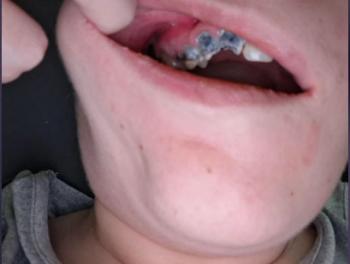
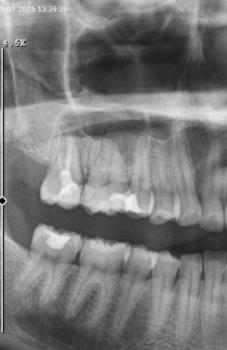
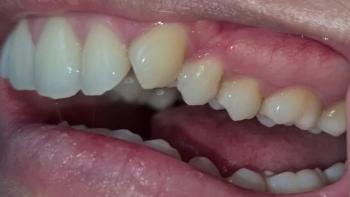
Patients with lower front gum inflammation may also experience tartar buildup, periodontal disease, gum abscesses, or tooth decay. Explore these related clinical case studies.



Other topics:
Other Dental Clinic