Other topics:

Why Teeth Don’t Heal: The Surprising Science Behind Enamel Damage

Why Can’t Teeth Heal Themselves? The Science Behind Enamel’s Irreparable Damagee

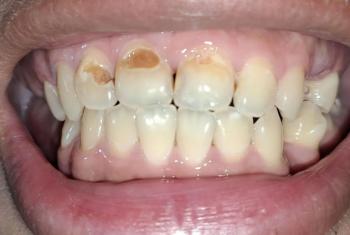
Teeth are remarkable structures—hard, durable, and essential for survival. Yet, unlike bones, skin, or even the liver, they cannot regenerate or heal themselves once damaged, especially when it comes to enamel.

This biological limitation has significant implications for oral health. Let’s explore why teeth lack self-repair mechanisms and what that means for dental care.

Neuroscience of Swimming: Why Every Lap is Liquid Therapy for Your Brain

Topics: 

The Mind Beneath the Waves: How Swimming Reshapes Your Brain and Builds Mental Resilience

Beyond Cardio: The Cognitive Revolution of Aquatic Exercise

When we think of swimming, we imagine toned muscles and cardiovascular health. But groundbreaking research reveals something more profound happening beneath the surface—a neurological transformation that positions swimming as one of the most potent brain interventions available. This isn't just exercise; it's liquid neuroscience.

7 Amazing Best Fruits for Strong & Shiny Teeth

To keep your teeth shiny, strong, and healthy, focus on fruits that are rich in vitamins, minerals, and fiber while being low in acidity and sugar. Here are the best fruits for dental health:

Best Fruits for Strong & Shiny Teeth

  1. Apples – High in fiber and water, which stimulate saliva production to rinse away bacteria. Their mild abrasiveness helps clean teeth.

  2. Pears – Neutralize acids in the mouth and stimulate saliva, protecting enamel.

Throbbing Pain After Tooth Extraction: Causes and Solutions

Topics: 

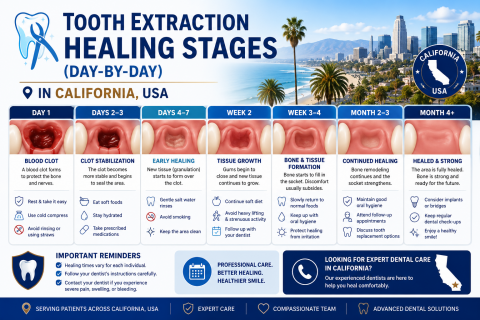
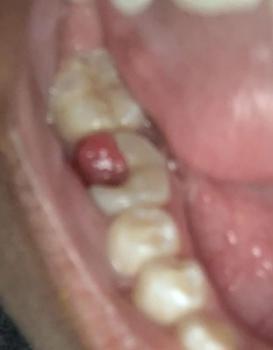
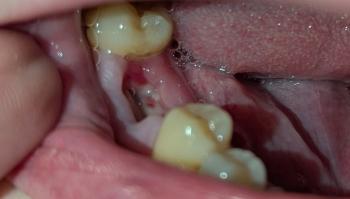
Tooth extraction is a common dental procedure, but experiencing throbbing pain afterward can be alarming. While some discomfort is expected during healing, persistent or worsening pain may signal complications that require attention. Understanding the causes and knowing the right solutions can help you recover faster and avoid serious issues.

Can Viruses Affect the Teeth and Tongue? Nipah Virus Explained

Topics: 

Nipah virus is a highly dangerous virus that primarily affects the brain and lungs. According to infectious disease expert Edsel Salvana Solante, the virus has a high mortality rate ranging from 40% to 75%.

Key facts about Nipah virus:

  • It can cause severe brain inflammation (encephalitis)

  • It can cause serious lung complications

  • There is no specific treatment or vaccine

  • Patients receive supportive care only

The Bone Graft Timeline: Why Your Project Ngipin Fails Before It Starts

Bone grafting is not a one-day transaction.

It is a construction project inside your jaw.

Many Filipino patients start strong on Day 1.
By Month 3, nawalan ng gana.
By Month 6, budget gone.
By Month 8, project abandoned.

Let’s break this down like a real construction timeline.

A 45-Year-Old Man Eats Candy 3 Times Daily: What Will His Teeth Look Like in 5 Years? (Dentist Analysis)

Meet John, a 45-year-old man from California, who has a sweet tooth—eating candy three times a day. He brushes his teeth three times daily to "prevent damage," but is that enough to save his teeth from decay?

What will happen to John’s teeth in five years if he continues this habit? We consulted dentists to analyze his risks, potential damage, and whether his brushing routine can offset the harm.


Current Dental Profile

  • Age: 45

Beyond the Screen: Understanding the Global Health Decline in Young Adults

The Accelerated Aging Generation: Why the Young Are Getting Old Bodies Too Soon

A profound and worrying shift is occurring in clinics worldwide. The health issues that once defined middle age and senior years—chronic pain, severe fatigue, joint problems, and metabolic conditions—are now appearing in teenagers and young adults. Physicians are observing a generation that seems to be "aging from the inside out," with their oral health often serving as the first and most visible warning sign.

Pages