Where Bright Smiles Begin.

The True Cost of a Weak Peso: Imported Dental Tech and Your Wallet
Language :
Topics:
The Peso's Painful Bite: How a Weakening Currency is Making Your Dental Care More Expensive
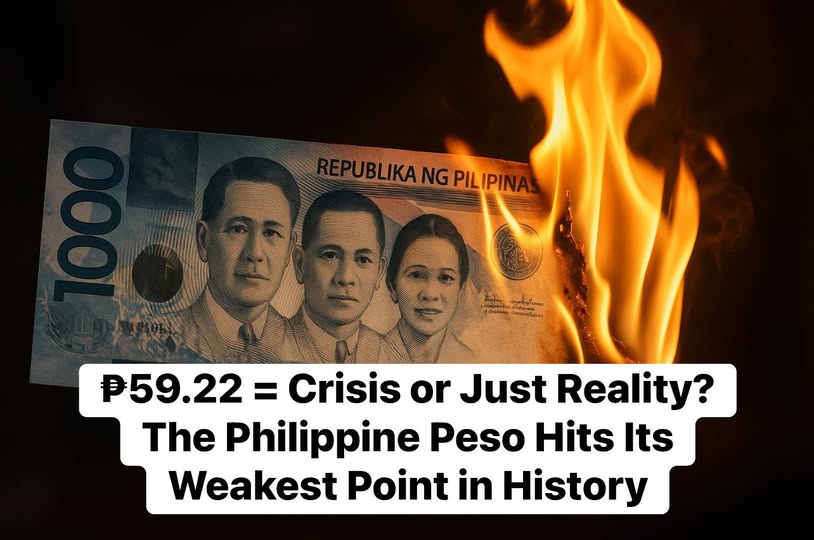
December 9, 2025, will be remembered not for market "volatility," not for global "headwinds," but for a moment of brutal clarity. On that day, the Philippine peso reached an historic low, hitting ₱59.50 against the US dollar—the weakest level in our nation's history
.
For many, this is just a number on a financial ticker. But for every Filipino family, for every Overseas Filipino Worker (OFW) planning a homecoming dental visit, and for every clinic trying to stock its shelves, this number has a direct and painful impact. When a currency gasps for air, it’s not economists who feel it first—it’s ordinary people trying to buy rice, pay rent, send their kids to school, and yes, even afford a simple dental check-up.
The harsh truth is that the cost of your smile is increasingly being dictated by the peso’s decline. This isn't merely about inflation; it's about a fundamental shift in the economy that makes every aspect of modern dentistry more expensive.
The Direct Link: A Weak Peso and Your Dental Bill
Dentistry is not an isolated, local craft anymore. It's a global industry. Modern Philippine dental clinics pride themselves on offering world-class care, using state-of-the-art technology like 3D printing, digital scanners, and laser dentistry
. However, the vast majority of this advanced equipment, the high-grade titanium for your implants, and even many of the premium materials for crowns and veneers are imported
.
When the peso weakens, these imports become dramatically more expensive. Here's a simplified breakdown of the domino effect:
-
Clinic Costs Skyrocket: A digital intraoral scanner or a CAD/CAM milling machine priced at $50,000 cost a clinic around ₱2.8 million pesos earlier in 2025. At the current exchange rate, that same machine now costs over ₱2.9 million pesos
-
. This massive increase in overhead—for everything from high-tech equipment to sterilization supplies and quality consumables—cannot be absorbed by clinics alone.
-
Prices Are Forced to Rise: To stay in business and maintain standards, clinics must adjust their fees. This is not greed; it's survival. The Ken Research report forecasts the Philippine dental services market to grow to $1.75 billion by 2026, driven by technology and dental tourism
-
. But this growth is underpinned by investments that are now far more costly.
-
You, the Patient, Pay the Difference: Ultimately, the increased cost is passed on. Whether you need a routine cleaning or a full-mouth implant restoration, a portion of your bill is now a direct reflection of the peso's poor health.
The OFW Advantage Dims, The Local Squeeze Tightens
This currency crisis creates a starkly uneven playing field:
-
For the Dollar-Earning OFW: The advantage of getting dental work done in the Philippines is eroding in peso terms, though it remains significant compared to US or European prices
. A dental implant in a high-tech Manila clinic may cost ₱90,000. At a 59.50 exchange rate, that's about $1,512 for an OFW—still a fraction of the $3,000-$5,000 it would cost in the US. However, that same ₱90,000 procedure was effectively cheaper in dollar terms just months ago when the peso was stronger. Their purchasing power, while still formidable, is being stealthily chipped away
-
.
-
For the Local Wage Earner: This is where the pain is most acute. Your salary in pesos buys less and less of everything, including healthcare. The "affordable" dental care that the Philippines is famous for is becoming less accessible to its own people. The booming dental tourism industry, while good for the economy, can sometimes drive up local prices in premier clinics, further straining household budgets
-
.
Beyond the Financial: A Crisis of Trust and Competence
A weak peso is more than an economic indicator; it is a verdict. A verdict on global confidence in our economic management, on governance, and on long-term stability.
When families must choose between a dental procedure that prevents future pain and today's groceries, that is a failure that transcends finance. It's a failure of foresight. It is a bitter irony to hear assurances that "everything is under control" while the foundation of affordable healthcare crumbles with each centavo lost.
Mahinay ang piso dahil mahina ang pamamalakad. The market is speaking a truth more eloquent than any palace spokesperson.
What Can You Do? Navigating the New Reality
While the macro-economic forces are beyond individual control, you can take informed steps to protect your oral health and your finances:
-
Prioritize Prevention, Aggressively: The single most powerful financial decision is to avoid major dental work. Commit to impeccable oral hygiene, use quality products (the oral care market is growing with more effective options), and do not skip your six-month cleanings
-
. Preventing a cavity is infinitely cheaper than treating one, especially now.
-
Invest in a Detailed US Consultation (For OFWs): If you are an OFW planning a dental trip, your strategy is more important than ever. Get a comprehensive check-up and a written treatment plan from a dentist in your host country before you fly
-
. Use this as your blueprint to get precise, itemized quotes from Philippine clinics. This eliminates surprises and allows for true cost comparison.
-
Research Clinics for Value, Not Just Price: Don't simply chase the lowest quote. Investigate clinics that are transparent about their use of quality, durable materials and technology. An implant that lasts 20 years is a better value than a cheaper one that fails in 5. Look for clinics with dentists who have international training and a reputation for excellence.
-
Ask About All-Inclusive Packages: When getting quotes, demand clarity. Does the price for an implant include the abutment, the crown, all follow-up visits, and any necessary pre-procedures like a bone graft? A weak peso makes hidden fees even more dangerous to your budget
Conclusion: A Call for Clarity in an Unstable Time
The historic decline of the peso is not an abstract event. It is a concrete force that is making the essential healthcare of dental care more expensive for every Filipino. It diminishes the hard-earned advantage of our OFWs and places yet another burden on families already struggling with the cost of living.
As patients and as citizens, we must demand more than reassurance. We must demand competence, transparency, and policies that stabilize our economy and protect our purchasing power. Your health, and your smile, depend on it.
In the meantime, be smarter, be more preventive, and be more meticulous in your planning. In an era of a weak peso, an informed patient is a protected patient.
Start today. Book that cleaning you've been putting off. Research that clinic. Get that check-up. Because in today's Philippines, protecting your smile has become an act of both personal care and financial necessity.
Looking for dentist : Visit directory list
Related Clinical Cases
Patients with lower front gum inflammation may also experience tartar buildup, periodontal disease, gum abscesses, or tooth decay. Explore these related clinical case studies.