Healthy Teeth, Happy Life.

Endodontic Posts in Primary Teeth | Pediatric Dental Restoration Guide
Language :

Endodontic Posts in Primary Teeth: A Complete Clinical Guide
Preserving primary (baby) teeth is an essential part of pediatric dentistry. When severe decay or trauma causes extensive loss of tooth structure, endodontic posts allow dentists to restore function, esthetics, and stability after pulp therapy. This guide explains the types of endodontic posts used in primary teeth, clinical tools, case analysis, healing expectations, and professional best practices.
Why Endodontic Posts Are Used in Primary Teeth
Endodontic posts are indicated when more than half of the coronal structure of a primary tooth is lost after pulpectomy. Instead of extracting the tooth, a post provides internal support for composite or crown restorations, helping maintain chewing efficiency, speech development, and space for permanent teeth.
- Prevents premature tooth loss
- Maintains proper arch length
- Improves aesthetics in anterior teeth
- Supports long-term oral development
Types of Endodontic Posts Used in Primary Teeth
Biological Post
Biological posts are fabricated from sterilized extracted dentin. They offer excellent biocompatibility and bonding but are rarely used due to limited availability and strict sterilization requirements.
Carbon Fiber Post
Carbon fiber posts provide high fracture resistance and good stress distribution. However, their dark color limits their use in anterior primary teeth.
Modified Omega Post
The modified omega post is a stainless steel wire bent into an omega shape. It is affordable, easy to fabricate, and commonly used in pediatric dental clinics, especially in resource-limited settings.
Polyethylene Post
Polyethylene fiber posts are flexible and bond well with composite materials. Their elasticity reduces stress on primary tooth roots, making them suitable for moderate crown loss.
Ribbond Post
Ribbond is a woven polyethylene fiber ribbon embedded in composite. It offers excellent esthetics and force distribution, making it ideal for anterior restorations and strip crowns.
Glass Fiber Post
Glass fiber posts are considered the preferred option in modern pediatric dentistry. They are tooth-colored, strong, and have an elastic modulus similar to dentin, reducing the risk of root fracture.
Dental Tools and Materials Used
- Pediatric hand files
- Resorbable obturating materials (Vitapex or Metapex)
- Flowable and packable composite resin
- Adhesive bonding system
- Strip crowns
- Light-curing unit
Clinical Case Study
Patient: 5-year-old child
Chief Complaint: Broken front teeth with pain during eating
Diagnosis: Severe Early Childhood Caries (ECC)
Clinical Findings
- Extensive coronal destruction
- Intact root structure
- No pathological root resorption
- Tooth expected to remain functional for several years
Treatment Procedure
- Pulpectomy using resorbable obturation material
- Post space preparation limited to 3–4 mm
- Glass fiber post placement
- Composite core buildup
- Strip crown restoration
Treatment Outcome
The patient experienced immediate pain relief, improved chewing ability, restored esthetics, and normal speech. The tooth remained stable during follow-up visits.
Teeth Condition Analysis Before Post Placement
Proper case selection is critical. Dentists must assess root length, resorption stage, periapical health, occlusal forces, and the child’s age. Endodontic posts should not be placed if advanced root resorption is present.
Professional Practice Guidelines
- Limit post depth to the cervical third of the canal
- Use only resorbable obturation materials
- Prefer fiber-based or flexible post systems
- Avoid long or rigid metal posts
- Ensure strict moisture control during bonding
- Schedule regular six-month follow-ups
Healing Timeline and Aftercare
Healing after post placement in primary teeth is usually rapid. Mild tenderness may occur within the first few days, with full functional recovery expected within 7 to 14 days.
- Avoid hard foods for 48 hours
- Maintain good oral hygiene
- Attend routine dental checkups
Conclusion
Endodontic posts in primary teeth provide a safe and effective way to restore severely damaged baby teeth. When modern materials and proper clinical protocols are followed, these restorations preserve function, esthetics, and oral development until natural tooth exfoliation occurs.
Concerned about your child’s damaged baby teeth?
Find a trusted dental clinic near you using our directory:
https://cebudentalimplants.com/map-dental-clinic
Looking for dentist : Visit directory list
Related Clinical Cases
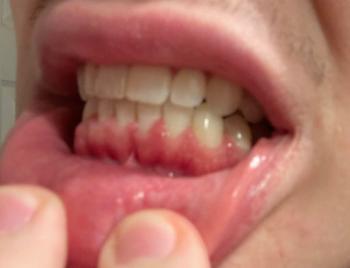
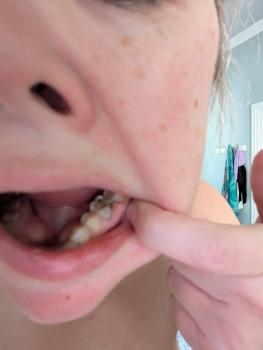
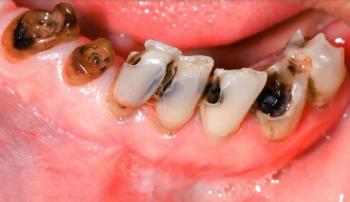
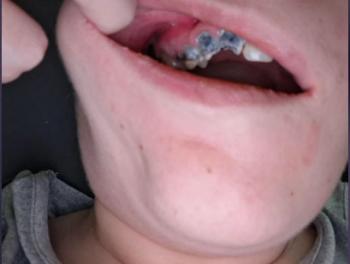
Patients with lower front gum inflammation may also experience tartar buildup, periodontal disease, gum abscesses, or tooth decay. Explore these related clinical case studies.



Other topics:
Other Dental Clinic