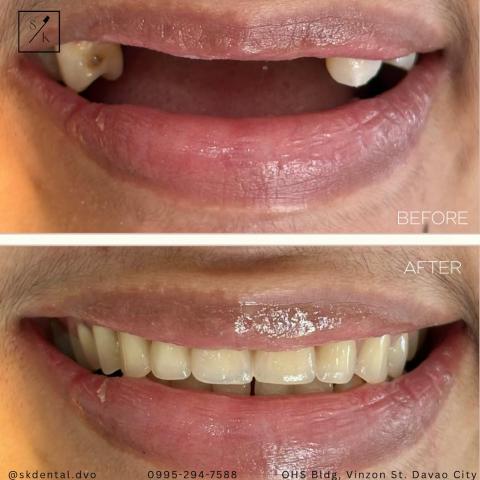
Transforming Smiles, Restoring Confidence.

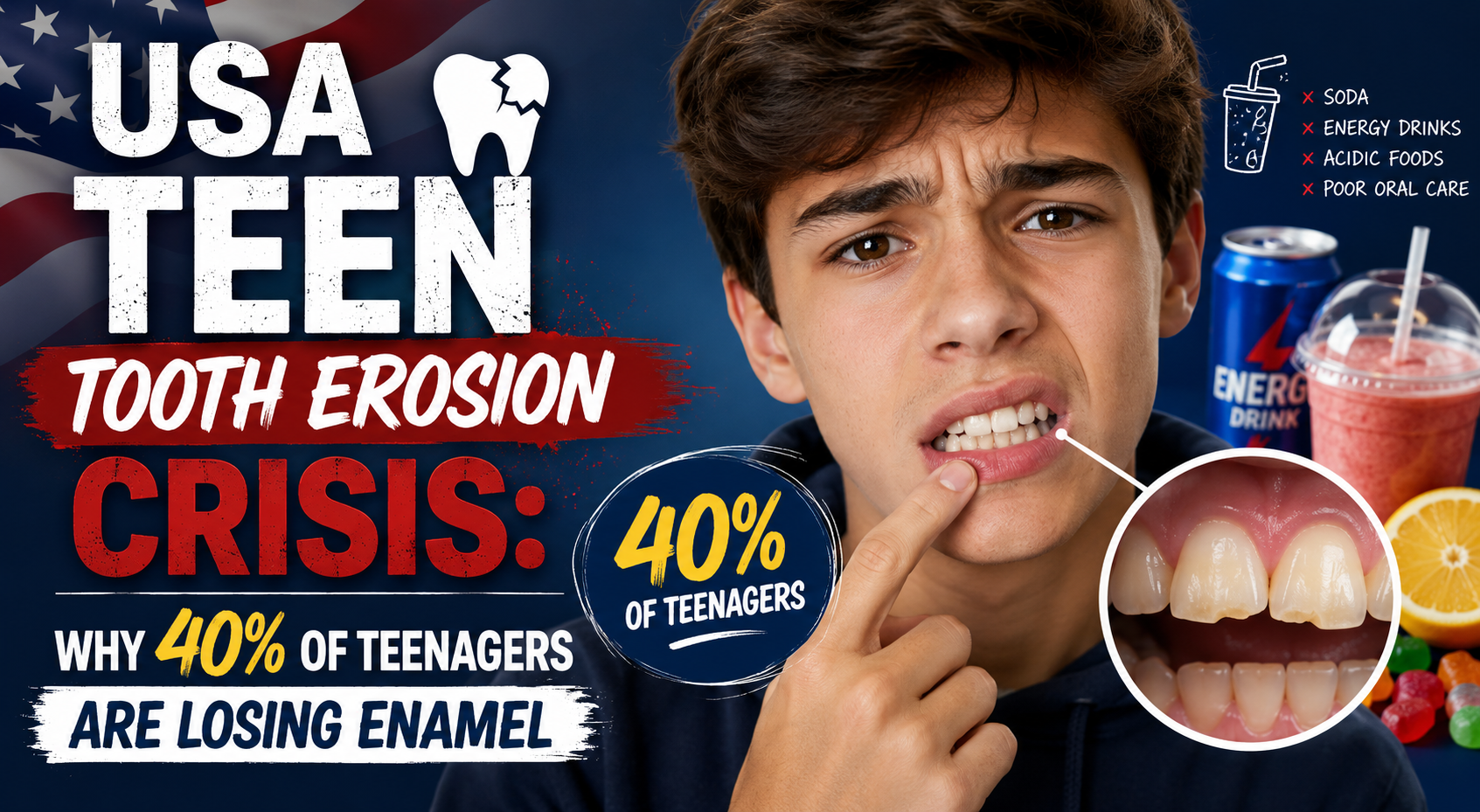
USA Teen Tooth Erosion Crisis: Why 40% of Teenagers Are Losing Enamel
Language :
Topics:
The Dental Problem Many Parents Never See Coming
As a dentist with more than 20 years of clinical experience in the United States, I have witnessed remarkable improvements in certain aspects of oral health. Many teenagers today have fewer cavities than previous generations thanks to fluoride toothpaste, dental sealants, and better preventive care.
However, another problem has quietly emerged and is becoming increasingly common among adolescents: tooth erosion.
Unlike cavities, which are caused by bacteria, tooth erosion occurs when acids directly dissolve the tooth's protective enamel layer. Over the past two decades, I have seen a dramatic increase in teenagers arriving at my office with visible signs of enamel wear, sensitivity, and permanent damage.
Current studies suggest that approximately 40% of teenagers show signs of tooth erosion. That number is alarming because enamel cannot regenerate once it is lost. Unlike skin, bone, or other tissues in the body, enamel does not grow back.
What makes this trend particularly concerning is that many teenagers—and their parents—have no idea it is happening until significant damage has already occurred.
In this article, I will explain why tooth erosion is becoming more common, how modern lifestyles contribute to the problem, the warning signs families should watch for, and what can be done to protect a teenager's smile for life.
Understanding Tooth Enamel
To understand tooth erosion, it helps to know what enamel actually is.
Enamel is the outermost protective layer of the tooth. It is the hardest substance in the human body—even stronger than bone.
Its primary functions include:
- Protecting teeth from decay
- Insulating sensitive inner structures
- Allowing comfortable chewing
- Preserving tooth shape and appearance
Although enamel is incredibly strong, it is not indestructible.
Acids can gradually soften and dissolve enamel over time. Once enamel is lost, the underlying dentin becomes exposed. Dentin is softer, darker, and much more sensitive than enamel.
Unfortunately, the body cannot replace lost enamel naturally.
That means prevention is critical.
Why Tooth Erosion Is Increasing Among Teenagers
When I began practicing dentistry twenty years ago, severe tooth erosion was relatively uncommon among adolescents.
Today, it is something I diagnose every week.
The increase appears closely linked to changes in diet, beverage consumption, athletic habits, and lifestyle choices.
Teenagers are exposed to acidic substances more frequently than ever before.
Many consume:
- Soft drinks
- Sports drinks
- Energy drinks
- Flavored waters
- Fruit juices
- Sour candies
- Acidic snacks
What concerns dentists most is not necessarily the amount consumed but the frequency of exposure.
Teeth can tolerate occasional acid attacks. Problems arise when acids repeatedly bathe the teeth throughout the day.
Every acidic exposure creates a period during which enamel softens.
If these attacks occur repeatedly, enamel does not have sufficient time to recover.
The result is progressive erosion.
The Biggest Culprit: Acidic Beverages
If I had to identify the single largest contributor to teenage enamel erosion, it would be acidic beverages.
Many teenagers drink these products daily.
Soft Drinks
Traditional sodas contain acids such as phosphoric acid and citric acid.
Even sugar-free versions remain highly acidic.
Many parents mistakenly assume diet sodas are safe because they contain no sugar.
From an erosion standpoint, however, the acid content can still damage enamel.
Sports Drinks
Sports drinks are often marketed as healthy hydration solutions.
While they may have legitimate uses for elite athletes during prolonged physical activity, many teenagers consume them unnecessarily.
These beverages typically contain:
- Citric acid
- Flavoring acids
- Added sugars
- Low pH levels
The combination creates a highly erosive environment for teeth.
Energy Drinks
Energy drinks are among the most damaging beverages I encounter.
Many have acidity levels comparable to battery acid.
Teenagers often consume them before school, sports practices, gaming sessions, or exams.
Frequent exposure can accelerate enamel destruction dramatically.
Fruit Juices
Parents are often surprised to learn that fruit juice can be highly erosive.
Orange juice, lemonade, apple juice, and other fruit beverages contain natural acids that can soften enamel.
While these drinks may contain vitamins, they should still be consumed in moderation.
Why Drinking Habits Matter
The way teenagers consume beverages may be even more important than the beverages themselves.
Consider two scenarios.
Teenager A drinks a soda with lunch and finishes it within fifteen minutes.
Teenager B slowly sips the same soda over four hours.
The second teenager experiences significantly more enamel exposure because the teeth remain under acidic attack for a much longer period.
I frequently tell patients:
"It is not just what you drink. It is how long your teeth are exposed to it."
Common high-risk habits include:
- Carrying sports drinks throughout the day
- Constant soda sipping
- Holding drinks in the mouth
- Swishing beverages before swallowing
- Drinking acidic beverages before bedtime
Each of these behaviors increases erosion risk.
The Hidden Danger of Sour Candies
Many teenagers love sour candies.
Unfortunately, dentists often consider them one of the most destructive snacks available.
These products combine:
- Extremely high acidity
- Sticky textures
- Prolonged contact with teeth
Some sour candies have acidity levels comparable to industrial cleaning products.
Repeated exposure can rapidly wear away enamel.
In my practice, I have seen teenagers develop significant erosion after consuming sour candies daily for months or years.
The damage can be surprisingly severe.
Sports and Athletic Activities
Active teenagers face unique challenges.
Exercise itself is healthy.
The concern arises from what often accompanies athletic participation.
Sports Drink Consumption
Many athletes believe sports drinks are necessary after every workout.
In reality, water is often sufficient for routine exercise.
Repeated sports drink use dramatically increases acid exposure.
Dehydration
Physical activity reduces saliva production.
Saliva is one of the body's most important natural defenses against erosion.
When saliva decreases:
- Acids remain longer on teeth
- Neutralization slows
- Enamel remains vulnerable
This is why consuming acidic sports drinks immediately after intense exercise can be particularly damaging.
Saliva: Nature's Protective Shield
Most people underestimate the importance of saliva.
Saliva performs several critical functions:
- Neutralizes acids
- Washes away food particles
- Delivers minerals to enamel
- Helps repair early acid damage
- Protects against bacterial growth
When saliva production decreases, tooth erosion risk rises significantly.
Teenagers may experience dry mouth due to:
- Dehydration
- Certain medications
- Mouth breathing
- Medical conditions
- Excessive caffeine intake
When evaluating erosion cases, I always assess salivary function because it often plays a major role.
Acid Reflux: An Often Overlooked Cause
One of the most commonly missed causes of enamel erosion is acid reflux.
Gastroesophageal reflux disease (GERD) allows stomach acid to travel upward into the mouth.
Stomach acid is extremely powerful.
Repeated exposure can dissolve enamel rapidly.
Signs suggesting reflux-related erosion include:
- Wear on back teeth
- Morning sensitivity
- Chronic heartburn
- Frequent throat irritation
- Bad breath
Some teenagers may not even realize they have reflux.
Dentists are often the first healthcare providers to recognize the signs.
Eating Disorders and Dental Damage
Eating disorders can have devastating oral consequences.
Conditions involving frequent vomiting expose teeth to stomach acid repeatedly.
Bulimia nervosa is particularly damaging.
Over time, stomach acid can:
- Dissolve enamel
- Thin teeth dramatically
- Cause severe sensitivity
- Alter appearance
- Increase fracture risk
Dentists are frequently among the first healthcare professionals to identify warning signs.
Early intervention is essential not only for oral health but for overall wellbeing.
Early Warning Signs Parents Should Watch For
Tooth erosion develops gradually.
Recognizing symptoms early can prevent major damage.
Common warning signs include:
Tooth Sensitivity
Sensitivity to:
- Cold drinks
- Hot foods
- Ice cream
- Sweet foods
often indicates enamel loss.
Yellowing Teeth
As enamel thins, the yellow dentin underneath becomes more visible.
Transparent Tooth Edges
Front teeth may appear translucent near their edges.
Rounded Tooth Surfaces
Healthy enamel creates defined contours.
Erosion often produces smoother, rounded surfaces.
Small Cracks
Weakened enamel increases fracture risk.
Tooth Shortening
Advanced erosion can cause teeth to appear smaller over time.
What Happens If Erosion Is Ignored?
Unfortunately, enamel loss is progressive.
Without intervention, teenagers may experience:
- Increased sensitivity
- Cosmetic changes
- Tooth fractures
- Higher cavity risk
- Bite changes
- Expensive restorative treatment needs
In severe cases, patients may eventually require:
- Bonding
- Veneers
- Crowns
- Root canal treatment
- Full-mouth rehabilitation
These procedures can be costly and time-consuming.
Prevention remains far easier than treatment.
Why Brushing Immediately Can Make Things Worse
Many people assume brushing immediately after drinking soda or juice is beneficial.
In reality, this can accelerate enamel loss.
Acid temporarily softens enamel.
Brushing during this vulnerable period can physically remove weakened enamel.
I advise patients to wait at least 30 minutes after consuming acidic foods or beverages before brushing.
This allows saliva time to help reharden the enamel surface.
Prevention Strategies That Actually Work
The good news is that erosion can often be slowed or stopped.
Reduce Acid Frequency
Minimize exposure to:
- Soda
- Sports drinks
- Energy drinks
- Sour candies
- Acidic snacks
Frequency matters more than quantity.
Drink During Meals
Consuming acidic beverages with meals reduces their impact.
Food stimulates saliva production and helps neutralize acids.
Use a Straw
A straw directs liquid away from teeth.
While not perfect, it can reduce exposure.
Rinse with Water
After consuming acidic substances:
- Drink water
- Swish water around the mouth
- Neutralize residual acid
This simple habit can be extremely beneficial.
Choose Water More Often
Water remains the healthiest beverage for both oral and overall health.
Encouraging water consumption can dramatically reduce erosion risk.
The Benefits of Sugar-Free Gum
Chewing sugar-free gum stimulates saliva flow.
More saliva means:
- Better acid neutralization
- Faster enamel recovery
- Reduced sensitivity
- Improved oral protection
Xylitol-containing gum may provide additional benefits.
For many teenagers, this is an easy preventive strategy.
Professional Dental Care Matters
Routine dental visits are essential.
Early erosion can be subtle.
Dentists can identify problems before they become severe.
Professional monitoring allows:
- Early diagnosis
- Personalized prevention plans
- Fluoride recommendations
- Protective treatments
- Risk assessment
The earlier erosion is detected, the better the long-term outcome.
Fluoride's Role in Protecting Teeth
Fluoride strengthens enamel and increases resistance to acid attack.
Depending on risk level, dentists may recommend:
- Prescription fluoride toothpaste
- Professional fluoride treatments
- Fluoride rinses
These measures cannot replace lost enamel but can help protect remaining tooth structure.
A Message to Parents
Parents often focus heavily on cavities.
While cavities remain important, enamel erosion deserves equal attention.
Ask yourself:
- How often does my teenager drink sports drinks?
- Are energy drinks consumed regularly?
- Is soda a daily habit?
- Does my child complain about sensitivity?
- Are sour candies frequently eaten?
Small lifestyle changes today can prevent significant dental problems tomorrow.
My Final Thoughts After 20 Years in Dentistry
After treating thousands of patients over two decades, I can confidently say that tooth erosion is one of the most underestimated dental problems affecting American teenagers.
Unlike cavities, enamel erosion often progresses silently.
There may be no pain in the early stages.
No obvious warning.
No emergency.
Yet beneath the surface, permanent damage may already be occurring.
The encouraging news is that most cases are preventable.
Reducing acidic exposures, improving hydration, stimulating saliva production, practicing smart oral hygiene, and attending regular dental checkups can dramatically reduce the risk.
Parents, teenagers, coaches, and healthcare providers all play a role in protecting young smiles.
Remember: enamel is a one-time gift. Once it is gone, it cannot grow back.
Protecting it during the teenage years can mean the difference between a lifetime of healthy teeth and decades of costly dental treatment.
As a dentist with 20 years of experience, my advice is simple: pay attention to what your teenager drinks, how often they consume acidic foods, and whether early signs of erosion are appearing. Acting today could save their smile for the rest of their life.
Can tooth extraction cause infection? Mild inflammation is normal, but increasing swelling, fever, or severe pain may indicate infection. Learn more about post-extraction infection warning signs in this detailed guide.
Book a consultation with our Cebu dental specialists for proper evaluation and care.
Ready to get expert guidance?
If you’re experiencing severe pain or delayed healing, book a consultation with our Cebu dental specialists to get proper evaluation and care.
Consultation or contact page .
Book a Consultation
For severe discomfort or delayed healing, book a consultation with our Cebu dental specialists today.
Looking for a dentist? Browse our Cebu dental directory to find trusted clinics near you.
Medical Review and Clinical Basis
This article is based on clinical dental guidelines and real patient recovery patterns observed after tooth extraction procedures. The information reflects common post-extraction healing stages, including normal clot formation, gum tissue repair, and signs of possible complications such as dry socket or infection.
While mild discomfort is expected after a dental extraction, worsening pain after Day 3, bad odor, exposed bone, or spreading pain may require professional evaluation. These symptoms are consistent with known post-extraction complications described in standard dental practice.
About Cebu Dental Implants
Cebu Dental Implants provides comprehensive tooth extraction, surgical procedures, and dental implant services in the Philippines. Our team evaluates post-extraction healing, manages complications such as dry socket, and advises patients on proper aftercare to prevent infection and delayed healing.
If you experience severe pain or unusual symptoms after extraction, early professional assessment is recommended to prevent further complications.
Important Medical Disclaimer
This content is for educational purposes only and does not replace professional dental diagnosis. Every patient heals differently. If symptoms worsen or do not improve within a few days, consult a licensed dentist for proper evaluation and treatment.
Author
This article was prepared by the Cebu Dental Implants content team in consultation with licensed dental professionals experienced in tooth extraction and implant procedures.
Video:
Related Clinical Cases
Patients with lower front gum inflammation may also experience tartar buildup, periodontal disease, gum abscesses, or tooth decay. Explore these related clinical case studies.