We Bring Back the Sparkle in Your Smile.

Dental Abscess Still Swollen After Antibiotics? Dentist Explains When Drainage Is Needed
Image:

Severity:
Teeth Problems:
Additional Clinical Insights: Why Crumbling Teeth Need Prompt Dental Assessment
Can Severely Crumbling Teeth Still Be Saved?
One of the most important questions patients ask is whether teeth that are breaking apart can still be preserved. The answer depends on how much healthy tooth structure remains, whether the dental pulp is damaged, the condition of the surrounding gums and bone, and whether the tooth can be predictably restored.
From a clinical perspective, a tooth that looks severely damaged is not automatically a tooth that must be extracted. A dentist must determine whether the remaining structure can support a durable restoration and whether infection can be controlled.
Treatment may involve:
-
Conservative restorative treatment: Small or moderate areas of decay may be treated with fillings. Selected lesions can also be managed with fluoride-based or other minimally invasive treatments, depending on their depth and activity.
-
Root canal treatment and a crown: When the pulp inside a tooth is irreversibly inflamed or infected, root canal treatment may preserve the tooth if enough sound structure remains to restore it.
-
Extraction: A tooth may need removal when decay extends too far below the gumline, a fracture makes restoration impractical, or the remaining structure cannot support a predictable result.
-
Replacement of missing teeth: After extraction and appropriate healing or treatment planning, options may include a dental implant, bridge, or removable partial denture.
The objective is not simply to remove visible decay. It is to eliminate active disease, preserve healthy tooth structure whenever feasible, restore chewing function, and reduce the risk of future infection.
Why Do Teeth Crumble Even When They Do Not Hurt?
Severe dental decay can progress without obvious pain, particularly during its early stages. Enamel has no nerves, and damage may remain relatively painless until decay reaches the underlying dentin or irritates the pulp.
Several factors may contribute to crumbling teeth:
1. Frequent exposure to sugar and acids
Oral bacteria use fermentable carbohydrates to produce acids that demineralize tooth structure. Frequent sipping of soft drinks, sweetened coffee, or energy drinks can increase the time teeth spend under acid attack. Acidic drinks can also cause erosion, which is different from bacterial tooth decay but may contribute to tooth weakening.
2. Dry mouth
Saliva helps neutralize acids, clear food debris, and support enamel remineralization. Reduced saliva flow, sometimes associated with medications or medical conditions, can increase the risk of extensive decay.
3. Long-standing untreated cavities
As decay advances from enamel into dentin, the tooth loses structural support. Thin walls surrounding a large cavity may fracture during ordinary chewing.
4. Previous restorations or cracks
Large fillings, existing fractures, grinding, and heavy biting forces can contribute to structural failure. Not every crumbling tooth is caused by decay alone.
5. Gum disease and root exposure
When gums recede or periodontal disease causes loss of supporting tissues, root surfaces may become exposed. These surfaces are more vulnerable to root caries, especially when plaque accumulates or saliva flow is reduced.
Identifying the underlying combination of factors is essential. Repairing a cavity without addressing frequent sugar exposure, dry mouth, or plaque accumulation may leave the patient at continued risk.
What Should a Dentist Examine in a Severe Dental Decay Case?
A thorough assessment usually includes several steps:
-
Visual and clinical examination: The dentist checks the extent of visible decay, remaining tooth structure, cracks, existing fillings, gum condition, and any signs of swelling or drainage.
-
Dental radiographs when indicated: X-rays help assess decay between teeth, the depth of certain lesions, root anatomy, bone support, and possible infection around the roots.
-
Pulp assessment: Appropriate sensitivity or vitality tests, together with the clinical findings, help determine whether the pulp is healthy, inflamed, or potentially non-vital.
-
Restorability assessment: The dentist evaluates whether enough sound structure remains to support a filling, crown, or other restoration.
-
Risk assessment: Sugar frequency, fluoride exposure, oral hygiene, dry mouth, medications, and previous dental problems help guide prevention and follow-up.
A photograph alone cannot establish the exact depth of decay, confirm an abscess, or determine whether each affected tooth is salvageable. The treatment plan must be based on an in-person examination and relevant diagnostic findings.
What to Do Before Your Dental Appointment
If one or more teeth are crumbling, arrange a dental appointment promptly, even if the pain is mild or absent.
While waiting for assessment:
-
Brush gently twice daily with fluoride toothpaste and clean between the teeth as comfortably as possible.
-
Drink water regularly and reduce frequent sugary or acidic drinks.
-
Choose softer foods and chew on the unaffected side if chewing is uncomfortable.
-
Avoid biting hard foods with weakened teeth.
-
Do not attempt to break off loose tooth fragments or place household glue, aspirin, or other chemicals on the teeth or gums.
-
Do not use leftover antibiotics or assume antibiotics alone can repair a decayed tooth.
If you develop facial or jaw swelling, pus, fever, or rapidly worsening pain, seek urgent dental care. Difficulty breathing or swallowing, rapidly spreading swelling, or significant swelling involving the neck or eye requires emergency medical assessment.
Can You Prevent Further Tooth Crumbling?
Even when some teeth have sustained substantial damage, preventive measures can help protect the remaining teeth.
-
Brush twice daily with fluoride toothpaste.
-
Spit out the toothpaste after brushing rather than immediately rinsing with water.
-
Clean between teeth daily with floss or interdental brushes.
-
Reduce the frequency of sugary snacks and sweetened drinks.
-
Limit frequent exposure to acidic drinks and avoid prolonged sipping.
-
Discuss persistent dry mouth with a dentist or physician.
-
Attend regular dental reviews and follow an individualized preventive plan.
For patients with extensive decay, a dentist may recommend professional fluoride treatment, prescription-strength fluoride products where appropriate, or other preventive measures based on individual risk.
The most effective strategy combines active treatment of existing disease with measures that reduce the chance of new cavities.
Frequently Asked Questions About Severe Dental Decay and Crumbling Teeth
1. Why are my teeth crumbling into small pieces?
Teeth may crumble because advanced cavities have destroyed the internal support of the tooth. Acid erosion, cracks, grinding, large old restorations, and weakened root surfaces may also contribute. A dental examination is needed to identify the cause and determine whether the affected teeth can be restored.
2. Can crumbling teeth grow back or repair themselves?
No. Lost tooth structure does not grow back naturally. Very early enamel demineralization may be reversed through remineralization, particularly with fluoride and improved oral care. However, a tooth with a formed cavity or substantial structural loss generally requires professional assessment and often restorative treatment.
3. Can a severely decayed tooth be saved without extraction?
Sometimes. A dentist may recommend a filling, a crown, or root canal treatment followed by an appropriate restoration if sufficient healthy tooth structure remains. Extraction may be necessary if the tooth is not predictably restorable or has other significant problems.
4. Does a black or brown tooth always mean severe decay?
No. Dark discoloration can result from dental caries, staining, previous trauma, certain restorative materials, or other changes in the tooth. However, discoloration combined with visible holes, fractures, or crumbling should be assessed promptly.
5. Why do my teeth crumble without causing pain?
Decay may not hurt until it approaches or affects the dentin and pulp. Some severely damaged or non-vital teeth may cause little pain despite significant disease. Lack of pain does not reliably indicate that a tooth is healthy.
6. Can severe tooth decay cause a dental abscess?
Yes. When bacteria reach the pulp and infection spreads beyond the root, an abscess can develop. Warning signs include persistent or throbbing pain, swelling, pus, a bad taste, fever, or difficulty chewing. A suspected abscess needs urgent professional treatment.
7. Will antibiotics stop severe dental decay?
No. Antibiotics do not rebuild damaged teeth or eliminate the underlying cause of most dental infections on their own. Definitive treatment may involve drainage, root canal treatment, or extraction. Antibiotics are reserved for appropriate clinical indications, particularly when infection is spreading or systemic symptoms are present.
8. Should I remove a crumbling tooth at home?
No. Pulling or breaking off a tooth yourself can cause injury, bleeding, retained fragments, and other complications. A dentist should determine whether the tooth can be saved or needs extraction.
9. How much does it cost to treat severely decayed teeth?
The cost depends on the number of affected teeth, the depth of decay, the need for X-rays, fillings, root canal treatment, crowns, extractions, and any replacement teeth. Extensive cases may require treatment over several visits. A dentist can provide a more reliable estimate after examination and prioritization of urgent problems.
10. Can dental implants replace all severely decayed teeth?
Dental implants may replace teeth that cannot be saved, but they are not automatically the first choice for every damaged tooth. The dentist must evaluate oral health, gum condition, bone volume, medical considerations, and the overall treatment plan. Whenever feasible, preserving a restorable natural tooth should be considered before extraction.
11. How quickly should I see a dentist if my teeth are crumbling?
Arrange an appointment as soon as possible. Seek same-day urgent dental assessment if there is severe pain, swelling, pus, fever, or suspected infection. If you have difficulty breathing or swallowing or rapidly spreading facial or neck swelling, seek emergency medical care immediately.
12. What is the best way to stop more teeth from crumbling?
The best approach combines treatment of existing decay with fluoride toothpaste, daily interdental cleaning, reduced frequency of sugar exposure, management of dry mouth, and regular professional reviews. The dentist may also recommend additional preventive treatments according to your cavity risk.
Clinical Takeaway
Crumbling teeth are a warning sign of significant structural damage, but the appearance of a tooth alone cannot determine whether it must be removed. Early professional assessment can identify which teeth may be preserved, which need more extensive treatment, and which cannot be restored safely.
Do not wait for severe pain before seeking care. Treating decay promptly and controlling the factors that caused it offer the best opportunity to preserve remaining teeth, restore function, and prevent avoidable complications.
Medical information note: This article provides general educational information and is not a substitute for an individualized dental examination, diagnostic imaging, or professional treatment.
Dental Abscess Still Swollen After Antibiotics? A Real Story From the Philippines
How a Simple Piece of Chocolate Triggered Severe Gum Swelling
The pain started with something simple — a hard piece of Cloud 9 chocolate caught against my dentures while chewing. I suddenly felt a sharp pressure hitting my front gum, but the pain was only mild at first. Because it did not seem serious, I ignored it and continued eating.
An hour later, I checked the mirror and noticed my front gum had started to swell slightly. The area looked reddish and irritated, but I still thought it would disappear naturally after resting.
Using Alcohol to Numb the Gum Pain
That same night, I drank beer and whisky because I believed the alcohol would help numb the pain. For a short time, it seemed effective. The burning sensation became weaker, and I convinced myself the swelling was only temporary irritation from the dentures.
Why Alcohol Can Make Gum Infections Worse
Although alcohol may temporarily reduce the feeling of pain, it can also irritate already inflamed gum tissue. Heavy drinking may:
- Dry the mouth
- Delay healing
- Increase inflammation
- Make infection symptoms harder to notice early
Instead of resting the gum area, the irritation slowly continued overnight.
Tennis, Dentures, and Increasing Gum Pressure
By Sunday evening, after finishing a tennis game, the soreness returned much stronger than before. My gum felt tighter, more swollen, and very sensitive whenever my dentures touched the area.
Even then, I still drank beer and whisky again, hoping the numb feeling would help me sleep through the discomfort.
The next morning, the swelling had become noticeably larger. A white bump had formed in the center of the gum, and that was the moment I realized the situation was no longer simple irritation.
The White Bump on the Gum Explained
Based on the appearance, the swollen area showed:
- A raised bump on the lower front gum
- A white or yellow center
- Surrounding redness and inflammation
This type of swelling can sometimes indicate:
- A draining gum abscess
- A gum boil (parulis)
- Infected gum tissue
- Or a severe mouth ulcer with secondary infection
What the White Center Usually Means
The white center may represent:
- Pus beginning to drain
- Ulcerated tissue
- Trapped infection under the gum surface
When swelling forms with pressure and a white center, antibiotics alone may not always solve the problem completely.
Why the Infection Did Not Improve Quickly
At the time, I had already taken Cephalexin 500mg for three days. However, the swelling only improved slightly.
This may happen because:
- The bacteria are resistant or not fully responding
- There is trapped pus that antibiotics cannot remove alone
- The actual infection source remains inside the tooth or gum
Why Dental Abscesses Often Need More Than Antibiotics
Many dental infections eventually require:
- Professional drainage
- Deep gum cleaning
- Root canal treatment
- Tooth extraction if the source is severely infected
Antibiotics can reduce bacterial spread, but they sometimes cannot fully eliminate trapped infection pressure.
Important Mistakes I Learned From This Experience
One major mistake was continuing to drink alcohol while the gum was actively inflamed. Another was assuming the swelling would naturally disappear without monitoring it carefully.
Things You Should Never Do With a Swollen Gum
Do Not Squeeze or Puncture the Swelling Yourself
Attempting to pop or puncture the gum bump at home may push bacteria deeper into surrounding tissues.
Avoid Alcohol and Smoking
Both can slow healing and worsen inflammation.
Avoid Very Hot and Spicy Foods
These may further irritate swollen gum tissue.
Continue Gentle Oral Cleaning
Soft brushing and warm saltwater rinses several times daily may help reduce irritation.
About Cephalexin and Clindamycin for Dental Infection
Because the swelling was not improving properly, the dentist later recommended adding Clindamycin. This is sometimes done for dental infections that are not responding adequately to Cephalexin alone.
However, medication timing and dosage are extremely important.
Never Double Antibiotic Doses Randomly
Do not increase antibiotic doses without direct dental instruction. Taking excessive antibiotics can increase risks such as:
- Severe diarrhea
- Stomach irritation
- Allergic reactions
- Antibiotic-associated colitis
Warning Signs That Need Urgent Dental Attention
Seek immediate professional care if you develop:
- Fever
- Facial swelling
- Difficulty swallowing
- Difficulty breathing
- Rapidly worsening pain
- Swelling spreading toward the jaw or neck
Final Lesson From This Real Philippine Dental Experience
What started as a small denture irritation from hard chocolate eventually developed into a swollen infected gum with visible inflammation and possible abscess formation.
The experience became a reminder that even mild gum pain should never be ignored — especially when swelling, redness, or pus begins to appear.
Related Clinical Cases
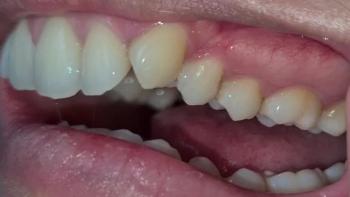
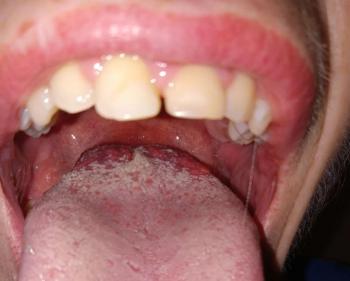
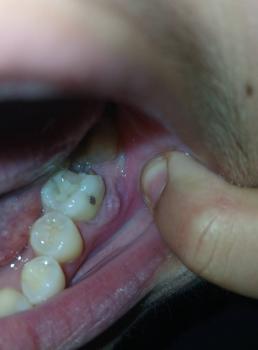
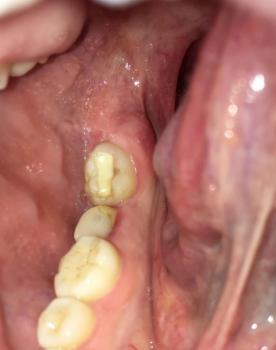
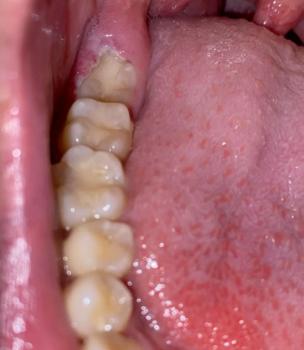
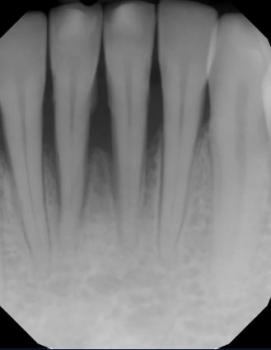
Patients with lower front gum inflammation may also experience tartar buildup, periodontal disease, gum abscesses, or tooth decay. Explore these related clinical case studies.

Other topics:
Other Dental Clinic