Your Smile, Perfected with Precision.

Holiday Jaw Pain or Heart Alert? What Your Christmas Discomfort Might Mean
Language :

Topics:
Your Holiday Smile & Health Guide: Navigating Jaw Pain This Christmas
This the season for feasting, treats, and joyous gatherings—but for many, it’s also a season of unexpected aches. While indulging in festive favorites, it’s not uncommon to experience jaw soreness, especially after crunching through hard candies, nuts, toffee, or crusty holiday baked goods.
But not all jaw pain is created equal. Some discomfort is simply a sign of overuse—what dentists call “holiday jaw.” Other times, jaw pain, especially when combined with other symptoms, can be something far more serious.
Let’s unwrap the differences so you can enjoy the season safely and know when to seek help.
Part 1: The "Holiday Jaw" – When Too Much Chewing Takes Its Toll
You’ve been nibbling all day: gingerbread cookies, caramel popcorn, roasted chestnuts, and that endless bowl of hard candy. By evening, your jaw feels stiff, sore, or even clicks when you chew. Sound familiar?
This is often a case of temporary strain on your temporomandibular joint (TMJ) and muscles. The TMJ is the hinge connecting your jaw to your skull. Overworking it with excessive, hard, or chewy foods can lead to:
-
Muscle fatigue and soreness
-
Jaw stiffness, especially in the morning
-
Clicking or popping sounds
-
Sometimes even a headache or earache
Quick Tips for “Holiday Jaw” Relief:
-
Give your jaw a break: Stick to softer foods for a meal or two.
-
Avoid extreme chewing: Skip the hard candies, ice, and tough meats.
-
Practice gentle stretches: Slowly open and close your mouth, and move your jaw side to side gently.
-
Use a warm compress: Apply for 10-15 minutes to relax tense muscles.
-
Be mindful: Try not to clench your jaw when stressed (common during busy holidays!).
If this type of jaw pain persists long after the holidays, it’s wise to consult your dentist to rule out a TMJ disorder.
Part 2: A Critical Holiday Health Alert – When Jaw Pain Is a Heart Warning
This next point is vital, especially for women: Not all jaw pain is from chewing.
Jaw pain, particularly when combined with chest, neck, or back discomfort, can be a sign of a heart attack. According to the American Heart Association, women are more likely than men to experience “atypical” heart attack symptoms that don’t include the classic “crushing chest pain.”
Why does heart pain show up in the jaw?
This is due to referred pain. The nerves that serve the heart and those that serve the jaw, neck, and upper back share pathways to the brain. When the heart is distressed, the brain can misinterpret the signal as pain coming from these other areas.
Recognize the Signs of a Cardiac Emergency:
Heart-related jaw pain often feels like:
-
Pressure, tightness, or a dull ache (not necessarily sharp pain)
-
Pain that may radiate from the chest up to the jaw, neck, or shoulders
-
A sense of “fullness,” squeezing, or discomfort in the center of the chest
If jaw pain occurs with ANY of the following, call 911 immediately:
-
Chest discomfort (pressure, squeezing, pain)
-
Shortness of breath
-
Nausea or cold sweats
-
Unusual, profound fatigue
-
Lightheadedness
-
Pain in one or both arms, the back, neck, or stomach
Do not wait. Do not drive yourself. Every minute counts.
Your Holiday Wellness Checklist:
-
Enjoy in Moderation: Savor the treats, but mix in softer foods to give your jaw a rest.
-
Listen to Your Body: Distinguish between muscular soreness and unusual, persistent pain.
-
Know the Red Flags: Jaw + chest discomfort = a potential medical emergency.
-
Share This Knowledge: Women, older adults, and those with risk factors (high blood pressure, diabetes, high cholesterol) should be especially vigilant.
This Christmas, let’s prioritize both our joyous celebrations and our health. By being mindful of what our bodies are telling us, we can ensure the season remains merry, bright, and safe for everyone.
Disclaimer: This blog post is for informational purposes only and does not constitute medical advice. Always consult with your healthcare provider or dentist for any health concerns, and in case of a medical emergency, call 911 immediately.
Wishing you a healthy, happy, and pain-free holiday season!
Your Dental Health Partners – Committed to your smile and your overall well-being.
Looking for dentist : Visit directory list
Related Clinical Cases
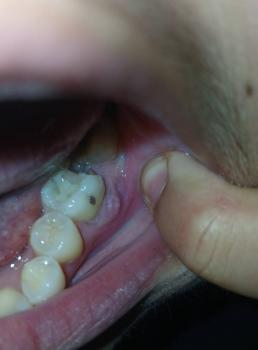
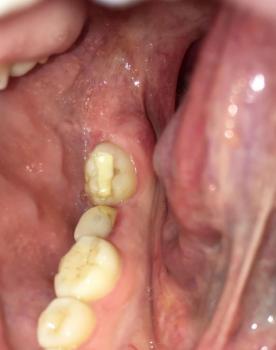
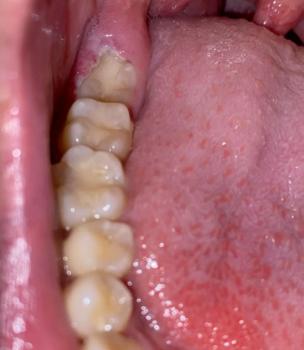
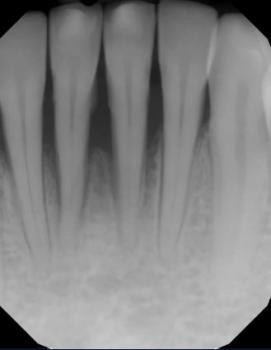
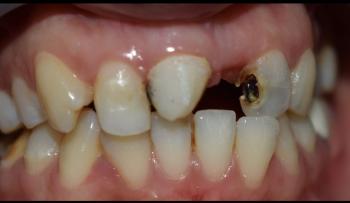
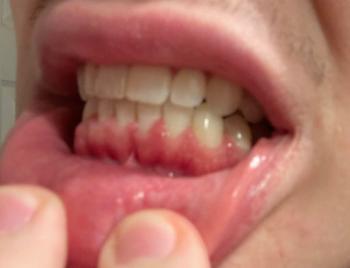
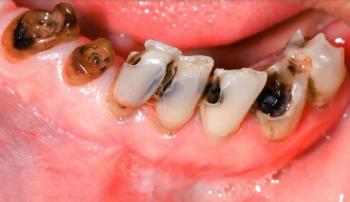
Patients with lower front gum inflammation may also experience tartar buildup, periodontal disease, gum abscesses, or tooth decay. Explore these related clinical case studies.
Other topics:
Other Dental Clinic