We Bring Back the Sparkle in Your Smile.

Power Down to Protect Your Brain: Why Your Phone Shouldn't Sleep Beside You
Language :
Topics:
Sleeping with Your Phone? Why Distance is Your Friend for a Healthier Brain
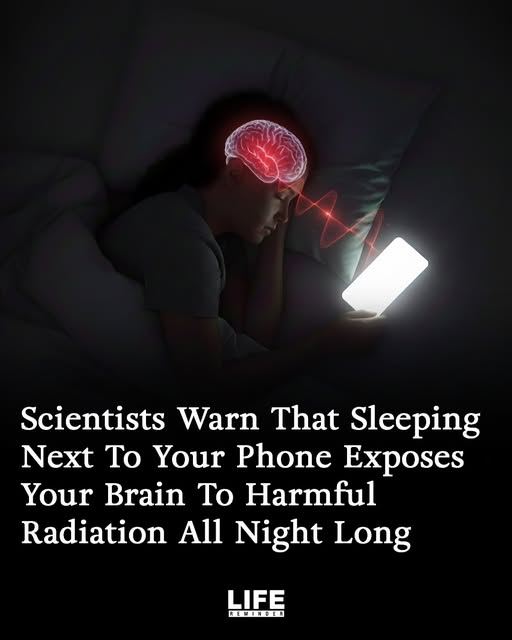
Do you charge your phone on your bedside table or even tuck it under your pillow? For many Filipinos, our mobile phones are the last thing we check at night and the first thing we reach for in the morning. While we focus on screen time's impact on our eyes and sleep cycles, a growing area of scientific discussion focuses on something we can't see or feel: the low-level radiofrequency (RF) energy our devices emit, even when we're not using them.
The question of whether this exposure affects our health, particularly our brain health, is complex and sometimes confusing. This blog aims to clarify the science, separate fact from fear, and provide you with simple, practical steps to minimize your exposure and take a precautionary approach to your family's well-being.
The Science Behind the Signals: What We Know
Your phone communicates by sending and receiving radiofrequency electromagnetic fields (RF-EMF). This is a form of non-ionizing radiation, different from the stronger, DNA-damaging ionizing radiation of X-rays.
The scientific community is actively researching the long-term biological effects of this everyday exposure. Here’s a snapshot of the key findings and ongoing debate:
-
Animal Studies Show Biological Effects: Some laboratory studies on animals have reported observable changes. For instance, a 2015 study on rats found that prolonged exposure to 900 MHz RF-EMF (a frequency used by mobile networks) was associated with damage to the blood-brain barrier—a protective filter for the brain—and impaired spatial memory. Other reviews of animal studies have noted potential links to effects on neurons, sperm quality, and oxidative stress
-
Human Health Data Presents a Complex Picture: Large-scale reviews of human population studies have not found a consistent, clear link between cell phone use and major health outcomes like brain cancer
- . In fact, U.S. public health data shows that rates of brain cancer have not increased despite the massive rise in cell phone use over recent decades
-
A Precautionary Consensus on "Distance": Despite differing interpretations of the risk, a clear point of agreement among researchers and health agencies is that distance significantly reduces exposure
-
The energy from your phone weakens rapidly the further it is from your body.
Why Nighttime Exposure Raises Specific Concerns
Keeping your phone close at night may be particularly worth reconsidering for two main reasons:
-
Prolonged, Close-Range Exposure: While a short call holds the phone close to your head, sleeping with it nearby means several hours of continuous exposure to a source mere centimeters from your brain and body.
-
The Brain's Critical Recovery Phase: Sleep is when your brain clears metabolic waste and consolidates memory
. Some researchers hypothesize that external stressors during this sensitive period could be disruptive, even if the mechanisms are not yet fully understood.
Simple, Smart Habits for Every Filipino Household
You don't need special gadgets or to give up your phone. Based on recommendations from various public health sources, you can take control with these easy steps:
| Habit | How It Helps | Simple Action for Tonight |
|---|---|---|
| Create Distance at Night | This is the single most effective step. RF energy weakens dramatically with distance. | Charge your phone across the room, on a dresser or desk, not your bedside table. |
| Use Airplane Mode | This function turns off the phone's wireless transmitting antennas (cellular, Wi-Fi, Bluetooth) |
| . | Turn on Airplane Mode before you sleep. You can still use your alarm! | |
| Favor Wired Connections | Opting for wired headsets or speakerphone keeps the device away from your head. | Use speakerphone or wired headphones for long calls instead of holding the phone to your ear. |
| Be Mindful of Carry Habits | Carrying a phone in a pocket or bra keeps it in direct, prolonged contact with the body. | Carry your phone in a bag or backpack instead of a pocket when possible. |
| Model & Teach Safe Use | Children's developing brains and thinner skulls may absorb more RF energy |
| . | Encourage kids to text or video call on a tablet placed on a table, and keep devices out of their bedrooms at night. |
Navigating the Information: A Balanced View
It's important to acknowledge that scientific opinions on the health risks of RF-EMF are not uniform. Reputable bodies like the U.S. FDA and the WHO have stated that, based on current evidence, no adverse health effects have been proven.
However, other scientists and groups argue that the existing safety guidelines are outdated and that a precautionary approach is warranted, especially for children. The International Agency for Research on Cancer (IARC) classifies RF-EMF as a "possible carcinogen" (Group 2B), a category that indicates more research is needed.
You don't have to wait for final, definitive scientific proof to make cautious choices. The habits listed above—centered on increasing distance—are simple, cost nothing, and align with the common-sense advice from a wide spectrum of research.
Think of it like wearing sunscreen. We use it not because every moment in the sun causes cancer, but because we understand cumulative exposure matters and taking simple precautions is a wise part of long-term health.
Make a small change tonight. Move your phone charger just three steps away from your pillow. Let your brain rest in a space of minimal distraction, and wake up truly refreshed.
Looking for dentist : Visit directory list
Related Clinical Cases
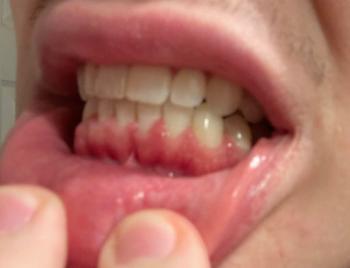
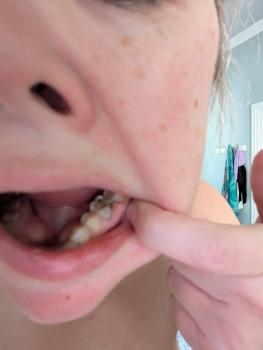
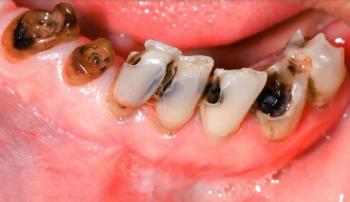
Patients with lower front gum inflammation may also experience tartar buildup, periodontal disease, gum abscesses, or tooth decay. Explore these related clinical case studies.



Other topics:
Other Dental Clinic
 |
 |
 |
 |



