Strong Teeth, Fresh Breath, Brighter You.

Does Dental Insurance Cover Dental Implants in California? A Clear, Expert Guide to Coverage, Costs, and Smart Planning
Language :

Dental implants are widely considered the best long-term solution for missing teeth—but they also come with a significant price tag. In California, many patients ask the same question before committing:
“Will my dental insurance cover implants?”
The short answer: sometimes—but rarely in fulle.
In the United States, and especially in California, dental insurance coverage for implants is often limited, conditional, or partially reimbursed. Understanding how it works can save you thousands of dollars and help you plan treatment more effectively.
This guide breaks down everything you need to know.
What Are Dental Implants?
Dental implants are titanium posts surgically placed into the jawbone to support replacement teeth.
Components of an Implant
- Implant post (placed in bone)
- Abutment (connector)
- Crown or prosthetic tooth
For full mouth restoration, implants may support:
- All-on-4
- All-on-6
- Full arch bridges
The Reality of Dental Insurance Coverage
In California, most dental insurance plans fall into three categories:
1. Plans That Do Not Cover Implants
Many traditional plans classify implants as:
- Cosmetic procedures
- Elective treatments
Result: no coverage at all
2. Plans That Partially Cover Implants
Some modern plans provide limited coverage for:
- Implant placement (partial)
- Abutments
- Crowns (often covered as a standard restoration)
Coverage typically ranges from 10% to 50%
3. Plans That Cover Alternatives Instead
Some insurers won’t cover implants but will cover:
- Dentures
- Bridges
This is called a “least expensive alternative treatment” clause
Typical Coverage Limits in California
Even when implants are covered, there are limits:
- Annual maximum: $1,000 to $2,500
- Waiting periods: 6 to 12 months
- Lifetime implant caps (in some plans)
Considering implants can cost $3,000 to $6,000 per tooth or $50,000+ for full mouth, insurance only offsets a small portion.
Why Insurance Coverage Is Limitede
From a policy standpoint, insurance companies consider:
- Implants as advanced procedures
- Higher cost compared to traditional treatments
- Long-term vs short-term necessity
As a result, coverage policies remain conservative—even in progressive states like California.
Medical Insurance vs Dental Insurance
Here’s something many patients overlook:
Medical Insurance May Cover Certain Cases
In the United States, medical insurance might contribute if implants are needed due to:
- Accidents or trauma
- Oral cancer reconstruction
- Congenital conditions
However, this requires:
- Medical necessity documentation
- Pre-authorization
Out-of-Pocket Costs in California
Average Costs
- Single implant: $3,000 to $6,000
- Full mouth implants: $50,000 to $90,000+
Even with insurance, patients often pay 70% to 90% out-of-pocket.
How to Maximize Your Insurance Benefits
1. Review Your Policy Carefully
Look for:
- Implant coverage percentage
- Annual maximum
- Waiting periods
2. Use Annual Maximum Strategically
If your plan resets yearly:
- Split treatment across two calendar years
- Maximize benefits twice
3. Combine Medical and Dental Claims
In qualifying cases:
- Use medical insurance for surgery
- Use dental insurance for prosthetics
4. Choose an In-Network Provider
This can reduce:
- Procedure costs
- Out-of-pocket expenses
5. Ask for a Pre-Treatment Estimate
Before starting:
- Request a breakdown from your dentist
- Submit to insurance for approvall
Alternative Ways to Afford Implants
Since insurance is limited, many patients use:
Financing Options
- Monthly payment plans
- Third-party financing (CareCredit)
- In-house clinic financing
Health Savings Accounts (HSA/FSA)
You can use pre-tax dollars to pay for implants.
Dental Tourism
Some patients consider treatment abroad, such as in the Philippines.
| Location | Full Mouth Cost |
|---|---|
| California | $50,000 to $90,000+ |
| Philippines | $12,000 to $25,000 |
Savings can exceed $30,000.
Expert Insight: What Matters Beyond Insurance
As a dental professional, I often tell patients:
“The insurance should guide your planning—but not define your treatment.”
Because:
- Cheaper alternatives may not last as long
- Implants offer better function and durability
- Long-term value often outweighs short-term savings
Common Mistakes Patients Make
- Assuming implants are fully covered
- Not checking annual limits
- Ignoring waiting periods
- Choosing treatment based only on insurance
When Are Implants Worth It?
Implants are often worth considering if:
- You want a permanent solutione
- You value long-term durability
- You want improved quality of life
FAQ: Dental Insurance and Implants in California
1. Does dental insurance fully cover implants?
No. Most plans only provide partial coverage or none at all.
2. Can medical insurance cover implants?
Yes, but only in specific cases involving medical necessity.
3. How much will I pay out-of-pocket?
Typically 70% to 90% of the total cost.
4. Are implants better than bridges or dentures?
In many cases, yes. They are more durable and natural-feeling.
5. Can I combine multiple insurance plans?
Yes. Coordination of benefits may increase coverage.
Related Topics
1. Cost of Full Mouth Dental Implants in California
Understand total pricing and what affects it.
2. All-on-4 vs Traditional Implants
Compare cost, treatment time, and outcomes.
3. Dental Financing Options Explained
Learn how to manage large treatment costs.
Short Success Story
Emily, a 45-year-old marketing professional in California, had been struggling with missing teeth for years. It affected her confidence in meetings and even simple conversations.
When her dentist recommended dental implants, she was excited—until she checked her insurance.
There was no full coverage. Only a small portion would be reimbursed.
At first, she felt discouraged. The total cost was far beyond what she expected.
But instead of giving up, Emily decided to understand her options.
She reviewed her insurance plan carefully, worked with her dentist to submit a pre-treatment estimate, and discovered that while implants weren’t fully covered, parts of the procedure—like the crown—were partially reimbursed.
She also used her HSA and opted for a monthly financing plan.
Step by step, the treatment became manageable.
The procedure went smoothly, and within months, Emily had a complete, natural-looking smile.
But the biggest change wasn’t just physical.
She spoke more confidently. Smiled more often. Felt more comfortable in both personal and professional settings.
Looking back, Emily said:
“I stopped focusing on what insurance wouldn’t cover and started focusing on what I needed.”
Her story shows that while insurance helps, it does not define your options.
Final Thoughts
Dental insurance in California offers limited support for implants, but understanding how it works allows you to plan strategically.
“The goal isn’t just coverage—it’s achieving a lasting, healthy result.”
Whether through insurance, financing, or alternative options, the right approach can make dental implants accessible and life-changing.
Can tooth extraction cause infection? Mild inflammation is normal, but increasing swelling, fever, or severe pain may indicate infection. Learn more about post-extraction infection warning signs in this detailed guide.
Book a consultation with our Cebu dental specialists for proper evaluation and care.
Ready to get expert guidance?
If you’re experiencing severe pain or delayed healing, book a consultation with our Cebu dental specialists to get proper evaluation and care.
Consultation or contact page .
Book a Consultation
For severe discomfort or delayed healing, book a consultation with our Cebu dental specialists today.
Looking for a dentist? Browse our Cebu dental directory to find trusted clinics near you.
Medical Review and Clinical Basis
This article is based on clinical dental guidelines and real patient recovery patterns observed after tooth extraction procedures. The information reflects common post-extraction healing stages, including normal clot formation, gum tissue repair, and signs of possible complications such as dry socket or infection.
While mild discomfort is expected after a dental extraction, worsening pain after Day 3, bad odor, exposed bone, or spreading pain may require professional evaluation. These symptoms are consistent with known post-extraction complications described in standard dental practice.
About Cebu Dental Implants
Cebu Dental Implants provides comprehensive tooth extraction, surgical procedures, and dental implant services in the Philippines. Our team evaluates post-extraction healing, manages complications such as dry socket, and advises patients on proper aftercare to prevent infection and delayed healing.
If you experience severe pain or unusual symptoms after extraction, early professional assessment is recommended to prevent further complications.
Important Medical Disclaimer
This content is for educational purposes only and does not replace professional dental diagnosis. Every patient heals differently. If symptoms worsen or do not improve within a few days, consult a licensed dentist for proper evaluation and treatment.
Author
This article was prepared by the Cebu Dental Implants content team in consultation with licensed dental professionals experienced in tooth extraction and implant procedures.
Related Clinical Cases
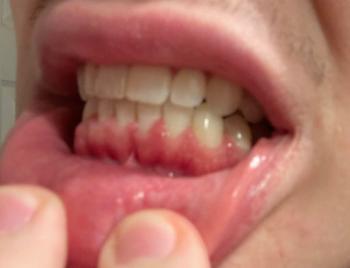
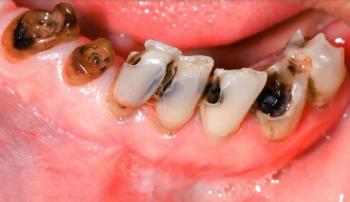
Patients with lower front gum inflammation may also experience tartar buildup, periodontal disease, gum abscesses, or tooth decay. Explore these related clinical case studies.