Modern Dentistry, Timeless Smiles.

Tooth Extraction & Healing Guide: What to Expect, How to Heal Faster (From a Washington Bone Graft Expert)
Language :
Topics:
By a Washington-based dental implant and bone graft specialist
Introduction: Extraction Is the Beginning, Not the End
In my clinical practice in Washington, I often meet patients who think tooth extraction is a quick, one-day event. In reality, what happens after the extraction is far more important than the procedure itself.
Healing determines:
- Whether you develop complications
- Whether you’ll need a bone graft later
- Whether you qualify for dental implants
This guide gives you a medical-grade, step-by-step understanding of tooth extraction healing, including timelines, risks, and expert strategies to recover properly.
What Happens During a Tooth Extraction?
A tooth extraction involves removing the tooth from its socket in the jawbone. This can be:
Simple Extraction
- Performed on visible teeth
- Minimal trauma
- Faster healing
Surgical Extraction
- Required for impacted or broken teeth
- Involves incision and sometimes bone removal
- Longer healing time
After removal, your body immediately begins forming a blood clot in the socket—this is the foundation of healing.
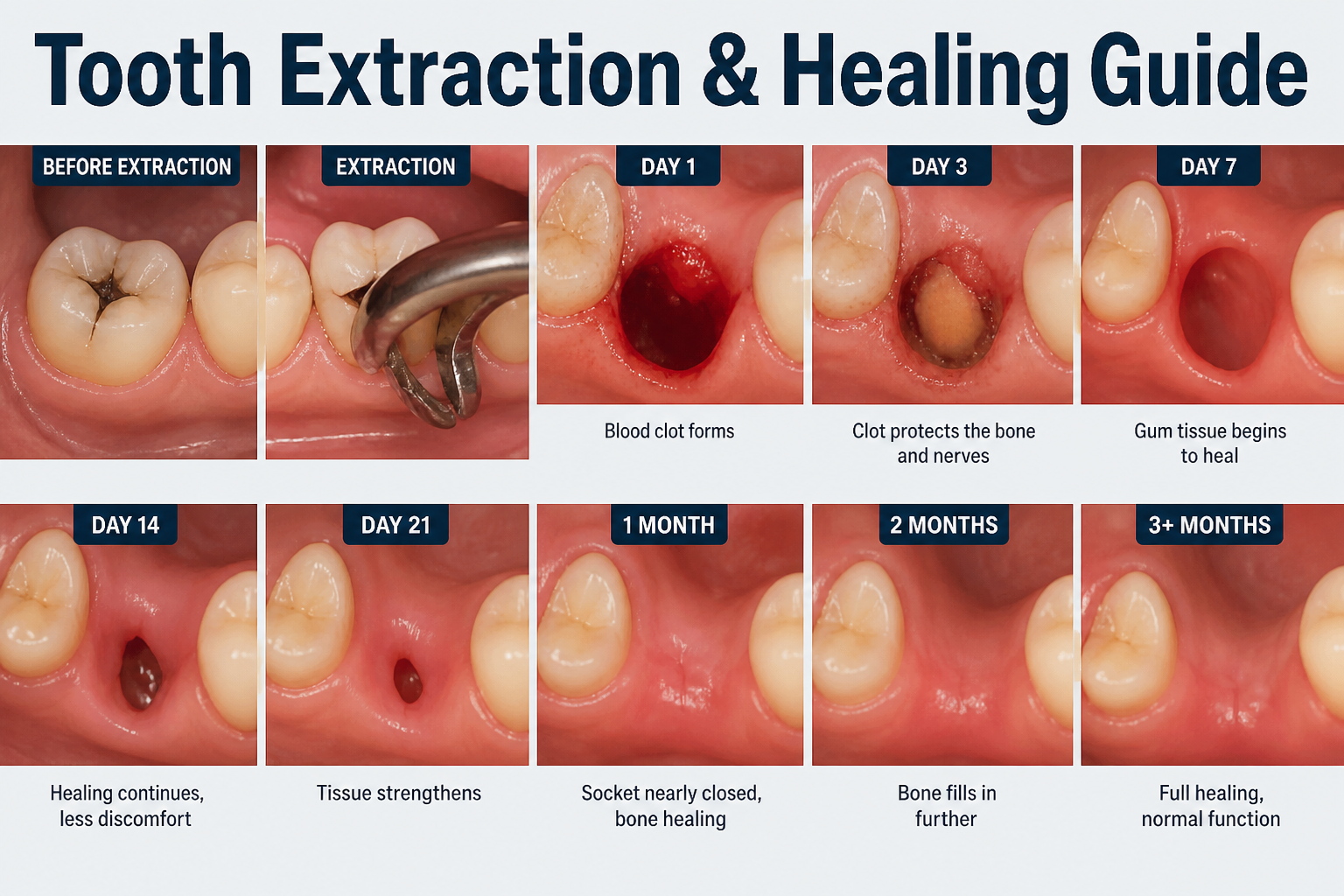
The Tooth Extraction Healing Timeline
Healing is a biological process that unfolds in stages.
First 24 Hours: Blood Clot Formation
This is the most critical phase.
What happens:
- Blood clot forms in the socket
- Bleeding slows down
- Initial inflammation begins
Why it matters:
The clot protects bone and nerves. If it’s lost, complications like Dry Socket can occur.
Days 2–3: Early Healing
- Swelling peaks
- Mild discomfort continues
- Tissue repair begins
Patients often feel better—but healing is still fragile.
Days 4–7: Tissue Closure
- Gum tissue starts closing
- Pain significantly reduces
- Risk of dry socket decreases
Week 2: Surface Healing
- Gum mostly healed
- Minimal discomfort
- Return to normal routine
Weeks 3–4: Bone Healing Begins
- Bone starts filling the socket
- Internal healing continues
Months 2–4: Bone Remodeling
- Bone density improves
- Socket fully stabilizes
This stage is crucial if you’re planning dental implants.
Why Healing Properly Matters (Implant Perspective)
From a bone graft and implant standpoint, improper healing can lead to:
- Bone loss
- Need for grafting
- Delayed implant placement
In many cases, we perform socket preservation grafts immediately after extraction to maintain bone volume.
Pain, Swelling, and What’s Normal
Normal Symptoms
- Mild to moderate pain
- Swelling (peaks at 48–72 hours)
- Slight bleeding
Not Normal
- Severe pain after 3–5 days
- Bad taste or odor
- Visible bone in socket
These may indicate complications.
How to Prevent Dry Socket
Dry socket is one of the most common complications.
Causes
- Smoking
- Using straws
- Spitting forcefully
- Poor aftercare
Prevention Tips
- Keep clot intact
- Avoid suction movements
- Follow post-op instructions strictly
Essential Aftercare Instructions
First 24 Hours
Do:
- Bite on gauze
- Rest
- Apply cold compress
Don’t:
- Rinse aggressively
- Smoke
- Drink through a straw
Days 2–7
- Begin warm saltwater rinses
- Eat soft foods
- Maintain gentle oral hygiene
Week 2+
- Resume normal brushing
- Continue good hygiene
- Monitor healing
Best Foods for Healing
Recommended
- Yogurt
- Eggso
- Mashed potatoes
- Soup
- Smoothies
Avoid
- Hard foods
- Crunchy snacks
- Sticky foods
- Spicy foods
Nutrition supports tissue regeneration and immune response.
Tooth Extraction with Bone Graft
In modern dentistry, we often combine extraction with bone grafting.
Benefits
- Preserves bone structure
- Prepares for implants
- Reduces future procedures
Healing Timeline
- Initial healing: 1–2 weeks
- Bone integration: 3–6 months
When Can You Return to Normal Activities?
Work
- Most patients return within 1–3 days
Exercise
- Avoid for 3–5 days
- Resume gradually
Travel
- Safe after a few days, but follow-up is important
Real Case Insighte(Washington Practice)
A patient delayed treatment after extraction and ignored aftercare instructions.
Result:
- Developed dry socket
- Experienced severe pain
- Lost significant bone
We later needed a complex bone graft before implants.
Lesson:
Healing is not automatic—it requires proper care.
Medical Perspective: Healing Is a Biological Process
From a clinical standpoint, healing depends on:
- Blood clot stability
- Infection control
- Tissue regeneration
Any disruption can delay or compromise recovery.
Common Mistakes Patients Make
- Smoking too soon
- Eating hard foods early
- Skipping medications
- Ignoring follow-up visits
These mistakes are avoidable—and often lead to complications.
When to Considero Dental Implants After Extraction
Timing depends on your condition:
Immediate Implant
- Placed same day as extraction
- Requires strong bone
Delayed Implant
- After 2–4 months healing
- Most common approach
With Bone Graft
- Wait 3–6 months
Your dentist will recommend the safest option.
FAQ: Tooth Extraction & Healing
How long does it take to heal after a tooth extraction?
Initial healing takes 1–2 weeks, full bone healing takes several months.
What is dry socket?
A painful condition where the blood clot is lost, exposing bone.
Can I eat normally after extraction?
Soft foods for the first week, then gradual return to normal diet.
Is swelling normal?
Yes, especially within the first 72 hours.
When can I brush my teeth?
Immediately, but avoid the extraction site initially.
Do I always need a bone graft?
Not always, but it’s often recommended for implant preparation.
When should I call my dentist?
If you experience severe pain, swelling, or signs of infection.
Related Topics You Should Explore
1. Dental Implant Healing Time Guide
Understand the full timeline from implant placement to final crowen.
2. Bone Graft Cost Before Dental Implants
Learn how grafting affects your treatment plan and budget.
3. Dental Implant Aftercare Guide
Protect your implant with proper long-term care.
Final Thoughts from a Washington Expert
Tooth extraction is not just about removing a tooth—it’s about managing the healing process correctly.
From my experience in Washington, patients who follow proper aftercare:
- Heal faster
- Avoid complications
- Maintain better bone structure
- Qualify for implants more easilye
If there’s one takeaway:
Respect the healing process.
It’s the difference between a smooth recovery—and a complicated one.
Can tooth extraction cause infection? Mild inflammation is normal, but increasing swelling, fever, or severe pain may indicate infection. Learn more about post-extraction infection warning signs in this detailed guide.
Book a consultation with our Cebu dental specialists for proper evaluation and care.
Ready to get expert guidance?
If you’re experiencing severe pain or delayed healing, book a consultation with our Cebu dental specialists to get proper evaluation and care.
Consultation or contact page .
Book a Consultation
For severe discomfort or delayed healing, book a consultation with our Cebu dental specialists today.
Looking for a dentist? Browse our Cebu dental directory to find trusted clinics near you.
Medical Review and Clinical Basis
This article is based on clinical dental guidelines and real patient recovery patterns observed after tooth extraction procedures. The information reflects common post-extraction healing stages, including normal clot formation, gum tissue repair, and signs of possible complications such as dry socket or infection.
While mild discomfort is expected after a dental extraction, worsening pain after Day 3, bad odor, exposed bone, or spreading pain may require professional evaluation. These symptoms are consistent with known post-extraction complications described in standard dental practice.
About Cebu Dental Implants
Cebu Dental Implants provides comprehensive tooth extraction, surgical procedures, and dental implant services in the Philippines. Our team evaluates post-extraction healing, manages complications such as dry socket, and advises patients on proper aftercare to prevent infection and delayed healing.
If you experience severe pain or unusual symptoms after extraction, early professional assessment is recommended to prevent further complications.
Important Medical Disclaimer
This content is for educational purposes only and does not replace professional dental diagnosis. Every patient heals differently. If symptoms worsen or do not improve within a few days, consult a licensed dentist for proper evaluation and treatment.
Author
This article was prepared by the Cebu Dental Implants content team in consultation with licensed dental professionals experienced in tooth extraction and implant procedures.
Related Clinical Cases
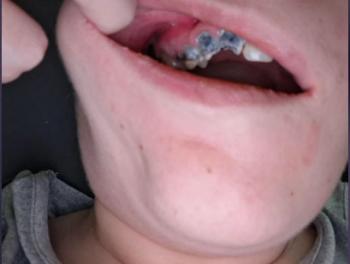
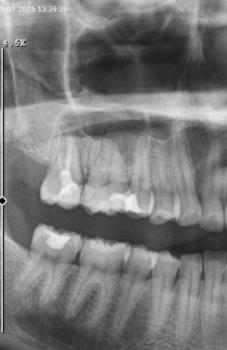
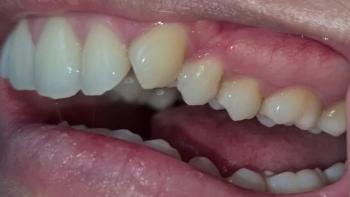
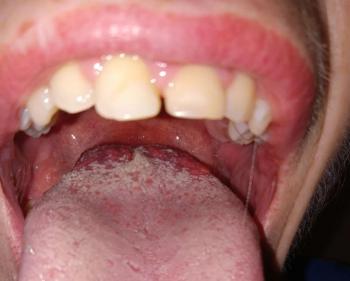
Patients with lower front gum inflammation may also experience tartar buildup, periodontal disease, gum abscesses, or tooth decay. Explore these related clinical case studies.



Other topics:
Other Dental Clinic