Strong Teeth, Fresh Breath, Brighter You.

How Long Does a Tooth Extraction Take to Heal? Complete Timeline Explained
Image:
Severity:
Teeth Problems:
How Long Does Tooth Extraction Take to Heal? (Expert Timeline)
From a clinical perspective (similar to protocols followed by bone graft specialists), healing follows a predictable biological sequence:
0–24 Hours: Blood Clot Formation
- The socket fills with a protective blood clot
- Mild bleeding and oozing are normal
- The clot is essential to prevent dry socket (alveolar osteitis)
What matters:
Do not rinse aggressively, spit, or smoke, as this can dislodge the clot.
Day 2–3: Inflammation and Early Repair
- Swelling typically peaks
- Mild to moderate pain and jaw stiffness
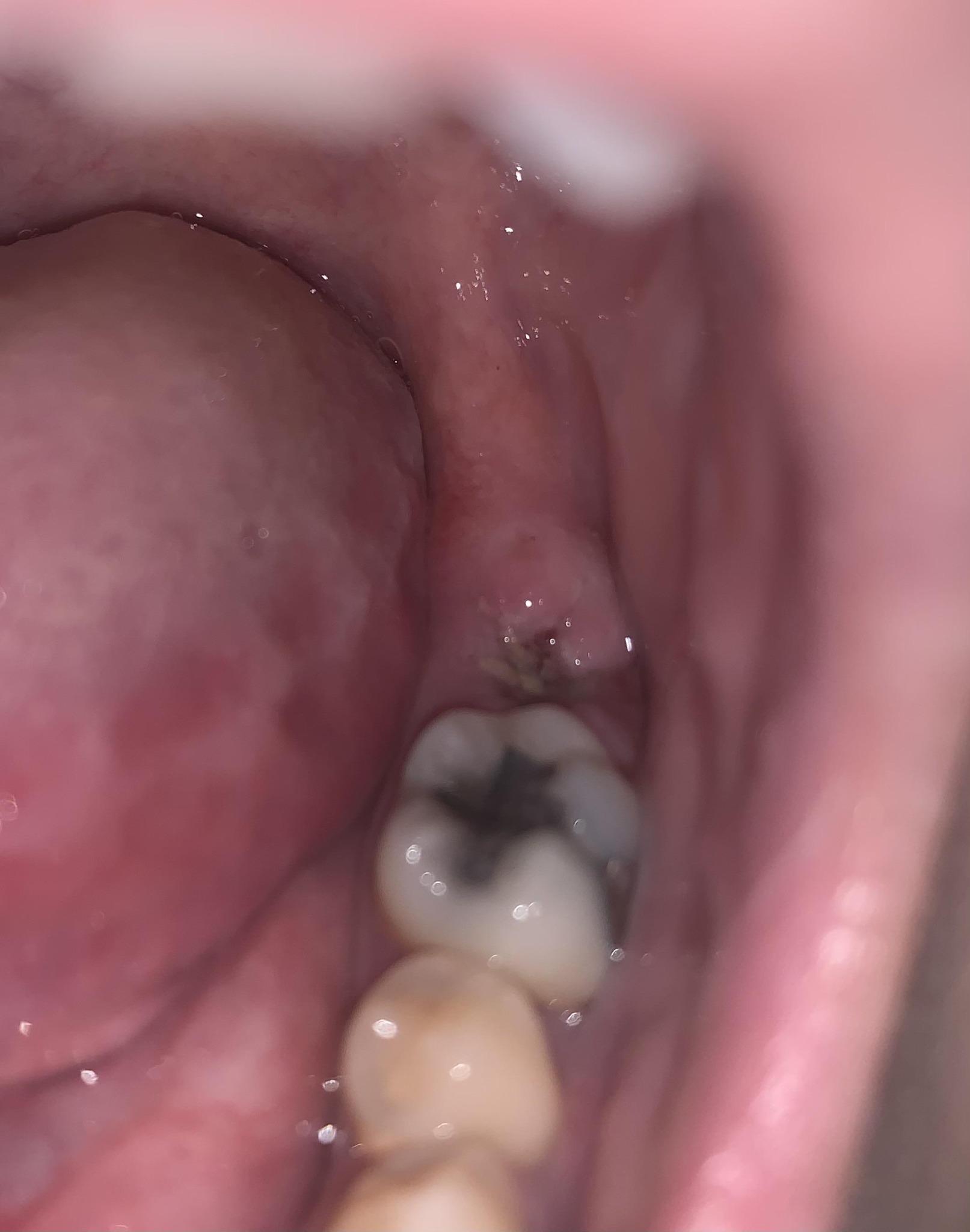
- A white or yellow layer may appear, which is normal fibrin (not pus)
Warning sign:
Severe throbbing pain may indicate dry socket.
Day 4–7: Soft Tissue Healing
- The gum begins closing over the socket
- Pain significantly decreases
- Soft foods are usually tolerated
Week 2: Tissue Stabilization
- Gum appears mostly healed
- Minimal discomfort
- Bone remodeling begins underneath
Week 3–4: Surface Healing Complete
- Gum is typically fully closed
- Normal eating can resume in most cases
1–3 Months: Bone Healing Phase
- Internal bone fills the socket
- Important stage if planning implants or bone grafting
3–6 Months: Full Bone Maturity
- Bone becomes dense and stable
- Ideal timing for dental implant placement
When to Worry (Red Flags)
- Bleeding that continues beyond 24 hours
- Severe pain after day 3
- Swelling that worsens instead of improving
- Fever or foul taste in the mouth
Expert Insight (Bone Graft Perspective)
In more advanced cases such as bone graft procedures:
- Healing can take 4 to 6 months
- Preserving the blood clot is critical
- Follow-up evaluation may be needed before implant placement
Understanding Tooth Extraction Healing: A Day-by-Day Guide
Recovering after tooth extraction involves more than waiting for the gum to close. The body must form a protective blood clot, repair the soft tissue, and gradually rebuild the underlying bone. Understanding these stages helps patients recognize normal recovery and identify complications that need professional attention.
Healing varies according to the type of tooth removed, the difficulty of the extraction, the patient's general health, and whether the procedure involved surgery. A simple extraction may recover faster than an impacted wisdom tooth or a molar requiring bone removal.
What Happens During Each Stage of Healing?
First 24 hours: Blood clot formation
A blood clot develops inside the empty tooth socket. It protects the underlying tissue and provides a foundation for healing. Mild bleeding or blood-tinged saliva, tenderness, and early swelling can occur.
Avoid forceful rinsing, vigorous spitting, smoking, vaping, drinking through a straw, or touching the socket. These actions may disturb the clot and increase the risk of bleeding or dry socket.
Days 2–3: Inflammation and early repair
Pain, jaw stiffness, and swelling may become more noticeable during the first two to three days. This does not automatically mean that the socket is infected.
The important sign is the overall trend. Symptoms should generally begin to stabilize and improve after the early postoperative period. Worsening pain or swelling after initial improvement deserves dental assessment.
Days 4–7: Gradual improvement
For many patients, discomfort decreases and eating becomes easier. The gum begins covering the wound, although the socket may still appear open.
A painful complication called dry socket can develop during this period, commonly around days 3–5. Severe or increasing throbbing pain, sometimes spreading toward the ear or temple, may occur with an unpleasant taste or bad breath. Contact your dentist if these symptoms develop.
Days 7–14: Soft-tissue healing
Many uncomplicated extraction sites feel substantially better within one to two weeks. The gum continues to repair itself, and dissolvable stitches may loosen or disappear during this period.
However, a visible hole or depression may remain. Its appearance alone does not prove that healing has failed.
Weeks to months: Bone healing and remodeling
Although the gum may heal relatively quickly, the bone beneath it takes longer to fill in and remodel. This process may continue for several months, depending on the extraction and the individual.
Patients considering a dental implant may require additional assessment to determine whether sufficient bone is present and when implant placement is appropriate.
How Can You Tell Whether Your Extraction Is Healing Normally?
Signs that generally support normal healing include:
-
Pain that gradually decreases rather than progressively worsening.
-
Swelling that settles after the first few days.
-
Minor blood-tinged saliva shortly after extraction.
-
A socket that remains visible while the surrounding gum gradually repairs.
-
Improving ability to eat, speak, and open the mouth.
These signs are reassuring but cannot confirm healing with certainty. Your dentist may need to examine the socket, particularly after a difficult extraction or if symptoms persist.
Warning Signs That Should Not Be Ignored
Contact your dentist promptly if you experience:
-
Severe or increasing pain, particularly after initial improvement.
-
Swelling that continues to worsen after the first few days.
-
Fever, pus, or a persistent foul taste accompanied by worsening symptoms.
-
Bleeding that continues despite firm, uninterrupted pressure with clean gauze.
-
Persistent numbness or tingling after the expected anesthetic effect has worn off.
Seek emergency medical care if you develop difficulty breathing or swallowing, rapidly spreading facial or neck swelling, or swelling that threatens the airway.
Practical Ways to Support Healing
Follow the specific instructions provided by your treating dentist. General aftercare includes:
-
Rest during the first 24 hours and avoid strenuous exercise.
-
Eat soft foods and chew away from the extraction site when possible.
-
Avoid smoking and vaping, particularly during the early healing period.
-
Do not rinse vigorously on the day of extraction. From the following day, gently rinse with warm salt water if your dentist has not advised otherwise.
-
Brush your teeth carefully while avoiding direct trauma to the socket.
-
Use pain medication only as directed by your dentist or according to appropriate product instructions and your medical circumstances.
Antibiotics are not routinely necessary after every extraction. They should be used when clinically indicated and prescribed by a qualified healthcare professional.
Frequently Asked Questions About Tooth Extraction Healing
1. How many days does it take for a tooth extraction to heal completely?
Many uncomplicated extraction sites improve substantially within 7–14 days. However, complete healing of the underlying bone takes considerably longer and may continue for several months. Surgical extractions can require additional recovery time.
2. Is it normal to have pain three days after tooth extraction?
Yes. Pain and swelling may peak during the first 48–72 hours. They should generally start improving afterward. Severe or increasing pain, especially after initial improvement, should be evaluated for dry socket or another complication.
3. How long does swelling last after tooth extraction?
Swelling commonly increases during the first two to three days and then gradually subsides over approximately 5–7 days. More complex surgery may cause swelling for longer. Increasing swelling, fever, or difficulty swallowing requires prompt assessment.
4. How do I know if my tooth extraction site is infected?
Warning signs include worsening swelling, increasing pain, fever, pus, or a persistent unpleasant taste accompanied by other symptoms. These signs do not establish a diagnosis by themselves, so a dentist should examine the area.
5. What is the difference between dry socket and a dental infection?
Dry socket occurs when the protective blood clot breaks down or is lost prematurely, exposing sensitive underlying tissue. It commonly causes significant pain a few days after extraction. An infection may cause worsening swelling, pus, fever, or spreading symptoms. The conditions can overlap in their symptoms and require professional assessment.
6. Is it normal for the tooth socket to look like a hole after one week?
Yes. The socket can remain visibly open while the gum repairs itself. The size and appearance of the opening vary with the tooth and procedure. Increasing pain, swelling, or other warning signs matter more than the hole's appearance alone.
7. When can I eat normally after tooth extraction?
Begin with soft foods and progress as comfort improves. Many people gradually return to their usual diet over several days, but difficult extractions may require longer. Avoid hard, crunchy, sharp, or very hot foods that could irritate the area, and follow your dentist's instructions.
8. When can I brush my teeth after extraction?
You can generally brush your other teeth carefully on the day of extraction, taking care not to disturb the socket. Resume gentle cleaning around the area as advised by your dentist. Avoid vigorous rinsing and spitting during the first 24 hours.
9. Why does my extraction site smell bad?
Food debris and healing tissue can sometimes cause an unpleasant taste or odor. Persistent foul odor accompanied by increasing pain, fever, pus, or swelling warrants dental evaluation. Do not probe the socket with fingers or sharp objects.
10. Can I smoke or vape after tooth extraction?
It is best to avoid both, particularly during the early healing period. Smoking and vaping can interfere with healing and increase the risk of dry socket. Ask your dentist how long to avoid them; avoiding smoking for at least the first several days, and preferably longer, is advisable.
11. When should I worry about bleeding after extraction?
Slight oozing or blood-tinged saliva can occur during early recovery. If bleeding restarts, place clean gauze over the site and bite down firmly without repeatedly checking it. Contact your dentist if bleeding continues despite sustained pressure. Heavy bleeding that will not stop needs urgent medical attention.
12. When can I get a dental implant after tooth extraction?
Timing varies according to infection status, bone quality, gum health, and the location of the extraction. Some patients are candidates for immediate implant placement, while others need several weeks or months of healing, sometimes with bone grafting. A clinical examination and appropriate imaging help determine the safest plan.
Final Dental Guidance
The most useful measure of recovery is not whether the socket has completely disappeared, but whether pain, swelling, and function are improving over time. Gum healing and bone healing occur at different speeds.
If your symptoms are worsening, unusually severe, or not following the expected recovery pattern, arrange an examination rather than relying on appearance alone. Early assessment can help distinguish normal healing from dry socket, infection, or another complication.
Related Clinical Cases
Patients with lower front gum inflammation may also experience tartar buildup, periodontal disease, gum abscesses, or tooth decay. Explore these related clinical case studies.