Strong Teeth, Fresh Breath, Brighter You.

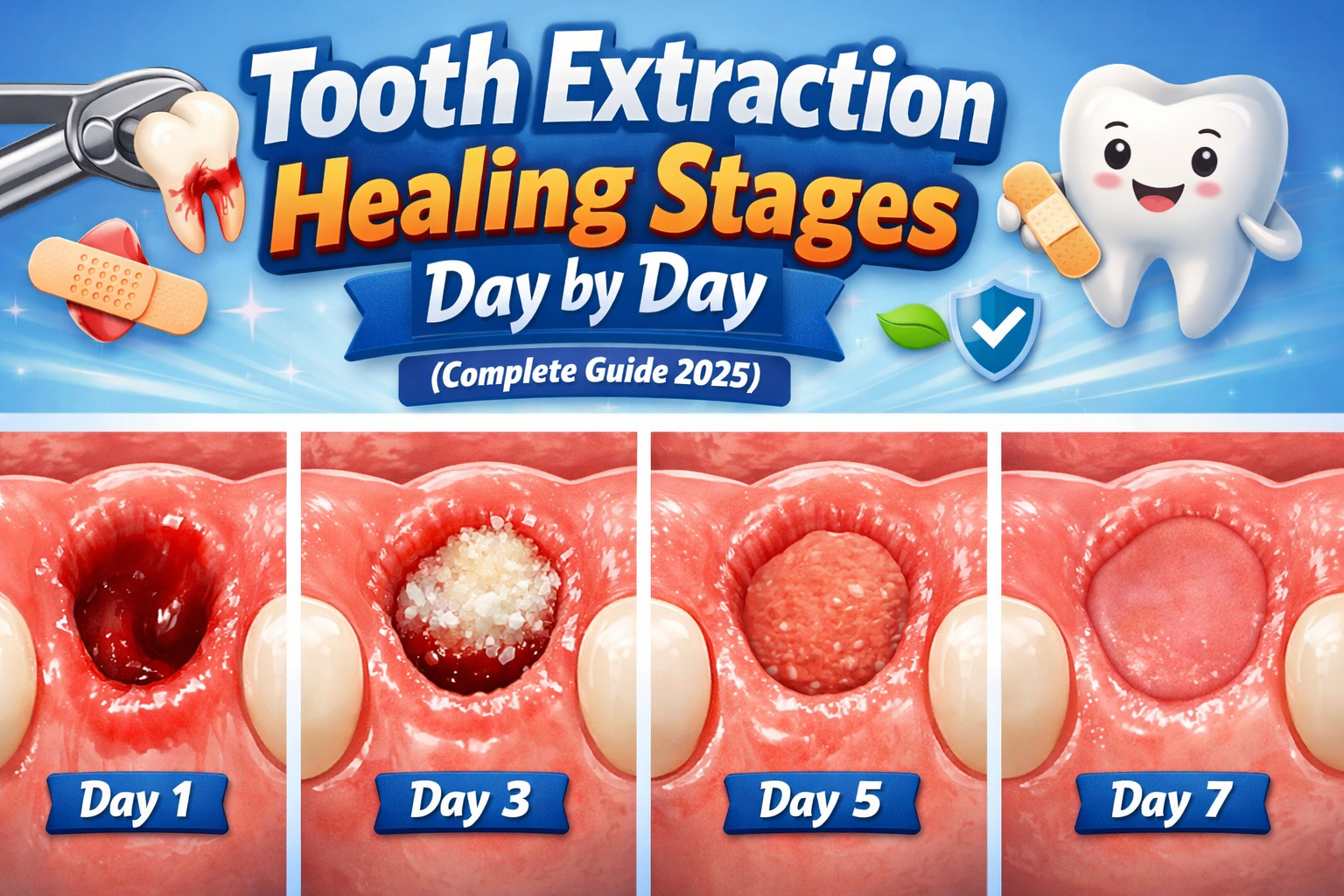
Tooth Extraction Healing Stages Day by Day (Complete Guide 2025)
Language :
Topics:
Tooth Extraction Healing Stages Day by Day (Complete Guide 2025)
Table of Contents
- Day 1: Blood Clot Formation
- Day 2–3: Early Healing Stage
- Day 4–7: Tissue Repair Begins
- Week 2: Gum Healing Progress
- Week 3–4: Bone Healing Starts
- How to Speed Up Healing
- What to Avoid After Extraction
- Warning Signs to Watch
- FAQ
Day 1: Blood Clot Formation
Immediately after tooth extraction, your body forms a blood clot in the socket. This is the most critical stage.
What happens:
- Bleeding slows within a few hours
- Clot protects bone and nerves
- Mild swelling and discomfort begin
Care tips:
- Bite on gauze for 30–60 minutes
- Avoid rinsing, spitting, or using straws
- Rest and keep head elevated
Day 2–3: Early Healing Stage
The clot stabilizes and healing begins underneath.
What happens:
- Swelling may peak
- Mild pain or throbbing
- White tissue may form (normal healing tissue, not pus)
Care tips:
- Continue soft foods (soup, yogurt, mashed potato)
- Take prescribed medications
- Apply cold compress
Day 4–7: Tissue Repair Begins
Your gum tissue starts closing over the socket.
What happens:
- Pain significantly decreases
- Swelling reduces
- New gum tissue forms
Care tips:
- Start gentle saltwater rinses
- Maintain oral hygiene (avoid direct brushing on socket)
Week 2: Gum Healing Progress
By this stage, the gum is mostly healed.
What happens:
- Socket begins to close
- Minimal discomfort
- Normal eating resumes
Care tips:
- Continue good oral hygiene
- Avoid hard foods directly on the site
Week 3–4: Bone Healing Starts
Bone regeneration begins inside the socket.
What happens:
- Bone slowly fills the space
- Gum looks normal
- No pain
Important:
- Full bone healing may take 2–3 months
- Needed before dental implants
How to Speed Up Healing (Most Important for Clients)
Many patients want faster recovery—here’s what actually works:
Do this:
- Follow dentist instructions strictly
- Eat nutrient-rich foods (vitamin C, protein)
- Stay hydrated
- Sleep well
Best foods for healing:
- Eggs, fish, yogurt
- Smoothies (no straw)
- Soft rice, soup
What to Avoid After Extraction
Avoid these to prevent complications:
- Smoking (causes dry socket)
- Alcohol
- Hard or crunchy foods
- Using straws
- Touching the wound
Warning Signs to Watch
Seek dental care if you experience:
- Severe pain after 3–4 days (possible dry socket)
- Persistent bleeding
- Swelling that worsens
- Pus or bad odor
FAQ
How long does tooth extraction heal?
- Gum healing: 1–2 weeks
- Bone healing: 2–3 months
What is dry socket?
A painful condition where the blood clot is lost early, exposing bone.
Can I eat normally after extraction?
Soft foods for 3–5 days, then gradual return to normal diet.
When can I get dental implants?
Usually 2–3 months after healing, depending on bone condition.
Related Topics
- Tooth Extraction Aftercare Guide
- Dental Implant Healing Timeline
- Dry Socket Treatment and Prevention
- Wisdom Tooth Removal Recovery
Can tooth extraction cause infection? Mild inflammation is normal, but increasing swelling, fever, or severe pain may indicate infection. Learn more about post-extraction infection warning signs in this detailed guide.
Book a consultation with our Cebu dental specialists for proper evaluation and care.
Ready to get expert guidance?
If you’re experiencing severe pain or delayed healing, book a consultation with our Cebu dental specialists to get proper evaluation and care.
Consultation or contact page .
Book a Consultation
For severe discomfort or delayed healing, book a consultation with our Cebu dental specialists today.
Looking for a dentist? Browse our Cebu dental directory to find trusted clinics near you.
Medical Review and Clinical Basis
This article is based on clinical dental guidelines and real patient recovery patterns observed after tooth extraction procedures. The information reflects common post-extraction healing stages, including normal clot formation, gum tissue repair, and signs of possible complications such as dry socket or infection.
While mild discomfort is expected after a dental extraction, worsening pain after Day 3, bad odor, exposed bone, or spreading pain may require professional evaluation. These symptoms are consistent with known post-extraction complications described in standard dental practice.
About Cebu Dental Implants
Cebu Dental Implants provides comprehensive tooth extraction, surgical procedures, and dental implant services in the Philippines. Our team evaluates post-extraction healing, manages complications such as dry socket, and advises patients on proper aftercare to prevent infection and delayed healing.
If you experience severe pain or unusual symptoms after extraction, early professional assessment is recommended to prevent further complications.
Important Medical Disclaimer
This content is for educational purposes only and does not replace professional dental diagnosis. Every patient heals differently. If symptoms worsen or do not improve within a few days, consult a licensed dentist for proper evaluation and treatment.
Author
This article was prepared by the Cebu Dental Implants content team in consultation with licensed dental professionals experienced in tooth extraction and implant procedures.
Related Clinical Cases
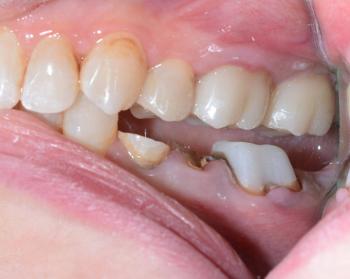
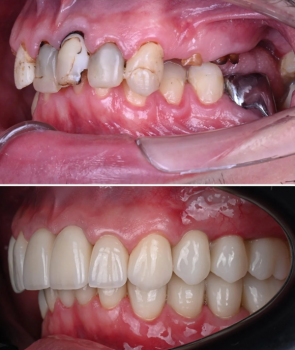
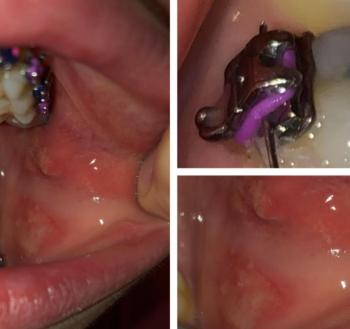
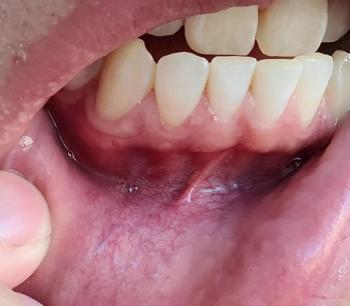
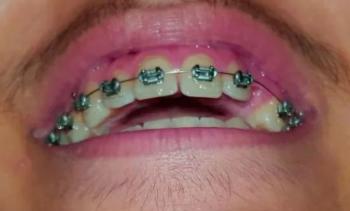
Patients with lower front gum inflammation may also experience tartar buildup, periodontal disease, gum abscesses, or tooth decay. Explore these related clinical case studies.

Other topics:
Other Dental Clinic