Modern Dentistry, Timeless Smiles.

Headache After Tooth Extraction: Causes, Timeline, and When to Worry
Image:
Severity:
Teeth Problems:
A Clinical Guide from an Illinois Dental Bone Graft Expert (10 Years Experience)
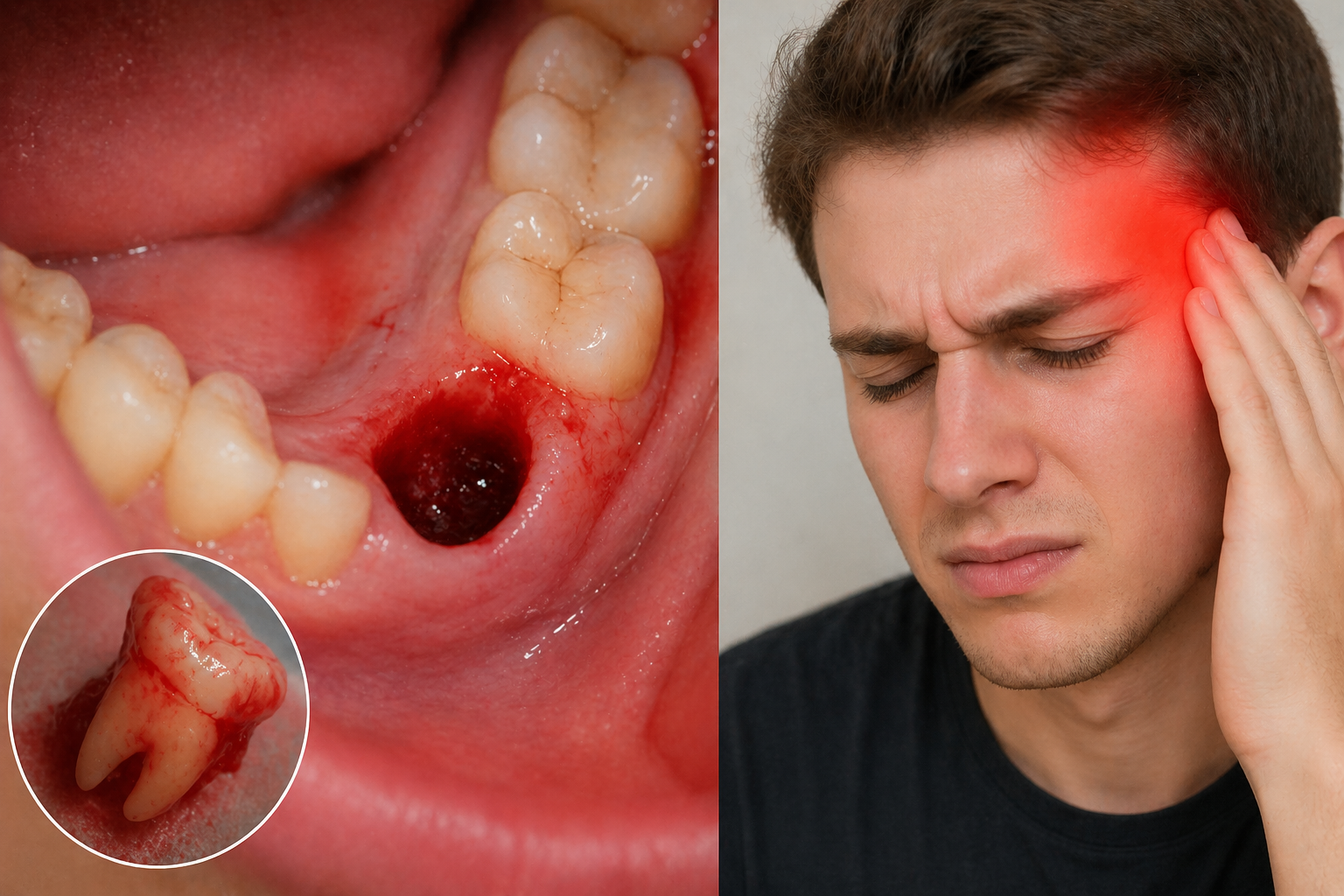
Headaches after a tooth extraction are more common than most patients expect—and often more confusing than painful.
Many people assume something is wrong with their brain or sinuses. In reality, after 10 years of treating extraction and implant patients in Illinois, I can tell you:
Most post-extraction headaches are not dangerous—they’re referred pain from your jaw and surrounding structures.
But like all post-surgical symptoms, timing and pattern matter.
This guide explains everything you need to know:
- Why headaches happen after extraction
- What’s normal vs concerning
- Recovery timeline
- Cost comparison (USA vs Philippines)
- Insurance policies
- Public financing options
- Choosing the right clinic
Why Do You Get a Headache After Tooth Extraction?
Your mouth, jaw, and head are deeply connected through nerve networks.
When a tooth is removed:
- Nerves are stimulated
- Muscles are strained
- Blood flow increases
This can trigger a headache.
Key Insight
The headache is usually not in your head—it’s coming from your dental site.
Main Causes of Headache After Extraction
1. Referred Pain
Pain from the jaw travels to the head.
- Most common cause
- Often feels like a tension headache
2. Muscle Strain
Keeping your mouth open during the procedure can strain:
- Jaw muscles
- Neck muscles
3. Inflammation
Swelling creates pressure that radiates upward.
4. Sinus Involvement
Upper tooth extractions can affect nearby sinus areas.
5. Stress and Fatigue
Dental procedures can cause:
- Anxiety
- Physical fatigue
6. Dehydration or Medication
Pain medications or reduced fluid intake can trigger headaches.
Headache Timeline: What Is Normal
Day 1–2: Mild Headache
What You Feel
- Dull pressure
- Tightness around temples
Day 2–3: Peak Phase
What You Feel
- Stronger headache
- Jaw and ear discomfort
Clinical Insight
This is the normal peak stage.
Day 4–5: Improvement
- Headache becomes less intense
- Jaw mobility improves
Day 6–7: Minimal Symptoms
- Occasional mild discomfort
Week 2: Resolved
- Headaches disappear
When Headaches Are NOT Normal
1. Headache Gets Worse After Day 3
Possible Cause
Dry socket
2. Severe Headache with Fever
Possible Cause
Infection
3. Headache with Sinus Pressure
Possible Cause
Sinus involvement
4. Persistent Headache Beyond 2 Weeks
Possible Cause
Delayed healing or nerve irritation
Real Case from My Illinois Practice
Patient: Daniel, 46
Situation
- Upper molar extraction
Day 2–3
- Developed headache and sinus pressure
Diagnosis
Normal sinus-related inflammation
Treatment
- Pain medication
- Hydration
- Rest
Outcome
- Symptoms resolved by Day 5
Expert Insight
Headaches often feel worse than they are—but follow the timeline.
Additional Dental Guidance: Headache After Tooth Extraction — Self-Care, Warning Signs, and Recovery FAQs
1. Why Can a Headache Develop After Tooth Extraction?
A headache following tooth extraction may be related to the procedure, but the headache itself does not identify the cause. Several factors can contribute:
Jaw muscle tension: Keeping the mouth open during a lengthy extraction can strain the muscles around the jaw and temples. This may cause soreness that spreads toward the head or neck.
Postoperative pain and inflammation: The tissues surrounding the extraction site naturally become inflamed during healing. Pain from the jaw can sometimes be felt in nearby areas.
Dehydration and missed meals: Patients who eat or drink less because their mouths are sore may develop a headache from inadequate fluid intake or missed meals.
Medication-related effects: Some pain medicines can cause headaches or other side effects. Follow the prescribed instructions and ask your dentist or pharmacist if symptoms begin after taking a medicine.
Sinus-related symptoms: Removing an upper back tooth can occasionally affect the nearby maxillary sinus. However, not every headache or sensation of pressure after an upper tooth extraction indicates a sinus complication.
Dental complications: A dry socket or postoperative infection may cause increasing pain that radiates toward the ear, temple, or head. A headache alone is not enough to diagnose either condition.
2. How Long Should a Headache Last After Tooth Extraction?
There is no single recovery timeline that applies to every headache. Some mild headaches may improve within hours or a few days, particularly when related to jaw tension, inadequate hydration, or temporary postoperative discomfort.
The usual pattern of extraction-site pain provides useful context:
-
First 24 hours: Soreness and swelling may develop as the local anaesthetic wears off.
-
Days 2–3: Pain and swelling can increase during the early inflammatory phase. They should subsequently begin to settle.
-
Days 4–7: Many patients experience gradual improvement, although complex surgical extractions may take longer.
-
After the first week: Persistent or recurring headaches should not automatically be attributed to normal healing, particularly if they are severe, worsening, or accompanied by other symptoms.
These are general patterns rather than strict deadlines. Contact your dentist if the headache is not improving, repeatedly returns, or occurs alongside increasing extraction-site pain. Do not wait for a particular day if concerning symptoms appear.
Source: University College London Hospitals — Dental Extractions: Post-operative Instructions.
3. Headache After Extraction: When Should You Seek Medical Attention?
The most important consideration is not simply how many days the headache has lasted, but its severity, progression, and associated symptoms.
Seek emergency medical care immediately if you experience:
-
A sudden, extremely severe headache that reaches maximum intensity within seconds or minutes.
-
A headache with weakness, facial drooping, confusion, difficulty speaking, fainting, or a new seizure.
-
A headache with fever and a stiff neck, particularly with confusion or a severe illness.
-
Swelling of the mouth, face, or neck that makes breathing or swallowing difficult.
These symptoms may indicate a serious medical emergency and should not be assumed to be dental complications.
Contact your dentist urgently if you develop:
-
Severe or increasing pain around the extraction site.
-
Pain that becomes substantially worse after initially improving.
-
Fever, pus, worsening facial swelling, or a persistent foul taste.
-
Severe throbbing pain that spreads toward the ear or temple.
-
Persistent bleeding that does not stop with firm pressure as instructed by your dental team.
If you have a persistent headache without emergency symptoms, arrange medical or dental assessment according to the associated symptoms and how the headache is progressing.
Source: NHS — Headaches and NHS — Toothache.
4. Could a Dry Socket Cause a Headache?
A dry socket, medically called alveolar osteitis, develops when the protective blood clot in the extraction socket is lost or fails to remain in place. It commonly causes significant pain beginning a few days after extraction.
Typical symptoms include:
-
Severe or worsening pain at the extraction site.
-
Pain radiating toward the ear, temple, or other nearby areas.
-
An unpleasant taste or foul breath.
-
An extraction socket that appears to have lost its normal clot.
A dry socket is not diagnosed by headache alone, and its appearance can vary. A dentist must examine the extraction site to determine whether treatment is needed.
Treatment may involve gently cleaning the socket and placing a medicated dressing for pain relief. Antibiotics are not routinely necessary for an uncomplicated dry socket unless there is a separate indication, such as an associated infection.
Do not probe the socket or attempt to remove tissue yourself.
Source: American Dental Association — Dry Socket.
5. Safe Ways to Relieve a Mild Headache After Extraction
If your headache is mild, is not worsening, and you have no warning signs, the following measures may help.
Drink fluids regularly. Take small sips of water and maintain adequate hydration. Avoid drinking through a straw during the early healing period if your dentist has instructed you to avoid suction.
Eat soft, nutritious meals. Choose foods that require minimal chewing, such as soft eggs, yoghurt, or mashed vegetables, while avoiding foods that could injure the extraction site.
Rest and relax your jaw. Avoid excessive talking, hard chewing, and strenuous activity during the initial recovery period. Gentle jaw movement within your comfort range may help reduce muscle tension.
Use a cold compress when appropriate. During the first 24–48 hours, a cold pack wrapped in cloth and applied externally for short intervals may help with postoperative swelling and discomfort. Never apply ice directly to the skin.
Use pain medicine safely. Follow your dentist's instructions or the product label. Paracetamol (acetaminophen) or an anti-inflammatory medicine such as ibuprofen may be appropriate for some patients, but suitability depends on medical history, other medicines, and individual risks. Ask a healthcare professional before using an unfamiliar medicine.
Avoid exceeding the recommended dose or combining medicines containing the same active ingredient. Do not start antibiotics or take leftover prescriptions to treat a headache without professional advice.
Protect the blood clot. Avoid smoking, vaping, forceful spitting, and vigorous rinsing during the initial healing period. Follow the specific postoperative instructions provided by your dentist.
Source: American Dental Association — Acute Dental Pain Management.
6. Does a Headache Mean the Extraction Site Is Infected?
Not necessarily. Headaches have many possible causes, and most cannot be distinguished by symptoms alone.
A dental infection becomes more concerning when pain and swelling increase rather than improve, particularly when accompanied by fever, pus, facial swelling, or difficulty opening the mouth. Infection-related symptoms can become more apparent several days after surgery.
A dentist may need to examine the socket, check for swelling, and determine whether treatment is necessary. Depending on the cause, treatment might involve local dental care, drainage, or other procedures. Antibiotics are used when clinically indicated; they do not replace treatment of the underlying dental source.
Important: If facial or neck swelling is spreading, or breathing or swallowing becomes difficult, seek emergency medical care rather than waiting for a dental appointment.
7. What Should You Tell Your Dentist About a Post-Extraction Headache?
When contacting your dentist, provide the following information:
-
Timing: The date of extraction and when the headache started.
-
Location: Whether the pain affects the forehead, temple, back of the head, jaw, or one side.
-
Severity: Whether it is mild, moderate, or severe, and whether it is getting better or worse.
-
Associated symptoms: Fever, swelling, bad taste, bleeding, sinus symptoms, nausea, or visual changes.
-
Medication history: The medicines taken, their doses, and whether they helped.
These details can help your dentist decide whether you need an examination, a medical assessment, or emergency care. They cannot replace a clinical examination when one is indicated.
Frequently Asked Questions: Headache After Tooth Extraction
1. Is it normal to have a headache after tooth extraction?
A mild, temporary headache can occur after an extraction, possibly because of jaw muscle tension, pain, dehydration, or other factors. However, a headache is not an inevitable part of healing. A severe, persistent, or worsening headache deserves assessment.
2. How many days does a headache last after tooth extraction?
There is no fixed duration. Some mild headaches settle within hours or a few days. If yours persists, recurs, or worsens instead of improving, contact your dentist or healthcare professional rather than relying on a set number of days.
3. Why does my head hurt three days after tooth extraction?
Pain and swelling around the extraction site can still be present on day three. Jaw muscle soreness or referred pain may contribute to discomfort in the head. However, worsening pain, especially with a foul taste, fever, or increasing swelling, warrants prompt dental assessment.
4. Can a lower molar extraction cause a headache?
Yes. Pain from the jaw and surrounding muscles may be felt in the temple or other parts of the head. A headache following a lower molar extraction does not automatically mean a nerve has been damaged or that an infection is present.
5. Can an upper tooth extraction cause a sinus headache?
An upper back tooth extraction may occasionally affect the nearby maxillary sinus. Persistent sinus pressure, one-sided nasal symptoms, or fluid passing between the mouth and nose should be assessed by a dentist. Avoid forceful nose-blowing if your dentist suspects a sinus communication, and follow their instructions.
6. Can a dry socket cause pain in the head or temple?
Yes. Dry socket can cause intense pain that radiates from the extraction site toward the ear or temple. Pain that becomes substantially worse a few days after extraction should be assessed by a dentist, especially if it is severe or accompanied by a foul taste or odour.
7. Can dehydration cause a headache after dental surgery?
Yes. Reduced fluid intake can contribute to headaches, particularly when eating and drinking are uncomfortable. Drink water regularly if you can do so safely. If you cannot maintain fluid intake, feel faint, or have signs of significant dehydration, seek medical advice.
8. Can I take paracetamol for a headache after tooth extraction?
Paracetamol may help some patients, provided it is suitable for their health circumstances and is taken according to the label or professional instructions. Check other medicines for the same ingredient to avoid accidental overdose. Ask a pharmacist or clinician if you have liver disease, drink substantial amounts of alcohol, or are unsure whether it is safe for you.
9. Does a headache after tooth extraction mean I need antibiotics?
No. Headache alone is not evidence of a bacterial infection, and antibiotics do not treat most causes of headache. A dentist should assess signs of infection and decide whether antibiotics are indicated.
10. Should I worry about a headache that starts getting worse after several days?
Yes, worsening symptoms deserve attention. Contact your dentist promptly if the headache occurs with increasing dental pain, facial swelling, fever, or a foul taste. Seek emergency care for a sudden extremely severe headache, neurological symptoms, or breathing or swallowing difficulty.
11. Can stress or anxiety after dental surgery trigger a headache?
Stress may contribute to tension-type headaches and jaw clenching. Rest, relaxation, hydration, and gentle jaw movement may help. However, do not attribute a new or severe headache solely to anxiety without considering warning signs.
12. When can I return to normal activities after tooth extraction?
Many patients resume light daily activities within a day or two, depending on the complexity of the extraction and how they feel. Avoid strenuous activity during the initial recovery period and follow your dentist's instructions. If activity worsens the headache, stop and seek advice if symptoms persist or intensify.
13. When should I see a doctor instead of a dentist?
A dentist is usually the appropriate first contact for headaches associated with increasing extraction-site pain, suspected dry socket, or other dental symptoms. A doctor or emergency department is appropriate for headaches with concerning general or neurological symptoms, especially when the symptoms do not appear to be limited to the extraction site.
14. Can a headache last two weeks after tooth extraction?
A headache lasting two weeks should not automatically be considered normal postoperative healing. Arrange a medical or dental assessment, particularly if it has not improved, keeps returning, or is associated with dental or sinus symptoms. Seek emergency care sooner if warning signs occur.
Key Takeaway for Patients
A mild headache after tooth extraction may improve with hydration, rest, and appropriate pain relief. However, the safest guide is the overall pattern of recovery: symptoms should generally begin to settle rather than continue to worsen.
Do not ignore severe pain, increasing swelling, fever, or a persistent headache. Prompt assessment can help identify the cause and determine whether dental treatment or medical care is needed.
Medical disclaimer: This article provides general educational information and is not a substitute for an examination by a licensed dentist or physician. Individual recovery depends on the procedure, medical history, and any complications.
Cost Comparison: USA vs Philippines
USA (Example: Illinois)
- Extraction: $250 – $800
- Follow-up visit: $100 – $300
- Infection treatment: $300 – $1,200
- Bone graft: $600 – $3,500
Philippines
- Extraction: $50 – $150
- Follow-up care: $50 – $150
- Infection treatment: $100 – $300
- Bone graft: $200 – $900
Key Insight
Complications increase costs significantly in both countries.
Insurance Policy Coverage
Common Providers
- Delta Dental
- Cigna
Coverage Details
- Extraction: partially covered
- Follow-ups: sometimes covered
Limitations
Complications from non-compliance may not be covered.
Public Financing Options
Government Programs
- Medicaid (limited dental coverage)
- Veterans dental benefits
Community Clinics
Offer:
- Reduced-cost treatment
- Payment assistance
Expert Advice
Prevent complications to avoid needing financing.
Recovery Timeline Summary
| Stage | Headache Level | Meaning |
|---|---|---|
| Day 1–2 | Mild | Normal |
| Day 2–3 | Peak | Inflammation |
| Day 4–5 | Improving | Healing |
| Day 6–7 | Minimal | Stabilizing |
| Week 2 | None | Recovery |
Best Clinics to Visit (How to Choose)
USA
Look for:
- Oral surgeons
- Implant specialists
- Advanced imaging (CBCT)
Philippines
Top cities:
- Manila
- Cebu
Selection Criteria
- Bone graft experience
- Transparent pricing
- Verified patient reviews
How to Reduce Headaches After Extraction
1. Stay Hydrated
2. Take Prescribed Medication
3. Rest and Reduce Stress
4. Use Cold Compress (First 48 Hours)
5. Avoid Smoking and Alcohol
Common Mistakes That Trigger Headaches
- Dehydration
- Skipping medication
- Jaw overuse
- Ignoring symptoms
FAQ: Headache After Tooth Extraction
1. Is a headache normal after extraction?
Yes, especially in the first few days.
2. When does it peak?
Usually Day 2–3.
3. When should I worry?
If it worsens after Day 3 or includes fever.
4. Can extraction cause migraines?
It can trigger migraine-like symptoms in some patients.
5. How long does it last?
Typically 3–7 days.
6. What helps most?
Hydration, rest, and medication.
Related Topics
1. Ear Pain After Tooth Extraction
Understand nerve-related pain
2. Jaw Pain After Tooth Removal
Learn about muscle strain and recovery
3. Throbbing Pain After Extraction
Identify warning signs and causes
Final Thoughts from an Illinois Expert
After a decade of clinical experience, one principle stands out:
Headaches after extraction are common—but predictable.
The key is simple:
- Expect early discomfort
- Monitor the timeline
- Act if symptoms worsen
Because in recovery:
Pain that improves is normal.
Pain that worsens is a warning.
Understanding this difference helps you recover faster, avoid complications, and reduce unnecessary costs.
Related Clinical Cases
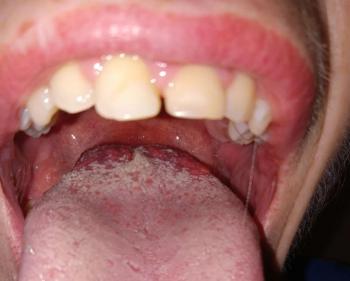
Patients with lower front gum inflammation may also experience tartar buildup, periodontal disease, gum abscesses, or tooth decay. Explore these related clinical case studies.



Other topics:
Other Dental Clinic