Tooth decay

Multiple Decayed Lower Molars With Abscess Risk

Severity: 

Multiple Decayed Lower Molars With High Risk of Abscess Case Analysis

What Is Seen in This Case

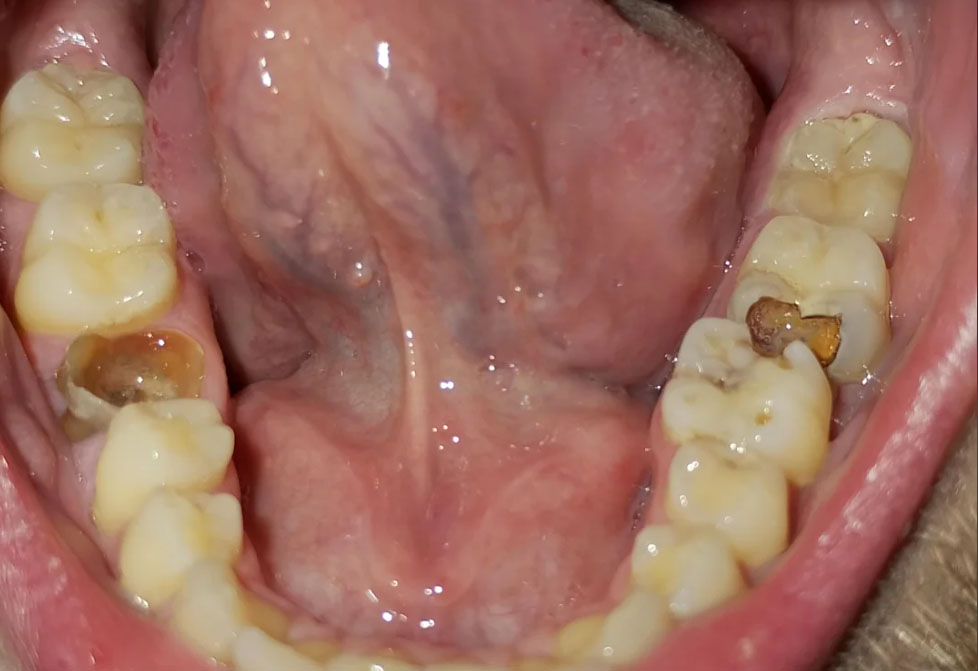
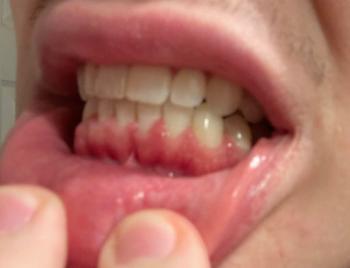
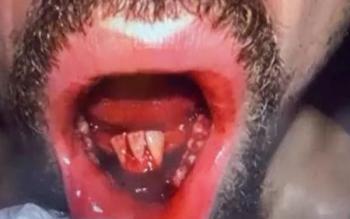
The image shows the lower jaw (mandible) with multiple back molars affected by visible decay. On both the left and right sides, at least one molar shows brown cavitated lesions, indicating advanced tooth decay. The surrounding gum tissue appears slightly irritated, and the floor of the mouth is clearly visible.

This pattern suggests bilateral molar decay, which increases the overall infection risk.

Decayed Molar With Gum Abscess Inner Cheek Side Case

Severity: 
Teeth Problems: 

Decayed Molar With Gum Abscess on Inner Cheek Side Case Analysis

What Is Seen in This Case

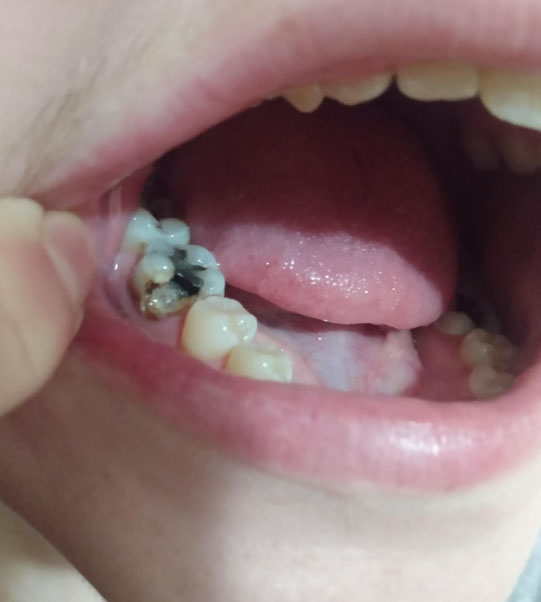
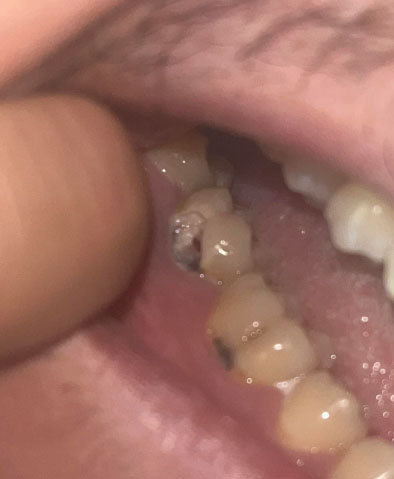
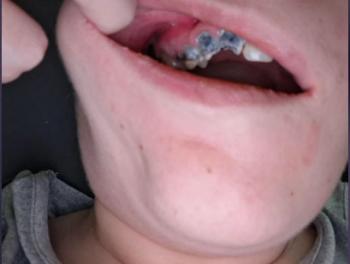
The image shows a severely decayed back molar with dark discoloration and breakdown of the tooth structure. The gum tissue beside the tooth (inner cheek side) appears swollen and irritated, suggesting a localized gum abscess or active infection. The tongue is close to the area, increasing discomfort and irritation.

This location often traps food and bacteria, making infections harder to notice early.

Tooth Abscess and Severe Decay Case Analysis and Treatment Guide

Severity: 

What Is Seen in This Case

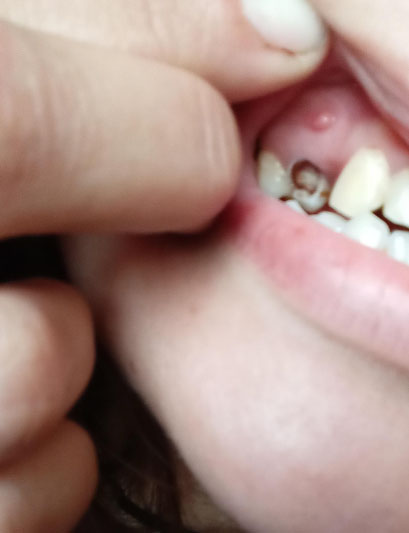
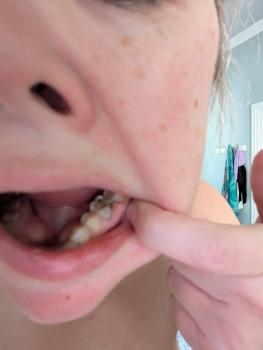
The image shows a back tooth with deep decay and a dark cavity, with signs of infection around the tooth. The tooth structure appears weakened, and the surrounding gum tissue looks irritated. This presentation is commonly associated with a tooth abscess or advanced dental infection.

An abscess forms when bacteria reach the inner part of the tooth and spread to the surrounding tissues.


Most Likely Diagnosis

Based on visual examination, the most likely conditions include:

Severe Rooted Tooth Decay and Infection Treatment

Severity: 

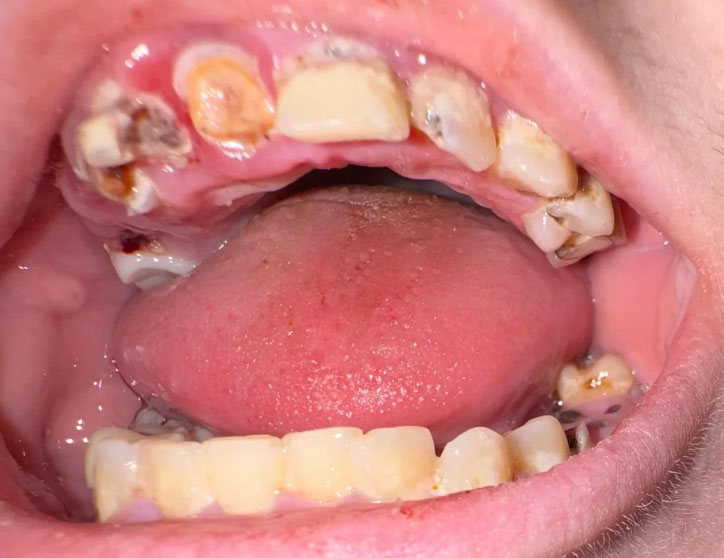
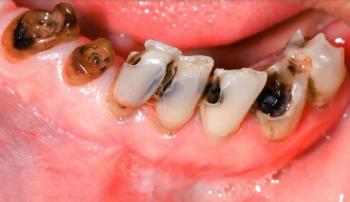
This case shows severe tooth decay affecting the back teeth, with decay extending close to or into the tooth roots. Dark, broken tooth structure is visible, which indicates long-standing dental caries. The surrounding gum tissue appears irritated, increasing the risk of infection.

Rooted tooth decay usually develops when cavities are left untreated for a long time. Bacteria spread deeper into the tooth and reach the root area, making the tooth weak, painful, and difficult to save.

Back Tooth Decay Case Analysis: Causes, Treatment, and Healing Timeline

Severity: 

What Is Seen in This Case?

The image shows visible decay on back teeth (molars), with damaged tooth structure and discoloration. The surrounding gum tissue appears slightly irritated, which may indicate early inflammation caused by trapped bacteria.

Back teeth are more prone to decay because they are harder to clean and have deep grooves that trap food and plaque.


Most Likely Diagnosis

Based on the visual findings, the most likely conditions include:

  • Dental caries (tooth decay) on molars

Pages