Healthy Teeth, Happy Life.

Best Dental Insurance for Implants in the USA (2026 Guide)
Language :
Why Dental Implant Insurance Matters More Than Ever
Dental implants have become the gold standard for replacing missing teeth in the United States. Patients today want more than removable dentures or temporary bridges. They want stability, long-term oral health, natural aesthetics, and the confidence to smile again.
However, one major challenge remains: cost.
In California and across the USA, a single dental implant can range from $3,000 to $6,500 depending on bone quality, surgical complexity, materials used, and whether additional procedures such as bone grafting or sinus lifts are required. Full-mouth implant rehabilitation can exceed $25,000 to $60,000.
Because of these high costs, many Americans search for the best dental insurance plans that cover implants.
As a dental implant provider in California, I often explain to patients that implant insurance is not always straightforward. Some plans advertise implant coverage but include waiting periods, annual maximums, exclusions, or low reimbursement rates that barely reduce the total expense.
The key is understanding which plans truly provide value.
This guide explains:
- Which dental insurance plans commonly cover implants
- What limitations patients should expect
- PPO vs HMO implant insurance
- Medicare and implant coverage realities
- Financing alternatives
- How to maximize implant insurance benefits
- Common mistakes patients make when choosing plans
Are Dental Implants Covered by Insurance in the USA?
The short answer is: sometimes.
Historically, many dental insurance companies classified implants as “cosmetic” procedures. That has gradually changed because implants are now recognized as medically beneficial for oral function, bone preservation, chewing efficiency, and overall health.
Today, many major insurance providers offer partial implant coverage, including:
- Implant placement
- Abutments
- Crowns
- Bone grafting
- Tooth extractions
- CT scans and diagnostics
But coverage percentages vary greatly.
Typical implant insurance benefits include:
| Coverage Type | Typical Range |
|---|---|
| Implant surgery | 30%–50% |
| Implant crown | 40%–60% |
| Bone graft | Partial |
| Annual maximum | $1,000–$3,500 |
| Waiting period | 6–12 months |
Even with insurance, patients usually still pay a portion out-of-pocket.
What Makes a Dental Insurance Plan Good for Implants?
Not all dental insurance plans are designed equally.
The best implant insurance plans usually include:
1. High Annual Maximums
A $1,000 annual maximum barely helps with implant treatment.
Better plans offer:
- $2,000–$5,000 annual maximums
- Increasing benefits over time
- Additional implant allowances
2. Implant Inclusion
Some plans completely exclude implants.
Always verify:
- Surgical implant placement
- Implant crowns
- Abutments
- Bone grafts
3. Short Waiting Periods
Many plans require:
- 6 months
- 12 months
- or even longer before implant benefits begin.
Some premium PPO plans waive waiting periods.
4. Large PPO Networks
A strong PPO network allows:
- More implant specialists
- Better negotiated pricing
- Easier referrals
- Greater flexibility
5. Out-of-Network Benefits
Top plans still reimburse treatment even if your implant surgeon is outside the network.
This matters because highly experienced implant specialists are not always in-network.
Best Dental Insurance Companies for Implants in the USA
1. Delta Dental PPO Premium Plans
Delta Dental remains one of the most recognized dental insurance providers in America.
Strengths
- Large nationwide network
- Some PPO plans include implants
- Strong California provider presence
- Good preventive coverage
Weaknesses
- Annual maximums may still be limited
- Implant coverage depends heavily on plan tier
Best For
Patients seeking broad dentist access and stable nationwide coverage.
2. Cigna Dental 1500
Cigna offers implant coverage on selected higher-tier dental plans.
Strengths
- Implant coverage available
- Orthodontic options
- Preventive care often covered at 100%
Weaknesses
- Waiting periods may apply
- Network varies by state
Best For
Patients wanting combined dental and health coverage options.
3. Guardian Direct
Guardian Life has become increasingly popular for implant-friendly PPO plans.
Strengths
- Strong implant benefits
- Large specialist access
- Good annual maximums
Weaknesses
- Some plans have yearly escalations before full benefits activate
Best For
Patients planning future implant treatment rather than immediate surgery.
4. Ameritas Dental
Ameritas is respected for rollover annual maximums.
Strengths
- Benefit rollover features
- Implant-friendly PPO plans
- Good flexibility
Weaknesses
- Availability differs by region
Best For
Long-term dental planning and phased implant cases.
5. Humana Extend Plans
Humana expanded implant coverage in recent years.
Strengths
- Senior-focused plans
- Broader implant inclusion
- Good online tools
Weaknesses
- Some plans still restrictive
- Waiting periods common
Best For
Older adults seeking implant coverage.
PPO vs HMO Dental Insurance for Implants
PPO Plans
PPO plans are generally better for implant treatment.
Advantages:
- Freedom to choose specialists
- Better implant access
- Out-of-network reimbursement
- Larger treatment flexibility
Disadvantages:
- Higher monthly premiums
- Deductibles
HMO Plans
HMOs are cheaper monthly but often restrictive.
Advantages:
- Lower premiums
- Predictable costs
Disadvantages:
- Limited specialists
- Referrals required
- Implant exclusions more common
For complex implant rehabilitation, PPO plans are usually the superior option.
Does Medicare Cover Dental Implants?
This is one of the most misunderstood topics in dentistry.
Traditional Medicare generally does NOT cover routine dental implants.
However, certain Medicare Advantage plans may include:
- Limited implant benefits
- Oral surgery allowances
- Supplemental dental packages
Coverage depends entirely on:
- The insurer
- State regulations
- Specific Advantage plan
In California, many seniors are surprised to discover that implant coverage under Medicare Advantage still comes with annual limits that do not fully cover advanced implant treatment.
Dental Discount Plans vs Insurance
Some patients choose dental discount memberships instead of traditional insurance.
These are not insurance policies.
Instead, patients pay:
- An annual membership fee
- Reduced treatment pricing
Advantages:
- No waiting periods
- Immediate savings
- Good for urgent implant cases
Disadvantages:
- No reimbursement
- Savings vary
- Limited participating offices
For patients needing immediate implants, discount plans may sometimes provide faster value than waiting for insurance eligibility.
Hidden Limitations Most Patients Miss
Missing Tooth Clauses
Some insurers refuse coverage if:
- The tooth was lost before enrollment
This is called the “missing tooth clause.”
Always ask directly before purchasing a policy.
Frequency Restrictions
Some plans limit:
- Number of implants per year
- Replacement timelines
- Crown replacement intervals
Waiting Period Traps
Patients often buy insurance expecting immediate surgery coverage.
Unfortunately:
- Many plans delay major procedures for 12 months.
Annual Maximum Frustration
Even excellent implant plans may stop paying after:
- $1,500
- $2,000
- or $3,000 annually.
Large implant cases usually exceed these limits quickly.
Why Cheap Implant Insurance Can Cost More
Many low-cost plans attract patients with inexpensive monthly premiums.
But they may include:
- Implant exclusions
- Tiny annual maximums
- Narrow provider networks
- Long waiting periods
As a California implant provider, I often see patients who purchased “implant coverage” only to discover the policy contributes very little toward actual surgery.
A better strategy is often:
- Premium PPO coverage
- Combined with financing
- and phased treatment planning
Financing Options Beyond Insurance
Insurance rarely covers 100% of implant treatment.
Many patients combine insurance with financing solutions.
Common Financing Methods
CareCredit
CareCredit is widely used in dental offices.
Benefits:
- Monthly payments
- Promotional interest periods
- Fast approvals
In-House Payment Plans
Some implant clinics provide:
- Staged payments
- Custom financing
- Membership savings plans
Health Savings Accounts (HSA)
HSAs can often be used for:
- Implant surgery
- Restorative crowns
- Bone grafting
This offers tax advantages.
How California Patients Approach Implant Insurance
California patients often face:
- Higher healthcare costs
- Higher specialist fees
- Strong demand for cosmetic-quality dentistry
However, California also has:
- Some of the nation’s top implant specialists
- Advanced digital dentistry
- Premium laboratories
- Modern guided surgery systems
Patients in Los Angeles, San Diego, Orange County, and the Bay Area increasingly prioritize:
- Long-term quality
- Experienced surgeons
- Implant success rates
- Warranty programs
Over-focusing on insurance alone can sometimes lead patients toward lower-quality treatment choices.
The real goal should be:
- Maximum long-term value
- Durable implant success
- Reduced future complications
The Importance of Choosing the Right Implant Provider
Insurance matters.
But surgeon experience matters even more.
A poorly placed implant can create:
- Bone loss
- Nerve injury
- Sinus complications
- Gum recession
- Implant failure
The cheapest insurance-supported option is not always the best clinical choice.
Patients should evaluate:
- CBCT technology
- Sterilization standards
- Implant brands used
- Surgical training
- Full-mouth rehabilitation experience
- Before-and-after cases
Questions to Ask Before Starting Implant Treatment
Ask Your Insurance Company
- Are implants covered?
- Is there a waiting period?
- Is there a missing tooth clause?
- What is the annual maximum?
- Are bone grafts covered?
- Is the surgeon in-network?
- Is preauthorization required?
Ask Your Implant Dentist
- How many implants have you placed?
- What implant system do you use?
- Do you use guided surgery?
- What happens if the implant fails?
- Are financing plans available?
- Can treatment be phased across benefit years?
How to Maximize Implant Insurance Benefits
1. Split Treatment Across Calendar Years
A staged approach may allow:
- Multiple annual maximums
- Greater reimbursement
2. Use Medical Insurance When Applicable
In certain cases involving:
- Trauma
- Tumors
- Severe bone loss
- Medical necessity
Medical insurance may partially contribute.
3. Obtain Preauthorization
Always request:
- Written insurance estimates
- Predeterminations
- Procedure breakdowns
4. Coordinate Dual Insurance
Some patients have:
- Employer dental insurance
- Secondary spouse coverage
This may improve reimbursement.
Full Mouth Implants and Insurance Reality
Many patients ask whether full-mouth implants are fully covered.
In most cases:
- No.
Even premium insurance plans rarely pay for complete full-arch restoration.
However, insurance may still help cover:
- Extractions
- Sedation
- Diagnostics
- Temporary prosthetics
- Portions of surgery
Patients considering All-on-4 or full-mouth implants should view insurance as partial assistance rather than complete funding.
The Future of Implant Insurance in America
The dental insurance industry is slowly evolving.
Why?
Because implants are no longer viewed as luxury dentistry.
Research increasingly shows implants improve:
- Nutrition
- Speech
- Confidence
- Bone preservation
- Quality of life
More insurers now recognize implants as functional healthcare rather than cosmetic enhancement.
Over the next decade, we will likely see:
- Higher implant coverage limits
- Better senior dental plans
- Expanded Medicare Advantage benefits
- More preventive implant support
Final Thoughts from a California Dental Implant Perspective
Dental implants are one of the best long-term investments patients can make for oral health and quality of life.
Insurance can absolutely help reduce costs.
But patients should understand a critical truth:
The best implant outcome depends more on clinical quality than insurance marketing.
A highly skilled implant provider using premium materials, digital planning, and evidence-based protocols may save patients far more long-term than choosing the cheapest plan or lowest-cost office.
The smartest strategy is usually a balance of:
- Strong PPO insurance
- Experienced implant specialists
- Financing flexibility
- Long-term treatment planning
When done properly, dental implants can last decades and dramatically improve daily comfort, confidence, and oral function.
FAQ – Best Dental Insurance for Implants in the USA
What dental insurance covers implants immediately?
Most plans have waiting periods, but some premium PPO plans and employer-sponsored group plans may offer immediate coverage. Always verify the policy details carefully.
Is dental implant insurance worth it?
Yes, especially for patients planning major restorative work. However, benefits are usually partial rather than full coverage.
Does Delta Dental cover implants?
Some Delta Dental PPO plans include implant benefits, but coverage varies widely depending on the state and policy tier.
Can Medicare pay for dental implants?
Traditional Medicare usually does not cover implants. Certain Medicare Advantage plans may offer limited implant benefits.
What is the average insurance payout for one implant?
Many plans contribute between $1,000 and $2,500 toward a single implant case depending on annual limits and policy structure.
Related Topics
- Dental Implant Cost in California vs Other States
- All-on-4 Dental Implants – Pros, Risks & Recovery
- Dental Tourism vs USA Implant Treatment – Is Traveling Worth It?
Can tooth extraction cause infection? Mild inflammation is normal, but increasing swelling, fever, or severe pain may indicate infection. Learn more about post-extraction infection warning signs in this detailed guide.
Book a consultation with our Cebu dental specialists for proper evaluation and care.
Ready to get expert guidance?
If you’re experiencing severe pain or delayed healing, book a consultation with our Cebu dental specialists to get proper evaluation and care.
Consultation or contact page .
Book a Consultation
For severe discomfort or delayed healing, book a consultation with our Cebu dental specialists today.
Looking for a dentist? Browse our Cebu dental directory to find trusted clinics near you.
Medical Review and Clinical Basis
This article is based on clinical dental guidelines and real patient recovery patterns observed after tooth extraction procedures. The information reflects common post-extraction healing stages, including normal clot formation, gum tissue repair, and signs of possible complications such as dry socket or infection.
While mild discomfort is expected after a dental extraction, worsening pain after Day 3, bad odor, exposed bone, or spreading pain may require professional evaluation. These symptoms are consistent with known post-extraction complications described in standard dental practice.
About Cebu Dental Implants
Cebu Dental Implants provides comprehensive tooth extraction, surgical procedures, and dental implant services in the Philippines. Our team evaluates post-extraction healing, manages complications such as dry socket, and advises patients on proper aftercare to prevent infection and delayed healing.
If you experience severe pain or unusual symptoms after extraction, early professional assessment is recommended to prevent further complications.
Important Medical Disclaimer
This content is for educational purposes only and does not replace professional dental diagnosis. Every patient heals differently. If symptoms worsen or do not improve within a few days, consult a licensed dentist for proper evaluation and treatment.
Author
This article was prepared by the Cebu Dental Implants content team in consultation with licensed dental professionals experienced in tooth extraction and implant procedures.
Related Clinical Cases
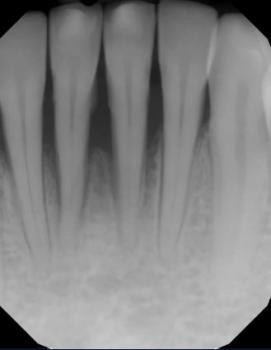
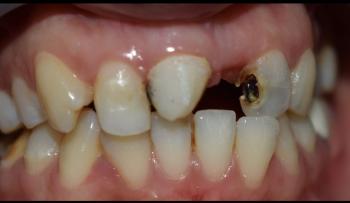
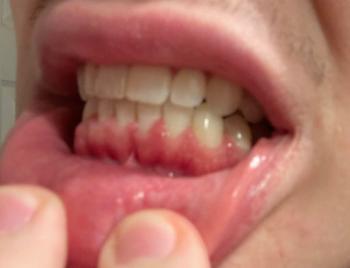
Patients with lower front gum inflammation may also experience tartar buildup, periodontal disease, gum abscesses, or tooth decay. Explore these related clinical case studies.