From Pain to Perfect — We Care for Your Smile.

Recovery & Food After Tooth Extraction: When Things Smell Worse
Language :
Topics:
A Practical Guide from a Kansas Dental Bone Graft Expert (5 Years Experience)
One of the most uncomfortable concerns patients bring up after a tooth extraction isn’t always pain—it’s this:
“Why does my mouth smell bad during recovery?”
If you’re dealing with unpleasant odor, bad taste, or discomfort while eating, you’re not alone. In my Kansas practice, I see this frequently—especially in the first week after extractions and bone graft procedures.
Here’s the truth:
Some odor during healing is normal—but strong, worsening smell is not.
This guide will help you understand:
- What causes bad smell after extraction
- What foods help or worsen recovery
- When odor becomes a warning sign
- How to recover cleanly and comfortably
Why Your Mouth May Smell After Tooth Extraction
After a tooth is removed, your body forms a blood clot in the socket.
During healing:
- Tissue breaks down and regenerates
- Food particles may collect
- Bacteria naturally exist in the mouth
This can lead to a mild, temporary odor.
Normal vs Abnormal Odor
Normal
- Slight metallic or mild smell
- Temporary bad taste
- Improves daily
Not Normal
- Strong, foul odor
- Persistent bad taste
- Worsening smell after Day 3
Clinical Insight
If smell is getting worse—not better—it may indicate:
- Dry socket
- Infection
- Food debris trapped in socket
Day-by-Day Recovery and Smell Timeline
Day 1–2: Minimal Odor
What Happens
- Blood clot forms
- Limited bacterial activity
What You May Notice
- Slight metallic taste
- No strong odor
Day 3–4: Odor May Appear
What Happens
- Tissue breakdown begins
- Healing process intensifies
What You May Notice
- Mild bad breath
- Slight unpleasant taste
Important
This should remain mild—not severe.
Day 5–7: Improvement Phase
What Happens
- Healing progresses
- Bacteria decreases
What You May Notice
- Reduced odor
- Improved taste
Week 2: Normalization
- Odor should be gone
- Mouth feels clean again
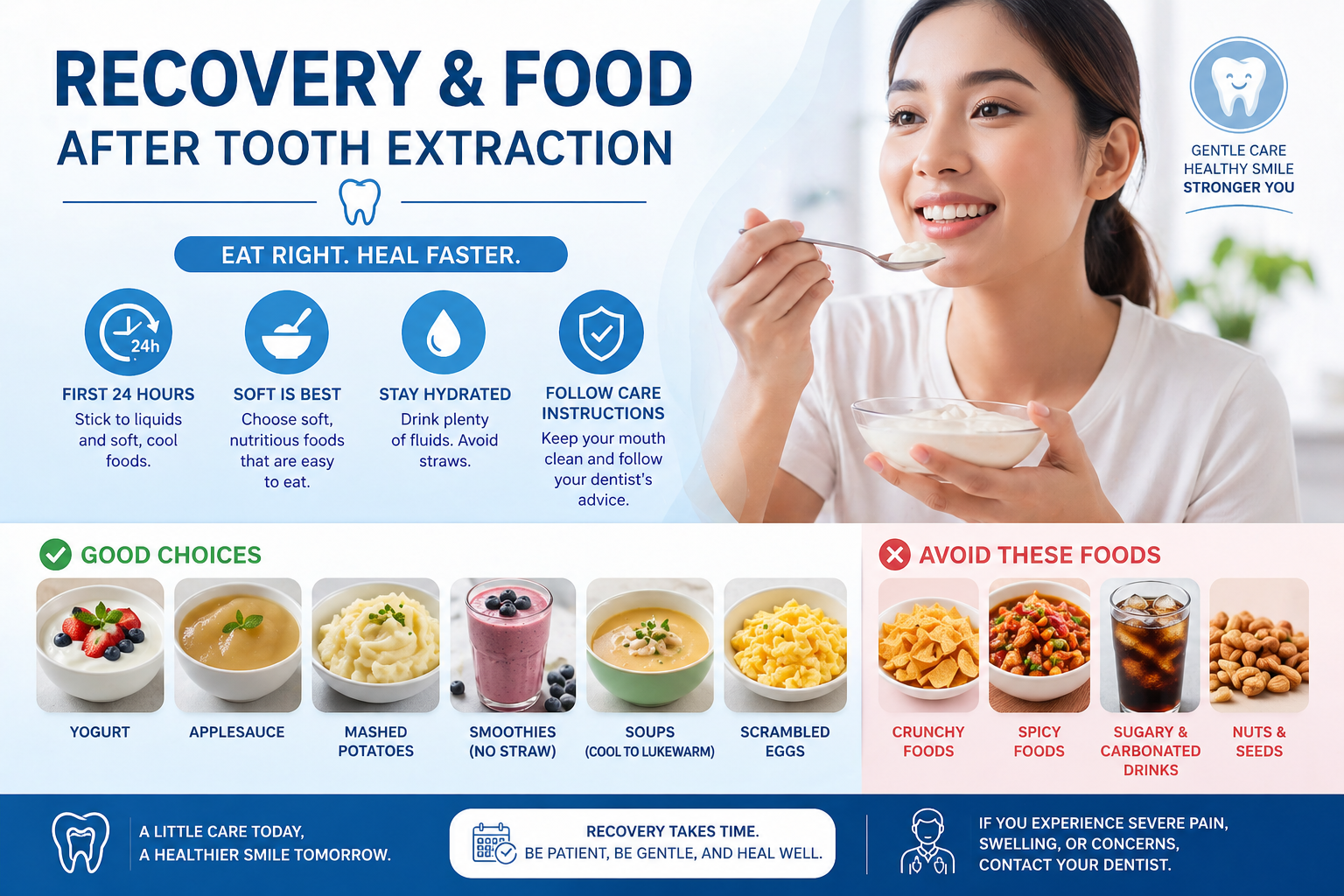
Foods That Help Recovery (and Reduce Odor)
Best Foods
1. Soft, Clean Foods
- Yogurt
- Mashed potatoes
- Scrambled eggs
2. Anti-Inflammatory Foods
- Soft fruits (banana, avocado)
- Smooth soups
3. Hydrating Foods
- Broth
- Water-rich foods
Why These Help
They:
- Reduce irritation
- Prevent food debris buildup
- Support healing
Foods That Make Smell Worse
1. Sticky Foods
- Rice
- Bread
- Pasta
These can get trapped in the socket.
2. Strong-Smelling Foods
- Garlic
- Onions
- Spicy dishes
These amplify odor during healing.
3. Hard or Crunchy Foods
- Chips
- Nuts
These can disrupt the clot and trap debris.
Real Case from My Kansas Practice
Patient: Tyler, 29 years old
Day 3:
- Complained of bad smell
- Eating regular solid foods
Diagnosis:
Food debris trapped in extraction site
Treatment:
- Irrigation and cleaning
- Dietary adjustment
Outcome:
- Odor resolved within 48 hours
Expert Insight
Most odor issues are not infections—they’re food-related and preventable.
When Smell Indicates a Serious Problem
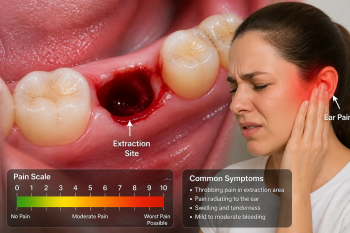
1. Dry Socket
Signs:
- Severe pain
- Bad odor
- Empty socket
2. Infection
Signs:
- Swelling
- Fever
- Pus discharge
3. Poor Healing
Signs:
- Persistent bad taste
- Delayed recovery
How to Prevent Bad Smell During Recovery
1. Gentle Rinsing (After 24 Hours)
- Warm salt water
- Do not rinse aggressively
2. Proper Oral Hygiene
- Brush normally (avoid socket area)
- Keep mouth clean
3. Stay Hydrated
Dry mouth increases odor.
4. Eat the Right Foods
Soft, non-sticky foods reduce debris.
5. Avoid Smoking
Smoking worsens odor and healing.
How Dentists Treat Odor Problems
If Food Debris:
- Cleaning and irrigation
If Dry Socket:
- Medicated dressing
If Infection:
- Antibiotics
- Professional treatment
Common Mistakes That Cause Bad Smell
- Eating solid foods too early
- Poor oral hygiene
- Skipping rinsing
- Smoking
- Ignoring symptoms
How Long Should Odor Last?
Normal:
- Mild odor for 2–4 days
Not Normal:
- Strong odor beyond Day 5
Impact on Dental Implants
If you’re planning implants:
Bad healing and infection can:
- Delay treatment
- Affect bone quality
- Increase need for grafting
Expert Advice
Clean healing = better implant success.
Emotional Impact of Odor
Patients often feel:
- Embarrassed
- Anxious
- Concerned
Reality
Most cases are manageable and temporary.
FAQ: Recovery & Food Smell After Extraction
1. Is bad smell normal after extraction?
Mild odor is normal; strong smell is not.
2. When should smell go away?
Within 3–5 days.
3. What causes bad smell?
Food debris, bacteria, or complications.
4. Can food get stuck in the socket?
Yes—especially sticky foods.
5. How do I clean the area safely?
Gentle rinsing and proper hygiene.
6. When should I call my dentist?
If odor worsens or is accompanied by pain.
Related Topics
1. Dry Socket vs Normal Healing
Understand warning signs and symptoms.
2. How to Prevent Dry Socket
Learn prevention strategies.
3. Tooth Extraction Healing Stages
Follow the full recovery process.
Final Thoughts from a Kansas Bone Graft Expert
After five years of clinical practice, one pattern is clear:
Bad smell during recovery is usually preventable—and manageable.
The key is understanding the difference between:
- Normal healing changes
- Warning signs of complications
If you:
- Eat the right foods
- Maintain hygiene
- Monitor symptoms
You’ll avoid most issues.
And remember:
Healing should feel cleaner and better each day—not worse.
If it does, that’s your signal to act.
Can tooth extraction cause infection? Mild inflammation is normal, but increasing swelling, fever, or severe pain may indicate infection. Learn more about post-extraction infection warning signs in this detailed guide.
Book a consultation with our Cebu dental specialists for proper evaluation and care.
Ready to get expert guidance?
If you’re experiencing severe pain or delayed healing, book a consultation with our Cebu dental specialists to get proper evaluation and care.
Consultation or contact page .
Book a Consultation
For severe discomfort or delayed healing, book a consultation with our Cebu dental specialists today.
Looking for a dentist? Browse our Cebu dental directory to find trusted clinics near you.
Medical Review and Clinical Basis
This article is based on clinical dental guidelines and real patient recovery patterns observed after tooth extraction procedures. The information reflects common post-extraction healing stages, including normal clot formation, gum tissue repair, and signs of possible complications such as dry socket or infection.
While mild discomfort is expected after a dental extraction, worsening pain after Day 3, bad odor, exposed bone, or spreading pain may require professional evaluation. These symptoms are consistent with known post-extraction complications described in standard dental practice.
About Cebu Dental Implants
Cebu Dental Implants provides comprehensive tooth extraction, surgical procedures, and dental implant services in the Philippines. Our team evaluates post-extraction healing, manages complications such as dry socket, and advises patients on proper aftercare to prevent infection and delayed healing.
If you experience severe pain or unusual symptoms after extraction, early professional assessment is recommended to prevent further complications.
Important Medical Disclaimer
This content is for educational purposes only and does not replace professional dental diagnosis. Every patient heals differently. If symptoms worsen or do not improve within a few days, consult a licensed dentist for proper evaluation and treatment.
Author
This article was prepared by the Cebu Dental Implants content team in consultation with licensed dental professionals experienced in tooth extraction and implant procedures.
Related Clinical Cases
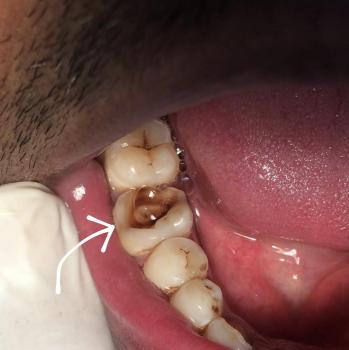
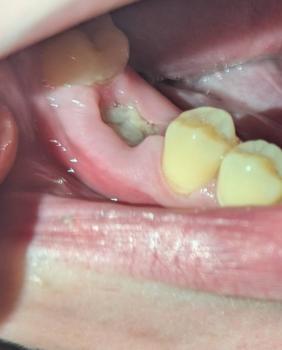
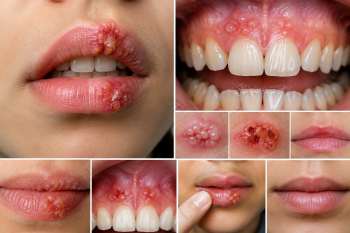
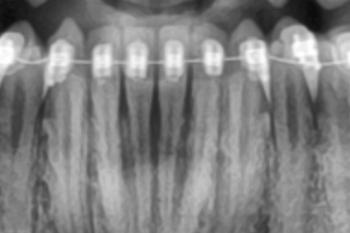
Patients with lower front gum inflammation may also experience tartar buildup, periodontal disease, gum abscesses, or tooth decay. Explore these related clinical case studies.
Other topics:
Other Dental Clinic