Because Every Tooth Deserves Care.

How to Avoid Root Canal Treatment: USA Expert Guide to Protecting Your Natural Teeth
Language :
Many people become nervous when they hear the words “root canal treatment.”
For years, root canals have been associated with fear, discomfort, and expensive dental procedures. In reality, modern root canal treatment is designed to save infected teeth and relieve pain. However, most patients would still prefer to avoid needing one in the first place.
The good news is this:
Many root canal cases can be prevented through proper oral care, healthy habits, early dental treatment, and daily protection of your teeth.
In this Cebu dental health guide, we will explore:
- Why root canals become necessary
- How poor oral habits damage teeth
- Daily strategies to protect your smile
- Foods that strengthen teeth naturally
- Warning signs you should never ignore
- A success story about saving a smile through early action
- Frequently asked questions about root canal prevention
By understanding how dental problems develop, you can greatly reduce your risk of severe tooth infection and preserve your natural teeth for many years.
What Is Root Canal Treatment?
Root canal treatment is a dental procedure used to remove infection inside the tooth.
Inside every tooth is soft tissue called the pulp, which contains:
- Nerves
- Blood vessels
- Connective tissue
When deep decay, cracks, trauma, or severe infection reach the pulp, bacteria begin damaging the inside of the tooth.
Without treatment, patients may experience:
- Severe tooth pain
- Swelling
- Sensitivity
- Dental abscess
- Tooth loss
A root canal helps save the natural tooth instead of extracting it.
But prevention is always better than treatment.
Why Many People Fear Root Canals
For some patients, fear comes from:
- Old stories about painful procedures
- Anxiety about dental visits
- Delaying treatment too long
- Financial concerns
- Fear of injections or drills
Ironically, many painful root canal situations happen because people postpone dental care until infection becomes severe.
Early prevention can often stop problems before they ever reach the tooth nerve.
The Silent Damage That Happens Over Time
Most serious dental infections do not happen overnight.
Tooth decay usually progresses slowly.
It often begins with:
- Small cavities
- Plaque buildup
- Poor brushing habits
- Sugary diets
- Missed dental check-ups
Without early treatment, bacteria move deeper into the tooth until the nerve becomes infected.
This is why daily oral care matters more than many people realize.
A Success Story: Carlo’s Second Chance to Save His Tooth
Ignoring the Pain
Carlo was a 32-year-old office worker in Cebu who rarely visited the dentist.
Whenever he felt slight tooth sensitivity, he ignored it.
“Okay ra na,” he would say.
He worked long hours and often relied on:
- Coffee
- Soft drinks
- Sweet snacks
At night, he sometimes fell asleep without brushing because he was too tired.
Months later, the sensitivity became stronger.
Then came sharp pain whenever he drank cold water.
Still, Carlo delayed treatment.
He feared hearing the words “root canal.”
The Day Everything Changed
One morning, Carlo woke up with swelling on the side of his face.
The pain had become unbearable.
He finally visited a dental clinic expecting the worst.
After examination, the dentist explained something surprising:
The infection had not fully reached the deepest part of the nerve yet.
Because Carlo came before complete nerve destruction occurred, early treatment saved the tooth without needing root canal therapy.
The dentist removed the decay, restored the tooth, and guided him on proper oral care.
Carlo felt relieved.
But more importantly, he realized how close he had come to losing his tooth.
A New Routine
After that experience, Carlo completely changed his habits.
He:
- Brushed properly twice daily
- Reduced sugary drinks
- Flossed regularly
- Scheduled routine cleanings
- Drank more water
- Stopped ignoring warning signs
Years later, his restored tooth remained healthy.
Sometimes, saving a smile begins the moment someone finally stops delaying care.
1. Maintain Excellent Oral Hygiene
Strong oral hygiene is the foundation of preventing root canal treatment.
When plaque and bacteria remain on teeth for long periods, they slowly weaken enamel and create cavities.
Once decay becomes deep enough, infection may spread toward the nerve.
Daily cleaning removes harmful bacteria before major damage develops.
Proper Brushing Technique Matters
Many people brush too aggressively or too quickly.
Healthy brushing should be:
- Gentle
- Slow
- Thorough
- Consistent
Important Brushing Tips
- Brush at least twice daily
- Spend two full minutes brushing
- Use a soft-bristled toothbrush
- Clean all tooth surfaces carefully
- Replace toothbrushes every 3 months
Brushing too hard may damage gums and enamel over time.
Flossing Protects Hidden Areas
Even excellent brushing cannot fully clean between teeth.
Food particles and bacteria trapped between teeth may eventually cause:
- Cavities
- Gum disease
- Bad breath
- Hidden infections
Daily flossing helps clean areas toothbrushes cannot reach.
Interdental brushes may also help patients with:
- Braces
- Bridges
- Tight spaces between teeth
Mouthwash Adds Extra Protection
Mouthwash is not a replacement for brushing and flossing, but it can support oral hygiene.
Fluoride mouthwash may help:
- Strengthen enamel
- Reduce bacteria
- Freshen breath
- Lower cavity risk
Some patients may also benefit from antimicrobial rinses recommended by dentists.
2. Eat Foods That Strengthen Teeth
Nutrition directly affects oral health.
Your teeth constantly interact with everything you eat and drink.
Some foods protect teeth.
Others slowly damage them.
Best Foods for Healthy Teeth
Strong teeth need minerals and vitamins.
Helpful foods include:
- Milk
- Cheese
- Yogurt
- Leafy vegetables
- Nuts
- Fish
- Eggs
- Crunchy fruits and vegetables
These foods support enamel strength and gum health.
Reduce Sugar and Acidic Drinks
Sugar feeds harmful oral bacteria.
Frequent consumption of:
- Soft drinks
- Candy
- Sweet coffee
- Energy drinks
- Sticky snacks
increases acid attacks on enamel.
Over time, cavities may develop and deepen.
Water remains one of the best drinks for oral health.
3. Protect Teeth From Physical Damage
Trauma and fractures may expose the inner tooth nerve, increasing the risk of infection.
Wear Mouthguards During Sports
Sports-related dental injuries are common.
Custom mouthguards help protect teeth during:
- Basketball
- Boxing
- Martial arts
- Football
- Cycling
Prevention is far easier than repairing traumatic tooth damage.
Avoid Chewing Hard Objects
Many people unconsciously damage teeth by chewing:
- Ice
- Hard candy
- Bottle caps
- Popcorn kernels
- Pens
These habits may cause cracks that allow bacteria to enter the tooth.
4. Never Ignore Early Warning Signs
One of the biggest reasons patients need root canals is delayed treatment.
Small problems often become major infections when ignored.
Symptoms You Should Never Ignore
Visit a dentist immediately if you experience:
- Tooth sensitivity
- Persistent tooth pain
- Swelling
- Gum boils
- Pain while chewing
- Broken teeth
- Darkened tooth color
- Prolonged sensitivity to hot or cold
Early treatment may prevent deeper infection.
Why Regular Dental Visits Matter
Many dental problems develop silently.
Routine check-ups help dentists detect:
- Early cavities
- Small fractures
- Gum disease
- Hidden infections
Professional cleanings also remove tartar that cannot be removed by regular brushing alone.
Most patients benefit from check-ups every six months.
The Emotional Cost of Delaying Dental Care
Many patients postpone treatment because of:
- Fear
- Busy schedules
- Financial concerns
- Anxiety
Unfortunately, untreated dental pain often affects:
- Sleep
- Eating
- Work performance
- Mood
- Confidence
What begins as a small cavity may eventually become severe infection and emotional stress.
Protecting Natural Teeth Is Always the Goal
Modern dentistry focuses heavily on preserving natural teeth whenever possible.
Your original teeth are valuable.
Preventive care helps avoid:
- Root canal treatment
- Tooth extraction
- Dental implants
- Advanced infection
Small daily habits create long-term protection.
Frequently Asked Questions (FAQ)
Is root canal treatment painful?
Modern root canal treatment is usually far more comfortable than many people expect. Local anesthesia helps minimize discomfort during the procedure.
Can brushing alone prevent root canals?
Brushing helps significantly, but complete prevention also requires:
- Flossing
- Healthy nutrition
- Regular dental visits
- Early treatment of cavities
Can cavities heal naturally?
Very early enamel damage may sometimes be remineralized with fluoride and good oral care. However, deeper cavities usually require professional dental treatment.
How often should I visit the dentist?
Most people should schedule dental check-ups every six months, although some patients may need more frequent visits.
Can stress affect root canal risk?
Yes. Stress may contribute to:
- Teeth grinding
- Poor oral hygiene
- Dry mouth
- Delayed dental visits
All of these may increase dental problems.
What happens if I ignore tooth pain?
Untreated infection may spread deeper into the tooth and surrounding tissues, potentially leading to:
- Severe pain
- Abscess formation
- Swelling
- Tooth loss
Root canal treatment exists to save infected teeth, but many cases can be prevented through consistent oral care and early action.
Healthy habits such as:
- Proper brushing
- Daily flossing
- Smart nutrition
- Routine dental visits
- Protecting teeth from trauma
can significantly reduce the risk of severe dental infection.
Carlo’s story reflects the reality many patients experience — delaying care out of fear until pain becomes impossible to ignore. Yet early treatment gave him a second chance to protect his natural tooth before major damage occurred.
Your teeth work hard every day.
Taking care of them today may help you avoid pain, costly procedures, and serious dental problems tomorrow.
Can tooth extraction cause infection? Mild inflammation is normal, but increasing swelling, fever, or severe pain may indicate infection. Learn more about post-extraction infection warning signs in this detailed guide.
Book a consultation with our Cebu dental specialists for proper evaluation and care.
Ready to get expert guidance?
If you’re experiencing severe pain or delayed healing, book a consultation with our Cebu dental specialists to get proper evaluation and care.
Consultation or contact page .
Book a Consultation
For severe discomfort or delayed healing, book a consultation with our Cebu dental specialists today.
Looking for a dentist? Browse our Cebu dental directory to find trusted clinics near you.
Medical Review and Clinical Basis
This article is based on clinical dental guidelines and real patient recovery patterns observed after tooth extraction procedures. The information reflects common post-extraction healing stages, including normal clot formation, gum tissue repair, and signs of possible complications such as dry socket or infection.
While mild discomfort is expected after a dental extraction, worsening pain after Day 3, bad odor, exposed bone, or spreading pain may require professional evaluation. These symptoms are consistent with known post-extraction complications described in standard dental practice.
About Cebu Dental Implants
Cebu Dental Implants provides comprehensive tooth extraction, surgical procedures, and dental implant services in the Philippines. Our team evaluates post-extraction healing, manages complications such as dry socket, and advises patients on proper aftercare to prevent infection and delayed healing.
If you experience severe pain or unusual symptoms after extraction, early professional assessment is recommended to prevent further complications.
Important Medical Disclaimer
This content is for educational purposes only and does not replace professional dental diagnosis. Every patient heals differently. If symptoms worsen or do not improve within a few days, consult a licensed dentist for proper evaluation and treatment.
Author
This article was prepared by the Cebu Dental Implants content team in consultation with licensed dental professionals experienced in tooth extraction and implant procedures.
Related Clinical Cases
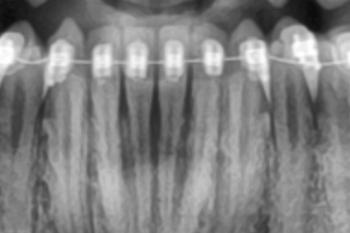
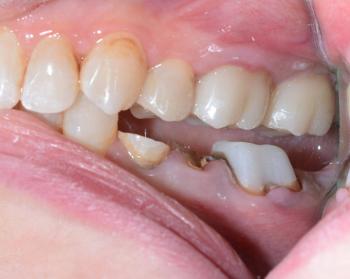
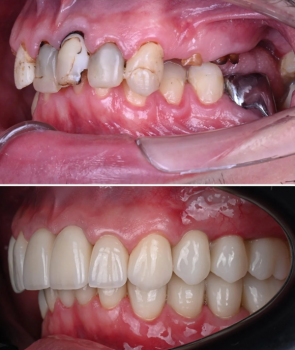
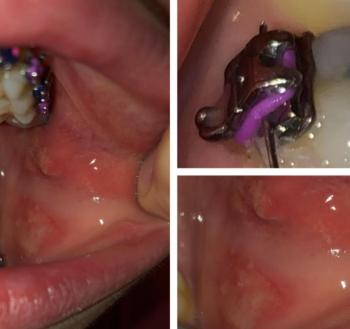
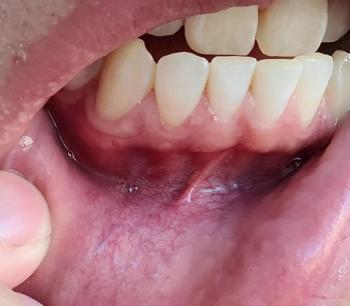
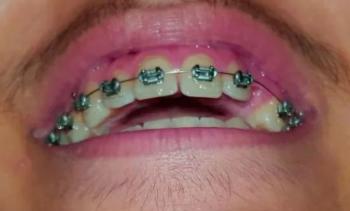
Patients with lower front gum inflammation may also experience tartar buildup, periodontal disease, gum abscesses, or tooth decay. Explore these related clinical case studies.

Other topics:
Other Dental Clinic