Modern Dentistry, Timeless Smiles.

Just a Crooked Smile: When London's Cost of Living Gets in the Way of Dental Health
Language :
Topics:
Blog Post: The Hidden Price of a Smile: A London Story About Overbites
For many families, fixing an overbite isn't a choice between braces—it's a choice between the dentist and the dinner table.
(The story begins in a small, warmly lit kitchen in East London. The rain patters against the window.)
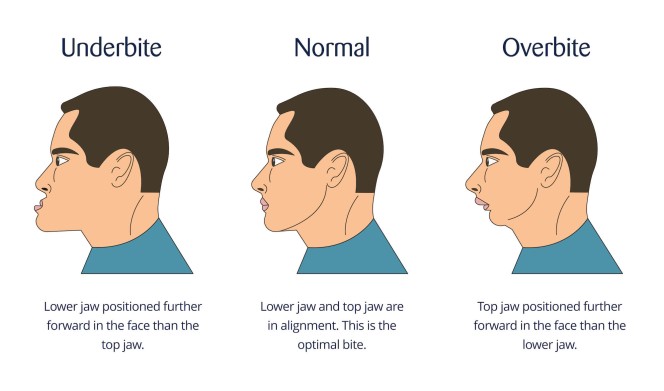
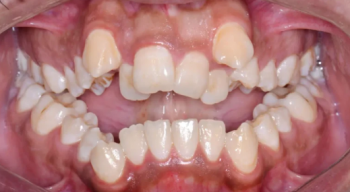
Maya traced her finger over the school photo again. Her daughter, Lily, beamed back at her, all front teeth and joy. But Maya’s eyes, as they always did, lingered on Lily’s smile. Her top teeth sat noticeably forward, covering the bottom ones almost completely—the classic sign of an overbite.
The dentist had mentioned it last year. "It's more than cosmetic," he’d said gently. "It can cause jaw pain, uneven wear, and make cleaning difficult." He’d talked about orthodontic assessments, braces, and a treatment plan. Then he’d mentioned the cost, and the room had suddenly felt very cold. The figure was more than their monthly grocery budget. In London, where every penny was already stretched between rent, transport, and bills, "orthodontic treatment" vanished from the list of possibilities, replaced by a silent, gnawing guilt.
Lily never complained. When kids at school occasionally called her "Bucky," she’d just shrug. "It’s just my smile, Mum," she’d say. But Maya noticed she was starting to cover her mouth when she laughed. She’d seen her wince sometimes when eating a crisp apple. The neglect wasn't by choice; it was by brutal economic reality.
The Overbite: More Than Meets the Eye
Maya’s story is heartbreakingly common in London and other major UK cities. An overbite isn't merely an aesthetic issue. It's a functional dental problem that, if left untreated, can lead to:
-
Jaw Pain and Headaches: The misalignment strains the jaw muscles and joint (TMJ).
-
Excessive Tooth Wear: The uneven meeting of teeth causes them to wear down prematurely.
-
Gum Damage and Tooth Decay: Protruding front teeth are more prone to trauma, and a deep overbite can cause the lower teeth to damage the gum tissue behind the upper teeth.
-
Speech and Chewing Difficulties.
For low-income families, the soaring cost of private dental care—especially complex orthodontics in cities like London—forces an impossible choice: manage the escalating consequences later or find the impossible funds now.
Is There Any Hope? Navigating the System
The path is difficult, but not completely closed. Families like Maya's can explore these avenues:
-
The NHS Route: Orthodontic treatment is available on the NHS for children under 18, but only if their case meets a specific clinical need threshold (measured by the Index of Orthodontic Treatment Need - IOTN). Not all overbites qualify. Waiting lists can be very long.
-
Dental Schools: Universities with dental schools (like King's College London) often offer significantly reduced rates for treatment provided by supervised, final-year students. Appointments take longer, but costs can be a fraction of private fees.
-
Payment Plans: Some private clinics offer monthly payment plans to spread the cost. It's always worth asking, though the total sum remains high.
-
Charitable Organisations: In rare cases of severe need, charities may offer assistance. Researching local and health-focused charities is worthwhile.
A Final Word of Advice
To any parent feeling Maya's guilt, the first and most crucial step is getting a professional assessment. Don't assume you can't afford anything. Book a consultation with an NHS dentist or a dental school to get a formal diagnosis and understand all your options, both public and private. Knowledge is power, and it’s the first step out of feeling helpless.
Lily’s smile deserves to be free and unselfconscious. In a city that demands so much, ensuring our children's health shouldn't feel like a luxury we cannot afford.
Looking for dentist : Visit directory list
Related Clinical Cases
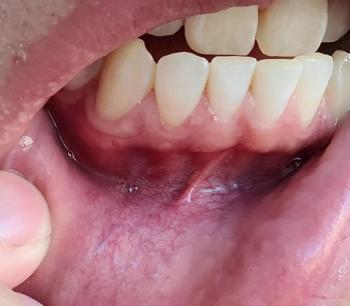
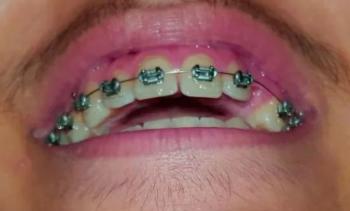
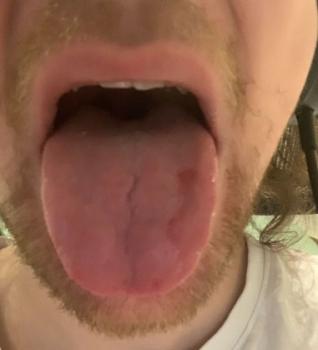
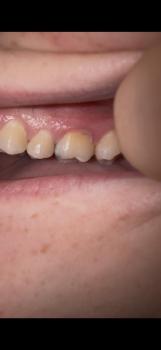
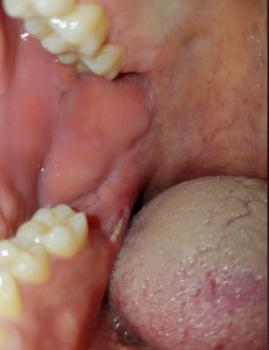
Patients with lower front gum inflammation may also experience tartar buildup, periodontal disease, gum abscesses, or tooth decay. Explore these related clinical case studies.


Other topics:
Other Dental Clinic