Healthy Teeth, Happy Life.

Lower Molars on Both Sides With Orthodontic Appliances Case Analysis
Image:
Severity:
Teeth Problems:
Lower Molar Orthodontic Appliances: Types, Benefits, Care, and Common Problems
Lower molars are the large teeth at the back of the lower jaw. They play an important role in chewing and maintaining a functional bite. When these teeth are tilted, rotated, crowded, or positioned incorrectly, an orthodontist may recommend an appliance designed to guide their movement or maintain the space needed for other teeth.
How Do Orthodontic Appliances Work on Lower Molars?
Lower molar orthodontic appliances apply carefully controlled forces to move teeth or maintain their position. The appropriate appliance depends on the patient's age, dental development, bite, available space, gum health, and treatment goals.
Common options include:
1. Molar bands
Molar bands are metal rings fitted around selected molars. They can provide strong support for orthodontic wires or other components. They are often used when an orthodontist needs reliable anchorage on the back teeth.
2. Buccal tubes and brackets
These attachments help hold an orthodontic archwire. The wire applies controlled force to guide teeth toward their planned positions. Buccal tubes are commonly attached to molar bands or bonded directly to suitable teeth.
3. Orthodontic separators
Separators are small elastic or spring-like devices placed between selected teeth to create space before molar bands are fitted. Patients may experience temporary pressure, tenderness, or discomfort while the teeth adjust.
4. Lower lingual holding arches and space maintainers
In selected children, these appliances help preserve space after the premature loss of primary teeth. Maintaining that space can support the proper eruption of permanent teeth. The appliance must be selected according to the child's dental development and the specific teeth involved.
5. Springs and other specialized appliances
Some orthodontic cases require springs or other components to correct the position of a tilted or displaced molar. More complex cases may need additional anchorage or coordinated treatment with other dental specialists.
Not every patient needs all these devices. An orthodontist determines the most suitable approach after examining the teeth and bite and, when indicated, reviewing dental X-rays.
What Problems Can Affect Lower Molar Alignment?
Lower molars may become difficult to align because of crowding, premature loss of baby teeth, delayed eruption, missing teeth, or an abnormal relationship between the upper and lower jaws.
A tilted lower molar may interfere with the bite or make cleaning between teeth more difficult. However, not every tilted molar requires orthodontic correction. Treatment is recommended when the expected benefits justify the risks and effort involved.
Orthodontic appliances should not be used to treat unexplained tooth pain without first identifying its cause. Cavities, cracked teeth, gum disease, and infection may require separate treatment before orthodontic forces are applied.
What Should Patients Expect During Treatment?
The first appointment usually involves an assessment of tooth alignment, bite, gum health, and dental history. Photographs, dental impressions or digital scans, and X-rays may be recommended when necessary.
After an appliance is fitted or adjusted, mild pressure and tenderness are common for a few days. Eating soft foods temporarily and following the orthodontist's instructions can help make this period more comfortable.
Patients should contact their orthodontist if pain becomes severe, persists beyond a few days, or is accompanied by marked swelling, significant gum inflammation, or a broken appliance.
How to Care for Lower Molar Orthodontic Appliances
Good oral hygiene is essential because molar bands, brackets, and wires can trap food and plaque.
-
Brush twice daily with fluoride toothpaste, paying particular attention to the gumline and the surfaces around the back teeth.
-
Clean around orthodontic attachments using an appropriate interdental brush or other tool recommended by the dental team.
-
Limit sugary foods and drinks, and avoid frequent acidic beverages.
-
Avoid very hard, sticky, or chewy foods that could loosen bands or damage orthodontic components.
-
Attend scheduled orthodontic reviews and routine dental examinations.
-
Never attempt to bend wires, tighten bands, or reposition teeth yourself.
A loose molar band or displaced appliance should be reported to the treating orthodontist. Do not pull off a band or use household glue to secure it.
Short Patient Story: A Lower Molar Concern in Dapitan City
Illustrative fictional case for patient education.
Miguel, a 13-year-old student from Dapitan City, noticed that food frequently became trapped around one of his lower back teeth. His mother also noticed that his new permanent teeth seemed crowded.
During a dental consultation, the dentist examined Miguel's bite and checked the condition of his gums and teeth. The dentist explained that the position of a lower molar and the available space for the remaining teeth needed further assessment.
After an appropriate orthodontic evaluation, a treatment plan was developed to address the alignment problem. A molar attachment was considered as part of the plan, with the exact appliance chosen according to the tooth position and the space available.
Miguel and his mother received instructions on brushing around the back teeth, cleaning near the orthodontic attachments, and avoiding foods that could damage the appliance. They were also advised to attend follow-up appointments so the orthodontist could monitor tooth movement and gum health.
The key lesson from Miguel's fictional case is that crowded or poorly aligned lower molars should be assessed rather than treated with a one-size-fits-all appliance. Early evaluation can help identify the problem and clarify the available treatment options.
Frequently Asked Questions
1. What is the best orthodontic appliance for a lower molar?
There is no single best appliance for every patient. Molar bands, buccal tubes, springs, fixed braces, and space-maintaining appliances serve different purposes. The choice depends on the tooth's position, the patient's age, and the treatment objective.
2. Do lower molar bands hurt?
Fitting a band may cause pressure or temporary tenderness. Some patients also experience soreness after adjustments. Severe or persistent pain, swelling, or a band that feels loose should be assessed by the dental team.
3. Why are separators placed between lower molars?
Separators create a small amount of space between neighboring teeth so that a molar band can be fitted more easily. They are temporary and should remain in place according to the orthodontist's instructions. If one falls out before the scheduled appointment, contact the orthodontic clinic for advice.
4. Can a tilted lower molar be corrected with braces?
In many cases, orthodontic treatment can improve the position of a tilted molar. However, the required mechanics depend on the degree of tilting, the condition of the tooth and its roots, and the surrounding bone and gums.
5. Can children use lower molar orthodontic appliances?
Yes. Selected children may benefit from appliances that maintain space, guide eruption, or correct developing bite problems. An orthodontic assessment helps determine whether early treatment is appropriate or whether monitoring is sufficient.
6. How long does lower molar orthodontic treatment take?
The duration varies according to the complexity of the problem and the appliance used. A simple intervention may require much less time than comprehensive braces treatment. Only the treating orthodontist can estimate the duration for an individual case.
7. What happens if a lower molar band becomes loose?
Contact the orthodontist promptly for instructions. Avoid chewing hard foods on that side and do not attempt to cement the band yourself. Seek urgent help if a component is inhaled, swallowed with breathing difficulty, or causes significant injury.
8. Can I eat normally with lower molar braces?
Most patients can continue eating a varied diet, but they should avoid foods that are very hard, sticky, or chewy. Cutting food into smaller pieces and choosing softer foods when teeth are sore can help protect the appliance.
9. Can orthodontic appliances damage lower molars?
Orthodontic treatment can carry risks, including enamel decalcification, tooth decay, gum inflammation, root resorption, and unwanted tooth movement. Good oral hygiene, appropriate treatment planning, and regular professional monitoring help reduce these risks.
10. Should a painful lower molar be treated with braces immediately?
No. Tooth pain should first be evaluated to determine whether decay, a crack, gum disease, infection, or another problem is responsible. Active dental disease may need treatment before orthodontic movement begins.
11. Can adults receive lower molar orthodontic treatment?
Yes. Adults can receive orthodontic treatment when their teeth and supporting tissues are suitable. Gum health, bone support, existing restorations, and other dental conditions should be evaluated before treatment begins.
12. When should I seek urgent dental care?
Seek urgent dental assessment for facial swelling, fever associated with dental pain, pus, or rapidly worsening symptoms. Difficulty breathing or swallowing, or swelling that threatens the airway, requires emergency medical care.
What Is Seen in This Case
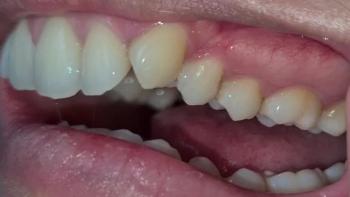
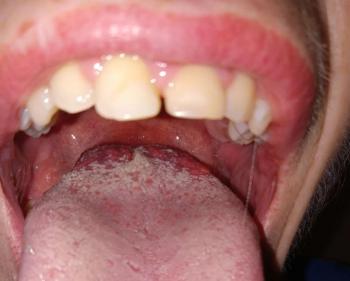
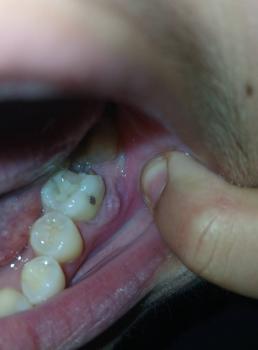
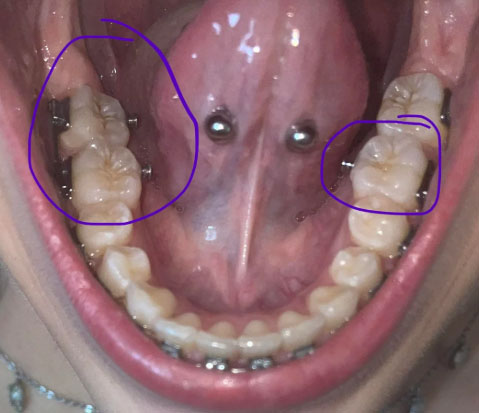
The image shows the lower jaw with molars on both the left and right sides, highlighted by circles. There are orthodontic components (brackets or attachments) present near the molars, and the chewing surfaces show plaque accumulation and early staining. The tongue piercings are visible but are not the main concern in this case.
This setup makes cleaning more difficult and increases the risk of decay around the molars.
Most Likely Diagnosis
Based on visual examination, the most likely findings include:
-
Plaque buildup around lower molars
-
Increased decay risk due to orthodontic appliances
-
Early enamel demineralization on chewing surfaces
-
Food trapping around brackets and molars
-
Mild gum irritation in hard-to-clean areas
A dental examination is needed to assess decay depth and gum health.
What Causes Problems Around Both Lower Molars
Common causes include:
-
Difficulty brushing around orthodontic appliances
-
Food getting trapped near brackets and molars
-
Inconsistent flossing or interdental cleaning
-
Prolonged orthodontic treatment without deep cleaning
Lower molars are already hard to clean, and braces increase this challenge.
Is This a Serious Problem
At this stage, the condition is manageable, but if ignored, it may scale up into:
-
Cavities forming on molars
-
Gum inflammation or infection
-
White spot lesions turning into decay
-
Bad breath
-
Need for fillings after orthodontic treatment
Early intervention prevents long-term damage.
Recommended Treatment Process
Initial Assessment (Days 1–3)
-
Dental examination
-
Evaluation of molars around brackets
-
Plaque and decay risk assessment
Active Care Phase (Days 4–7)
Treatment may include:
-
Professional dental cleaning
-
Removal of plaque around orthodontic appliances
-
Fluoride application if enamel is weakened
-
Oral hygiene instruction specific to braces
Monitoring Phase (Days 8–14)
-
Improved gum comfort
-
Reduced plaque accumulation
-
Continued monitoring during orthodontic visits
Expected Healing Time
-
Gum irritation improvement: 5–7 days
-
Plaque control stabilization: up to 14 days
Ongoing care is needed throughout orthodontic treatment.
What Happens If Treatment Is Delayed
If delayed beyond 14 days, this condition may worsen and lead to:
-
Cavities on molars
-
Gum disease
-
Permanent enamel damage
-
More complex dental treatment after braces
Prevention is easier than repair.
Home Care While Wearing Orthodontic Appliances
These steps help protect the molars:
-
Brush after every meal
-
Use interdental brushes or floss threaders
-
Rinse with fluoride mouthwash
-
Avoid sticky and sugary foods
Final Advice
Lower molar orthodontic appliances can help correct tooth alignment, improve bite function, or preserve space for developing teeth. The safest and most effective treatment begins with a proper dental examination and an individualized plan.
Patients in Dapitan City and elsewhere in the Philippines should consult a qualified dentist or orthodontist for an assessment rather than selecting an appliance based only on photographs or online advice.
Medical disclaimer: This article provides general educational information and does not replace an in-person dental examination, diagnosis, or individualized treatment advice.
Professional Comment
This case shows both lower molars under orthodontic treatment, an area at high risk for decay if plaque control is poor. Regular cleaning and early prevention are essential to finish orthodontic treatment with healthy teeth.
Visit a Dental Clinic Near You
For orthodontic dental cleaning and cavity prevention, visit:
https://cebudentalimplants.com/map-dental-clinic
Related Clinical Cases
Patients with lower front gum inflammation may also experience tartar buildup, periodontal disease, gum abscesses, or tooth decay. Explore these related clinical case studies.