Modern Dentistry, Timeless Smiles.

The Rising Cost of Dental Care in the Philippines: How Inflation and a Weakening Peso Could Put Affordable Dentistry Out of Reach
Language :
Topics:
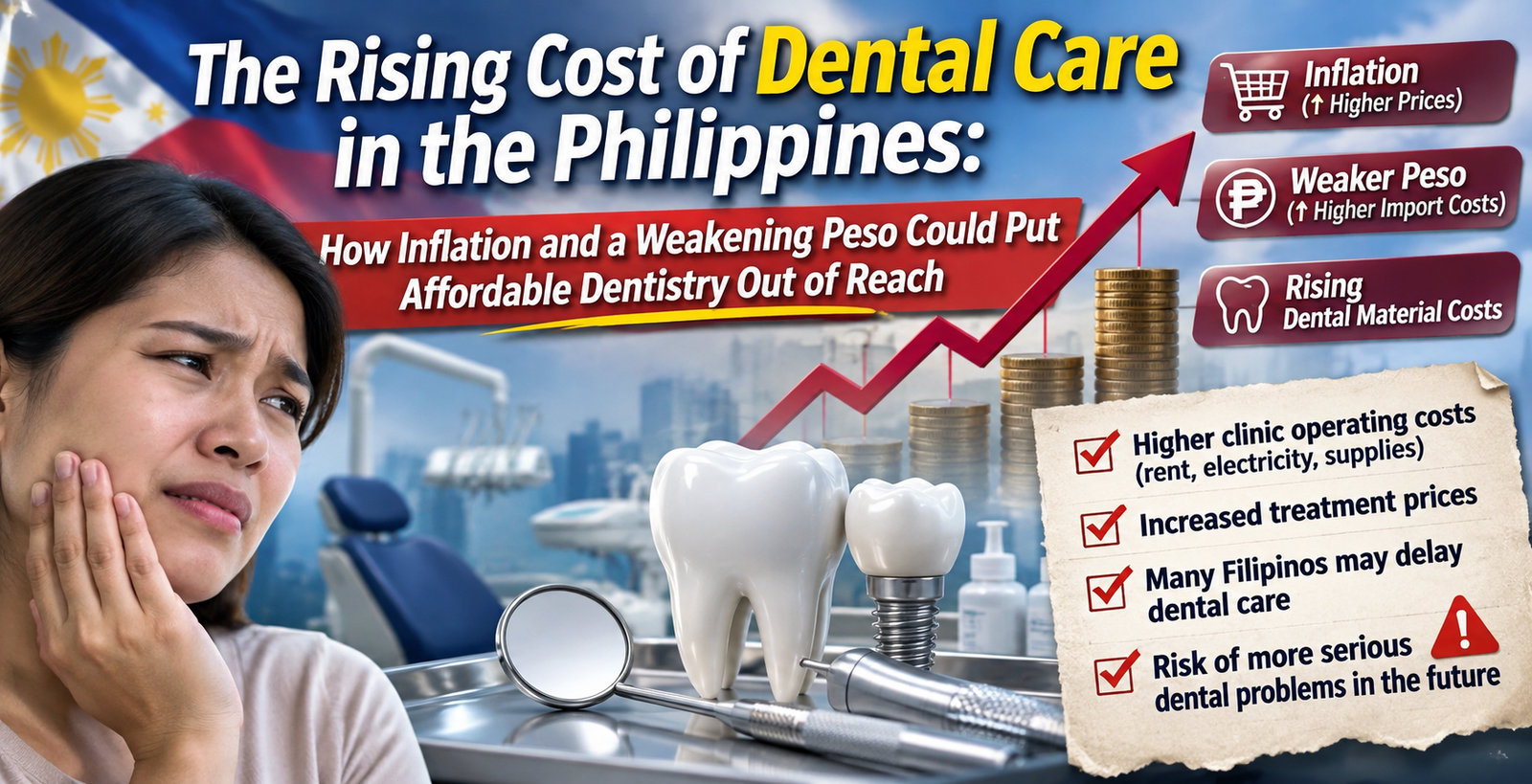
The rising cost of living is creating a serious economic challenge for both dental clinics and Filipino patients. As inflation increases, the Philippine peso loses purchasing power, imported materials become more expensive in peso terms, and the cost of operating a dental practice continues to face pressure.
The consequences could extend beyond the dental industry. If clinics are forced to increase treatment prices to survive, many Filipino families may postpone dental appointments, avoid preventive care, or leave serious dental conditions untreated.
This creates an important economic question: What happens to public oral health when dental treatment becomes increasingly difficult to afford?
1. Inflation is putting pressure on the Philippine dental industry
The latest Philippine Statistics Authority (PSA) report, released November 5, 2026, shows that national headline inflation accelerated to 7.8% in October 2026, compared with 7.2% in September.
Other important figures include:
-
Transport inflation: 20.1%.
-
Housing, water, electricity, gas and other fuels: 9.3%.
-
Health inflation: 5.9%.
-
Core inflation: 5.4%.
These increases matter because dental clinics depend on transportation, electricity, imported supplies, equipment maintenance, and other operating expenses.
Philippine Statistics Authority+1
For dental businesses, inflation is not simply an economic statistic. It directly affects the cost of providing treatment.
2. A weaker peso makes imported dental materials more expensive
Many dental products and technologies are sourced internationally. These include:
-
Dental implants and titanium components.
-
Zirconia and ceramic materials.
-
Dental crowns and prosthetic components.
-
Composite resins and bonding materials.
-
Root canal instruments and files.
-
Dental burs and specialized equipment.
-
Sterilization products and disposable supplies.
-
Digital scanners, milling machines and replacement parts.
When the Philippine peso weakens against the US dollar, clinics and distributors may need more pesos to purchase the same imported products.
For example, BSP exchange-rate data show the peso at approximately ₱58.68 per US dollar in November 2025 and around ₱63.49 on November 5, 2026. This is a significant change in the purchasing cost of dollar-denominated imports.
Bangko Sentral ng Pilipinas+1
Not every dental product is imported, and suppliers may have existing inventory or peso-denominated contracts. However, sustained currency weakness can eventually feed into replacement costs and supplier pricing.
3. Dental clinics are facing a difficult business environment
A dental clinic is not just a healthcare facility. It is also a business that must maintain financial stability to continue serving patients.
Its expenses include:
-
Monthly rental payments and building maintenance.
-
Salaries for dentists, assistants, receptionists and administrative staff.
-
Electricity, water and internet.
-
Dental supplies and laboratory services.
-
Equipment maintenance and replacement.
-
Sterilization, infection-control and waste-management expenses.
-
Taxes, permits and other business obligations.
When these expenses increase simultaneously, clinic owners face difficult decisions.
Some may absorb additional costs and accept smaller profit margins. Others may adjust their professional fees. Smaller clinics with limited financial reserves may struggle to maintain operations, particularly when patient numbers decline.
In some circumstances, businesses may reduce their services, relocate, or close.
However, it is important to distinguish this economic risk from a verified nationwide trend: inflation alone does not establish how many dental clinics are actually closing.
4. Higher dental prices could make treatment unaffordable
The most serious consequence may be experienced by ordinary Filipino families.
Many households are already prioritizing food, transportation, electricity, education and housing. Dental treatment can become a lower financial priority when household budgets are under pressure.
Consider the following hypothetical example:
|
Dental procedure |
Previous price |
Increased price |
|---|---|---|
|
Dental consultation |
₱500 |
₱650 |
|
Tooth extraction |
₱1,000 |
₱1,300 |
|
Dental filling |
₱1,500 |
₱1,950 |
|
Root canal treatment |
₱6,000 |
₱7,500 |
|
Dental crown |
₱10,000 |
₱12,500 |
|
Single dental implant |
₱65,000 |
₱75,000 |
Illustrative figures only, not verified national dental price averages or recommended price increases.
For a middle-income family, these differences may already be difficult to manage.
For minimum-wage earners and financially vulnerable households, even a relatively small increase in dental fees can discourage treatment.
The economic problem becomes more serious when patients need several procedures rather than just one.
5. The dangerous cycle: Delayed dental treatment creates more expensive problems
When patients cannot afford dental care, they may choose to ignore early symptoms.
A small cavity may develop into extensive tooth decay. An untreated infection may require more complex treatment. A tooth that could potentially have been restored may eventually need extraction.
This creates a dangerous economic cycle:
-
Patients postpone preventive dental visits.
-
Minor dental problems become more complicated.
-
Treatment becomes more expensive.
-
Patients delay care even longer.
-
More people may eventually require extractions, dentures, or complex restorative treatment.
The long-term consequence could be a greater burden of preventable oral disease.
Affordable preventive dentistry is not merely a healthcare benefit. It is an economic investment that can help families avoid much larger treatment expenses in the future.
6. Dental implant treatment could become less accessible
Dental implant treatment is particularly exposed to international supply costs because many implant systems, prosthetic components and related technologies are imported.
When the peso weakens and suppliers increase their prices, implant clinics may face higher procurement costs.
The impact can extend to:
-
Titanium implant fixtures.
-
Surgical components and abutments.
-
Zirconia crowns.
-
Dental laboratory production.
-
Bone grafting materials.
-
Surgical equipment and maintenance.
Patients who previously considered dental implants may postpone treatment or explore less expensive alternatives.
This could also affect the growth of dental implant businesses, particularly clinics targeting middle-income patients.
However, dental implants are not appropriate for every patient, and affordability should never replace proper clinical assessment.
7. What should dental clinic owners do to survive inflation?
From a dental healthcare economics perspective, increasing treatment prices should not be the only strategy.
Clinics should consider a more sustainable operating model.
A. Review procurement costs
Compare suppliers, negotiate bulk purchasing agreements where appropriate, and monitor inventory to minimize waste.
B. Maintain transparent pricing
Patients should understand treatment costs, possible additional procedures and payment arrangements before treatment begins.
C. Expand preventive dental services
Affordable consultations, professional cleaning, oral health education and early diagnosis can help patients avoid more expensive problems.
D. Improve operational efficiency
Digital patient records, appointment management and inventory monitoring can reduce unnecessary administrative expenses.
E. Consider flexible payment arrangements
Where financially sustainable, clinics can offer installment arrangements or phased treatment plans without compromising clinical standards.
F. Protect treatment quality
Clinics should never compromise sterilization, infection control, material quality or professional standards simply to reduce costs.
8. What should the Philippine healthcare system consider?
The affordability of dental care deserves greater attention from healthcare policymakers and industry stakeholders.
Possible approaches include:
-
Strengthening access to preventive dental services in public healthcare facilities.
-
Expanding community-based oral health education.
-
Supporting dental services for low-income families.
-
Improving access to PhilHealth-covered dental benefits where applicable.
-
Encouraging transparent pricing and responsible competition.
-
Exploring ways to reduce supply-chain costs for essential dental materials.
Public and private dental providers have complementary roles in maintaining access to oral healthcare.
The challenge is to ensure that rising business costs do not create an increasingly large gap between people who can afford dental treatment and those who cannot.
9. Economic outlook: Will Filipino dental patients face a greater oral health burden?
The outlook depends on several factors, including inflation, exchange-rate movements, household income, employment conditions, imported material prices and the ability of clinics to control operating expenses.
If these pressures remain elevated while household purchasing power weakens, dental treatment may become less accessible to a significant number of Filipinos.
The risk is not simply that dental clinics will charge more.
The bigger concern is that patients may stop seeking treatment until their conditions become emergencies.
That would create additional costs for families, healthcare providers and the wider healthcare system.
Conclusion: Dental care should not become a luxury
The Philippine dental industry is facing an important economic challenge.
Dental clinics need sufficient revenue to pay employees, purchase quality materials, maintain equipment and remain financially sustainable. At the same time, Filipino patients need access to reasonably priced dental services.
These two interests must not become opposing forces.
When operating costs rise, clinics face pressure to increase prices. When treatment prices rise faster than household incomes, patients may delay necessary care.
This is a problem that affects the entire healthcare ecosystem.
A country cannot build a healthier population if ordinary families can no longer afford to protect their teeth.
The future of Philippine dentistry should not be measured only by the number of clinics, advanced equipment or expensive implant procedures. It should also be measured by how accessible quality dental care remains to ordinary Filipino families.
The Story of Dave: A Dentist Fighting Inflation, Rising Costs and the Challenge of Keeping His Clinic Alive
Narrator voice: Professional documentary storytelling, emotional, realistic and inspiring.
Chapter 1: Ten Years of Building Trust
For ten years, Dr. Dave had dedicated his life to building his dental practice.
His journey was never easy.
When he first opened his clinic, he had limited resources, modest equipment and only a handful of patients.
But Dave believed in something more important than immediate profit: patient satisfaction.
He treated every patient with care, listened to their concerns and worked hard to deliver quality dental services.
Over the years, something remarkable happened.
His clinic developed a strong reputation. Patients began recommending his services to friends, relatives and colleagues. Positive reviews accumulated, and returning patients became the foundation of his business.
For Dave, those reviews represented more than stars on a computer screen.
They represented ten years of hard work, trust and professional commitment.
Chapter 2: The Economic Storm Arrives
But the economic environment began changing.
The cost of operating a dental clinic continued to rise.
First came the rental expenses.
The monthly rent increased, placing additional pressure on the clinic's operating budget.
Then came electricity.
Dental equipment, air-conditioning systems, compressors, sterilizers, lighting and other machines require electricity to operate. With higher utility bills, maintaining a comfortable and safe clinical environment became increasingly expensive.
And then came dental materials.
Imported dental supplies, implant components, composite resins, laboratory materials, sterilization products and equipment replacement parts became more expensive.
The weakening peso added another layer of pressure to purchasing imported products.
Dave began asking himself a difficult question:
How can I maintain the same quality of dental services when almost everything costs more?
Chapter 3: The Profit Is Disappearing
The clinic was still operating.
Patients were still coming.
The reviews were still positive.
The reputation he had built over ten years remained strong.
But something had changed.
His profit had declined significantly.
More money was going toward rent, electricity, salaries, laboratory services, dental supplies and other operating expenses.
Even when revenue remained relatively stable, the money left after paying expenses became smaller.
He could increase his treatment prices, but he knew that many Filipino families were already struggling with the rising cost of living.
If he increased prices too aggressively, some patients might postpone their appointments.
If he kept prices unchanged, his business would absorb more of the financial pressure.
It was a difficult position for any healthcare business owner.
Dave was caught between two responsibilities: keeping his clinic financially sustainable and keeping dental treatment accessible to his patients.
Chapter 4: Why Dave Refuses to Give Up
Despite all these challenges, Dave still had something that inflation could not easily take away.
His courage.
He remembered the patients who trusted him.
He remembered the families who returned year after year.
He remembered the positive reviews written by people whose lives had been improved by his services.
Ten years of professional reputation could not simply be replaced overnight.
Dave understood that a successful dental practice was not built only through expensive equipment or advertising.
It was built through consistency, ethical treatment, communication and patient satisfaction.
He decided that his next challenge would be to protect that reputation while finding a more sustainable way to operate.
He would review expenses, negotiate with suppliers, improve inventory management and carefully evaluate his treatment pricing.
He would continue investing in patient relationships.
Because he knew that trust was one of the most valuable assets his clinic possessed.
Chapter 5: The Voice of a Dental Business Economics Expert
From a dental healthcare economics perspective, Dave's story represents a challenge that many small and independent dental practices may recognize.
A dental clinic can have excellent patient reviews, a loyal customer base and a decade of professional experience, yet still experience declining profitability.
This happens because reputation and financial sustainability are two different things.
A clinic may be successful in attracting and retaining patients but struggle when its operating costs increase faster than its revenue.
There are three important economic considerations:
1. Revenue does not equal profit.
A clinic generating substantial revenue may still have limited net income after paying rent, salaries, utilities, materials and laboratory expenses.
2. Patient loyalty does not eliminate inflation.
Even an established clinic must continually manage its purchasing costs and operating efficiency.
3. Increasing prices has limitations.
Dental care is price-sensitive for many households. Excessive price increases may discourage patients from seeking preventive treatment.
The challenge is to balance business survival, clinical quality and patient affordability.
Chapter 6: A Message to Every Dentist
Dave's story is not simply about financial difficulties.
It is about perseverance.
Ten years of building a dental practice should mean something.
The positive reviews, patient recommendations and relationships are valuable business assets. They are evidence of years of commitment.
However, dentists must also recognize that healthcare businesses cannot survive on reputation alone.
They need sustainable financial planning, responsible cost management and an understanding of the changing economic environment.
To every dentist facing similar circumstances:
Continue providing quality care, protect your professional reputation, understand your numbers and adapt your business model.
Inflation may reduce your profit, but it does not erase the value of the trust you have built.
Sometimes the greatest achievement is not how much money a clinic earns, but how many years it continues serving people without abandoning its professional values.
Closing narration
DOCUMENTARY NARRATOR – DEEP, CALM AND EMOTIONAL
"Ten years ago, Dave started with a dream.
He built a dental clinic, one patient at a time.
He earned trust. He earned respect. He earned thousands of positive experiences.
Today, the economic environment is different.
Rent is higher. Electricity is more expensive. Dental materials cost more. Profit margins are shrinking.
But Dave is still standing.
Because behind every successful dental clinic is a story of sacrifice, responsibility and courage.
And sometimes, surviving another difficult year is already a remarkable achievement."
Related Clinical Cases
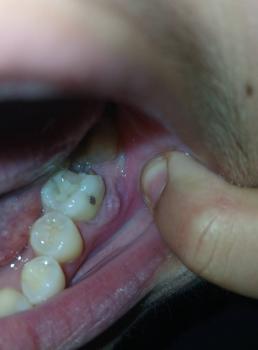
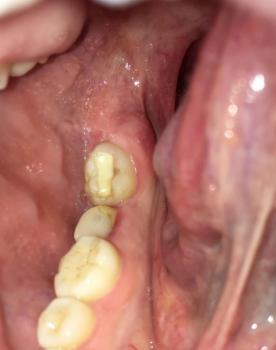
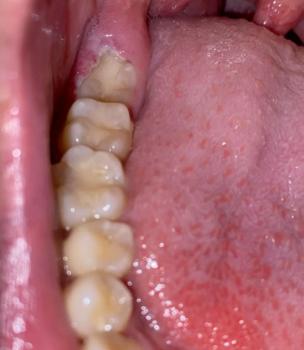
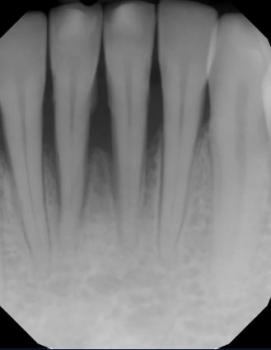
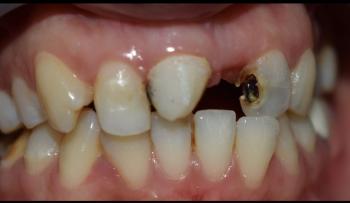
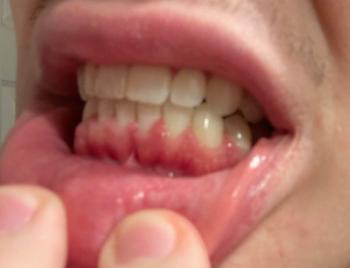
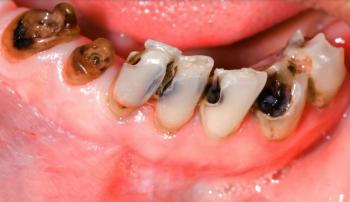
Patients with lower front gum inflammation may also experience tartar buildup, periodontal disease, gum abscesses, or tooth decay. Explore these related clinical case studies.