Because Every Tooth Deserves Care.

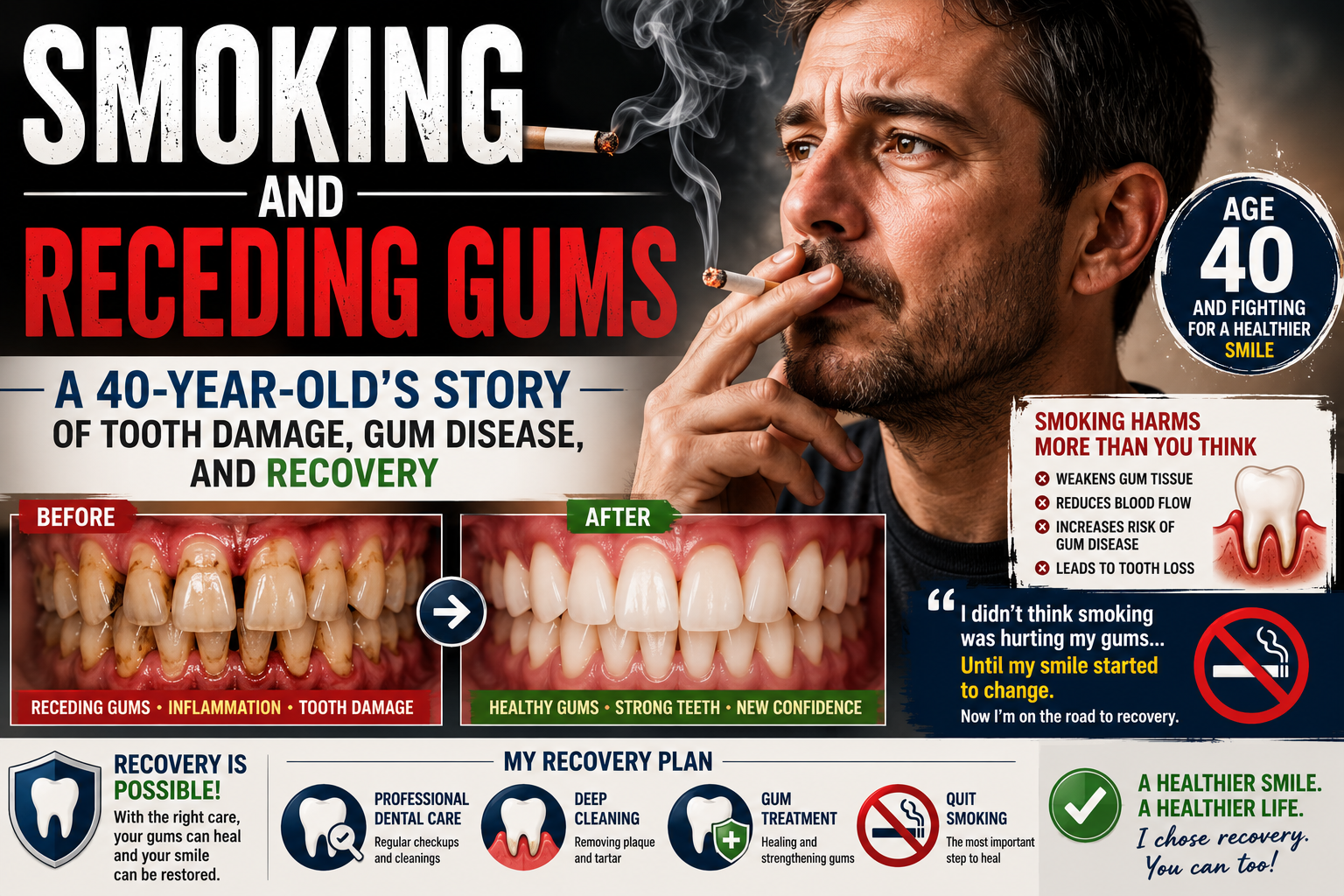
Smoking and Receding Gums: A 40-Year-Old's Story of Tooth Damage, Gum Disease, and Recovery
Language :
Topics:
I’m 40, I Still Smoke, and My Gums Are Receding: My Wake-Up Call to Finally Take My Dental Health Seriously
I never imagined that turning 40 would make me worry more about my teeth than my career, finances, or even getting older. For years, I convinced myself that smoking wasn't affecting my health too much. I told myself that if I wasn't in pain, everything was fine. I brushed most mornings, skipped flossing more often than I should, drank coffee throughout the day, and smoked a pack of cigarettes almost every day.
Looking back now, I realize my mouth had been giving me warning signs for years.
It started with bleeding gums whenever I brushed my teeth. Then my breath seemed to smell worse no matter how much mouthwash I used. Eventually, my teeth became sensitive whenever I drank cold water. One morning while looking in the mirror, I noticed something strange. My teeth suddenly looked longer.
At first, I thought I was imagining things.
But after comparing older photos, I realized my gums had slowly pulled away from my teeth. The roots were becoming visible.
That was the beginning of my journey with receding gums.
As someone who continued smoking despite knowing the risks, I want to share my story in hopes that someone else won't make the same mistakes I did.
I Ignored the Small Warning Signs
Like many smokers, I believed dental problems only happened to older people.
I was only 40.
I still exercised occasionally.
I rarely felt severe tooth pain.
So I assumed everything was fine.
The first symptoms seemed harmless:
-
Gums bleeding after brushing
-
Slight bad breath
-
Yellow teeth from smoking
-
Mild sensitivity to cold drinks
-
Occasional gum tenderness
Since none of these symptoms stopped me from working or enjoying life, I ignored them.
That was one of my biggest mistakes.
Smoking Changed More Than the Color of My Teeth
Most smokers expect stained teeth.
I certainly did.
What I didn't understand was how smoking quietly affects the entire mouth.
Over time, smoking can:
-
Reduce blood circulation to the gums
-
Slow healing
-
Increase plaque buildup
-
Encourage harmful bacteria
-
Hide signs of gum disease because smokers often bleed less than non-smokers
-
Increase the risk of tooth loss
Ironically, because smoking reduces bleeding, many smokers mistakenly think their gums are healthy.
Mine weren't.
When My Teeth Started Looking Longer
One morning I smiled in the bathroom mirror.
Something looked different.
My teeth appeared much longer than before.
The gumline had slowly moved downward.
At first it wasn't painful.
That made it even easier to ignore.
But exposed tooth roots are far more vulnerable than the enamel-covered crown.
Soon I experienced:
-
Sharp pain when drinking cold water
-
Pain while eating ice cream
-
Sensitivity while brushing
-
Discomfort breathing cold air
Simple daily activities became uncomfortable.
I Finally Went to the Dentist
After months of denial, I scheduled an appointment.
The dentist examined my mouth carefully.
Then came the words I didn't want to hear.
"You have significant gum recession."
The dentist explained that years of smoking had contributed to inflammation, plaque buildup, and damage to the supporting tissues around my teeth.
Some areas already showed early bone loss.
That frightened me.
I had always assumed losing teeth happened in old age.
Instead, it had already begun.
Understanding Gum Recession
The dentist explained gum recession in simple terms.
Healthy gums fit snugly around each tooth.
When gums recede, they pull away from the tooth surface.
This exposes the roots underneath.
Unlike enamel, tooth roots are softer and much easier to damage.
Exposed roots can develop:
-
Tooth sensitivity
-
Root cavities
-
Structural weakening
-
Increased risk of infection
-
Higher chance of tooth loss
The earlier gum recession is treated, the better the chances of protecting the remaining support around the teeth.
Smoking Made Everything Worse
My dentist didn't lecture me.
Instead, they explained the science.
Smoking decreases oxygen delivery to gum tissues.
It reduces the body's ability to fight infection.
Healing after dental treatment also becomes slower.
This means smokers often experience:
-
More severe gum disease
-
Slower recovery after cleanings
-
Poor healing after surgery
-
Higher risk of implant failure
-
Increased tooth loss
Hearing those facts made me realize cigarettes were damaging more than my lungs.
The Financial Cost
I had always believed cigarettes helped me relax.
I never calculated the hidden costs.
Besides buying cigarettes, I now faced:
-
Deep cleaning appointments
-
Dental X-rays
-
Gum evaluations
-
Prescription medications
-
Specialized toothpaste
-
Possible gum graft surgery
The money I spent smoking for years could have paid for preventive dental care many times over.
Learning Better Oral Hygiene
My dentist taught me that brushing harder wasn't the answer.
In fact, brushing aggressively can worsen gum recession.
Instead, I learned to:
-
Use a soft-bristled toothbrush
-
Brush gently in circular motions
-
Clean along the gumline
-
Floss carefully every day
-
Use fluoride toothpaste
-
Avoid tobacco products
-
Drink more water
These small habits made a noticeable difference over time.
My Daily Routine Changed
Instead of rushing through brushing, I began taking my time.
Morning:
-
Brush gently for two minutes
-
Clean my tongue
-
Floss
-
Drink water before coffee
During work:
-
Drink water regularly
-
Reduce sugary snacks
-
Avoid smoking immediately after meals
Evening:
-
Brush again before bed
-
Floss carefully
-
Use alcohol-free mouthwash
Consistency became more important than perfection.
I Tried Cutting Back on Smoking
Quitting completely wasn't easy.
I won't pretend it happened overnight.
At first, I reduced the number of cigarettes each day.
Even small reductions helped me become more aware of my habits.
Every cigarette I didn't smoke felt like one small step toward protecting the teeth I still had.
The Emotional Impact
Dental problems affected more than my mouth.
I smiled less.
I worried people noticed my stained teeth.
I covered my mouth while laughing.
I became self-conscious during conversations.
I never realized how much confidence depends on a healthy smile.
Foods That Became Difficult
As gum recession progressed, certain foods became uncomfortable.
Ice cream hurt.
Cold soda caused sharp pain.
Hot coffee sometimes triggered sensitivity.
Crunchy foods irritated exposed roots.
Eventually I started choosing foods based on comfort instead of enjoyment.
What My Dentist Recommended
My treatment plan included several important steps.
Professional cleaning removed plaque and tartar below the gumline.
Sensitive areas received fluoride treatment.
I switched to toothpaste designed for sensitive teeth.
The dentist monitored areas with recession every few months.
If certain areas worsened, gum grafting could become necessary.
Fortunately, early intervention helped stabilize many areas.
Why Early Treatment Matters
One thing surprised me.
Gum tissue usually doesn't grow back on its own.
That means preventing additional recession becomes incredibly important.
Ignoring the problem only increases the likelihood of:
-
Root decay
-
Loose teeth
-
Bone loss
-
Tooth fractures
-
Tooth extraction
Early treatment often saves both teeth and money.
Lifestyle Changes Beyond Brushing
Protecting my gums required more than oral hygiene.
I also worked on improving my overall health.
I tried to:
-
Sleep longer
-
Eat more fruits and vegetables
-
Reduce sugary drinks
-
Exercise regularly
-
Manage stress
-
Drink plenty of water
Healthy habits benefit the entire body, including the mouth.
Advice to Fellow Smokers
If you're reading this and still smoke like I do, please don't wait until severe pain forces you into the dental office.
Pay attention if you notice:
-
Bleeding gums
-
Persistent bad breath
-
Teeth looking longer
-
Gum recession
-
Tooth sensitivity
-
Loose teeth
-
Swollen gums
These symptoms deserve professional evaluation.
Ignoring them won't make them disappear.
What I Wish I Had Done Earlier
If I could go back ten years, I would:
-
Visit the dentist every six months
-
Stop smoking sooner
-
Floss every day
-
Wear a night guard if grinding my teeth
-
Drink less soda
-
Take bleeding gums seriously
Those simple decisions might have prevented much of the damage.
Encouragement for Anyone Feeling Ashamed
Dental problems happen to millions of adults.
Whether caused by smoking, genetics, aging, medications, or poor oral hygiene, there is no reason to feel embarrassed.
Dentists see these conditions every day.
Seeking help is always better than hiding the problem.
My Biggest Lesson
At 40, I finally realized something important.
Healthy teeth don't happen by accident.
They're the result of consistent daily care and regular professional checkups.
Smoking didn't destroy my gums overnight.
It happened slowly.
Likewise, improving my oral health also happens one day at a time.
Every healthy decision matters.
Final Thoughts
Today, I'm still working on reducing my smoking while improving my oral health.
My gums aren't perfect.
Some recession remains.
But I'm no longer ignoring the warning signs.
If you're a smoker and you've noticed your gums pulling away from your teeth, don't wait until you lose a tooth.
Schedule a dental examination as soon as possible.
Professional treatment can often slow disease progression, reduce discomfort, and help preserve your natural smile.
The sooner you act, the more treatment options you'll likely have.
Your future self—and your smile—will thank you.
Prioritizing Your Dental Health
It is essential to distinguish between standard structural or gum issues and a true medical emergency.
Emergency Warning: Facial Cellulitis
If your receding gums or any tooth discomfort are accompanied by signs of dental-origin facial cellulitis—a serious infection that has spread from the tooth or gums into the soft tissues of the face or neck—you must seek immediate professional medical or dental care. These infections can progress rapidly toward the airway or bloodstream and become life-threatening.
Go to the nearest emergency room or seek emergency dental care immediately if you experience:
-
Difficulty breathing or a feeling of tightness in the throat
-
Difficulty swallowing or excessive drooling
-
Swelling that spreads rapidly toward your eye, neck, or down toward your chest
-
High fever, chills, or extreme fatigue
-
Confusion, disorientation, severe headache, or a stiff neck
Managing Receding Gums and Dental Damage
If you are not experiencing any of the emergency warning signs listed above, receding gums and structural tooth damage should still be evaluated promptly by a dental professional.
Seek Professional Dental Care Promptly
When gum tissue pulls away from the teeth, it exposes the roots, making them more vulnerable to tooth decay, structural damage, sensitivity, and deep fractures. Depending on the severity, treatment may include:
-
Professional dental cleaning
-
Scaling and root planing (deep cleaning)
-
Fluoride treatments
-
Tooth-colored fillings
-
Root canal treatment
-
Gum graft surgery
-
Periodontal therapy
-
Ongoing maintenance visits
Do Not Ignore Receding Gums
Gum recession and periodontal disease do not heal on their own. Even if you are not experiencing pain, untreated gum disease weakens the structures supporting your teeth and can eventually lead to tooth loss. Chronic oral infections have also been associated with broader health concerns affecting the heart, diabetes management, and overall well-being.
Manage Discomfort Safely at Home
Until you can see your dentist:
-
Apply a cold compress or ice pack wrapped in a towel to the outside of your cheek for 10–20 minutes at a time.
-
Brush gently using a soft-bristled toothbrush.
-
Avoid smoking, if possible, as it delays healing.
-
Stay hydrated and maintain good oral hygiene.
Important—Avoid Heat
Never place a heating pad or warm compress over a swollen area of the face caused by a suspected dental infection. Heat increases blood flow and may accelerate the spread of an underlying infection.
Disclaimer: This article is intended for educational purposes only and does not replace a professional dental or medical examination. If you suspect a dental emergency or facial cellulitis, seek immediate emergency care.
Can tooth extraction cause infection? Mild inflammation is normal, but increasing swelling, fever, or severe pain may indicate infection. Learn more about post-extraction infection warning signs in this detailed guide.
Book a consultation with our Cebu dental specialists for proper evaluation and care.
Ready to get expert guidance?
If you’re experiencing severe pain or delayed healing, book a consultation with our Cebu dental specialists to get proper evaluation and care.
Consultation or contact page .
Book a Consultation
For severe discomfort or delayed healing, book a consultation with our Cebu dental specialists today.
Looking for a dentist? Browse our Cebu dental directory to find trusted clinics near you.
Medical Review and Clinical Basis
This article is based on clinical dental guidelines and real patient recovery patterns observed after tooth extraction procedures. The information reflects common post-extraction healing stages, including normal clot formation, gum tissue repair, and signs of possible complications such as dry socket or infection.
While mild discomfort is expected after a dental extraction, worsening pain after Day 3, bad odor, exposed bone, or spreading pain may require professional evaluation. These symptoms are consistent with known post-extraction complications described in standard dental practice.
About Cebu Dental Implants
Cebu Dental Implants provides comprehensive tooth extraction, surgical procedures, and dental implant services in the Philippines. Our team evaluates post-extraction healing, manages complications such as dry socket, and advises patients on proper aftercare to prevent infection and delayed healing.
If you experience severe pain or unusual symptoms after extraction, early professional assessment is recommended to prevent further complications.
Important Medical Disclaimer
This content is for educational purposes only and does not replace professional dental diagnosis. Every patient heals differently. If symptoms worsen or do not improve within a few days, consult a licensed dentist for proper evaluation and treatment.
Author
This article was prepared by the Cebu Dental Implants content team in consultation with licensed dental professionals experienced in tooth extraction and implant procedures.
Related Clinical Cases
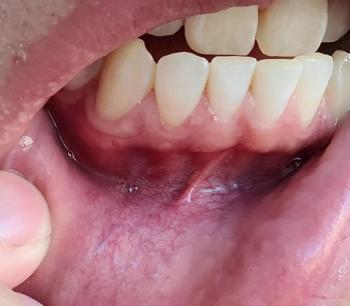
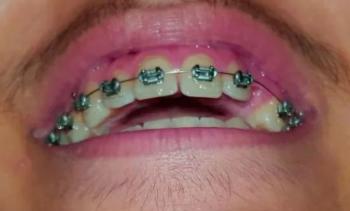
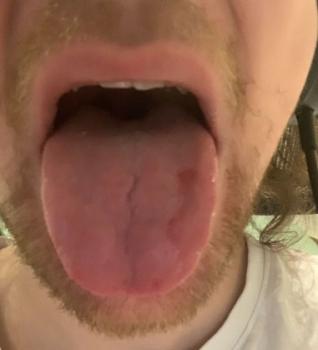
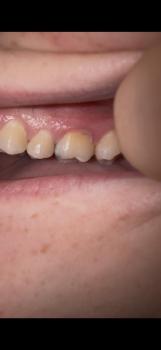
Patients with lower front gum inflammation may also experience tartar buildup, periodontal disease, gum abscesses, or tooth decay. Explore these related clinical case studies.


Other topics:
Other Dental Clinic