Smile Again with Comfort and Confidence.

From Water Abundance to Blue Gold: Redefining National Security in the Philippines
Language :
Topics:
The Coming Thirst: A Philippine Reality Check on Global 'Day Zero' Droughts
For generations of Filipinos, the narrative of water has been one of abundance—of typhoon-filled rainy seasons, overflowing dams, and a landscape rich with rivers and springs
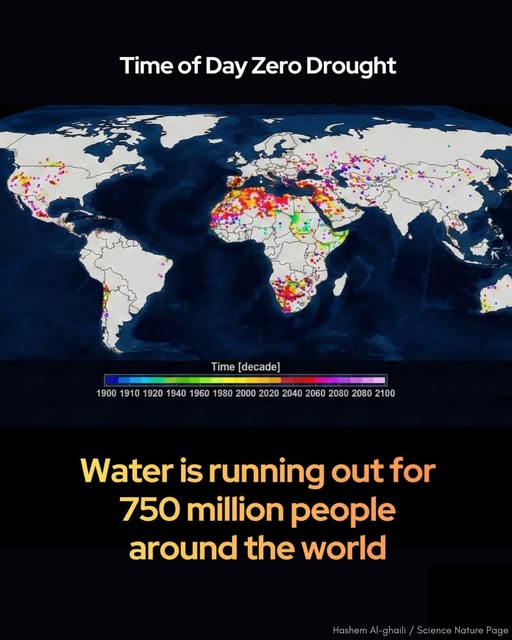
. Yet, a stark new global warning should make us pause: extreme "Day Zero" water shortages, where taps run completely dry, could threaten vulnerable regions across the globe within just 15 years.
While the Philippines is blessed with significant rainfall, it is not a stranger to crippling drought, especially during strong El Niño events like those of 1982/83, 1997/98, and 2015
. The threat is not theoretical but cyclical and intensifying. This blog reframes the looming global water crisis not as a distant news headline, but as a direct challenge to the Philippines' future security and prosperity.
The Anatomy of a "Day Zero": More Than Just Drought
A "Day Zero" event is more than a lack of rain. It is a systemic failure where total water demand from households, industries, and agriculture exceeds the available supply from rain, rivers, and reservoirs
. This tipping point is reached through a confluence of factors:
-
Climate Change: A warmer atmosphere leads to more frequent and severe droughts, even in traditionally wet regions.
-
Rising Demand: Growing urban populations, industrial expansion, and agricultural needs put immense pressure on finite water resources.
-
Infrastructure & Management: Leaky pipes, inefficient irrigation, and poor watershed management can waste vast quantities of water before it ever reaches a tap
Globally, cities from Cape Town to Chennai have already stared into the abyss
. In Cape Town's 2018 crisis, dam levels dropped to near 13.5%, prompting plans to cut off municipal supply to most residents and institute rationing of 25 liters per person per day at centralized collection points.
Why the Philippines Must Pay Attention
The Philippines' vulnerability lies in its dependence on rainfall patterns heavily influenced by the El Niño-Southern Oscillation (ENSO). During strong El Niño years, rainfall plummets. For example, the Angat Reservoir—critical for Metro Manila's water supply—averaged just 32% of its normal levels during the 1997/98 drought, forcing water rationing and crippling agriculture.
The risk is compounded by rapid urbanization and uneven infrastructure development. While not currently facing the acute scarcity of some global cities, many urban Filipinos already experience unreliable or intermittent water service
. When systems are stressed, low-income communities are hit hardest, often forced to buy expensive, sometimes unsafe, water from private vendors.
Beyond Crisis: Framing Water as "Blue Gold" and National Security
The narrative around water must shift from seeing it as a simple commodity to recognizing it as "Blue Gold"—the foundational asset for national stability.
-
Economic Security: Water is essential for power generation (hydro and geothermal), manufacturing, and the backbone of our economy: agriculture. A sustained drought could devastate crop yields and food prices.
-
Social Stability: History provides stark lessons. The 1911-1912 drought—the most severe on record in the Philippines—led to widespread crop failure, skyrocketing rice prices, and significant social unrest, fueling what historians call "disaster nationalism".
-
Geopolitical Factor: In a world of increasing scarcity, nations with secure, well-managed water resources gain strategic advantages. Conversely, large-scale water insecurity could drive internal displacement and complicate regional relations.
Proactive Pathways: How the Philippines Can Build Resilience
Avoiding a future crisis requires decisive action today. The strategy must be two-pronged: dramatically reducing water demand and intelligently increasing and securing supply.
1. Demand Management: Using Every Drop Wisely
-
Fix the Leaks: A national program to audit and repair aging municipal water systems can save billions of liters lost daily.
-
Modernize Agriculture: Promoting drip irrigation and climate-smart cropping can drastically cut water use in the sector that consumes the most.
-
Incentivize Efficiency: Tariff structures that reward conservation and regulations requiring water-efficient fixtures in homes and businesses.
2. Supply-Side Innovation: Diversifying Our Water Portfolio
-
Invest in Storage: Building new reservoirs and rehabilitating existing ones to capture more rainfall during wet seasons.
-
Promote Reuse: Treating wastewater to non-potable standards for use in industry, landscaping, and agriculture.
-
Manage Watersheds: Protecting and reforesting our critical catchment areas to ensure clean, steady supply.
The good news is that the work has begun. Projects like the Bicol Agri-Water Project, a collaboration between PAGASA, the Department of Agriculture, and international partners, are pioneering tools for climate risk management and improved water allocation at the farm and watershed level. These models need scaling up nationwide.
The global research is clear: the age of taking water for granted is over. For the Philippines, the question is not if we will face another severe drought, but how prepared we will be when it arrives. By acting now to fortify our systems, manage demand, and elevate water to the center of our national planning, we can secure our "Blue Gold" and ensure a stable, prosperous future for generations to come. The time to act is while the taps are still flowing.
Looking for dentist : Visit directory list
Related Clinical Cases
Patients with lower front gum inflammation may also experience tartar buildup, periodontal disease, gum abscesses, or tooth decay. Explore these related clinical case studies.








Other topics:
Other Dental Clinic