Missing Teeth? Find Your Smile Again.

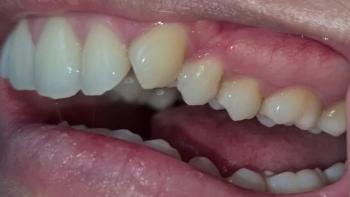
Occlusal fracture / caries - urgent assessment and temporary protection recommended
Image:
Severity:
Teeth Problems:
Quick clinical impression
-
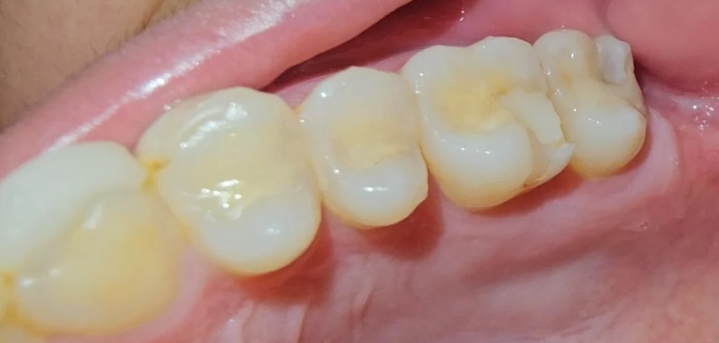
The picture shows occlusal breakdown / possible caries or fractured cusp on the last visible molar (upper right in the photo). The tooth surface looks cavitated and stained; one area looks like loss of enamel/restoration.
-
I don’t see obvious swelling or pus in the photo, and I can’t test percussion/mobility or pulp vitality from a photo — those are needed for definitive diagnosis.
-
Plain summary: likely broken tooth and/or occlusal caries — possibly exposing dentine (explains the “matulis”/sharp feeling).
Your question: “Need ko na ba ng pasta asap?”
If by “pasta” you mean a temporary filling / dental cement to cover the sharp/broken area — yes, it’s reasonable to get the tooth temporarily covered as soon as possible to:
-
stop the sharp edge from cutting your tongue/cheek,
-
reduce sensitivity and bacterial ingress,
-
lower the chance of acute pulpitis or infection.
Best option is to have a dentist place a proper temporary restoration (or definitive restoration) at an urgent visit. There are OTC temporary filling kits (dental cement/temporary cement) that can be used short-term, but they’re a stopgap — see a dentist within a few days.
Is urgent care required now or can it wait?
-
Urgent (see dentist within 24–72 hours) if you have: severe pain, swelling, fever, spreading facial swelling, pus, or increasing throbbing pain.
-
Priority within a few days if you have sharp edges, persistent sensitivity to cold/hot/sweet, or pain when biting.
-
If only mild sensitivity and no swelling, you can book an appointment soon — but don’t delay weeks if the tooth is sharp or painful.
What the dentist will do / treatment options
-
Clinical exam + bitewing/periapical X-ray to assess depth of decay and proximity to pulp and bone.
-
If shallow caries / fracture: clean and place a permanent composite filling or onlay/inlay.
-
If deep caries with pulp involvement: root canal treatment (endodontic) then crown or large filling.
-
If unrestorable or severely fractured: extraction and replacement options (bridge, implant) discussed.
-
If temporary protection needed same day: dentist may place a temporary cement or glass ionomer to cover the area.
Pain control & medicines while breastfeeding (important)
-
Paracetamol (acetaminophen): safe while breastfeeding.
-
Ibuprofen: generally safe and preferred for dental pain/inflammation while breastfeeding.
-
Local anaesthetic (lidocaine) used for dental work: safe for breastfeeding — do NOT stop breastfeeding for local anaesthesia.
-
Antibiotics if needed: amoxicillin and metronidazole are commonly used and generally compatible with breastfeeding. Avoid tetracyclines. Your dentist will choose an appropriate antibiotic if there is infection.
-
Avoid strong opioids unless absolutely necessary — discuss with provider.
If you only have 14 days — what to expect
-
Within 14 days: with temporary protection and good care, you may avoid acute infection and reduce discomfort. However if decay or fracture is deep, pulpitis or abscess can develop within days to weeks.
-
If left untreated for 14 days and the pulp is already inflamed/exposed, you may progress to more intense pain, swelling, or infection requiring root canal or extraction.
What will scale up (risks) if you wait
-
Pulp infection → irreversible pulpitis → root canal or extraction.
-
Acute dental abscess with swelling and systemic symptoms.
-
Spread of decay to adjacent teeth.
-
Bite problems or further cusp fracture, increasing restorative complexity and cost.
Immediate self-care you can do today
-
Avoid chewing on that side; stick to soft foods.
-
Salt-water rinses (warm saline) 1–2× daily if irritated.
-
Cover sharp edge temporarily: dental wax (orthodontic wax) or a dab of sugar-free chewing gum can blunt the sharp edge until you see the dentist. OTC temporary filling kits exist (follow instructions).
-
Use desensitizing toothpaste and avoid very hot/cold foods if sensitive.
-
Pain meds: paracetamol or ibuprofen as needed (follow dose instructions). Safe while breastfeeding.
-
Book an appointment — use your directory: https://cebudentalimplants.com/map-dental-clinic
Practical timeline for treatment
-
Same day/urgent (0–3 days): temporary cover or emergency visit if severe pain/swelling.
-
Within 1–2 weeks: definitive restorative treatment (filling, onlay), or endo assessment if deep.
-
If endo needed: root canal usually completed in 1–2 visits over 1–3 weeks, then final restoration (crown) in subsequent weeks.
Related Clinical Cases
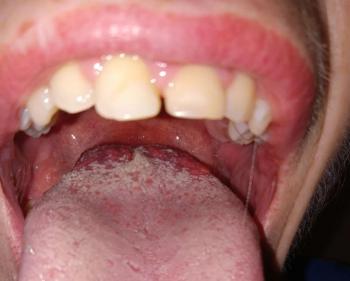
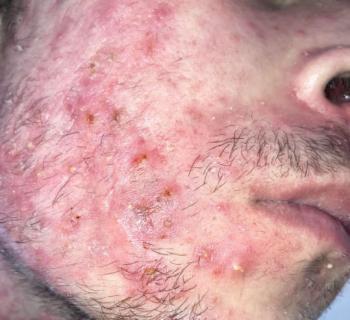
Patients with lower front gum inflammation may also experience tartar buildup, periodontal disease, gum abscesses, or tooth decay. Explore these related clinical case studies.



Other topics:
Other Dental Clinic
 |
 |
 |
 |