Smile Again with Comfort and Confidence.

Tennis with Gum Swelling: Risks, Timing, and Expert Guidelines
Language :
Topics:
You can play tennis with swollen gums, but from a clinical standpoint, it is not advisable unless the condition is clearly mild and stable.
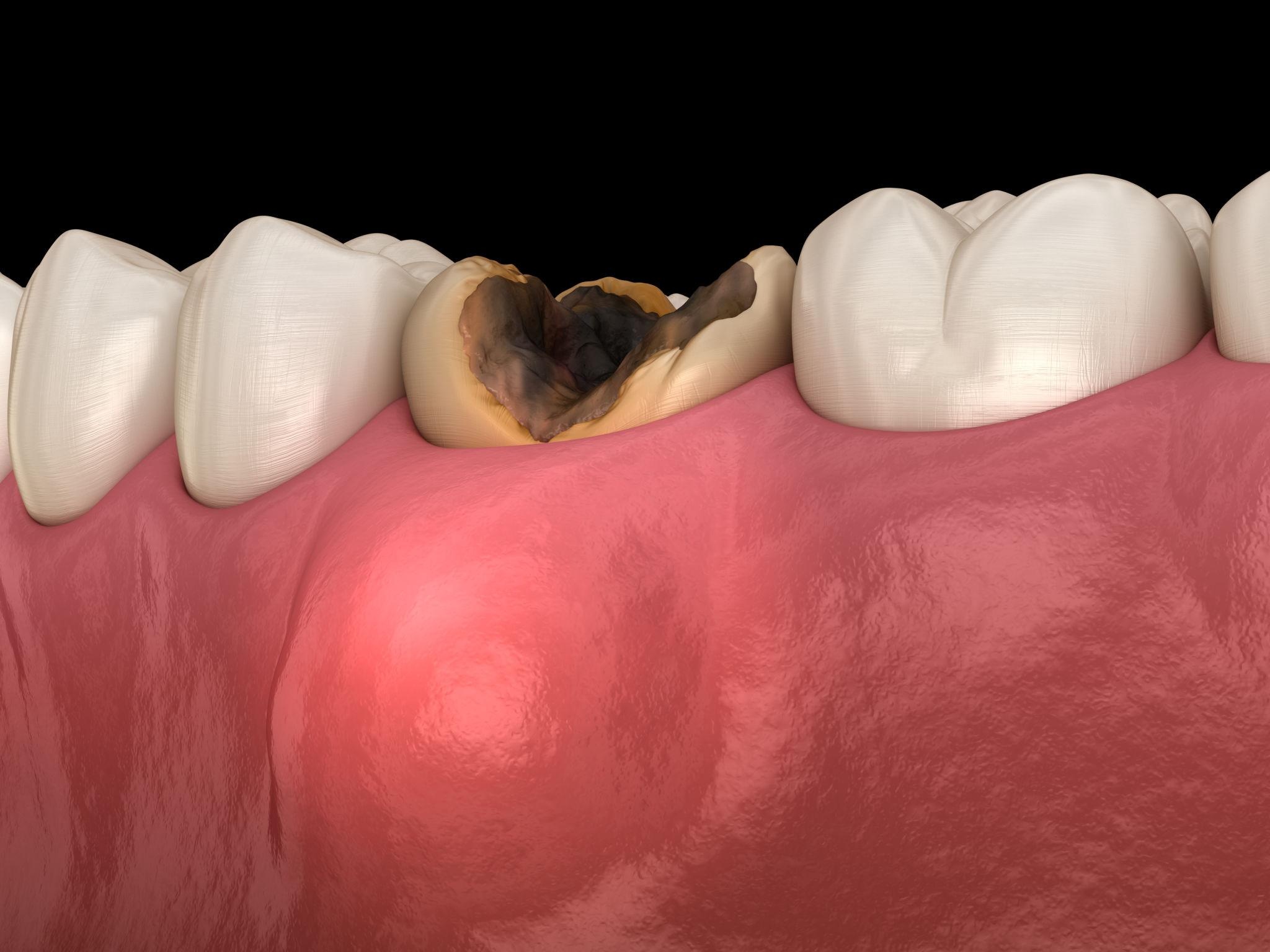
Gum swelling is a sign of underlying inflammation—most commonly early gingivitis, localized trauma, or a developing infection. Physical exertion, particularly a sport like tennis, increases systemic blood flow and intraoral pressure. This can intensify inflammation, provoke bleeding, and delay tissue recovery.
In practice, I would clear a patient for activity only if:
- The swelling is minimal and localized
- There is no pain, throbbing, or sensitivity to pressure
- There is no bleeding, discharge, or unpleasant taste
- There are no systemic signs such as fever or facial swelling
You should avoid tennis entirely if:
- The area is painful or pulsating
- There is visible infection (pus, bad taste, spreading swelling)
- You recently underwent a dental procedure, especially within the first 48–72 hours
- Biting or clenching increases discomfort
Tennis also involves repetitive jaw clenching and intermittent dehydration, both of which can aggravate inflamed gingival tissue and compromise healing.
The appropriate management is straightforward: reduce physical strain, maintain hydration, perform warm saline rinses, and monitor symptoms closely. If swelling persists beyond a few days or worsens, a dental evaluation is warranted.
Clinical bottom line: Do not treat gum swelling as trivial. If symptoms are more than mild, defer play. Early rest prevents escalation into more serious infection or delayed healing.
Can tooth extraction cause infection? Mild inflammation is normal, but increasing swelling, fever, or severe pain may indicate infection. Learn more about post-extraction infection warning signs in this detailed guide.
Book a consultation with our Cebu dental specialists for proper evaluation and care.
Ready to get expert guidance?
If you’re experiencing severe pain or delayed healing, book a consultation with our Cebu dental specialists to get proper evaluation and care.
Consultation or contact page .
Book a Consultation
For severe discomfort or delayed healing, book a consultation with our Cebu dental specialists today.
Looking for a dentist? Browse our Cebu dental directory to find trusted clinics near you.
Medical Review and Clinical Basis
This article is based on clinical dental guidelines and real patient recovery patterns observed after tooth extraction procedures. The information reflects common post-extraction healing stages, including normal clot formation, gum tissue repair, and signs of possible complications such as dry socket or infection.
While mild discomfort is expected after a dental extraction, worsening pain after Day 3, bad odor, exposed bone, or spreading pain may require professional evaluation. These symptoms are consistent with known post-extraction complications described in standard dental practice.
About Cebu Dental Implants
Cebu Dental Implants provides comprehensive tooth extraction, surgical procedures, and dental implant services in the Philippines. Our team evaluates post-extraction healing, manages complications such as dry socket, and advises patients on proper aftercare to prevent infection and delayed healing.
If you experience severe pain or unusual symptoms after extraction, early professional assessment is recommended to prevent further complications.
Important Medical Disclaimer
This content is for educational purposes only and does not replace professional dental diagnosis. Every patient heals differently. If symptoms worsen or do not improve within a few days, consult a licensed dentist for proper evaluation and treatment.
Author
This article was prepared by the Cebu Dental Implants content team in consultation with licensed dental professionals experienced in tooth extraction and implant procedures.
Related Clinical Cases
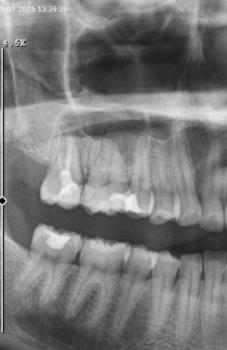
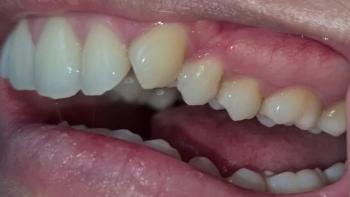
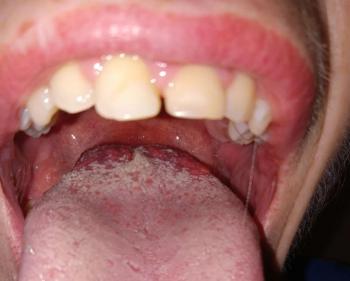
Patients with lower front gum inflammation may also experience tartar buildup, periodontal disease, gum abscesses, or tooth decay. Explore these related clinical case studies.



Other topics:
Other Dental Clinic