Because Every Tooth Deserves Care.

Bone Loss After Tooth Extraction in Delaware, USA: Expert Bone Graft Guide From a 25-Year Specialist
Language :
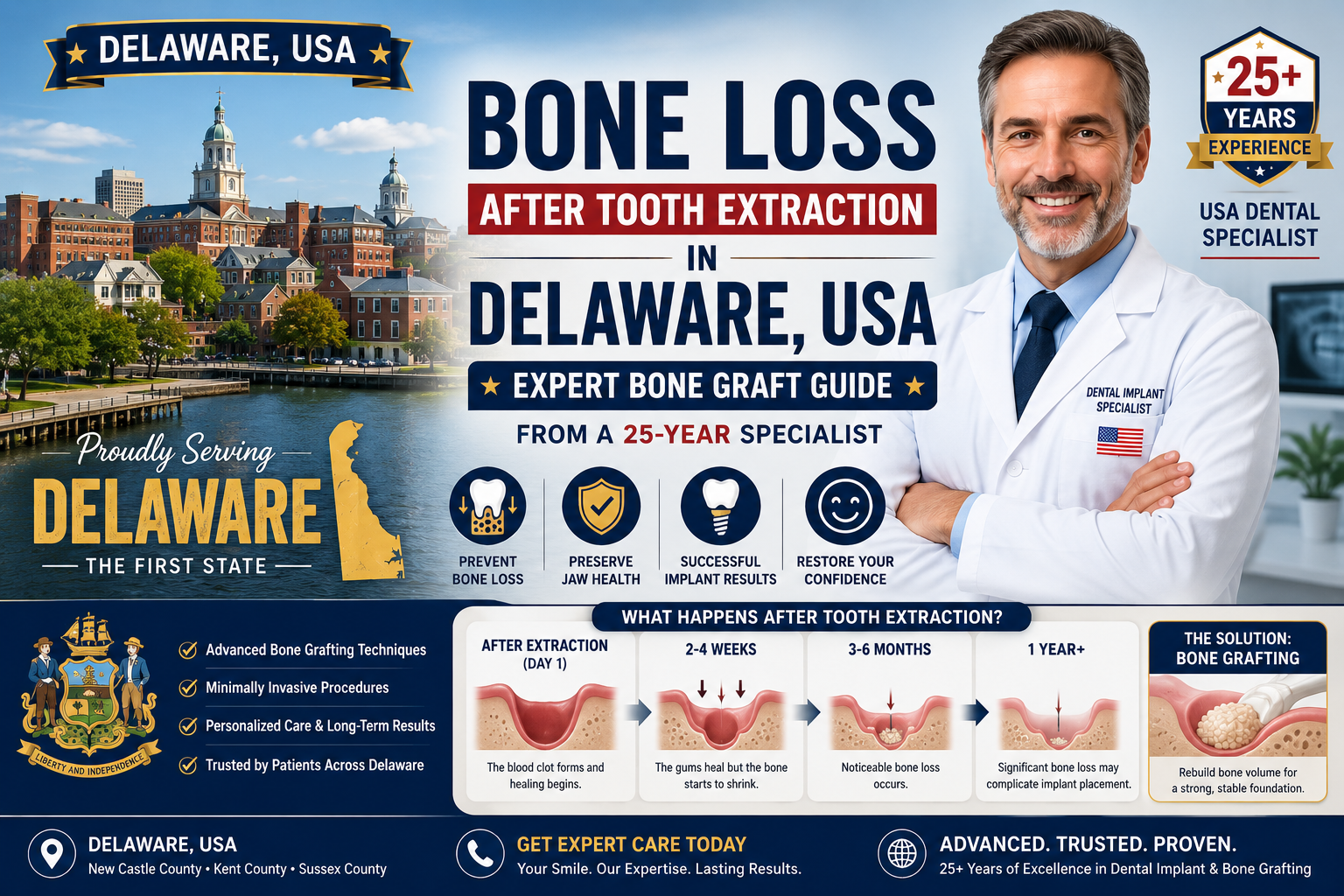
Tooth extraction is sometimes necessary to protect your oral health, but many patients in Delaware are surprised to learn that losing a tooth can also lead to bone loss in the jaw. This process may begin faster than expected, especially during the first few months after an extraction. Without proper care, bone shrinkage can affect facial appearance, chewing ability, speech, and future dental implant options.
As a dental bone graft expert with more than 25 years of experience treating patients across the United States, I have seen how early education and timely treatment can prevent serious complications. The good news is that modern dentistry offers highly effective solutions such as bone grafting, socket preservation, and dental implants to help restore jawbone strength and appearance.
This complete Delaware guide explains why bone loss happens after tooth extraction, how quickly it develops, treatment options, recovery timelines, insurance coverage, financing support, and practical advice for protecting your smile long term.
Why Bone Loss Happens After Tooth Extraction
The jawbone depends on stimulation from the roots of your teeth. Every time you bite or chew, the tooth roots transfer pressure into the bone, helping maintain bone density and strength.
When a tooth is removed, that stimulation disappears. The body naturally begins reabsorbing the unused bone tissue. This process is called bone resorption.
Common Reasons for Bone Loss
1. Missing Tooth Root Stimulation
Without the tooth root, the bone no longer receives regular pressure signals.
2. Gum Disease
Advanced periodontal disease can already weaken bone before extraction occurs.
3. Infection
Untreated infections may destroy surrounding bone tissue.
4. Trauma
Accidents or severe fractures can damage jawbone structure.
5. Delayed Tooth Replacement
Waiting too long to replace a missing tooth increases bone deterioration.
How Fast Does Bone Loss Occur?
Many patients believe bone loss takes years, but changes often begin immediately after extraction.
Typical Bone Loss Timeline
| Time After Extraction | What Happens |
|---|---|
| First 3 Months | Rapid bone shrinkage begins |
| 6 Months | Significant width reduction may occur |
| 12 Months | Facial structure changes may appear |
| Several Years | Severe bone deterioration possible |
Research shows that patients may lose up to 50% of bone width within the first year after extraction if no preservation treatment is performed.
Signs of Bone Loss After Tooth Extraction
Bone loss is not always painful in the beginning. Many people only notice changes after the condition becomes advanced.
Common Symptoms
Facial Changes
- Sunken cheeks
- Wrinkling around the mouth
- Older facial appearance
Functional Problems
- Difficulty chewing
- Denture looseness
- Bite alignment issues
Oral Changes
- Gum collapse
- Shrinking jaw ridge
- Neighboring teeth shifting
The Importance of Bone Preservation
Preserving bone after extraction is one of the best investments for long-term oral health.
Benefits of Bone Preservation
Better Dental Implant Success
Dental implants require strong bone support.
Improved Facial Appearance
Bone helps maintain natural facial contours.
Easier Future Treatment
Preserved bone reduces the need for complex grafting later.
Stronger Bite Function
Healthy bone supports stable chewing and speech.
What Is a Bone Graft?
A bone graft is a procedure that adds bone material into the extraction area to help regenerate lost bone.
Types of Bone Graft Materials
Autograft
Bone taken from the patient’s own body.
Allograft
Processed donor bone from a tissue bank.
Xenograft
Bone material from animal sources, commonly bovine.
Synthetic Graft
Biocompatible laboratory-made materials.
Modern grafting materials are highly safe and commonly used throughout the United States.
Socket Preservation Explained
Socket preservation is a specialized bone graft procedure performed immediately after tooth extraction.
The dentist places graft material into the empty socket to minimize bone shrinkage during healing.
Advantages of Socket Preservation
- Helps maintain jaw shape
- Reduces future implant complications
- Supports faster restorative treatment
- Improves cosmetic outcomes
For many Delaware patients considering future implants, socket preservation is strongly recommended.
Dental Implants and Bone Loss
Dental implants are considered the gold standard for replacing missing teeth because they stimulate the jawbone similarly to natural roots.
Why Implants Help Prevent Bone Loss
Unlike dentures or bridges, implants integrate directly into the jawbone.
This helps:
- Preserve bone density
- Maintain facial structure
- Improve chewing strength
- Reduce long-term jaw shrinkage
Recovery Timeline After Bone Grafting
Healing time depends on the complexity of the procedure and overall patient health.
General Recovery Timeline
| Recovery Stage | Expected Healing |
|---|---|
| 24–72 Hours | Initial swelling and soreness |
| 1–2 Weeks | Gum tissue healing |
| 2–4 Months | Bone integration begins |
| 4–6 Months | Strong bone formation develops |
| 6–9 Months | Implant placement may proceed |
Smoking, diabetes, and poor oral hygiene can slow recovery.
What Patients Should Avoid During Healing
Proper aftercare is essential for successful bone graft healing.
Avoid These Common Mistakes
Smoking
Smoking significantly reduces healing success.
Drinking Through Straws
This can disturb the blood clot.
Hard Foods
Crunchy foods may damage the surgical site.
Poor Oral Hygiene
Bacteria can cause infection around the graft.
Delaying Follow-Up Visits
Regular monitoring helps ensure proper healing.
Cost of Bone Grafting in Delaware vs Philippines
Many patients compare dental costs internationally. While the Philippines may offer lower prices, patients should also consider training, technology, follow-up care, sterilization standards, and legal protections.
Estimated Bone Graft Costs
| Procedure | Delaware USA | Philippines |
|---|---|---|
| Basic Bone Graft | $500–$1,500 | $150–$500 |
| Socket Preservation | $800–$2,000 | $250–$700 |
| Sinus Lift | $2,000–$5,000 | $700–$2,000 |
| Dental Implant | $3,000–$6,000 | $900–$2,500 |
Prices vary depending on complexity, clinic location, imaging needs, sedation, and materials used.
Does Dental Insurance Cover Bone Grafting?
Insurance coverage depends on the patient’s policy and medical necessity.
Situations Where Insurance May Help
Tooth Extraction Due to Infection
Some plans partially cover grafting.
Implant Preparation
Coverage varies widely.
Accident or Trauma Cases
Medical insurance may contribute if injuries are involved.
Periodontal Disease Treatment
Some periodontal benefits may apply.
Patients should request a detailed pre-treatment estimate before beginning procedures.
Delaware Insurance Options Patients Commonly Use
Private Dental Insurance Providers
Patients in Delaware often use plans from companies such as:
Coverage varies depending on annual maximums, waiting periods, and implant exclusions.
Financing Organizations That Support Dental Treatment
Many Delaware patients use financing programs to make advanced dental care more manageable.
Recommended Financing Organizations
CareCredit
Widely accepted for dental surgery, implants, and grafting.
Sunbit
Offers flexible monthly payment plans.
LendingClub Patient Solutions
Healthcare financing for larger treatment plans.
Public Assistance Programs
Some patients may qualify for limited support through:
- Delaware Medicaid dental programs
- Community health clinics
- Dental school reduced-cost services
Availability depends on eligibility and treatment type.
How to Choose the Best Dental Clinic in Delaware
Finding the right clinic is critical for long-term success.
What to Look For
Experience in Bone Grafting
Choose providers with extensive implant and graft training.
Advanced Imaging Technology
3D CBCT scans improve treatment accuracy.
Sterilization Standards
Modern infection control matters greatly.
Strong Patient Reviews
Consistent positive outcomes are important.
Transparent Treatment Planning
Good clinics explain risks, costs, and timelines clearly.
Recommended Types of Clinics to Visit in Delaware
Patients often benefit from visiting:
- Oral and maxillofacial surgery clinics
- Periodontal specialists
- Implant-focused dental centers
- Prosthodontic implant practices
These specialists usually handle complex bone loss cases more frequently than general dentistry offices alone.
Can Bone Loss Be Reversed?
In many situations, yes. Modern regenerative dentistry can rebuild substantial amounts of lost bone.
Treatments That Help Restore Bone
Bone Grafting
Most common regenerative procedure.
Guided Tissue Regeneration
Special membranes guide bone growth.
PRF and Growth Factors
Uses the patient’s own blood concentrates to accelerate healing.
Dental Implants
Help maintain restored bone structure.
However, severe long-term bone loss may require multiple procedures.
Short Success Story: A Delaware Patient’s Smile Transformation
Michael, a 58-year-old patient from Delaware, delayed replacing a missing molar for nearly seven years after extraction. Over time, he noticed difficulty chewing and changes in his facial appearance.
A 3D scan revealed moderate jawbone loss that made implant placement challenging. After undergoing socket reconstruction and bone grafting, Michael healed successfully over several months.
Today, he has a stable dental implant that restored his bite strength and confidence.
He later shared:
“I wish I had treated the missing tooth sooner. The bone graft completely changed my smile and helped me feel younger again.”
Stories like Michael’s are very common. Early intervention often leads to simpler treatment and better outcomes.
Bone Loss and Denture Problems
Patients wearing dentures often experience progressive jaw shrinkage because dentures sit on top of the gums rather than stimulating the bone.
Common Denture Issues From Bone Loss
- Loose dentures
- Painful sore spots
- Difficulty eating
- Jaw instability
- Facial collapse
Implant-supported dentures may help reduce future bone deterioration.
Foods That Support Bone Healing
Nutrition plays an important role after extraction and grafting procedures.
Recommended Healing Foods
Protein Sources
- Eggs
- Fish
- Chicken
- Greek yogurt
Calcium-Rich Foods
- Milk
- Cheese
- Leafy greens
Vitamin C Foods
- Oranges
- Strawberries
- Bell peppers
Soft Healing Foods
- Mashed potatoes
- Smoothies
- Oatmeal
- Soup
Hydration is equally important during recovery.
Smoking and Bone Graft Failure
Smoking remains one of the biggest risk factors for graft complications.
Why Smoking Is Dangerous
Nicotine reduces blood flow to healing tissues.
This increases risks of:
- Infection
- Delayed healing
- Implant failure
- Bone graft rejection
Patients are strongly encouraged to stop smoking before treatment.
When Should You See a Specialist?
You should seek professional evaluation if you notice:
- Missing teeth
- Loose dentures
- Difficulty chewing
- Jaw shrinking
- Facial sagging
- Implant concerns
- Gum collapse
Early treatment almost always produces better outcomes.
5 Frequently Asked Questions
FAQ 1: How much bone loss happens after tooth extraction?
Most patients experience measurable bone shrinkage within the first year if no preservation procedure is performed.
FAQ 2: Is bone grafting painful?
Most patients report only mild to moderate discomfort managed with medication and proper aftercare.
FAQ 3: Can I get an implant immediately after extraction?
Some patients qualify for immediate implants, but others require healing or grafting first.
FAQ 4: How long does a bone graft last?
Once integrated successfully, the regenerated bone can support implants for many years or even decades.
FAQ 5: Is it cheaper to get treatment in the Philippines?
The Philippines may offer lower upfront costs, but patients should consider travel expenses, follow-up availability, warranty support, and treatment standards.
3 Related Topics Patients Often Research
1. Dental Implants After Bone Grafting
Understanding implant timing and healing stages.
2. Sinus Lift Procedures
Advanced grafting for upper jaw implants.
3. Dentures vs Dental Implants
Comparing long-term stability and bone preservation.
Bone loss after tooth extraction is extremely common, but it is also highly treatable when addressed early. Patients throughout Delaware now have access to advanced bone grafting techniques, modern implant technology, and regenerative procedures that can restore both function and appearance.
The key is timing. Delaying treatment allows bone deterioration to worsen, often making future procedures more complex and expensive.
If you recently lost a tooth or have noticed jaw changes over time, consult an experienced implant or bone graft specialist as soon as possible. Early evaluation can help preserve your smile, maintain facial structure, and protect long-term oral health.
Modern dentistry offers excellent solutions, and with the right treatment plan, many patients can enjoy strong, healthy smiles again for decades.
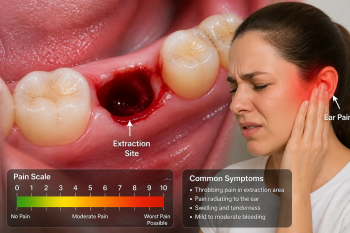
Can tooth extraction cause infection? Mild inflammation is normal, but increasing swelling, fever, or severe pain may indicate infection. Learn more about post-extraction infection warning signs in this detailed guide.
Book a consultation with our Cebu dental specialists for proper evaluation and care.
Ready to get expert guidance?
If you’re experiencing severe pain or delayed healing, book a consultation with our Cebu dental specialists to get proper evaluation and care.
Consultation or contact page .
Book a Consultation
For severe discomfort or delayed healing, book a consultation with our Cebu dental specialists today.
Looking for a dentist? Browse our Cebu dental directory to find trusted clinics near you.
Medical Review and Clinical Basis
This article is based on clinical dental guidelines and real patient recovery patterns observed after tooth extraction procedures. The information reflects common post-extraction healing stages, including normal clot formation, gum tissue repair, and signs of possible complications such as dry socket or infection.
While mild discomfort is expected after a dental extraction, worsening pain after Day 3, bad odor, exposed bone, or spreading pain may require professional evaluation. These symptoms are consistent with known post-extraction complications described in standard dental practice.
About Cebu Dental Implants
Cebu Dental Implants provides comprehensive tooth extraction, surgical procedures, and dental implant services in the Philippines. Our team evaluates post-extraction healing, manages complications such as dry socket, and advises patients on proper aftercare to prevent infection and delayed healing.
If you experience severe pain or unusual symptoms after extraction, early professional assessment is recommended to prevent further complications.
Important Medical Disclaimer
This content is for educational purposes only and does not replace professional dental diagnosis. Every patient heals differently. If symptoms worsen or do not improve within a few days, consult a licensed dentist for proper evaluation and treatment.
Author
This article was prepared by the Cebu Dental Implants content team in consultation with licensed dental professionals experienced in tooth extraction and implant procedures.
Related Clinical Cases
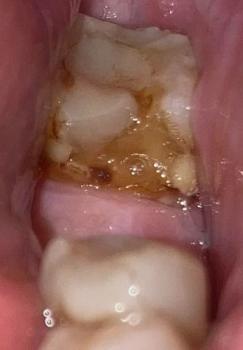
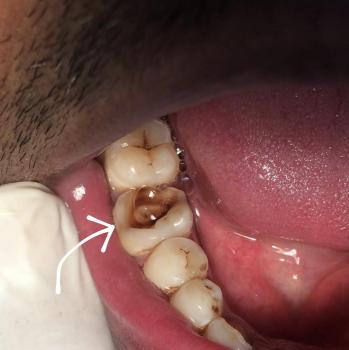
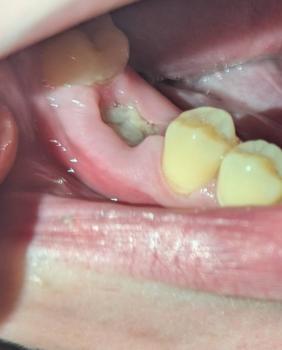
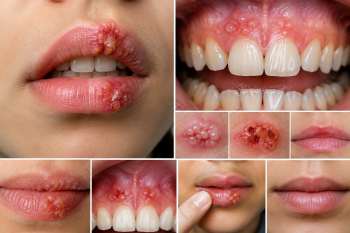
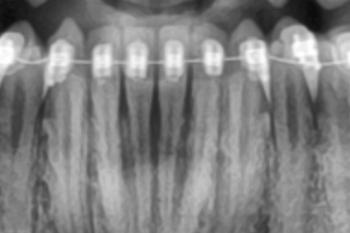
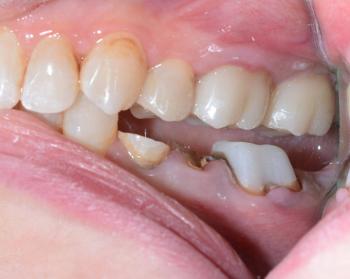
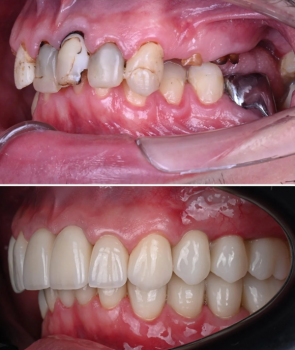
Patients with lower front gum inflammation may also experience tartar buildup, periodontal disease, gum abscesses, or tooth decay. Explore these related clinical case studies.
Other topics:
Other Dental Clinic