We Bring Back the Sparkle in Your Smile.

Switzerland’s 3D-Printed Teeth Revolution: AI, Tooth Regrowth, and the Future of Dental Implants
Language :
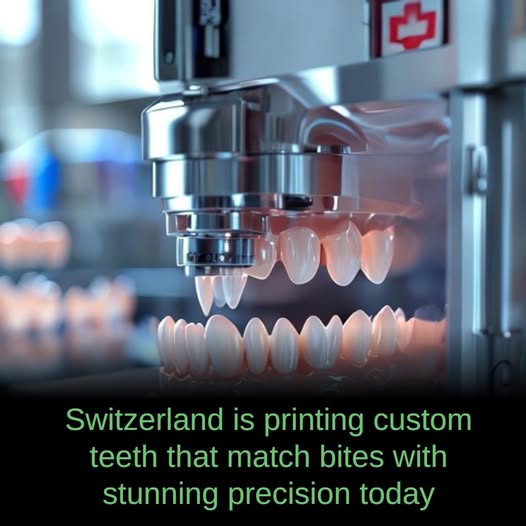
The Future of Teeth Is No Longer Science Fiction
Across the world, dentistry is entering one of the biggest technological revolutions in modern healthcare. In advanced laboratories and research centers in Switzerland, scientists and dental experts are now developing highly precise 3D-printed teeth that can match human bites with extraordinary accuracy.
What once sounded impossible is rapidly becoming reality.
Today, researchers are combining:
- Artificial intelligence (AI)
- 3D printing technology
- Digital bite mapping
- Regenerative dentistry
- Stem cell science
- Biocompatible materials
- Robotic dental manufacturing
The result is a new generation of customized teeth that may dramatically improve dental implants, crowns, bridges, orthodontics, and even future tooth regeneration.
Many experts believe the next decade could completely transform how missing teeth are replaced.
Instead of traditional molds, uncomfortable dentures, or manually shaped restorations, future dental treatment may involve:
- Digital mouth scanning
- AI-generated bite analysis
- Instant 3D fabrication
- Bioprinted tissues
- Teeth designed specifically for each patient’s jaw movement
The global dental industry is now moving toward precision dentistry — where every tooth is digitally engineered for function, strength, and natural appearance.
This article explores how Switzerland and other scientific leaders are pushing the boundaries of 3D dental innovation, the future possibility of growing teeth biologically, and how advanced science may redefine modern oral healthcare forever.
The Rise of 3D Printing in Modern Dentistry
What Is 3D Dental Printing?
3D dental printing is a manufacturing process that creates dental structures layer by layer using digital computer models.
Instead of manually sculpting teeth in a dental laboratory, dentists now use:
- Digital intraoral scanners
- AI software
- CAD/CAM systems
- High-precision 3D printers
These systems can manufacture:
- Crowns
- Bridges
- Veneers
- Surgical guides
- Dentures
- Orthodontic aligners
- Temporary teeth
- Implant restorations
In advanced research settings, scientists are even exploring methods to print biological tooth structures using living cells.
Why Switzerland Is Becoming a Global Dental Technology Leader
Swiss Precision Meets Dental Science
Switzerland has long been known for:
- Precision engineering
- Medical innovation
- Advanced robotics
- Biotechnology research
Now, these same strengths are influencing modern dentistry.
Swiss laboratories and research centers are developing:
- Ultra-precise dental milling systems
- AI bite-matching software
- High-performance ceramic materials
- Digital implant technologies
- Experimental regenerative dental solutions
The country’s strong combination of engineering and healthcare research makes it one of the leading environments for dental innovation.
How AI Is Helping Create Perfect Bite Alignment
Understanding Bite Science
A human bite is incredibly complex.
Every person has:
- Unique jaw movements
- Different chewing forces
- Distinct tooth anatomy
- Personalized muscle patterns
Traditional dental restorations sometimes required repeated adjustments because small errors could affect comfort.
Now AI-powered systems can analyze:
- Jaw motion
- Bite pressure
- Tooth contact points
- Facial symmetry
- Chewing patterns
This allows dentists to create restorations that fit more naturally and precisely.
AI and Digital Bite Mapping
Modern scanners collect thousands of digital measurements within seconds.
AI software then simulates:
- How the patient chews
- How teeth contact each other
- Which areas receive heavy pressure
- How jaw muscles interact
This technology helps reduce:
- Bite discomfort
- Crown fractures
- Implant overload
- Jaw tension
- Uneven chewing
Many experts believe AI bite analysis may soon become standard in advanced dentistry.
The Science Behind 3D-Printed Teeth
How Teeth Are Digitally Designed
The process usually begins with:
- Intraoral scanning
- 3D imaging
- Digital impressions
- CBCT jaw analysis
Unlike old-fashioned impression trays filled with putty material, modern digital scanners create highly detailed virtual models.
Software engineers and dental technicians then design teeth using computer-aided design (CAD).
The digital file is sent to a 3D printer or milling machine.
Materials Used in 3D Dental Printing
Current dental printing materials include:
- Resin composites
- Ceramic hybrids
- Zirconia
- Titanium frameworks
- Biocompatible polymers
Researchers are also studying advanced biomaterials that may better mimic natural tooth structures.
Future materials could potentially:
- Regenerate tissue
- Release minerals
- Resist bacteria
- Improve bone integration
Can Scientists Really Grow Human Teeth?
The Emerging Field of Regenerative Dentistry
One of the most exciting areas of dental science is regenerative dentistry.
Instead of replacing missing teeth with artificial materials, researchers are exploring methods to biologically regrow teeth using:
- Stem cells
- Tissue engineering
- Genetic signaling
- Biomolecular scaffolds
This field remains experimental, but progress is accelerating.
How Tooth Growth Happens Naturally
Human teeth develop through highly complex biological communication between:
- Stem cells
- Enamel-forming cells
- Dentin-forming cells
- Genetic signaling pathways
Scientists are attempting to recreate these developmental processes in laboratory settings.
The challenge is extremely difficult because a tooth is not a simple structure.
A natural tooth contains:
- Enamel
- Dentin
- Pulp tissue
- Blood vessels
- Nerves
- Cementum
- Ligaments
Each layer must develop in a coordinated manner.
Stem Cell Research and Tooth Regeneration
What Are Dental Stem Cells?
Dental stem cells are special cells capable of developing into different dental tissues.
These stem cells may be collected from:
- Baby teeth
- Wisdom teeth
- Dental pulp tissue
Researchers hope these cells could someday help regenerate damaged dental structures.
Experimental Tooth Regrowth Studies
Some laboratory experiments in animals have shown promising results involving:
- Tooth bud development
- Enamel regeneration
- Dentin growth
- Bioengineered tooth structures
Although human clinical use is still limited, many experts believe regenerative dentistry could eventually become part of mainstream healthcare.
Expert Dental Voices on the Future of Teeth
Prosthodontists and Implant Specialists
Many implant experts believe 3D printing will significantly improve:
- Full mouth rehabilitation
- Implant accuracy
- Prosthetic longevity
- Smile aesthetics
Digital workflows already allow dentists to:
- Plan surgery virtually
- Print surgical guides
- Create temporary teeth before surgery begins
This improves efficiency and precision.
Orthodontic Experts
Modern orthodontics has already embraced 3D technology through:
- Clear aligners
- Digital treatment planning
- AI-guided tooth movement simulations
Experts predict future systems may use real-time bite adaptation powered by machine learning.
Biomaterials Scientists
Biomaterials researchers are working on:
- Stronger ceramics
- Flexible polymers
- Antibacterial surfaces
- Bone-regenerating materials
Some future materials may even respond biologically to the patient’s oral environment.
How 3D Printing Is Changing Dental Implants
Precision Implant Placement
One of the biggest advances involves guided implant surgery.
Dentists can now:
- Scan the jaw
- Virtually place implants
- Print surgical guides
- Improve implant positioning accuracy
This helps reduce:
- Surgical errors
- Healing complications
- Nerve injury risks
Same-Day Teeth Technology
Some advanced clinics now offer:
- Immediate implant loading
- Temporary teeth on surgery day
- Fully digital workflows
This technology dramatically improves patient convenience.
However, experts stress that careful case selection remains important.
Not every patient qualifies for immediate full-mouth restorations.
The Role of Robotics in Future Dentistry
Robotic-Assisted Implant Surgery
Robotics is becoming increasingly important in surgical precision.
Robotic systems may assist dentists by:
- Guiding implant angles
- Monitoring drilling depth
- Improving surgical consistency
These systems do not replace dentists but enhance precision.
AI-Powered Diagnostic Systems
Artificial intelligence may also help identify:
- Early tooth decay
- Bone loss
- Gum disease
- Bite abnormalities
- Implant complications
Future systems could potentially analyze scans faster than traditional methods.
Could Humans Eventually Replace Lost Teeth Naturally?
The Long-Term Scientific Goal
The ultimate dream of regenerative dentistry is simple:
Instead of artificial implants, humans may someday biologically regrow natural teeth.
Researchers are exploring:
- Gene activation
- Stem cell engineering
- Tooth germ regeneration
- Tissue scaffolding
Some scientists believe dormant tooth-forming mechanisms may still exist within the human body.
Major Challenges Scientists Still Face
Despite exciting progress, major obstacles remain.
Scientists must solve:
- Controlled tooth growth
- Shape accuracy
- Enamel formation
- Root integration
- Nerve development
- Long-term durability
Growing a functioning human tooth remains far more complex than printing a crown.
Ethical Questions in Tooth Engineering
Genetic Engineering Concerns
As dental science advances, ethical discussions are increasing.
Questions include:
- Who controls genetic therapies?
- Will advanced treatments become too expensive?
- Could cosmetic enhancement go too far?
- How should biological engineering be regulated?
Experts stress the importance of responsible scientific development.
The Future of Personalized Dentistry
Every Smile May Become Fully Customized
Future dental care may involve:
- AI-designed smiles
- Facial analysis integration
- Personalized bite engineering
- Genetic risk prediction
- Regenerative oral therapies
Dentistry is rapidly shifting toward individualized treatment.
How Patients Could Benefit From Future Dental Technology
Better Comfort
Digital precision may reduce:
- Poor-fitting crowns
- Denture irritation
- Bite discomfort
Faster Treatment
Advanced digital systems may shorten:
- Laboratory time
- Surgical planning
- Restoration fabrication
Improved Long-Term Results
More accurate restorations may improve:
- Implant longevity
- Jaw stability
- Chewing efficiency
Enhanced Esthetics
AI-assisted smile design can create:
- Natural tooth proportions
- Better symmetry
- Improved facial harmony
The Growing Role of Swiss Dental Engineering
High-Precision Manufacturing
Swiss dental companies are becoming known for:
- Precision implant systems
- Ceramic innovation
- Digital scanning technology
- Advanced prosthetic manufacturing
Their engineering background provides strong advantages in dental device production.
How 3D Printing May Lower Future Dental Costs
Automation and Efficiency
Currently, advanced dental treatment remains expensive.
However, future automation may reduce:
- Manual laboratory labor
- Production time
- Fabrication waste
This could potentially make high-quality restorations more affordable.
Are Traditional Dentures Becoming Obsolete?
The Shift Toward Permanent Solutions
While dentures remain important for many patients, modern dentistry increasingly focuses on:
- Implant-supported teeth
- Fixed prosthetics
- Digitally fabricated restorations
Patients today often seek:
- Better comfort
- Greater stability
- Natural function
3D technology is accelerating this transition.
How Dental Schools Are Adapting
Training the Next Generation of Dentists
Dental education is rapidly evolving.
Students now learn:
- Digital scanning
- CAD/CAM systems
- AI treatment planning
- 3D printing workflows
Future dentists may rely heavily on digital engineering alongside traditional clinical skills.
The Global Race for Dental Innovation
Countries investing heavily in advanced dental research include:
- Switzerland
- Japan
- United States
- Germany
- South Korea
Competition is driving rapid technological growth.
Public Excitement About Tooth Regeneration
The idea of naturally regrowing teeth fascinates millions of people worldwide.
For patients afraid of:
- Dentures
- Implants
- Tooth extraction
- Bone grafting
Regenerative dentistry represents hope for a future where lost teeth can biologically return.
Although widespread clinical use may still take years, research progress continues.
Practical Reality: What Patients Can Access Today
Available Current Technologies
Right now, patients can already benefit from:
- Digital dental scans
- AI smile design
- Guided implant surgery
- Same-day crowns
- 3D-printed temporary teeth
- Advanced zirconia restorations
These technologies are already improving dental outcomes significantly.
What Is Still Experimental?
Still largely experimental:
- Full biological tooth regrowth
- Stem-cell-grown human teeth
- Fully living printed teeth
- Nerve-integrated bioengineered teeth
These technologies remain under scientific development.
Dental Experts Warn Against Overhype
Some professionals caution patients not to believe exaggerated social media claims.
Important reality:
- Natural tooth regrowth is not yet routine treatment
- Human regenerative dentistry still faces challenges
- Research timelines remain uncertain
Experts encourage patients to follow evidence-based dental care.
The Psychology of Future Smiles
A healthy smile affects:
- Confidence
- Social interaction
- Professional appearance
- Mental well-being
Future dental technologies may improve quality of life for millions of people suffering from severe tooth loss.
How AI Could Predict Dental Disease Before It Happens
Future AI systems may analyze:
- Bite pressure
- Saliva chemistry
- Oral bacteria
- Genetic patterns
This could help predict:
- Cavities
- Gum disease
- Tooth fractures
- Implant failure risks
Preventive dentistry may become far more advanced.
Environmental Impact of Digital Dentistry
Reducing Material Waste
Digital workflows may reduce:
- Disposable impression materials
- Shipping waste
- Laboratory waste
Sustainable manufacturing is becoming an important topic in healthcare.
Could Printed Teeth Become Stronger Than Natural Teeth?
Some scientists believe future materials may eventually outperform natural enamel in:
- Wear resistance
- Fracture resistance
- Bacterial protection
However, replicating the complete biological complexity of natural teeth remains extremely challenging.
The Future of Human Teeth in the Next 20 Years
Experts predict major changes including:
- Fully digital dentistry
- AI-guided restorations
- Improved regenerative therapies
- Faster implant procedures
- Customized biomaterials
- Advanced robotic assistance
The dental clinic of the future may look dramatically different from today’s offices.
Frequently Asked Questions (FAQs)
Are 3D-printed teeth already being used today?
Yes. Dentists already use 3D printing for:
- Crowns
- Dentures
- Surgical guides
- Temporary restorations
- Orthodontic appliances
Can scientists grow real human teeth now?
Researchers are making progress, but fully functional biological tooth regrowth for routine patients is still experimental.
Why is Switzerland important in dental innovation?
Switzerland is known for:
- Precision engineering
- Medical technology
- Advanced manufacturing
- High-level scientific research
These strengths support advanced dental development.
Is AI replacing dentists?
No. AI helps improve diagnostics and planning, but trained dental professionals remain essential.
Will future dental treatment become faster?
Most experts believe digital systems and automation will continue reducing treatment times.
Are dental implants still the best solution today?
For many patients with missing teeth, implants remain one of the most effective long-term treatments currently available.
Conclusion: A New Era of Dentistry Has Begun
The world of dentistry is evolving faster than ever before.
What once required messy impressions, manual molds, and lengthy laboratory work is now becoming:
- Digital
- AI-assisted
- Precision-engineered
- Highly personalized
In countries like Switzerland, advanced research is pushing the boundaries of what humanity once thought impossible.
3D-printed teeth, AI bite mapping, regenerative dentistry, robotic surgery, and stem-cell science are all contributing to a future where dental care becomes smarter, faster, more accurate, and potentially more biological.
Although fully grown replacement teeth remain under scientific development, modern dentistry has already entered a remarkable new chapter.
Patients today can already benefit from:
- Digital smile design
- Guided implant surgery
- High-precision restorations
- AI-enhanced diagnostics
- Advanced ceramic materials
And tomorrow’s innovations may go even further.
The dream of naturally regenerated teeth, fully customized smiles, and biologically integrated dental restoration is no longer just science fiction.
It is becoming one of the most exciting frontiers in modern healthcare science.
Can tooth extraction cause infection? Mild inflammation is normal, but increasing swelling, fever, or severe pain may indicate infection. Learn more about post-extraction infection warning signs in this detailed guide.
Book a consultation with our Cebu dental specialists for proper evaluation and care.
Ready to get expert guidance?
If you’re experiencing severe pain or delayed healing, book a consultation with our Cebu dental specialists to get proper evaluation and care.
Consultation or contact page .
Book a Consultation
For severe discomfort or delayed healing, book a consultation with our Cebu dental specialists today.
Looking for a dentist? Browse our Cebu dental directory to find trusted clinics near you.
Medical Review and Clinical Basis
This article is based on clinical dental guidelines and real patient recovery patterns observed after tooth extraction procedures. The information reflects common post-extraction healing stages, including normal clot formation, gum tissue repair, and signs of possible complications such as dry socket or infection.
While mild discomfort is expected after a dental extraction, worsening pain after Day 3, bad odor, exposed bone, or spreading pain may require professional evaluation. These symptoms are consistent with known post-extraction complications described in standard dental practice.
About Cebu Dental Implants
Cebu Dental Implants provides comprehensive tooth extraction, surgical procedures, and dental implant services in the Philippines. Our team evaluates post-extraction healing, manages complications such as dry socket, and advises patients on proper aftercare to prevent infection and delayed healing.
If you experience severe pain or unusual symptoms after extraction, early professional assessment is recommended to prevent further complications.
Important Medical Disclaimer
This content is for educational purposes only and does not replace professional dental diagnosis. Every patient heals differently. If symptoms worsen or do not improve within a few days, consult a licensed dentist for proper evaluation and treatment.
Author
This article was prepared by the Cebu Dental Implants content team in consultation with licensed dental professionals experienced in tooth extraction and implant procedures.
Related Clinical Cases
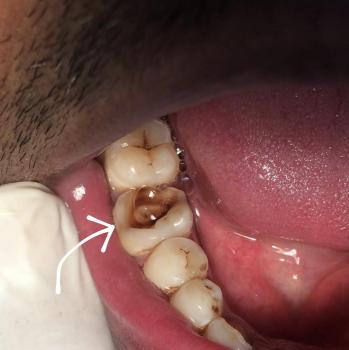
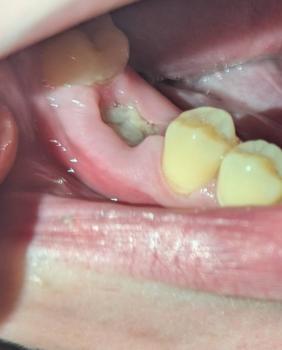
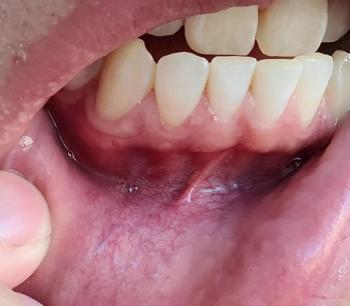
Patients with lower front gum inflammation may also experience tartar buildup, periodontal disease, gum abscesses, or tooth decay. Explore these related clinical case studies.
Other topics:
Other Dental Clinic