Smile Again with Comfort and Confidence.

Dental Implants Cost in Switzerland
Language :
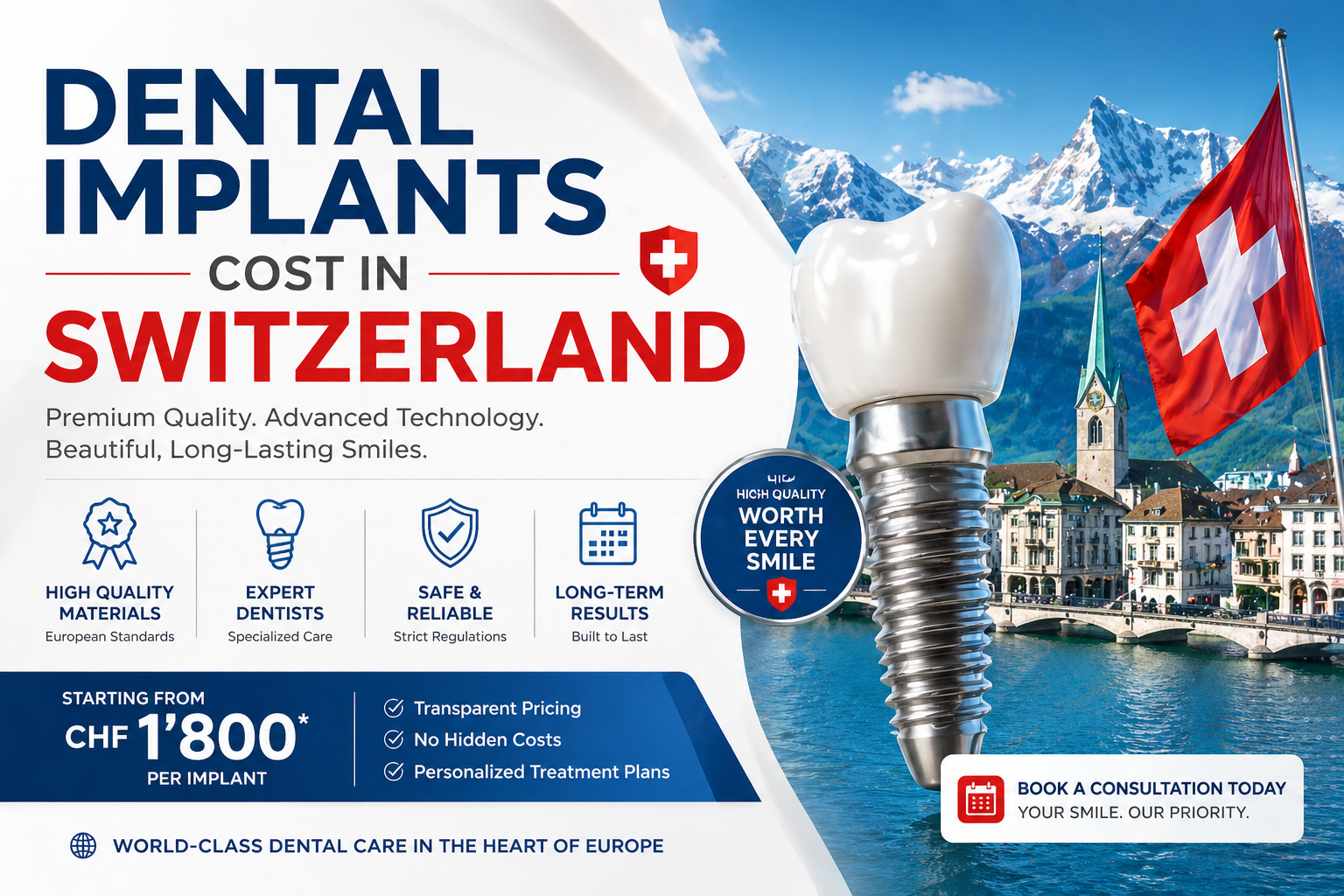
A Complete Guide to Pricing, Insurance, and Smart Financial Planning
Switzerland is known for world-class healthcare—and dentistry is no exception. Dental implants in Switzerland are among the highest quality in the world, but they also come with premium pricing.
If you’re considering implants in Switzerland, one of the most important questions is:
“How much do dental implants cost—and what am I really paying for?”
This comprehensive guide explains real costs, key factors, insurance coverage, and how patients successfully manage expenses.
What Is the Average Cost of Dental Implants in Switzerland?
Dental implant prices in Switzerland are among the highest in Europe due to strict clinical standards, advanced technology, and high operating costs.
Typical Price Range:
- Single dental implant: CHF 3,000 – CHF 6,000
- Implant + crown package: CHF 4,000 – CHF 7,500
- Multiple implants: CHF 8,000 – CHF 20,000+
- Full-mouth implants (All-on-4): CHF 20,000 – CHF 40,000 per arch
- Full-mouth implants (All-on-6): CHF 25,000 – CHF 50,000
These costs may increase depending on complexity and additional procedures.
What’s Included in the Cost?
Dental implant treatment involves several stages:
1. Consultation and Diagnostics
- Clinical examination
- X-rays or 3D CBCT scans
2. Implant Placement
- Titanium implant inserted into the jawbone
3. Healing Phase
- Osseointegration (3–6 months)
4. Abutment and Crown
- Connector and custom-made crown
5. Follow-Up Care
- Monitoring and adjustments
Key Factors That Affect Dental Implant Costs
1. Location Within Switzerland
- Zurich, Geneva → highest costs
- Smaller cities → slightly lower prices
Why?
Higher clinic overhead and demand in major financial hubs.
2. Dentist Expertise
Swiss implant specialists are highly trained, often with international credentials.
Higher expertise typically means:
- Better outcomes
- Higher fees
3. Materials and Technology
- Premium implant systems
- Zirconia implants (metal-free)
- Digital-guided surgery
These improve precision and longevity—but increase cost.
4. Additional Procedures
Many patients require preparatory treatments:
- Bone grafting: CHF 500 – CHF 4,000
- Sinus lift: CHF 1,500 – CHF 5,000
- Tooth extraction: CHF 200 – CHF 800
5. Number of Implants
The more implants needed, the higher the total cost—especially for full-mouth cases.
Health Insurance Coverage in Switzerland
Switzerland has a strong healthcare system, but dental implants are generally not covered by basic insurance.
Public Insurance:
- Swiss Health Insurance System
Basic insurance typically does NOT cover implants unless medically necessary.
Supplementary Dental Insurance
Some patients have additional coverage through private providers:
- CSS Insurance
- Helsana
- Swica
What to Expect:
- Partial reimbursement
- Strict eligibility requirements
- Annual limits
Expert Insight:
Most patients still pay a large portion out-of-pocket.
Financing Options for Dental Implants
1. Clinic Payment Plans
Many Swiss clinics offer:
- Installment payments
- Flexible schedules
2. Personal Loans
Swiss banks provide financing options for medical procedures.
3. Cross-Border Financing
Some patients seek treatment in neighboring countries and finance through local or international lenders.
4. Savings-Based Approach
Due to Switzerland’s high income levels, many patients combine savings with partial financing.
Short Story: A Swiss Patient Success Case
Meet Lukas, a 54-year-old engineer from Zurich.
Lukas had lost several teeth and needed multiple implants. His total treatment cost was CHF 22,000.
His Financial Plan:
- Supplementary insurance via CSS Insurance covered CHF 3,000
- Personal savings: CHF 10,000
- Remaining balance financed through a clinic payment plan
Monthly Payment:
~CHF 375
Outcome:
- Restored function and aesthetics
- Improved confidence
- Financially manageable plan
Expert Perspective:
Lukas balanced savings, insurance, and financing—minimizing long-term financial burden.
Switzerland vs Abroad: Cost Comparison
Many Swiss patients consider dental treatment abroad.
Typical Costs:
- Switzerland: CHF 4,000 – CHF 7,500 per implant
- Germany: CHF 2,000 – CHF 4,000
- Hungary: CHF 1,200 – CHF 2,500
Considerations:
- Travel costs
- Follow-up care
- Quality and regulation differences
Are Dental Implants Worth the Cost?
From a clinical perspective—absolutely.
Benefits:
- Long lifespan (20+ years)
- Natural appearance
- Strong chewing function
- Prevention of bone loss
Compared to dentures or bridges, implants offer superior durability and comfort.
How to Reduce Dental Implant Costs
1. Compare Clinics
Prices vary even within Switzerland.
2. Use Insurance Strategically
Maximize supplementary coverage.
3. Ask About Payment Plans
Spread cost over time.
4. Consider Cross-Border Treatment
Balance savings with risk.
5. Maintain Oral Health
Prevent additional procedures.
FAQ: Dental Implants Cost Switzerland
1. Why are implants expensive in Switzerland?
High standards, advanced technology, and high operational costs.
2. Does basic insurance cover implants?
No, except in rare medical cases under Swiss Health Insurance System.
3. How long do implants last?
20+ years with proper care.
4. Can I finance dental implants?
Yes—through clinic plans or personal loans.
5. Is treatment abroad worth it?
It can reduce costs—but requires careful planning.
6. Are implants better than dentures?
In most cases, yes—especially for long-term stability.
Related Topics
1. Dental Implants Cost Switzerland vs Germany
Compare pricing and treatment quality.
2. All-on-4 vs All-on-6 Cost Switzerland
Understand full-mouth implant options.
3. Best Dental Insurance for Implants Switzerland
Explore supplementary plans and coverage limits.
Final Thoughts
Dental implants in Switzerland represent a premium investment—but also deliver premium results.
The key is not just to focus on cost, but on long-term value, quality, and financial planning.
When approached strategically—with a mix of insurance, savings, and financing—dental implants become a manageable and worthwhile investment in your health and confidence.
Can tooth extraction cause infection? Mild inflammation is normal, but increasing swelling, fever, or severe pain may indicate infection. Learn more about post-extraction infection warning signs in this detailed guide.
Book a consultation with our Cebu dental specialists for proper evaluation and care.
Ready to get expert guidance?
If you’re experiencing severe pain or delayed healing, book a consultation with our Cebu dental specialists to get proper evaluation and care.
Consultation or contact page .
Book a Consultation
For severe discomfort or delayed healing, book a consultation with our Cebu dental specialists today.
Looking for a dentist? Browse our Cebu dental directory to find trusted clinics near you.
Medical Review and Clinical Basis
This article is based on clinical dental guidelines and real patient recovery patterns observed after tooth extraction procedures. The information reflects common post-extraction healing stages, including normal clot formation, gum tissue repair, and signs of possible complications such as dry socket or infection.
While mild discomfort is expected after a dental extraction, worsening pain after Day 3, bad odor, exposed bone, or spreading pain may require professional evaluation. These symptoms are consistent with known post-extraction complications described in standard dental practice.
About Cebu Dental Implants
Cebu Dental Implants provides comprehensive tooth extraction, surgical procedures, and dental implant services in the Philippines. Our team evaluates post-extraction healing, manages complications such as dry socket, and advises patients on proper aftercare to prevent infection and delayed healing.
If you experience severe pain or unusual symptoms after extraction, early professional assessment is recommended to prevent further complications.
Important Medical Disclaimer
This content is for educational purposes only and does not replace professional dental diagnosis. Every patient heals differently. If symptoms worsen or do not improve within a few days, consult a licensed dentist for proper evaluation and treatment.
Author
This article was prepared by the Cebu Dental Implants content team in consultation with licensed dental professionals experienced in tooth extraction and implant procedures.
Related Clinical Cases
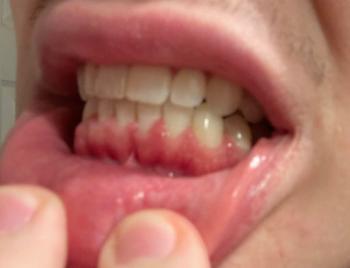
Patients with lower front gum inflammation may also experience tartar buildup, periodontal disease, gum abscesses, or tooth decay. Explore these related clinical case studies.