We Bring Back the Sparkle in Your Smile.

Tooth Extraction Warning Signs: When Pain, Swelling, or Bleeding Becomes Serious
Language :
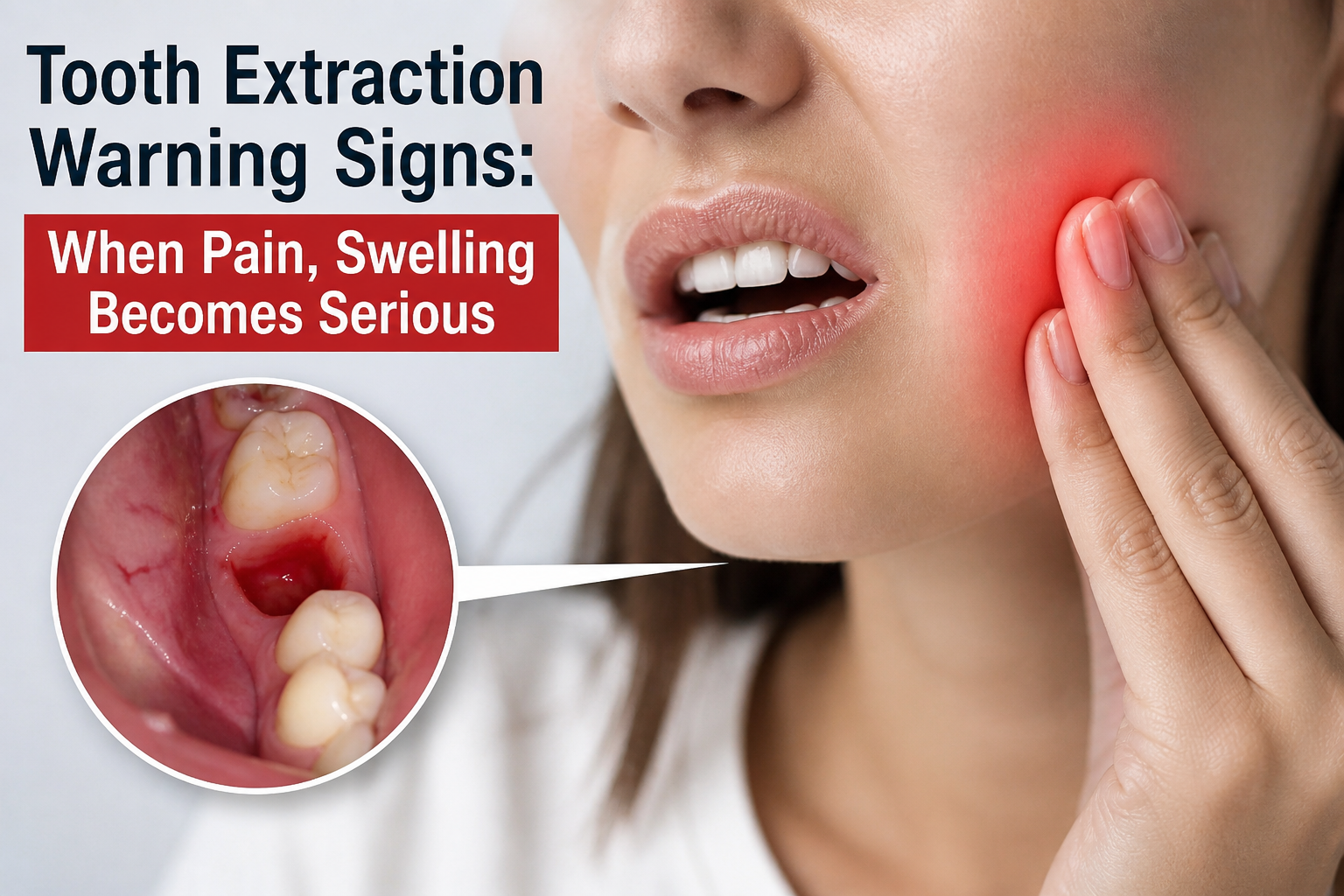
A Practical Guide from an Iowa Dental Bone Graft Expert (10 Years Experience)
Tooth removal is one of the most common dental procedures—and in most cases, healing is smooth and predictable.
But here’s the reality I share with my patients in Iowa:
Not every symptom is normal—and knowing when to worry can prevent serious complications.
After 10 years working with extractions, bone grafting, and implant preparation, I’ve learned that patients who recognize warning signs early almost always recover faster and with fewer problems.
This guide will help you understand:
- What’s normal after tooth removal
- What’s not normal
- When you should call your dentist immediately
The First Rule: Healing Should Improve, Not Worsen
After a tooth extraction, your recovery should follow a simple pattern:
- Day 1–3: Mild to moderate discomfort
- Day 3–5: Improvement begins
- Day 7: Significant relief
If your symptoms worsen instead of improve, that’s your first red flag.
What Is Normal After Tooth Removal?
Before we talk about warning signs, let’s clarify what’s expected.
Normal Symptoms
- Mild to moderate pain (first 2–3 days)
- Swelling that peaks around Day 2–3
- Slight bleeding for the first 24 hours
- Mild jaw stiffness
- Gradual improvement
Why These Symptoms Happen
Your body is:
- Forming a blood clot
- Reducing inflammation
- Starting tissue repair
These are signs of healing—not problems.
When You Should Start Paying Attention
There are specific time points where symptoms matter more.
Day 2–3
- Pain should peak and then stabilize
Day 3–4
- Pain should begin improving
- Swelling should stop increasing
Day 5+
- Symptoms should clearly decrease
If your symptoms don’t follow this pattern, it’s time to take a closer look.
Major Warning Signs You Should NOT Ignore
1. Severe Pain After Day 3
What It Means
This is the most common warning sign of:
- Dry socket
- Infection
What It Feels Like
- Sharp, throbbing pain
- Pain radiating to ear or jaw
Expert Advice
Pain should not get worse after Day 3. If it does, contact your dentist.
2. Swelling That Gets Worse Instead of Better
Normal
- Swelling peaks at Day 2–3
- Then decreases
Concerning
- Swelling increases after Day 3
- Facial asymmetry
- Tightness or pressure
Possible Cause
- Infection
- Abscess
3. Persistent or Heavy Bleeding
Normal
- Light bleeding for first 24 hours
Not Normal
- Continuous bleeding beyond 24 hours
- Large blood clots forming
Action
Apply pressure and contact your dentist.
4. Bad Taste or Foul Odor
What It Means
- Infection
- Dry socket
Why It Happens
Bacteria accumulate in the socket.
5. Fever or Feeling Unwell
What It Means
- Infection spreading
Symptoms
- Fever
- Fatigue
- Body aches
Urgency
Seek care immediately.
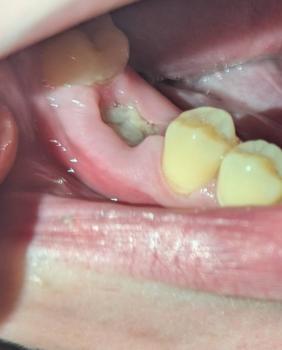
6. Visible Bone in the Socket
What It Means
- Blood clot lost
- Dry socket
What You’ll See
- White or empty-looking socket
7. Numbness That Doesn’t Go Away
Normal
- Temporary numbness after anesthesia
Not Normal
- Numbness lasting more than 24–48 hours
Possible Cause
- Nerve involvement
8. Difficulty Opening Mouth or Swallowing
What It Means
- Infection or severe inflammation
Urgency
This requires immediate attention.
Real Case from My Iowa Practice
Patient: Sarah, 41 years old
Day 1–2:
- Mild pain
- Normal swelling
Day 3:
- Pain increased instead of improving
- Developed bad taste
Diagnosis:
Dry socket
Treatment:
- Cleaning and medicated dressing
Outcome:
- Pain improved within 48 hours
Expert Insight
Sarah came in early—that prevented a worse complication.
Why Complications Happen
1. Loss of Blood Clot
Leads to dry socket.
2. Poor Oral Hygiene
Increases infection risk.
3. Smoking
Reduces healing ability.
4. Ignoring Instructions
Most complications are preventable.
When to Call Your Dentist Immediately
Do not wait if you experience:
- Severe or worsening pain
- Increasing swelling
- Fever
- Pus or discharge
- Persistent bleeding
- Difficulty swallowing
When It’s Safe to Wait and Monitor
You can monitor symptoms if:
- Pain is mild and improving
- Swelling is decreasing
- No fever or discharge
How to Reduce Your Risk of Complications
1. Follow Instructions Exactly
Post-op care is critical.
2. Protect the Blood Clot
Avoid suction and pressure.
3. Maintain Oral Hygiene
Keep the area clean.
4. Avoid Smoking
At least 5–7 days.
5. Eat Soft Foods
Prevent irritation.
Emotional Side of Recovery
Many patients worry unnecessarily.
Reality:
- Most symptoms are normal
- Serious complications are rare
Expert Advice
Focus on patterns, not isolated symptoms.
Healing Timeline Summary
| Stage | What’s Normal | When to Worry |
|---|---|---|
| Day 1–2 | Pain, swelling | Excessive bleeding |
| Day 3 | Peak pain | Pain worsening |
| Day 4–5 | Improvement | Swelling increasing |
| Day 7 | Minimal discomfort | Persistent symptoms |
FAQ: When to Worry After Tooth Removal
1. When should I worry about pain?
If it worsens after Day 3.
2. Is swelling normal?
Yes, but it should decrease after Day 3.
3. What is the biggest warning sign?
Severe, worsening pain.
4. Is bleeding after 24 hours normal?
No—persistent bleeding should be checked.
5. Can I wait and see if symptoms improve?
Only if symptoms are mild and improving.
6. How quickly should I contact my dentist?
Immediately for severe symptoms.
Related Topics
1. How to Prevent Dry Socket
Learn how to avoid the most common complication.
2. Tooth Extraction Healing Stages Day-by-Day
Understand normal recovery patterns.
3. Swelling After Tooth Extraction Timeline
Know what swelling is normal.
Final Thoughts from an Iowa Bone Graft Expert
After a decade in practice, one principle stands out:
Your body gives clear signals when something is wrong.
The key is knowing how to interpret them.
Remember:
- Healing should improve daily
- Pain should decrease after Day 3
- Swelling should not worsen
If something feels off, trust your instincts and contact your dentist.
Early action can prevent small problems from becoming serious complications.
And in dentistry—as in most healthcare—the sooner you act, the better the outcome.
Can tooth extraction cause infection? Mild inflammation is normal, but increasing swelling, fever, or severe pain may indicate infection. Learn more about post-extraction infection warning signs in this detailed guide.
Book a consultation with our Cebu dental specialists for proper evaluation and care.
Ready to get expert guidance?
If you’re experiencing severe pain or delayed healing, book a consultation with our Cebu dental specialists to get proper evaluation and care.
Consultation or contact page .
Book a Consultation
For severe discomfort or delayed healing, book a consultation with our Cebu dental specialists today.
Looking for a dentist? Browse our Cebu dental directory to find trusted clinics near you.
Medical Review and Clinical Basis
This article is based on clinical dental guidelines and real patient recovery patterns observed after tooth extraction procedures. The information reflects common post-extraction healing stages, including normal clot formation, gum tissue repair, and signs of possible complications such as dry socket or infection.
While mild discomfort is expected after a dental extraction, worsening pain after Day 3, bad odor, exposed bone, or spreading pain may require professional evaluation. These symptoms are consistent with known post-extraction complications described in standard dental practice.
About Cebu Dental Implants
Cebu Dental Implants provides comprehensive tooth extraction, surgical procedures, and dental implant services in the Philippines. Our team evaluates post-extraction healing, manages complications such as dry socket, and advises patients on proper aftercare to prevent infection and delayed healing.
If you experience severe pain or unusual symptoms after extraction, early professional assessment is recommended to prevent further complications.
Important Medical Disclaimer
This content is for educational purposes only and does not replace professional dental diagnosis. Every patient heals differently. If symptoms worsen or do not improve within a few days, consult a licensed dentist for proper evaluation and treatment.
Author
This article was prepared by the Cebu Dental Implants content team in consultation with licensed dental professionals experienced in tooth extraction and implant procedures.
Related Clinical Cases
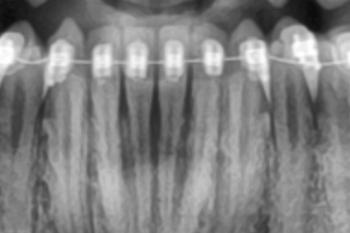
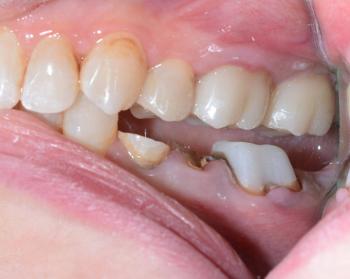
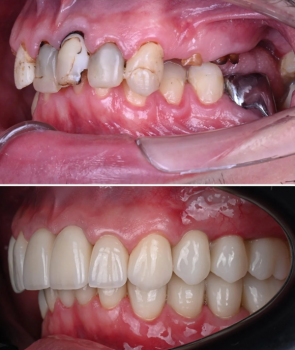
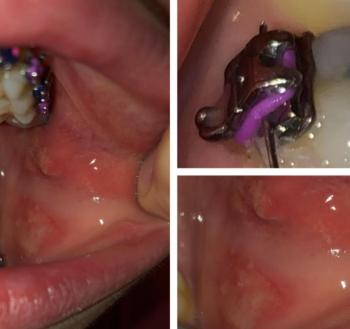
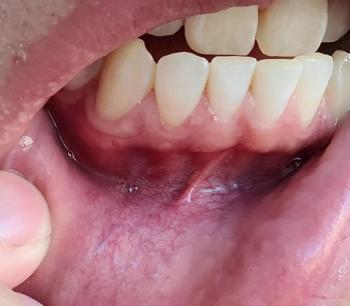
Patients with lower front gum inflammation may also experience tartar buildup, periodontal disease, gum abscesses, or tooth decay. Explore these related clinical case studies.
Other topics:
Other Dental Clinic
 |
 |
 |
 |



