We Bring Back the Sparkle in Your Smile.

Tooth Extraction Healing Stages Day by Day: When to Visit a Dental Clinic
Language :
Topics:
Tooth extraction is a common dental procedure performed when a tooth is severely damaged, infected, or cannot be repaired. After the extraction, the body begins a natural healing process. Understanding the healing stages day by day helps patients know what is normal and when they should visit a dental clinic for evaluation.
Proper aftercare is essential to avoid complications such as infection, excessive bleeding, or dry socket.
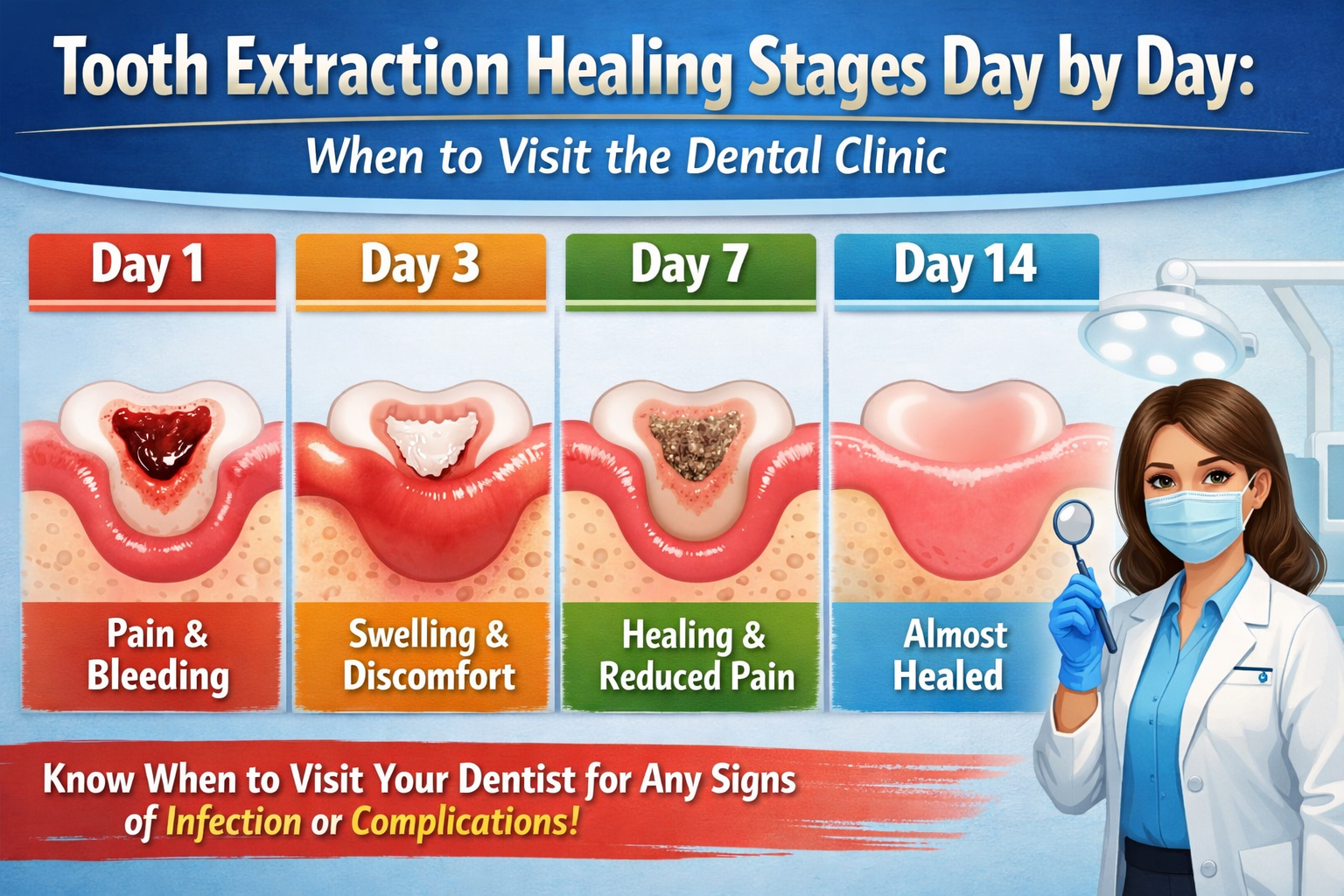
Day 1: Blood Clot Formation
Immediately after a tooth extraction, the most important stage of healing begins with blood clot formation in the socket where the tooth was removed.
This clot acts as a protective layer that covers the bone and nerve endings. It also serves as the foundation for new tissue growth.
What to Expect
-
Mild bleeding for several hours
-
Swelling around the extraction site
-
Mild to moderate pain
What to Do
-
Bite gently on the gauze provided by your dentist
-
Rest and avoid strenuous activity
-
Do not rinse your mouth aggressively
-
Avoid drinking through a straw
Dislodging the blood clot can lead to dry socket, a painful complication that delays healing.
Day 2–3: Early Healing Phase
During the next few days, swelling may peak and then gradually decrease. The gum tissue begins repairing itself while the clot stabilizes inside the socket.
Common Symptoms
-
Mild swelling around the cheek or jaw
-
Slight bruising near the extraction area
-
Sensitivity when eating
Recommended Care
-
Rinse gently with warm salt water after 24 hours
-
Eat soft foods such as soup, yogurt, or mashed potatoes
-
Continue prescribed medications if given by the dentist
If pain becomes severe or swelling continues to worsen after Day 3, it may indicate a complication.
Day 4–7: Tissue Repair Begins
By this stage, gum tissue begins to close over the extraction site. Most patients start to feel much better as pain and swelling decrease.
Healing Signs
-
Reduced pain and inflammation
-
Gum tissue starting to cover the socket
-
Improved comfort when chewing soft foods
Important Advice
-
Maintain good oral hygiene but avoid brushing directly over the extraction site
-
Continue eating soft foods until the gum becomes stronger
-
Avoid smoking because it slows healing and increases infection risk
Week 2: Gum Closure
After about 10 to 14 days, the gum tissue usually closes significantly over the socket.
At this point:
-
Swelling should be minimal
-
Pain should almost disappear
-
Normal eating habits may gradually resume
However, the bone inside the socket is still healing underneath the gum.
Week 3–4: Bone Regeneration
During this stage, new bone tissue begins forming in the socket. This process continues for several weeks.
Patients planning dental implants or bone graft procedures may need to wait until the bone is fully healed before additional treatment.
Your dentist may schedule a follow-up visit to evaluate the healing progress.
When to Visit a Dental Clinic
While mild discomfort is normal, some symptoms require professional evaluation.
Visit your dentist immediately if you experience:
-
Severe pain after Day 3
-
Persistent bleeding that does not stop
-
Bad taste or foul odor from the extraction site
-
Fever or increasing swelling
-
Visible bone in the socket
These symptoms may indicate dry socket or infection, which require prompt treatment.
Tips to Speed Up Healing
Following proper aftercare instructions significantly improves healing.
Recommended practices include:
-
Rest for at least 24 hours after extraction
-
Eat soft foods and stay hydrated
-
Avoid smoking and alcohol
-
Maintain gentle oral hygiene
-
Follow medication instructions from your dentist
These simple steps help prevent complications and promote faster recovery.
Importance of Follow-Up Dental Care
Regular follow-up visits allow dentists to monitor healing and detect potential problems early. If the extraction was performed due to severe tooth damage or infection, your dentist may also discuss replacement options such as dental implants, bridges, or dentures.
Proper evaluation ensures that the jawbone and gum tissue heal correctly before any future dental procedures.
Final Advice
Tooth extraction healing normally takes one to two weeks for the gums and several weeks for the underlying bone. Most patients recover without complications when proper aftercare is followed.
If pain becomes worse instead of improving, or if unusual symptoms appear, visiting a dental clinic promptly can prevent more serious problems and ensure a smooth recovery.
Can tooth extraction cause infection? Mild inflammation is normal, but increasing swelling, fever, or severe pain may indicate infection. Learn more about post-extraction infection warning signs in this detailed guide.
Frequently Asked Questions (FAQ): Tooth Extraction Healing Stages
1. How long does it take for a tooth extraction to heal?
Most tooth extraction sites begin healing within 7 to 14 days as the gum tissue closes over the socket. However, the bone underneath may take 4 to 8 weeks to fully heal, depending on the complexity of the extraction.
2. What are the normal healing stages after tooth extraction?
Healing generally follows several stages:
-
Day 1: Blood clot forms in the socket
-
Day 2–3: Swelling and mild discomfort may occur
-
Day 4–7: Gum tissue begins repairing and pain decreases
-
Week 2: Gum starts closing over the extraction site
-
Week 3–4: Bone tissue gradually regenerates
Each patient may heal at a slightly different pace.
3. How do I know if my extraction site is healing properly?
Signs of normal healing include:
-
Gradual reduction in pain
-
Decreasing swelling after the first few days
-
Formation of healthy gum tissue over the socket
-
No persistent bleeding or foul odor
If symptoms steadily improve, healing is typically progressing well.
4. What foods should I eat after tooth extraction?
Soft foods are recommended during the first few days.
Examples include:
-
Yogurt
-
Soup
-
Mashed potatoes
-
Scrambled eggs
-
Smoothies (without using a straw)
Avoid hard, crunchy, or spicy foods until the gum tissue heals.
5. What is dry socket and when does it occur?
Dry socket occurs when the protective blood clot becomes dislodged or dissolves too early. This exposes the bone and nerves in the socket, causing intense pain.
Dry socket usually develops 3 to 5 days after extraction and often requires dental treatment.
6. When should I visit a dental clinic after extraction?
You should contact a dentist if you experience:
-
Severe pain after Day 3
-
Continuous bleeding
-
Fever or increasing swelling
-
Bad taste or foul odor from the extraction site
-
Visible bone in the socket
These symptoms may indicate infection or dry socket.
7. Can I brush my teeth after tooth extraction?
Yes, but you should avoid brushing directly over the extraction site during the first few days. Continue brushing the other teeth gently and keep the mouth clean to reduce infection risk.
8. Is swelling normal after tooth extraction?
Yes, mild swelling is common during the first 48 hours after the procedure. Applying a cold compress to the cheek can help reduce swelling and discomfort.
9. When can I return to normal activities?
Most patients can resume normal daily activities within 24 to 48 hours, but strenuous exercise should be avoided for several days to prevent bleeding.
10. Can I get a dental implant after tooth extraction?
Yes. Many patients replace missing teeth with dental implants. However, the dentist may recommend waiting until the bone and gum tissue have healed properly before implant placement. This healing period may range from 6 weeks to several months, depending on the case.
Related Topics :
- Tooth Extraction vs Root Canal: Which Treatment Is Better?
- How Long Does Tooth Extraction Pain Last?
- Dry Socket After Tooth Extraction: Causes, Symptoms, and Treatment
- Signs of Infection After Tooth Extraction
- Tooth Extraction Aftercare: What to Do in the First 24 Hours
Book a consultation with our Cebu dental specialists for proper evaluation and care.
Ready to get expert guidance?
If you’re experiencing severe pain or delayed healing, book a consultation with our Cebu dental specialists to get proper evaluation and care.
Consultation or contact page .
Book a Consultation
For severe discomfort or delayed healing, book a consultation with our Cebu dental specialists today.
Looking for a dentist? Browse our Cebu dental directory to find trusted clinics near you.
Medical Review and Clinical Basis
This article is based on clinical dental guidelines and real patient recovery patterns observed after tooth extraction procedures. The information reflects common post-extraction healing stages, including normal clot formation, gum tissue repair, and signs of possible complications such as dry socket or infection.
While mild discomfort is expected after a dental extraction, worsening pain after Day 3, bad odor, exposed bone, or spreading pain may require professional evaluation. These symptoms are consistent with known post-extraction complications described in standard dental practice.
About Cebu Dental Implants
Cebu Dental Implants provides comprehensive tooth extraction, surgical procedures, and dental implant services in the Philippines. Our team evaluates post-extraction healing, manages complications such as dry socket, and advises patients on proper aftercare to prevent infection and delayed healing.
If you experience severe pain or unusual symptoms after extraction, early professional assessment is recommended to prevent further complications.
Important Medical Disclaimer
This content is for educational purposes only and does not replace professional dental diagnosis. Every patient heals differently. If symptoms worsen or do not improve within a few days, consult a licensed dentist for proper evaluation and treatment.
Author
This article was prepared by the Cebu Dental Implants content team in consultation with licensed dental professionals experienced in tooth extraction and implant procedures.
Related Clinical Cases
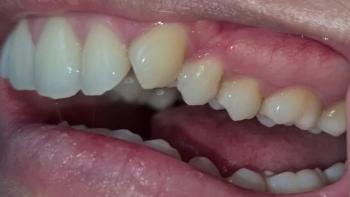
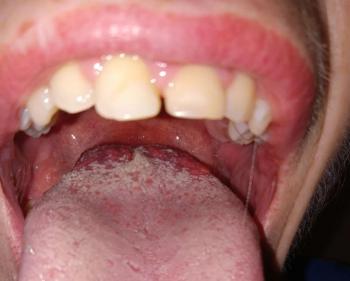
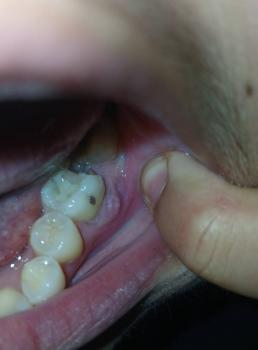
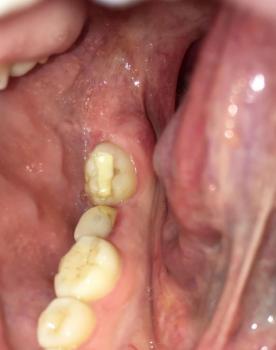
Patients with lower front gum inflammation may also experience tartar buildup, periodontal disease, gum abscesses, or tooth decay. Explore these related clinical case studies.


Other topics:
Other Dental Clinic
 |
 |
 |
 |