Where Bright Smiles Begin.

Full Mouth Dental Implants Financing Options USA
Language :
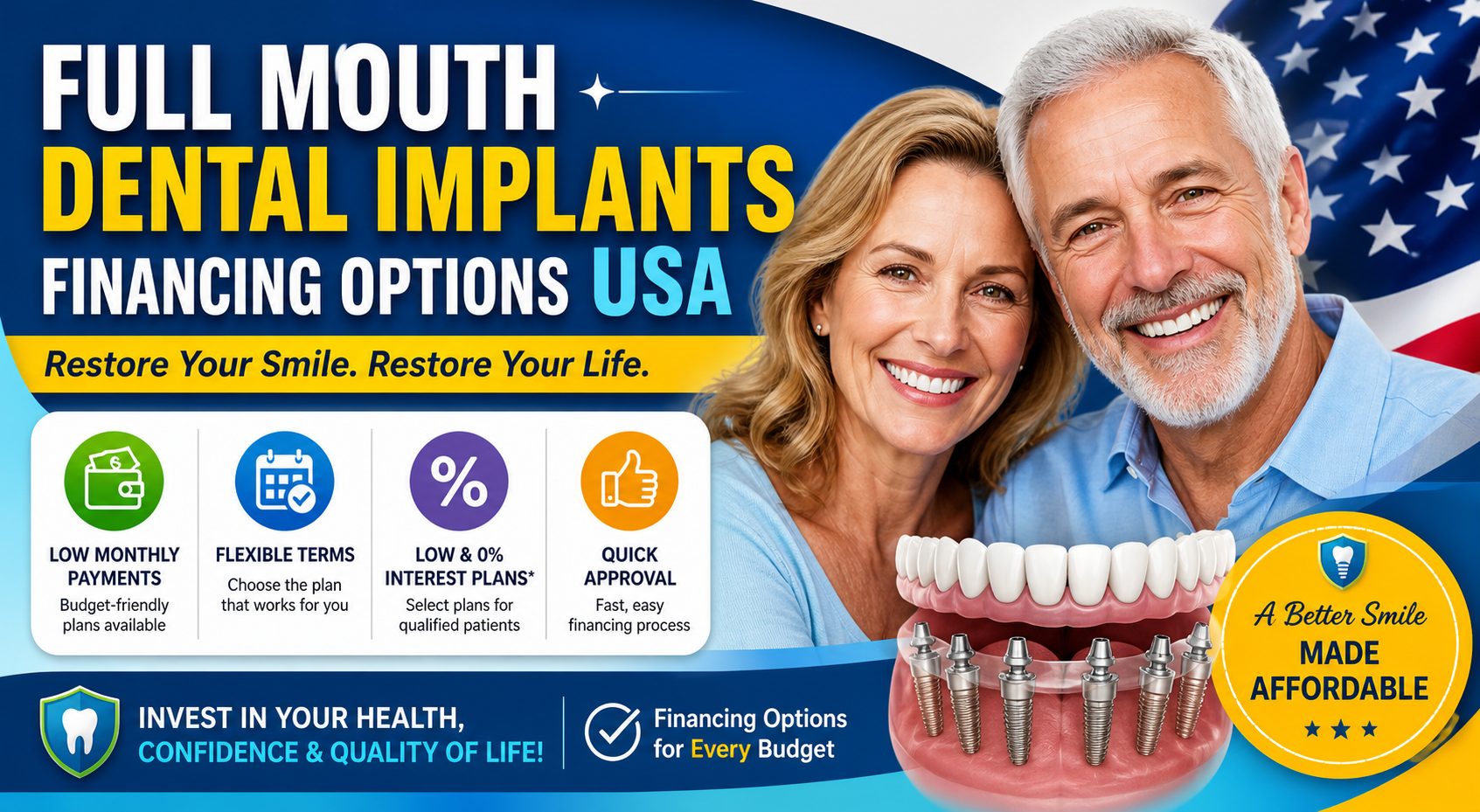
A 10-Year Dental Expert’s Practical Guide to Affording a Life-Changing Treatment
The Reality Behind the Cost
After more than a decade practicing implant dentistry in the United States, I’ve had one conversation thousands of times:
“Doctor, I want this—but how can I afford its?”
Full mouth dental implants are not a small decision. They are one of the most transformative treatments in modern dentistry—restoring function, confidence, and long-term oral health. But they also come with a significant financial commitment, typically ranging from $20,000 to $60,000 per arch depending on materials, technology, and case complexity.
Here’s the truth most clinics won’t tell you clearly:
Most patients don’t pay upfront. They finance.
And financing—when done correctly—can make full mouth implants not only accessible, but manageable.
This guide breaks down every realistic financing option in the U.S., from medical credit to in-house plans, insurance strategies, and smart financial planning.
Understanding What You’re Paying For
Before financing, you need clarity on cost structure.
Full mouth implants typically includee:
- Surgical placement of implants (4–8 implants per arch)
- Temporary prosthesis
- Final zirconia or acrylic bridge
- Imaging (CBCT scan)
- Sedation or anesthesia
- Bone grafting (if needed)
Costs vary depending on:
- Provider experience
- Technology (guided surgery, digital workflow)
- Materials (zirconia vs acrylic)
- Geographic location
Financing Option #1: Medical Credit Cards (Most Common Choice)
CareCredit
LendingClub Patient Solutions
These are the most widely used financing tools for dental implants in the U.S.
How It Works
- You apply online or in-office
- Approval is often instant
- You get a credit line specifically for healthcare
Typical Terms
- 6–24 months interest-free promotional plans
- Longer-term plans (24–84 months) with interest
Pros
- Fast approval process
- No collateral required
- Widely accepted by implant clinics
Cons
- High interest if not paid within promo period
- Credit score impacts approval
Expert Insight (10 Years Experience)
Most of my patients use CareCredit for partial financing, not the full amount. Why?
Because:
Combining financing tools reduces financial stress and interest burden.
Financing Option #2: In-House Dental Payment Planz
Many advanced implant clinics now offer internal financing.
How It Works
- Monthly payments directly to the clinic
- Often no third-party lender involved
Typical Structure
- Down payment (10–30%)
- Monthly installments (6–36 months)
Pros
- Flexible approval
- No credit score requirement (in some clinics)
- Personalized payment schedules
Cons
- Shorter repayment terms
- Larger upfront payment required
My Clinical Experience
Patients who choose in-house financing are typically:
- Self-employed
- New to credit systems
- Looking to avoid high-interest loans
Financing Option #3: Personal Loans
SoFi
Upstart
Personal loans are increasingly popular for full mouth implants.
How It Works
- Borrow a lump sum from a bank or lender
- Fixed monthly payments over time
Loan Terms
- 2–7 years repayment
- Interest rates vary (6%–20%+)
Pros
- Lower interest than credit cards (for good credit)
- Fixed payment structure
- Can cover full treatment cost
Cons
- Requires good credit for best rates
- Longer approval time than medical credit
Expert Advice
If your credit score is above 700:
A personal loan is often the most cost-effective long-term financing option.
Financing Option #4: Dental Insurance (Partial Support Only)
Delta Dental
Let’s be clear:
Insurance rarely covers full mouth implants.
What Insurance May Cover
- Extractions
- Diagnostics
- Partial prosthetics (in some plans)
Typical Coverage
- $1,000–$3,000 annually
Strategy Tip
Spread treatment across calendar years to:
- Maximize yearly benefits
- Reduce out-of-pocket cost
Financing Option #5: Health Savings Accounts (HSA) & FSA
What It Is
Tax-advantaged accounts used for medical expenses.
Benefits
- Pre-tax money
- Reduces overall treatment cost by ~20–30% depending on tax bracket
Best Use Strategy
Combine with:
- Insurance
- Financing plans
Financing Option #6: Home Equity Loans / HELOC
How It Works
- Borrow against your home equity
Pros
- Lower interest rates
- Larger borrowing capacity
Cons
- Risk tied to property
- Longer approval process
When I Recommend This
Only for patients:
- Doing full arch or full mouth reconstruction
- Looking for lowest long-term interest
Financing Option #7: Credit Cards (Use With Caution)
Standard credit cards are an option—but risky.
Pros
- Immediate access
- Reward points
Cons
- High interest (18–30%)
- Can lead to long-term debt
Expert Rule
Only use if:
- You can pay it off within 3–6 months
Smart Financing Strategy (What I Recommend After 10 Years)
The most successful patients use a combination approach:
Example Strategy
- Insurance → covers diagnostics/extractions
- HSA/FSA → reduces taxable cost
- CareCredit → short-term financing
- Personal loan → covers remaining balance
This layered method:
- Reduces interest
- Improves approval chances
- Keeps payments manageable
Cost vs Value: Why Financing Makes Sense
Let’s be direct.
Full mouth implants are not just cosmetic—they:
- Prevent bone loss
- Improve nutrition
- Restore speech and function
- Eliminate ongoing dental costs
Over 10–15 years, they are often:
More cost-effective than repeated dentures, crowns, and repairs
Risks of Choosing the Cheapest Option
In my decade of experience, I’ve seen patients who:
- Chose low-cost providers
- Needed full redo procedures within 3–5 years
Financing allows you to:
- Choose experienced providers
- Avoid costly failures
Related Topics (3 Essential Reads)
1. Full Mouth Dental Implants vs Dentures: Long-Term Cost Comparison
Understand why implants often save money over time.
2. All-on-4 vs All-on-6 Implants: Which Is Better?
Explore structural differences and long-term durability.
3. How Long Do Full Mouth Dental Implants Last?
Learn what affects lifespan and maintenance costs.
FAQ: Full Mouth Dental Implants Financing (USA)
1. What credit score do I need for implant financing?
Most financing options require a score of 600–700+, but some clinics offer alternatives for lower scores.
2. Can I finance the entire cost?
Yes. Many patients finance 100% of treatment, especially with personal loans or medical credit.
3. Is there truly 0% interest financing?
Yes—but only during promotional periods (usually 6–24 months). After that, interest applies.
4. How much is a typical monthly payment?
- $20,000 treatment → ~$300–$500/month
- $50,000 treatment → ~$800–$1,200/month
(depends on term and interest rate)
5. Can I combine multiple financing options?
Absolutely. This is often the smartest approach.
6. Will applying affect my credit score?
Yes—most financing involves a hard credit inquiry.
7. Are implants tax-deductible?
In some cases, yes—if classified as a medical necessity. Consult a tax professional.
8. What happens if I miss payments?
Late fees, increased interest, and credit score impact may occur.
9. Is financing better than waiting and saving?
In many cases, yes—because delaying treatment can lead to:
- Bone loss
- More complex (and expensive) procedures
10. How do I choose the best financing option?
Evaluate:
- Interest rates
- Monthly affordability
- Total repayment cost
Final Expert Advice
After treating implant patients for over 10 years across a wide range of financial situations, one thing is consistent:
The patients who plan financing carefully have the best outcomes—not just clinically, but emotionally and financially.
Don’t focus only on:
- Monthly payment
Also consider:
- Total cost over time
- Provider experience
- Long-term durability
Because full mouth implants are not just a purchase.
They are an investment in:
- Your health
- Your confidence
- Your quality of life
Can tooth extraction cause infection? Mild inflammation is normal, but increasing swelling, fever, or severe pain may indicate infection. Learn more about post-extraction infection warning signs in this detailed guide.
Book a consultation with our Cebu dental specialists for proper evaluation and care.
Ready to get expert guidance?
If you’re experiencing severe pain or delayed healing, book a consultation with our Cebu dental specialists to get proper evaluation and care.
Consultation or contact page .
Book a Consultation
For severe discomfort or delayed healing, book a consultation with our Cebu dental specialists today.
Looking for a dentist? Browse our Cebu dental directory to find trusted clinics near you.
Medical Review and Clinical Basis
This article is based on clinical dental guidelines and real patient recovery patterns observed after tooth extraction procedures. The information reflects common post-extraction healing stages, including normal clot formation, gum tissue repair, and signs of possible complications such as dry socket or infection.
While mild discomfort is expected after a dental extraction, worsening pain after Day 3, bad odor, exposed bone, or spreading pain may require professional evaluation. These symptoms are consistent with known post-extraction complications described in standard dental practice.
About Cebu Dental Implants
Cebu Dental Implants provides comprehensive tooth extraction, surgical procedures, and dental implant services in the Philippines. Our team evaluates post-extraction healing, manages complications such as dry socket, and advises patients on proper aftercare to prevent infection and delayed healing.
If you experience severe pain or unusual symptoms after extraction, early professional assessment is recommended to prevent further complications.
Important Medical Disclaimer
This content is for educational purposes only and does not replace professional dental diagnosis. Every patient heals differently. If symptoms worsen or do not improve within a few days, consult a licensed dentist for proper evaluation and treatment.
Author
This article was prepared by the Cebu Dental Implants content team in consultation with licensed dental professionals experienced in tooth extraction and implant procedures.
Related Clinical Cases
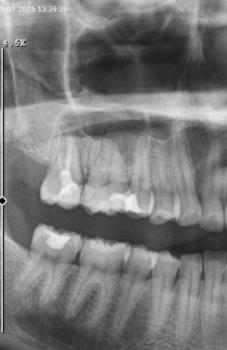
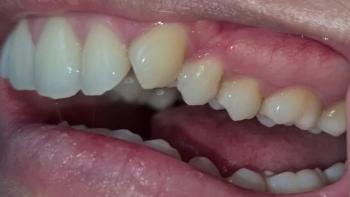
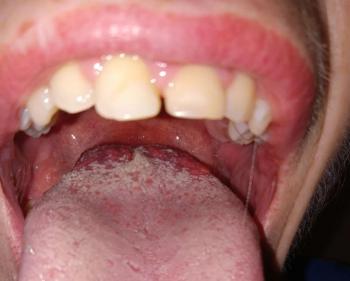
Patients with lower front gum inflammation may also experience tartar buildup, periodontal disease, gum abscesses, or tooth decay. Explore these related clinical case studies.




Other topics:
Other Dental Clinic