Strong Teeth, Fresh Breath, Brighter You.

Facial Swelling from a Tooth Infection: Why It Is a Medical Emergency and What You Need to Know
Language :
Topics:
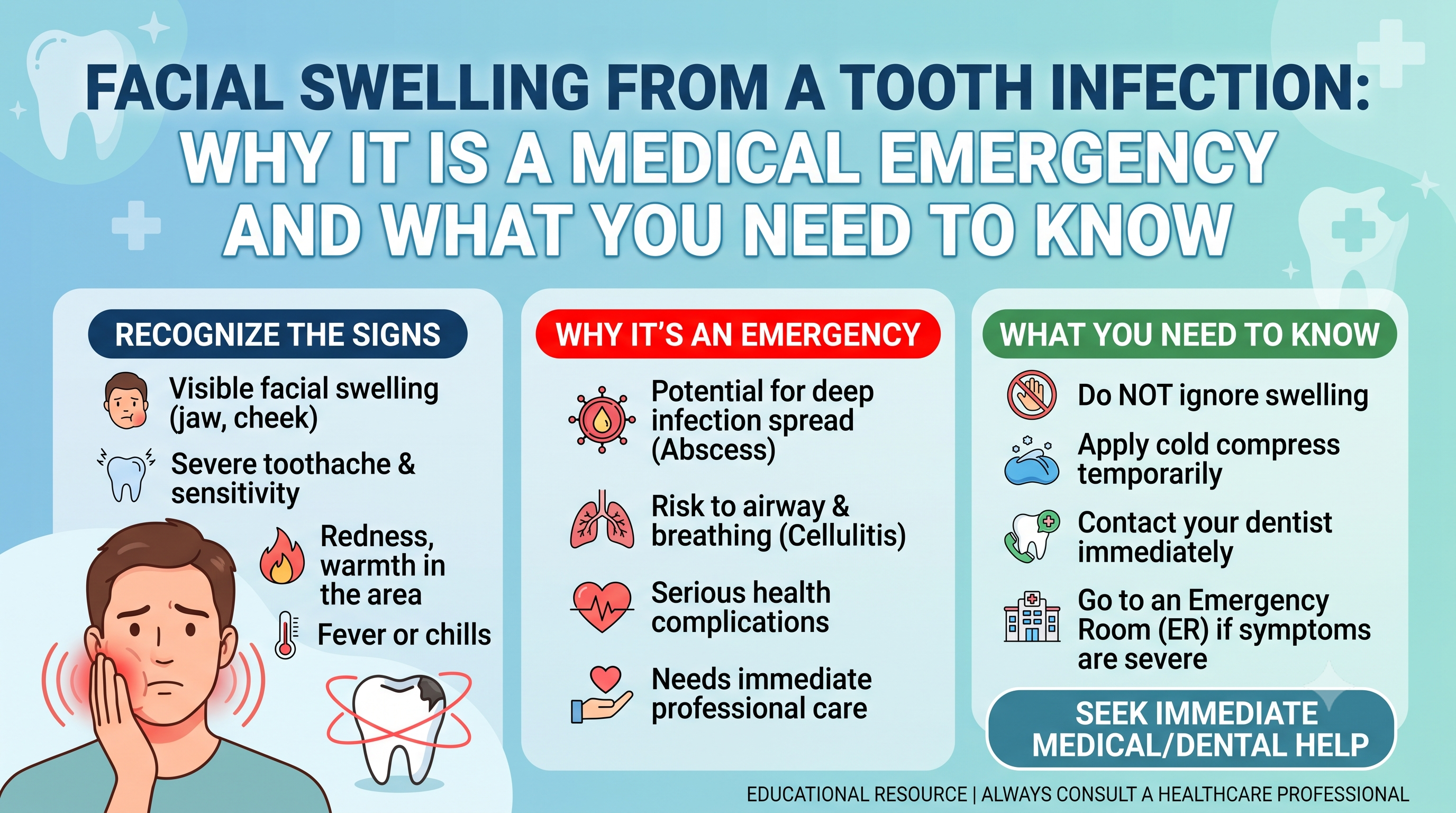
A toothache may seem like a minor problem at first, but when it is accompanied by facial swelling, it should never be ignored. Facial swelling caused by a tooth infection is often a sign that bacteria have escaped the infected tooth and are spreading into the surrounding tissues. This condition, known as a dental abscess with facial cellulitis, can become a serious medical emergency if left untreated.
Every year in the United States, thousands of people visit emergency departments because of severe dental infections. While many toothaches can wait for a scheduled dental appointment, swelling of the face is different. Once the infection spreads beyond the tooth, it can move through the soft tissues of the cheeks, jaw, neck, and even toward the airway. In severe cases, the infection can interfere with breathing, enter the bloodstream, or spread to other parts of the body.
The good news is that prompt treatment is highly effective. Dentists, oral surgeons, and hospital emergency physicians have established treatment protocols that can stop the infection before it becomes life-threatening. Recognizing the warning signs early and seeking immediate care can significantly reduce the risk of serious complications.
This guide explains why facial swelling from a tooth infection is considered a medical emergency, how a dental abscess spreads, and the warning signs that require immediate medical attention.
"antibiotics alone are often not enough"
Facial Swelling from Tooth Infection: Emergency Warning Signs
- Dental Abscess
- Facial Cellulitis
- Tooth Infection + Fever
- Swelling Under Jaw/Neck
- Difficulty Swallowing
- Difficulty Breathing
- Dental Abscess Stages
- Root Canal vs Extraction
- Antibiotics for Dental Infection
- Tooth Extraction Infection
- Emergency Dental Care
Why Facial Swelling from a Tooth Infection Is a Medical Emergency
Many people believe that once the pain from a toothache decreases, the problem is improving. Unfortunately, the opposite can sometimes be true.
When bacteria infect the pulp—the soft tissue inside a tooth containing nerves and blood vessels—the infection gradually destroys the living tissue. As pressure builds inside the tooth, severe pain usually develops. Eventually, the infected nerve may die, causing the pain to lessen. However, the bacteria remain active and continue multiplying.
Instead of remaining trapped inside the tooth, the bacteria begin searching for a way out.
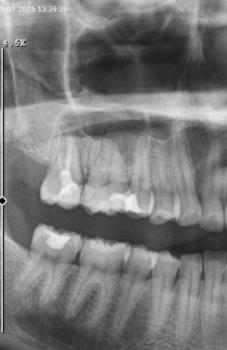
Once they escape through the tip of the tooth root, they invade the surrounding bone and soft tissues. This creates a pocket of pus called a dental abscess. As the infection grows, it spreads into the tissues of the face, causing visible swelling.
Facial swelling means the infection is no longer confined to the tooth.
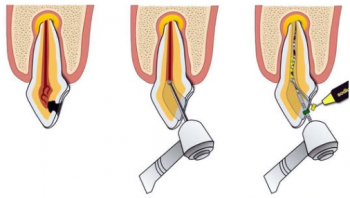
At this stage, antibiotics alone are often not enough to permanently solve the problem because they cannot fully penetrate the dead tissue inside the infected tooth. The source of the infection remains until a dentist performs definitive treatment such as a root canal or tooth extraction.
This is why facial swelling should never be considered a normal symptom.
Unlike a simple cavity, an untreated abscess can spread rapidly through the natural spaces between muscles, connective tissue, and facial structures. These areas allow bacteria to move surprisingly quickly.
Some infections remain localized, while others progress within hours.
The speed depends on several factors, including:
- The type of bacteria involved
- The patient's immune system
- Whether treatment has already been delayed
- The location of the infected tooth
- Underlying medical conditions such as diabetes or immune disorders
Infections involving the lower molars deserve particular attention because they can spread into the spaces beneath the tongue and lower jaw. Swelling in these areas may begin pressing against the airway, making breathing increasingly difficult.
This is why dentists and emergency physicians take facial swelling seriously.
Visible swelling is often an indication that the infection has progressed beyond what can safely be managed with home remedies.
FACIAL SWELLING FROM TOOTH INFECTION
1. Dental Abscess
-
Dental Abscess Stages
-
Dental Abscess Treatment
2. Facial Cellulitis
-
Facial Cellulitis
-
Dental Abscess vs. Facial Cellulitis
3. Emergency Symptoms
-
Difficulty Breathing From a Tooth Infection
-
Difficulty Swallowing From a Tooth Infection
-
Swelling Under the Jaw From a Tooth Infection
-
Neck Swelling From a Tooth Infection
4. Systemic Infection
-
Fever From a Tooth Infection
-
Chills and Malaise From a Tooth Infection
5. Treatment
-
Antibiotics for Tooth Infection
-
Root Canal Treatment for an Infected Tooth
-
Tooth Extraction for Severe Tooth Infection
6. Aftercare and Related Conditions
-
Infection After Tooth Extraction
Recommended:
→ Dental Abscess
→ Dental Abscess Stages
→ Dental Abscess Treatment
→ Facial Cellulitis
→ Dental Abscess vs. Facial Cellulitis
→ Difficulty Breathing From a Tooth Infection
→ Difficulty Swallowing From a Tooth Infection
→ Swelling Under the Jaw From a Tooth Infection
→ Neck Swelling From a Tooth Infection
→ Fever From a Tooth Infection
→ Chills and Malaise From a Tooth Infection
→ Antibiotics for Tooth Infection
→ Root Canal Treatment for an Infected Tooth
→ Tooth Extraction for Severe Tooth Infection
→ Infection After Tooth Extraction
Each supporting article should link back to the main:
"Facial Swelling From Tooth Infection" page.
The main pillar should also link outward to the most relevant supporting articles rather than linking every article indiscriminately.
How a Dental Abscess Spreads
Understanding how a tooth infection spreads helps explain why immediate treatment is so important.
Stage 1: Bacteria Enter the Tooth
Most dental abscesses begin with untreated tooth decay.
When a cavity becomes deep enough, bacteria penetrate the enamel and dentin until they reach the pulp chamber.
Other common causes include:
- Cracked teeth
- Broken fillings
- Failed crowns
- Gum disease
- Dental trauma
- Previous dental work that has become infected
Once bacteria enter the pulp, the body's immune system attempts to fight the infection.
However, the pulp chamber is enclosed by hard tooth structure, leaving little room for swelling.
Pressure builds rapidly inside the tooth, causing the familiar throbbing toothache.
Stage 2: The Nerve Dies
As bacteria continue multiplying, blood circulation inside the tooth decreases.
Eventually, the nerve tissue dies.
Many patients mistakenly believe they are getting better because the severe pain suddenly disappears.
In reality, the infection is becoming more dangerous.
Without living tissue inside the tooth, bacteria multiply freely.
Stage 3: Infection Breaks Through the Root
The bacteria eventually travel through the root canals toward the tip of the tooth root.
Once they exit the root, they begin destroying the surrounding jawbone.
The body responds by sending white blood cells to fight the infection.
Dead bacteria, white blood cells, and tissue debris accumulate together, forming pus.
This collection of pus creates the dental abscess.
Stage 4: Facial Swelling Begins
As pressure increases, the pus follows the path of least resistance.
Instead of remaining trapped in the jawbone, it enters nearby soft tissues.
Patients often notice:
- A swollen cheek
- Swelling under the jaw
- Puffy gums
- Facial tenderness
- Difficulty opening the mouth fully
The skin over the swollen area may become warm, red, and painful.
At this point, delaying treatment becomes increasingly risky.
Stage 5: The Infection Can Spread Beyond the Face
Without treatment, bacteria may continue spreading into deeper facial spaces.
Potential complications include infection involving:
- The neck
- The floor of the mouth
- The eye socket
- Facial muscles
- Deep connective tissues
In rare but serious situations, bacteria may enter the bloodstream.
This widespread infection, known as sepsis, is a medical emergency requiring immediate hospital treatment.
Fortunately, modern antibiotics, surgical drainage when needed, and prompt dental care have made these severe complications much less common when patients seek treatment early.
Warning Signs and Symptoms
Knowing the warning signs can help determine when immediate care is necessary.
Not every toothache requires an emergency room visit.
However, facial swelling combined with signs of a spreading infection should never be ignored.
Early Symptoms
Early symptoms often include:
- Persistent toothache
- Pain while chewing
- Sensitivity to hot or cold
- Swollen gums
- Bad taste in the mouth
- Pimple-like bump on the gum
- Bad breath
- Mild swelling near the affected tooth
These symptoms indicate that infection may already be developing.
Prompt evaluation by a dentist can often prevent progression.
Moderate Symptoms
As the infection spreads beyond the tooth, symptoms become more noticeable.
These may include:
- Swelling of the cheek
- Swelling under the jaw
- Increasing facial pain
- Difficulty opening the mouth
- Enlarged lymph nodes beneath the jaw
- Fever
- General fatigue
- Difficulty eating
Visible facial swelling is an important warning sign that the infection has moved outside the tooth.
Patients should seek urgent dental evaluation the same day whenever possible.
Emergency Warning Signs
Some symptoms indicate that the infection may be affecting deeper tissues or the airway.
Seek emergency medical care immediately if you experience:
- Difficulty breathing
- Difficulty swallowing saliva or liquids
- Rapidly increasing facial swelling
- Swelling extending toward the eye or neck
- High fever (100.4°F / 38°C or higher)
- Severe chills
- Confusion or unusual drowsiness
- Fast heartbeat
- Inability to fully open the mouth
- Difficulty speaking because of swelling
These symptoms may indicate a rapidly spreading infection that requires immediate hospital evaluation.
Do not attempt to treat these symptoms with home remedies alone.
Who Is at Higher Risk?
Although anyone can develop a serious dental abscess, certain individuals have a higher risk of complications.
These include people with:
- Diabetes
- Weakened immune systems
- Cancer undergoing chemotherapy
- Organ transplant recipients
- Long-term steroid use
- Poorly controlled gum disease
- Untreated extensive tooth decay
- Smoking or tobacco use
Children, older adults, and individuals with significant medical conditions should also be evaluated promptly because infections may progress more rapidly or produce fewer early warning signs.
The Bottom Line
Facial swelling from a tooth infection is more than just a painful dental problem—it is a warning that bacteria have spread beyond the tooth into surrounding tissues. While some infections remain localized, others can advance quickly, affecting the jaw, neck, airway, or bloodstream if treatment is delayed.
Recognizing facial swelling early and understanding its seriousness can make a critical difference. Prompt evaluation by a dentist, oral surgeon, or emergency physician when severe symptoms are present offers the best chance of stopping the infection before complications develop. Most importantly, remember that antibiotics alone are usually only part of the solution. The infected tooth must ultimately receive definitive treatment—such as root canal therapy or extraction—to eliminate the source of the infection and prevent it from returning.
Can tooth extraction cause infection? Mild inflammation is normal, but increasing swelling, fever, or severe pain may indicate infection. Learn more about post-extraction infection warning signs in this detailed guide.
Book a consultation with our Cebu dental specialists for proper evaluation and care.
Ready to get expert guidance?
If you’re experiencing severe pain or delayed healing, book a consultation with our Cebu dental specialists to get proper evaluation and care.
Consultation or contact page .
Book a Consultation
For severe discomfort or delayed healing, book a consultation with our Cebu dental specialists today.
Looking for a dentist? Browse our Cebu dental directory to find trusted clinics near you.
Medical Review and Clinical Basis
This article is based on clinical dental guidelines and real patient recovery patterns observed after tooth extraction procedures. The information reflects common post-extraction healing stages, including normal clot formation, gum tissue repair, and signs of possible complications such as dry socket or infection.
While mild discomfort is expected after a dental extraction, worsening pain after Day 3, bad odor, exposed bone, or spreading pain may require professional evaluation. These symptoms are consistent with known post-extraction complications described in standard dental practice.
About Cebu Dental Implants
Cebu Dental Implants provides comprehensive tooth extraction, surgical procedures, and dental implant services in the Philippines. Our team evaluates post-extraction healing, manages complications such as dry socket, and advises patients on proper aftercare to prevent infection and delayed healing.
If you experience severe pain or unusual symptoms after extraction, early professional assessment is recommended to prevent further complications.
Important Medical Disclaimer
This content is for educational purposes only and does not replace professional dental diagnosis. Every patient heals differently. If symptoms worsen or do not improve within a few days, consult a licensed dentist for proper evaluation and treatment.
Author
This article was prepared by the Cebu Dental Implants content team in consultation with licensed dental professionals experienced in tooth extraction and implant procedures.
Related Clinical Cases
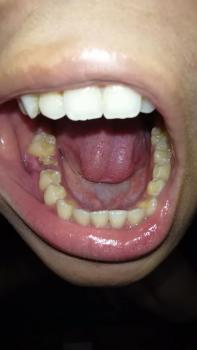
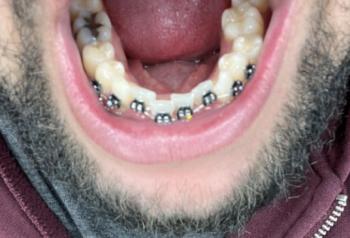
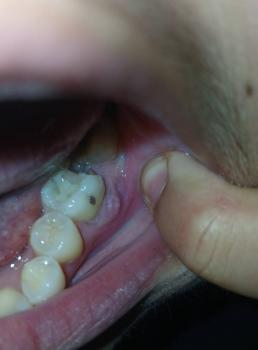
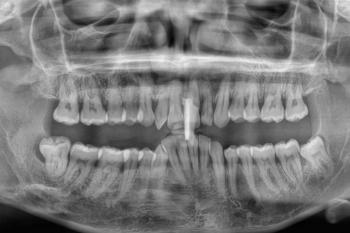
Patients with lower front gum inflammation may also experience tartar buildup, periodontal disease, gum abscesses, or tooth decay. Explore these related clinical case studies.
Other topics:
Other Dental Clinic