Dentures That Feel Natural, Look Beautiful.

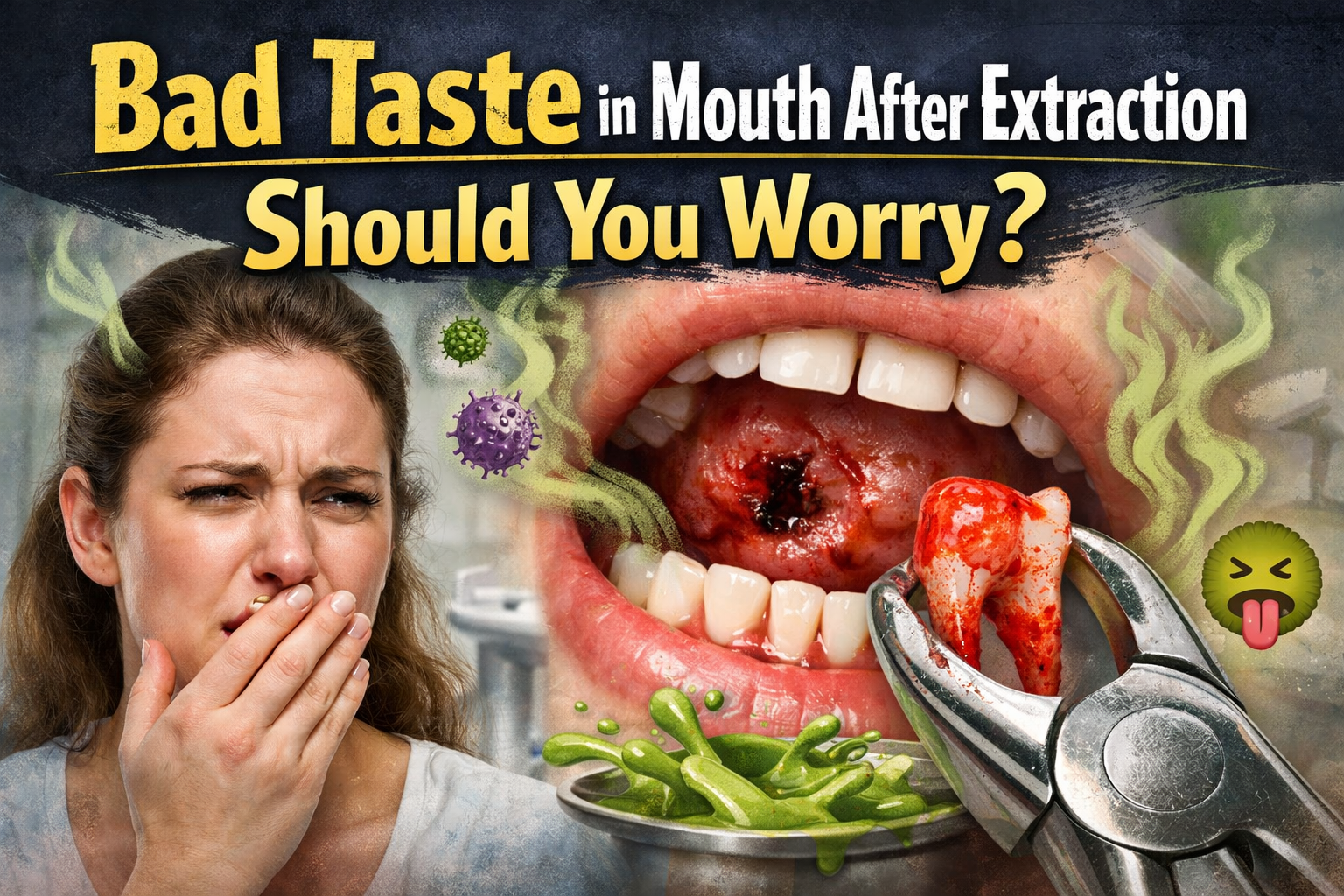
Bad Taste in Mouth After Extraction - Should You Worry?
Language :
Topics:
A bad taste in your mouth after a tooth extraction can be uncomfortable and worrying. In many cases, it is part of normal healing. However, sometimes it may be a sign of a problem such as infection or dry socket. Knowing the difference helps you act early and avoid complications.
Is Bad Taste After Extraction Normal?
Yes, a mild unpleasant taste is common during the first few days. This can come from:
- Blood and healing fluids
- Food particles near the extraction site
- Normal tissue repair
This usually improves as healing progresses.
When Should You Be Concerned?
A bad taste becomes a concern if it is persistent, strong, or worsening. This may indicate an underlying issue that needs attention.
Common Causes of Bad Taste
1. Dry Socket
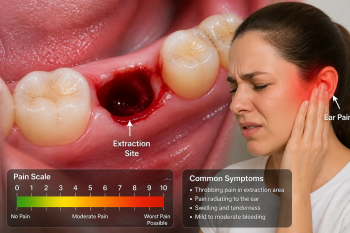
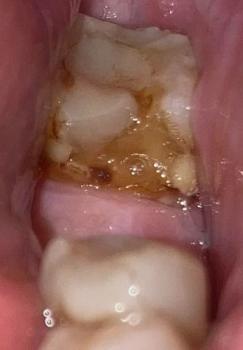
Dry socket occurs when the protective blood clot is lost too early. This exposes the bone and leads to pain and bad odor.
Signs include:
- Strong bad taste
- Severe pain after a few days
- Visible empty socket
2. Infection
Bacterial infection can cause pus and foul taste in the mouth.
Symptoms include:
- Swelling
- Fever
- Pus discharge
- Persistent bad smell
3. Food Trapped in Socket
Food debris can get stuck in the extraction site, causing irritation and unpleasant taste.
4. Poor Oral Hygiene
Not cleaning the mouth properly after extraction can allow bacteria to grow.
What Should You Do?
Home Care
- Rinse gently with warm salt water after 24 hours
- Maintain good oral hygiene
- Eat soft foods and avoid trapping debris
- Drink plenty of water
When to Visit the Dentist
Seek professional care if you experience:
- Severe or increasing pain
- Persistent bad taste for several days
- Swelling or fever
- Pus or discharge
Dentists can clean the area, apply medication, or prescribe antibiotics if needed.
How to Prevent Bad Taste
- Follow aftercare instructions carefully
- Avoid smoking and alcohol
- Do not use straws
- Keep the area clean
- Attend follow-up visits
Proper care reduces the risk of infection and complications.
Healing Timeline
- Day 1–2: Mild taste from blood is normal
- Day 3–4: Taste should improve
- 1 Week: Healing continues with minimal discomfort
If taste worsens after Day 3, it may indicate a problem.
FAQ – Bad Taste After Tooth Extraction
1. Is bad taste normal after tooth extraction?
Yes, mild taste is normal for a few days due to healing.
2. How long does it last?
Usually 2–4 days. Longer duration may need dental check.
3. Does bad taste mean infection?
Not always, but persistent or foul taste can be a sign of infection.
4. Can dry socket cause bad taste?
Yes, it is one of the main symptoms along with severe pain.
5. How can I get rid of bad taste?
Saltwater rinsing, good hygiene, and proper aftercare help improve it.
Related Topics
- Tooth Extraction Healing Stages Day by Day
- Dry Socket Treatment and Prevention
- Tooth Extraction Aftercare Guide
- Severe Pain After Tooth Extraction Causes
- Gum Infection After Extraction
- Tooth Extraction Pain at Night
- When to See a Dentist After Extraction
- Dental Implant Healing Timeline
A bad taste in your mouth after extraction is often normal during early healing. However, if it becomes strong, persistent, or is combined with pain and swelling, it could signal a complication like dry socket or infection.
Early care and proper hygiene can prevent most problems. When in doubt, always consult your dentist for safe and effective treatment.
Can tooth extraction cause infection? Mild inflammation is normal, but increasing swelling, fever, or severe pain may indicate infection. Learn more about post-extraction infection warning signs in this detailed guide.
Book a consultation with our Cebu dental specialists for proper evaluation and care.
Ready to get expert guidance?
If you’re experiencing severe pain or delayed healing, book a consultation with our Cebu dental specialists to get proper evaluation and care.
Consultation or contact page .
Book a Consultation
For severe discomfort or delayed healing, book a consultation with our Cebu dental specialists today.
Looking for a dentist? Browse our Cebu dental directory to find trusted clinics near you.
Medical Review and Clinical Basis
This article is based on clinical dental guidelines and real patient recovery patterns observed after tooth extraction procedures. The information reflects common post-extraction healing stages, including normal clot formation, gum tissue repair, and signs of possible complications such as dry socket or infection.
While mild discomfort is expected after a dental extraction, worsening pain after Day 3, bad odor, exposed bone, or spreading pain may require professional evaluation. These symptoms are consistent with known post-extraction complications described in standard dental practice.
About Cebu Dental Implants
Cebu Dental Implants provides comprehensive tooth extraction, surgical procedures, and dental implant services in the Philippines. Our team evaluates post-extraction healing, manages complications such as dry socket, and advises patients on proper aftercare to prevent infection and delayed healing.
If you experience severe pain or unusual symptoms after extraction, early professional assessment is recommended to prevent further complications.
Important Medical Disclaimer
This content is for educational purposes only and does not replace professional dental diagnosis. Every patient heals differently. If symptoms worsen or do not improve within a few days, consult a licensed dentist for proper evaluation and treatment.
Author
This article was prepared by the Cebu Dental Implants content team in consultation with licensed dental professionals experienced in tooth extraction and implant procedures.
Related Clinical Cases
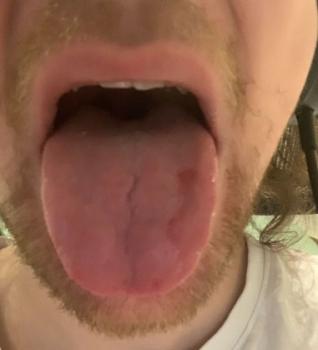
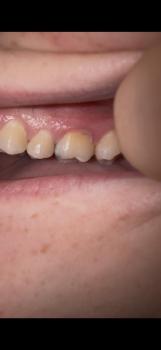
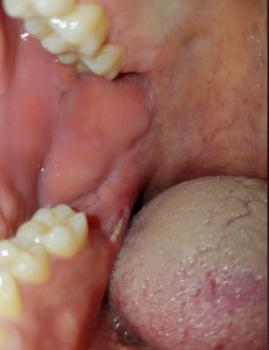
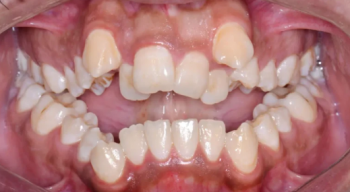
Patients with lower front gum inflammation may also experience tartar buildup, periodontal disease, gum abscesses, or tooth decay. Explore these related clinical case studies.

Other topics:
Other Dental Clinic