Gum infectionm

Back Tooth Decay: Symptoms, Pain, Treatment & FAQs
Severity: 

Clinical Insights: Back Tooth Decay, Pulp Damage, and Tooth-Saving Treatment

Expert Dental Commentary: Why Molar Decay Should Never Be Ignored

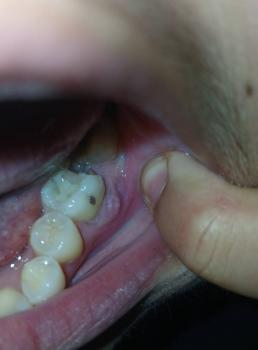
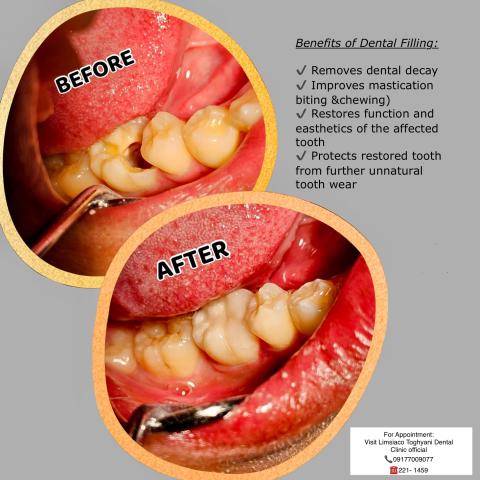
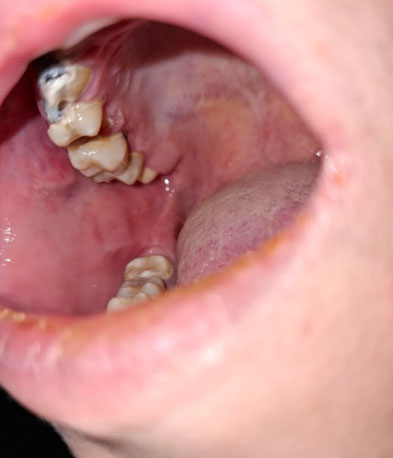
Back tooth decay, also known as posterior dental caries, can progress unnoticed because molars have deep chewing grooves and surfaces that are difficult to clean thoroughly. In the early stages, decay may cause no discomfort. As the lesion progresses through the enamel into the dentin, patients may develop sensitivity to cold drinks, sweets, or pressure during chewing.
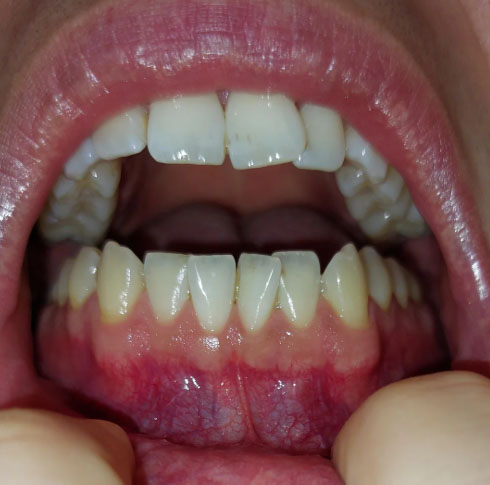
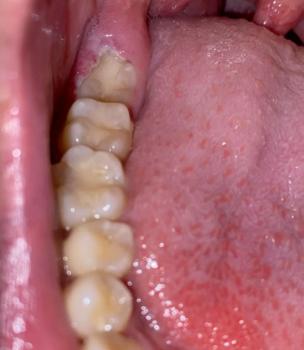
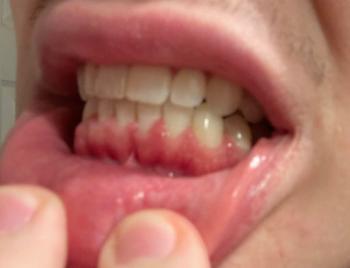
Lower Front Gum Inflammation Case Analysis and Healing Timeline

Severity: 

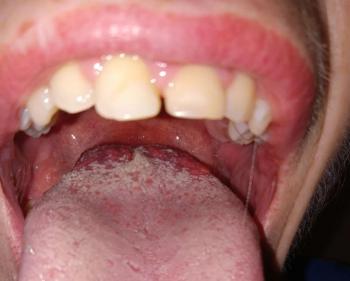
Teeth Case – Full Analysis and Provisional Diagnosis (Zoom 100%)

This assessment is based on a single photographic image. A definitive diagnosis requires an in-person dental examination, periodontal probing, and radiographs if indicated.


1. Visual Findings (Deep Examination)

  • Teeth condition:

    • No obvious cavities or fractures visible.

Severe Broken and Infected Teeth — Symptoms, Treatment Options, and When to Seek Emergency Care

Severity: 

Understanding Severe Tooth Fractures and Dental Infection

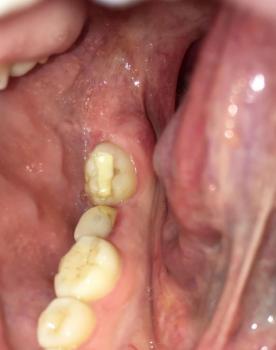
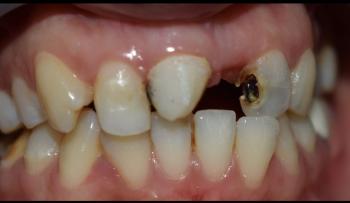
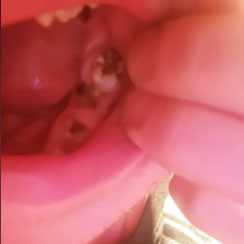
A severely broken tooth is more than a cosmetic concern. When extensive decay or a fracture exposes the inner pulp, bacteria can reach the nerves and blood vessels inside the tooth, causing inflammation, pulp death, or infection around the root. In some cases, an abscess develops in the surrounding gum or bone.

Common warning signs include:

  • A tooth that has broken close to the gumline.

  • Persistent, throbbing, or biting-related tooth pain.

Pages