Your Smile, Perfected with Precision.

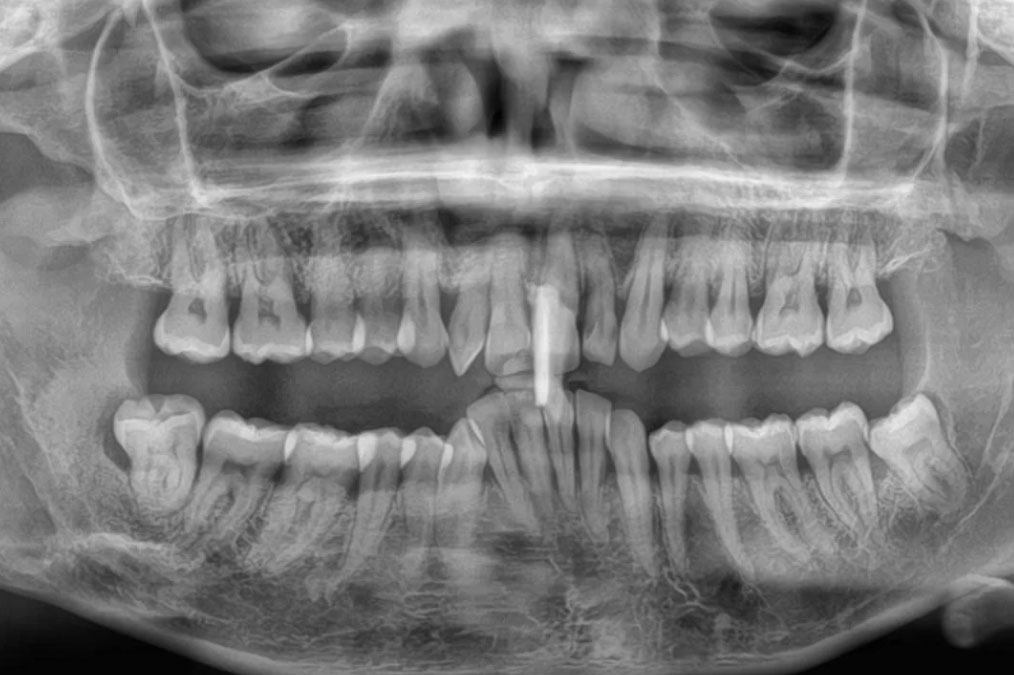
Panoramic X-Ray Showing Generalized Bone Loss Case Analysis
Image:
Severity:
Panoramic X-Ray Showing Generalized Bone Loss and Infection Risk Case Analysis
What Is Seen in This Case
The panoramic X-ray shows both upper and lower jaws with multiple teeth present, but the bone levels around many tooth roots appear reduced. In several areas, the bone looks uneven and lower than normal, especially around the front teeth and molar regions. There is also evidence of previous dental treatment on at least one tooth.
Overall, this image suggests generalized bone loss, not limited to a single tooth.
Most Likely Diagnosis
Based on the panoramic X-ray findings, the most likely conditions include:
-
Generalized periodontal bone loss
-
Chronic gum disease (periodontitis)
-
Increased risk of multiple tooth abscesses
-
Reduced bone support for several teeth
-
Possible past or ongoing dental infections
This is a whole-mouth condition, not a localized problem.
What Causes Generalized Bone Loss
Common causes include:
-
Long-term untreated gum disease
-
Chronic plaque and tartar buildup
-
Smoking or systemic health conditions
-
Poor oral hygiene over many years
-
Delayed or irregular dental visits
Bone loss usually develops slowly and may not cause pain early on.
Is This a Serious Problem
Yes. Generalized bone loss is progressive. If not treated, it may scale up into:
-
Loose teeth
-
Multiple dental abscesses
-
Tooth loss in several areas
-
Bite collapse and chewing difficulty
-
Need for complex dental rehabilitation
Early management can slow or stop progression.
Recommended Treatment Process
Initial Assessment (Days 1–3)
-
Full dental and periodontal examination
-
Review of panoramic X-ray findings
-
Gum pocket measurements
-
Assessment of tooth stability
Active Treatment Phase (Days 4–10)
Treatment may include:
-
Deep cleaning (scaling and root planing)
-
Treatment of infected teeth
-
Periodontal therapy
-
Adjustment of oral hygiene routine
-
Medication if active infection is present
Healing and Monitoring Phase (Days 11–14)
-
Reduction in gum inflammation
-
Stabilization of bone loss
-
Planning for long-term maintenance
Bone already lost does not fully regenerate but can be stabilized.
Expected Healing Time
-
Gum inflammation improvement: 7–14 days
-
Infection control: 1–2 weeks
-
Long-term bone stabilization: months with maintenance care
Regular follow-ups are essential.
What Happens If Treatment Is Delayed
Delaying care may result in:
-
Continued bone destruction
-
Progressive tooth loosening
-
Multiple abscess formation
-
Eventual tooth loss
-
More expensive and invasive treatment
This condition does not reverse on its own.
Home Care While Under Treatment
Patients should:
-
Brush twice daily with proper technique
-
Floss or use interdental cleaners daily
-
Use dentist-recommended mouth rinse
-
Avoid smoking
-
Attend regular dental cleanings
Home care is critical to stop further bone loss.
Professional Comment
This panoramic X-ray shows generalized periodontal bone loss affecting multiple teeth, placing the patient at high risk for abscesses and tooth loss. Early periodontal intervention can preserve remaining bone and teeth.
Visit a Dental Clinic Near You
For full periodontal evaluation and treatment planning, visit:
https://cebudentalimplants.com/map-dental-clinic
Related Clinical Cases
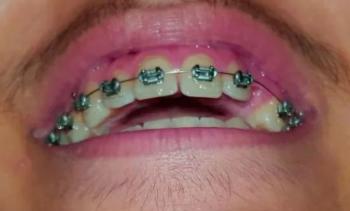
Patients with lower front gum inflammation may also experience tartar buildup, periodontal disease, gum abscesses, or tooth decay. Explore these related clinical case studies.

Other topics:
Other Dental Clinic