

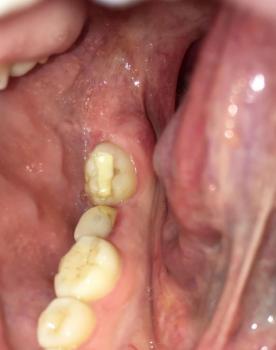
Recurrent Decay Around Fillings, Hidden Cavities Between Teeth, and Tooth Wear: A Swiss Dentist’s Case Analysis

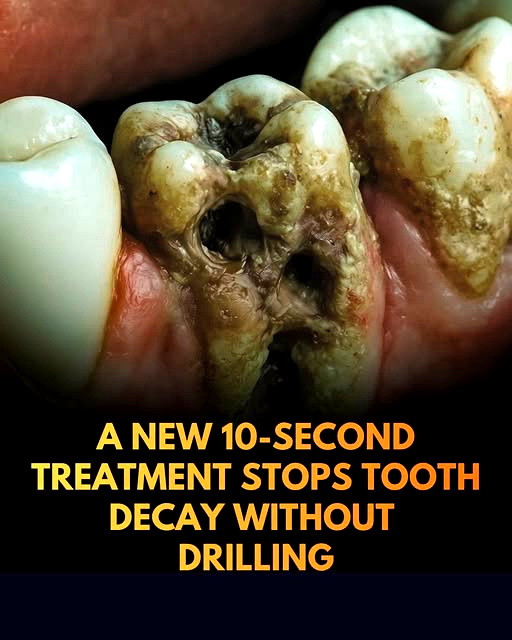
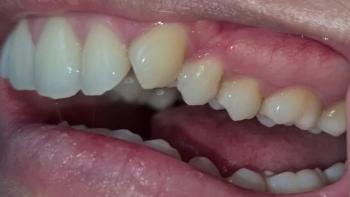
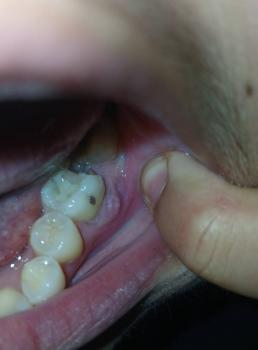
As a dentist working within the Swiss dental environment, I frequently remind patients that a tooth with a filling is not a tooth that can never develop decay again.

Three problems deserve particular attention during routine examinations:

  1. Recurrent decay around existing fillings
  2. Hidden cavities between teeth
  3. Tooth wear and enamel loss

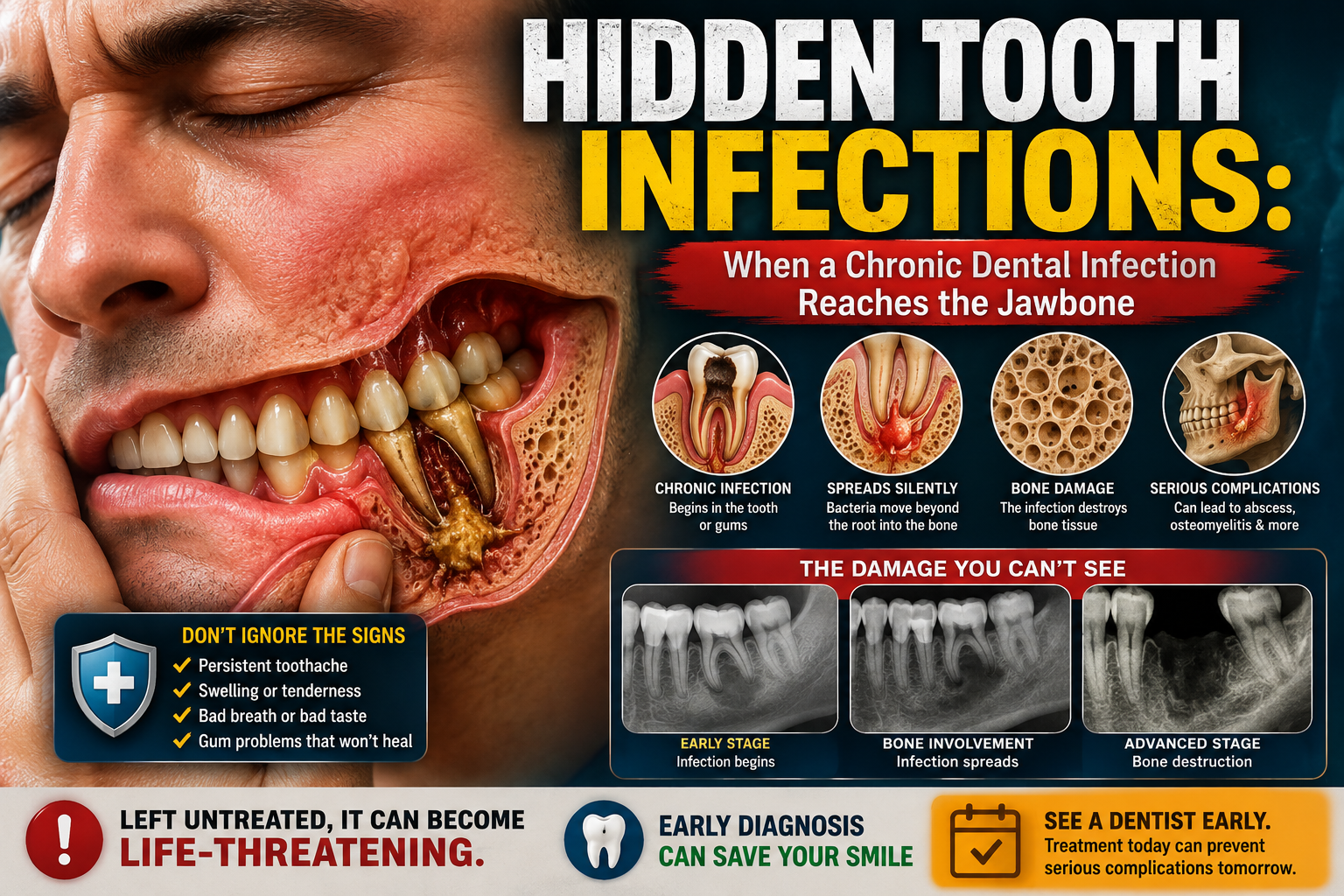
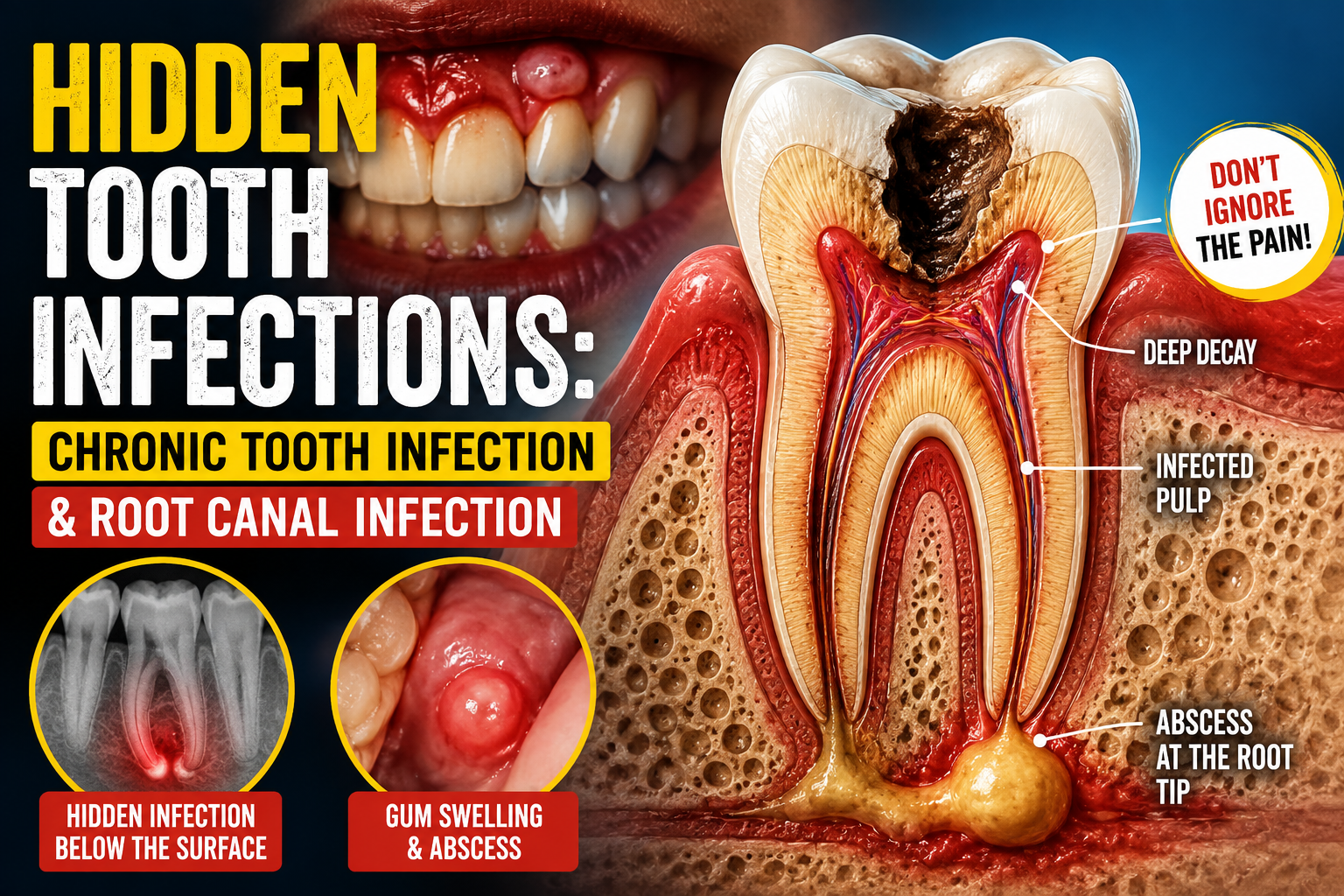
These conditions can be difficult for patients to recognize because they may cause little or no pain during their early stages.

Tooth Decay, Early Tooth Decay and Deep Cavities: A Japanese Dentist’s Case Analysis of Diagnosis, Treatment and the Complete Healing Process

As a dentist practicing within the modern Japanese dental-care environment, I approach tooth decay as a disease process that can progress through different stages, rather than simply as a hole that needs to be drilled and filled.

This distinction is important.

A patient with an early, non-cavitated lesion may be managed very differently from a patient with a large cavity extending deeply toward the dental pulp.

Bone Health and Dental Health: Why Your Bone Density Matters to Your Teeth and Jaw

Bone health is often discussed in terms of hip and spine fractures, but healthy bones also matter in dentistry. The jawbones provide the foundation that supports your teeth, periodontal tissues, and dental implants.

As people age, changes in bone density can become an increasingly important part of overall health. Osteoporosis and osteopenia affect millions of older Americans, making bone health an important subject for patients undergoing tooth extraction, periodontal treatment, dentures, bone grafting, or dental implant treatment.

Cone Beam Computed Tomography (CBCT): USA Technology & Clinical Review

A U.S. Dentist’s Guide to 3D Dental Imaging, Clinical Applications, Radiation Safety and Treatment Planning

Cone Beam Computed Tomography (CBCT) has become one of the most important advanced imaging technologies in modern American dentistry. Unlike conventional intraoral X-rays and panoramic radiographs, which produce two-dimensional images, CBCT creates a three-dimensional representation of teeth and surrounding maxillofacial structures.

Pages