Modern Dentistry, Timeless Smiles.

Colorado Dental Implant Timeline After Extraction
Language :
Tooth loss can happen unexpectedly due to decay, trauma, gum disease, or severe infection. Once a tooth is removed, many patients in Colorado immediately begin asking the same important question: “How long after extraction can I get a dental implant?”
Dental implants are considered one of the most reliable and natural-looking tooth replacement solutions available in modern dentistry. They restore appearance, chewing function, speech, and jawbone support. However, the timing of implant placement after tooth extraction is one of the most critical factors affecting long-term success.
Some patients can receive an implant immediately after extraction on the same day, while others may need to wait several weeks or even months depending on healing, infection, and bone quality.
This complete Colorado USA dental implant guide explains:
- Immediate vs delayed implant placement
- Healing timelines after extraction
- Bone grafting and jawbone preservation
- Recovery expectations
- Colorado-specific oral health considerations
- Costs and treatment stages
- Expert practical advice for implant success
This article is written in a beginner-friendly style while still offering high-level professional insight from experienced implant dentistry principles used throughout the USA.
What Is a Dental Implant?
A dental implant is a titanium post surgically placed into the jawbone to replace the root of a missing tooth. Once the implant fuses with the bone, a dental crown is attached to restore the visible portion of the tooth.
A complete implant restoration includes:
Implant Components
Titanium Implant Post
Acts as the artificial tooth root.
Abutment
Connects the implant to the crown.
Crown
The custom-made visible replacement tooth.
Dental implants are highly popular because they:
- Look natural
- Feel stable
- Preserve jawbone health
- Prevent nearby teeth from shifting
- Improve chewing ability
- Can last many years with proper care
Why Timing Matters After Tooth Extraction
Timing is extremely important in implant dentistry.
After a tooth extraction, the body immediately starts healing. The gum tissue closes over the socket while the jawbone begins remodeling underneath.
Without a tooth root stimulating the bone, the jawbone can gradually shrink. This process is called bone resorption.
If too much bone is lost, implant placement becomes more complicated and may require additional procedures like bone grafting.
Experienced Colorado implant dentists carefully evaluate:
- Bone density
- Gum condition
- Infection levels
- Overall health
- Smoking habits
- Healing ability
before recommending the ideal timing for implant surgery.
Main Implant Timing Options After Extraction
There are four common approaches used in modern implant dentistry.
Immediate Implant Placement
Implant Placed the Same Day as Extraction
With immediate placement, the implant is inserted directly into the extraction socket during the same appointment.
Ideal Candidates
Immediate implants may work well if:
- There is enough healthy jawbone
- No major infection exists
- Gum tissue is stable
- The extraction is uncomplicated
- The patient has good oral hygiene
Benefits
- Shorter treatment timeline
- Fewer surgical procedures
- Better preservation of jawbone
- Reduced gum shrinkage
- Faster cosmetic restoration
Limitations
- Not every patient qualifies
- Requires excellent surgical planning
- Infection must be carefully controlled
Immediate implants are increasingly common in advanced Colorado dental practices using 3D imaging and digital treatment planning.
Early Implant Placement
Implant Placement After Initial Healing
Early placement usually occurs:
- 4 to 8 weeks after extraction
This allows the gum tissue to heal before implant surgery.
Advantages
- Reduced bacterial contamination
- Improved soft tissue healing
- Easier implant positioning in some cases
Common Situations
Dentists often choose this option when:
- Minor infection was present
- Soft tissue damage exists
- The extraction site needs stabilization
Delayed Implant Placement
Implant Placement After Full Healing
Delayed placement is one of the most common methods.
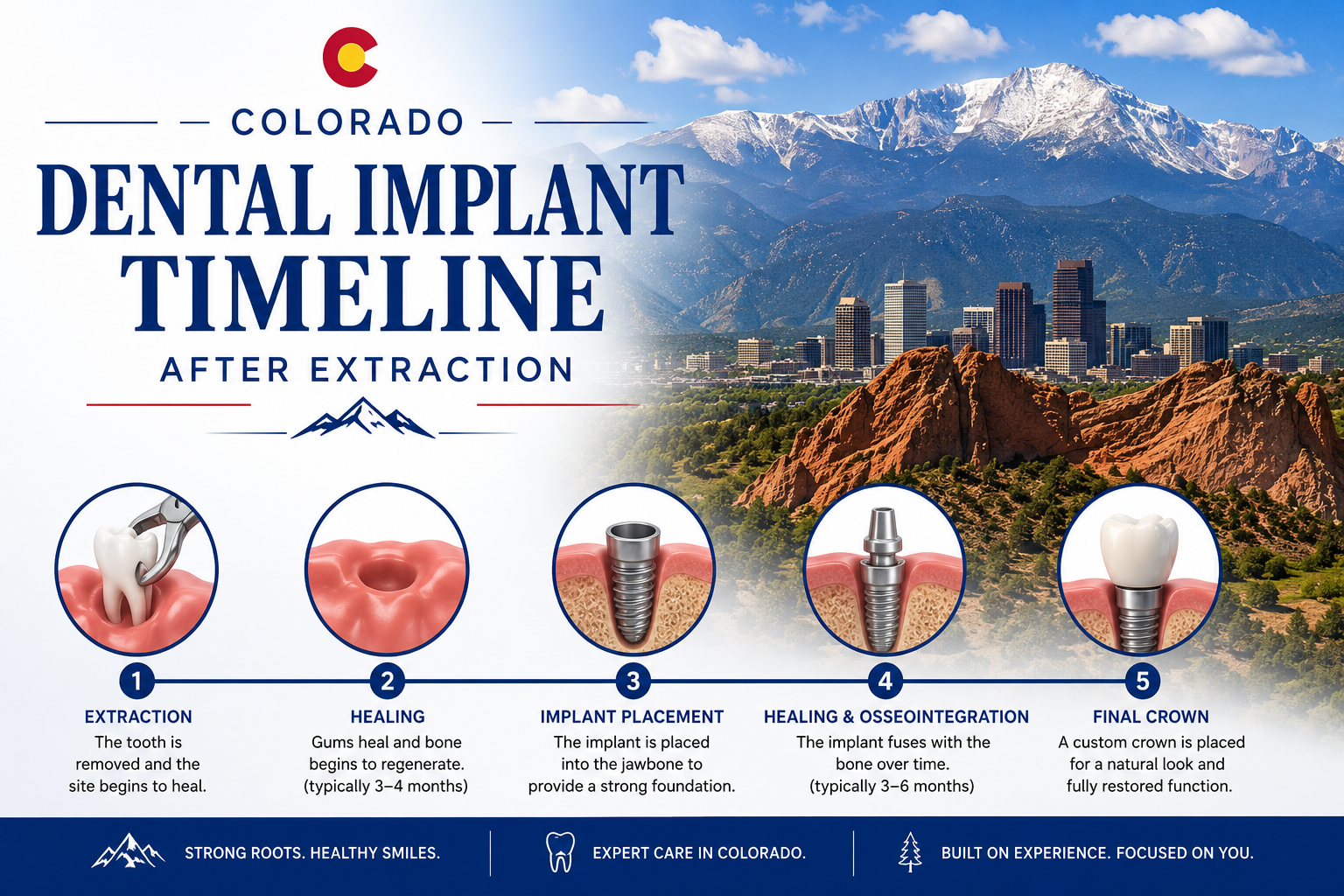
The implant is typically placed:
- 3 to 6 months after extraction
This allows the bone and gums to heal more completely.
Advantages
- Highly predictable healing
- Reduced surgical complexity
- Better for patients with infection history
Disadvantages
- Longer overall treatment time
- Increased risk of bone shrinkage while waiting
Late Implant Placement
Implant Placement After Long-Term Tooth Loss
Some patients wait years before replacing missing teeth.
Although implants are still possible, longer delays may create complications.
Potential Challenges
- Significant bone loss
- Teeth shifting into empty spaces
- Bite alignment changes
- Greater need for bone grafting
Even with advanced bone loss, many Colorado implant specialists can still restore missing teeth successfully using modern techniques.
Healing After Tooth Extraction
Understanding healing helps patients know when implants may become possible.
First 24 Hours
A protective blood clot forms inside the extraction socket.
This clot is essential for proper healing.
First Week
Soft tissue begins repairing itself.
Mild swelling and soreness are normal.
Weeks 2–6
The gums continue closing while early bone formation begins underneath.
Months 3–6
Bone remodeling becomes more advanced.
This stage is often ideal for delayed implant placement.
What Is Osseointegration?
Osseointegration is the process where the implant fuses with the jawbone.
This is what gives dental implants their long-term stability.
Healing time varies depending on:
- Bone quality
- Implant location
- Overall health
- Smoking habits
- Oral hygiene
Most implants integrate successfully within:
- 3 to 6 months
Factors That Affect Implant Timing
Every patient heals differently.
Experienced implant dentists evaluate several important factors.
Bone Density and Quality
Strong jawbone support is critical for implant success.
Colorado residents living at higher elevations may experience increased dry mouth due to lower humidity and dehydration, which can indirectly affect oral health and gum condition.
Infection Presence
Serious infections may require healing before implant placement.
Examples include:
- Dental abscesses
- Severe periodontal disease
- Bone infections
Infection control is essential for successful osseointegration.
Gum Health
Healthy gums provide a strong foundation for implants.
Patients with gum disease may require periodontal treatment first.
Smoking and Vaping
Smoking significantly increases implant failure risk because it:
- Reduces blood flow
- Delays healing
- Increases infection risk
Colorado dentists strongly encourage smoking cessation before implant surgery.
Medical Conditions
Certain conditions may affect healing, including:
- Diabetes
- Autoimmune disorders
- Osteoporosis
- Immune suppression
Proper medical management improves implant success rates.
Bone Grafting After Extraction
Bone grafting is common in implant dentistry.
Why Bone Grafts Are Needed
Bone Loss Prevention
The jawbone shrinks quickly after tooth extraction.
A graft helps preserve bone volume.
Infection Damage
Infections can destroy surrounding bone tissue.
Thin Bone Structure
Some patients naturally have insufficient bone for implants.
Types of Bone Graft Materials
Dentists may use:
- Synthetic grafts
- Donor bone
- Animal-derived grafts
- Your own bone tissue
Healing Time After Bone Grafting
Healing may require:
- 3 to 6 months
before implants can safely be placed.
Some patients receive grafts and implants simultaneously.
Immediate vs Delayed Implants Comparison
| Feature | Immediate Implant | Delayed Implant |
|---|---|---|
| Timing | Same day | Several months later |
| Number of Surgeries | Fewer | More |
| Bone Preservation | Excellent | Moderate |
| Infection Suitability | Limited | Better |
| Complexity | Higher | Lower |
| Overall Treatment Time | Shorter | Longer |
Both approaches can be highly successful when carefully planned.
Colorado Climate and Implant Recovery
Colorado’s environment creates unique recovery considerations.
High Altitude and Hydration
The dry climate and high elevation can contribute to dehydration and dry mouth.
Patients recovering from implant surgery should:
- Drink plenty of water
- Avoid excessive alcohol
- Use moisturizing mouth rinses if recommended
Outdoor Lifestyle Recovery Advice
Many Colorado residents enjoy hiking, skiing, cycling, and outdoor sports.
After implant surgery, patients should temporarily avoid:
- Heavy exercise
- High-intensity workouts
- Activities increasing blood pressure
during early healing.
What Happens If You Wait Too Long?
Delaying implant treatment may create additional complications.
Bone Shrinkage
Jawbone loss begins quickly after extraction.
Significant changes may occur within the first year.
Teeth Shifting
Nearby teeth may move into the empty space.
This can affect:
- Bite alignment
- Appearance
- Chewing function
Increased Treatment Complexity
Long delays may increase the need for:
- Bone grafting
- Orthodontic treatment
- Sinus lift surgery
Signs You May Be Ready for an Implant
You may be a strong candidate if:
- Gums are healthy
- Infection is controlled
- Bone density is sufficient
- You maintain good oral hygiene
- Medical conditions are stable
- You do not smoke heavily
A full dental examination and 3D CBCT scan help determine readiness.
The Dental Implant Procedure Step by Step
Step 1: Consultation and Imaging
The dentist evaluates:
- Teeth
- Jawbone
- Gums
- Medical history
Digital imaging is often used for precise planning.
Step 2: Tooth Extraction
The damaged tooth is removed carefully.
Some patients receive immediate implants during this visit.
Step 3: Bone Grafting or Healing
If needed, grafting or healing time is recommended.
Step 4: Implant Placement
The titanium implant is surgically inserted into the jawbone.
Local anaesthesia keeps the procedure comfortable.
Step 5: Osseointegration Healing
The implant fuses with the bone over several months.
Step 6: Crown Placement
A custom dental crown completes the restoration.
Recovery Tips After Implant Surgery
Proper aftercare improves long-term success.
First 48 Hours
Rest Properly
Avoid strenuous activity.
Eat Soft Foods
Good choices include:
- Yogurt
- Eggs
- Smoothies
- Mashed potatoes
- Soup
Avoid Smoking
Smoking dramatically slows healing.
Long-Term Implant Maintenance
Brush and Floss Daily
Excellent hygiene prevents complications.
Attend Regular Checkups
Routine monitoring helps protect implants long-term.
Wear Night Guards if Needed
Teeth grinding may damage implants over time.
Success Rates of Dental Implants
Dental implants are among the most successful procedures in dentistry.
Long-term studies often show:
- 90–98% success rates
when proper care is maintained.
Success depends heavily on:
- Oral hygiene
- Bone health
- Dentist experience
- Smoking habits
- Overall health
Common Implant Complications
Complications are uncommon but possible.
Infection
Poor hygiene may cause peri-implant infection.
Implant Failure
Lack of osseointegration can lead to loosening.
Nerve Irritation
Rarely, nearby nerves may become irritated.
Sinus Complications
Upper implants sometimes require sinus lift procedures.
Cost of Dental Implants in Colorado
Costs vary depending on treatment complexity.
| Procedure | Estimated Cost |
|---|---|
| Single Implant | $3,000–$6,500 |
| Bone Graft | $500–$3,500 |
| Sinus Lift | $1,500–$5,000 |
| Full Mouth Implants | $15,000–$45,000 |
Pricing varies by location, materials, and surgical complexity.
Insurance coverage may partially assist in some cases.
FAQs About Dental Implants After Extraction
Can I get a dental implant immediately after extraction?
Yes. Some patients qualify for same-day implant placement if bone and gum conditions are favorable.
Is implant surgery painful?
Most patients describe mild to moderate discomfort rather than severe pain. Local anaesthesia keeps the procedure manageable.
How long does the entire process take?
Treatment may take anywhere from:
- 3 to 12 months
depending on healing and grafting needs.
Can older adults get dental implants?
Yes. Healthy older adults often achieve excellent implant results.
Do all patients need bone grafts?
No. Some patients already have enough healthy bone for implant placement.
What foods should I avoid after surgery?
Avoid:
- Hard foods
- Crunchy snacks
- Sticky foods
- Spicy foods
- Alcohol
during the early healing phase.
Can implants last a lifetime?
Many implants last decades with excellent care and maintenance.
Final Thoughts
The best timing for a dental implant after tooth extraction depends on your individual oral health, bone quality, healing ability, and treatment goals. Some Colorado patients can receive implants immediately after extraction, while others benefit from delayed placement to allow proper healing and bone stabilization.
Modern implant dentistry offers highly advanced solutions for restoring missing teeth with excellent long-term success rates. Whether you need immediate placement, bone grafting, or delayed implant treatment, proper planning and experienced dental care are the keys to achieving strong, healthy, and natural-looking results.
If you recently had a tooth extracted or expect to need one removed soon, seeking implant evaluation early can help preserve bone, reduce complications, and improve long-term treatment success.
Can tooth extraction cause infection? Mild inflammation is normal, but increasing swelling, fever, or severe pain may indicate infection. Learn more about post-extraction infection warning signs in this detailed guide.
Book a consultation with our Cebu dental specialists for proper evaluation and care.
Ready to get expert guidance?
If you’re experiencing severe pain or delayed healing, book a consultation with our Cebu dental specialists to get proper evaluation and care.
Consultation or contact page .
Book a Consultation
For severe discomfort or delayed healing, book a consultation with our Cebu dental specialists today.
Looking for a dentist? Browse our Cebu dental directory to find trusted clinics near you.
Medical Review and Clinical Basis
This article is based on clinical dental guidelines and real patient recovery patterns observed after tooth extraction procedures. The information reflects common post-extraction healing stages, including normal clot formation, gum tissue repair, and signs of possible complications such as dry socket or infection.
While mild discomfort is expected after a dental extraction, worsening pain after Day 3, bad odor, exposed bone, or spreading pain may require professional evaluation. These symptoms are consistent with known post-extraction complications described in standard dental practice.
About Cebu Dental Implants
Cebu Dental Implants provides comprehensive tooth extraction, surgical procedures, and dental implant services in the Philippines. Our team evaluates post-extraction healing, manages complications such as dry socket, and advises patients on proper aftercare to prevent infection and delayed healing.
If you experience severe pain or unusual symptoms after extraction, early professional assessment is recommended to prevent further complications.
Important Medical Disclaimer
This content is for educational purposes only and does not replace professional dental diagnosis. Every patient heals differently. If symptoms worsen or do not improve within a few days, consult a licensed dentist for proper evaluation and treatment.
Author
This article was prepared by the Cebu Dental Implants content team in consultation with licensed dental professionals experienced in tooth extraction and implant procedures.
Related Clinical Cases
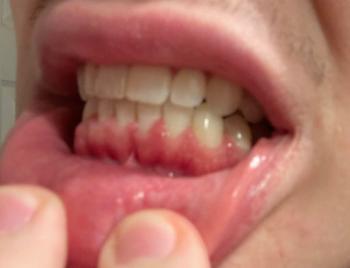
Patients with lower front gum inflammation may also experience tartar buildup, periodontal disease, gum abscesses, or tooth decay. Explore these related clinical case studies.