Transforming Smiles, Restoring Confidence.

Root Canal Treatment in Virginia, USA: How Maria M Saved Her Smile and Prevented the Loss of Multiple Teeth
Language :

For many Americans, hearing the words "root canal treatment" creates anxiety and fear due to high cost of dental. Stories from decades ago have caused many people to associate root canals with pain and discomfort. However, modern dentistry has completely transformed this procedure into a safe, comfortable, and highly successful treatment that saves millions of teeth every year.
In Virginia, USA, thousands of patients undergo root canal therapy annually to preserve their natural teeth and avoid costly extractions, implants, and extensive restorative procedures. One such patient was Maria Smith, a 42-year-old professional from Virginia whose timely decision to seek treatment saved not only one tooth but potentially several others.
Her story demonstrates why early diagnosis and expert treatment can make the difference between preserving a healthy smile and experiencing widespread dental complications.
As dental professionals, we often tell patients that a root canal is not something to fear. In reality, it is one of the most valuable procedures available in modern dentistry because it allows us to eliminate infection while preserving the natural tooth structure.
Maria's experience serves as a powerful example of how prompt action and professional care can prevent a minor dental issue from becoming a major oral health crisis.
Maria Smith's Dental Emergency
Maria Smith had always considered herself relatively healthy. She brushed twice daily and visited her dentist occasionally. Like many busy professionals, however, she sometimes postponed routine dental appointments because of work commitments and family responsibilities.
Several months before her emergency visit, Maria noticed occasional sensitivity in one of her upper molars. The discomfort was mild and occurred primarily when consuming cold beverages.
Initially, she ignored the symptoms.
Over time, the sensitivity progressed into intermittent pain.
The pain eventually became more intense and began occurring without any obvious trigger.
One evening, Maria experienced severe throbbing pain that radiated through her jaw and toward her ear.
Unable to sleep, she took over-the-counter pain medication, hoping the discomfort would subside.
Unfortunately, the pain continued worsening.
The following morning, she noticed swelling around the affected tooth.
Concerned about the increasing discomfort, Maria scheduled an emergency appointment with a Virginia dental specialist.
What she learned during that appointment changed everything.
The Diagnosis
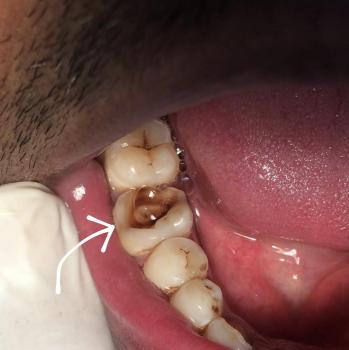
Upon examination, the dental team discovered extensive decay beneath an old filling.
Dental X-rays revealed that bacteria had penetrated deep into the pulp chamber of the tooth.
The pulp contains:
- Blood vessels
- Nerves
- Connective tissues
When bacteria enter this area, inflammation and infection develop. This massively scale and will damage other teeth.
In Maria's case, the infection had reached the tooth's root canal system.
The diagnosis was clear:
Irreversible pulpitis accompanied by a developing abscess.
Without treatment, extraction would likely become necessary.
Even more concerning, the infection had begun affecting surrounding tissues.
The dentist explained that delaying treatment could allow bacteria to spread further into adjacent structures, potentially damaging neighboring teeth and supporting bone.
Maria suddenly realized the seriousness of her situation.
Understanding Root Canal Treatment
Root canal therapy is a procedure designed to remove infected or damaged pulp tissue from within a tooth.
Contrary to common misconceptions, a root canal does not cause pain.
Rather, it eliminates the source of pain.
The primary objectives include:
- Removing infection
- Preserving the natural tooth
- Preventing bacterial spread
- Restoring normal function
- Protecting surrounding oral structures
Modern technology has dramatically improved treatment outcomes.
Advanced imaging systems, rotary instrumentation, digital radiography, and improved anesthetic techniques have made root canal therapy more comfortable and predictable than ever before.
Success rates frequently exceed 95% when performed by experienced dental professionals.
Why Saving Natural Teeth Matters
One of the most important principles in dentistry is preserving natural teeth whenever possible.
A natural tooth offers advantages that artificial replacements cannot fully replicate.
Benefits include:
Superior Function
Natural teeth provide optimal chewing efficiency and bite force distribution.
Bone Preservation
Retaining natural roots helps maintain healthy jawbone density.
Proper Alignment
Natural teeth prevent neighboring teeth from shifting.
Improved Comfort
Patients often report greater comfort with preserved natural teeth compared to replacements.
Long-Term Cost Savings
Saving a tooth frequently costs less than replacing an extracted tooth with an implant or bridge.
Maria's dentist emphasized that saving her infected molar would provide significant long-term benefits.
What Happens If Root Canal Treatment Is Delayed?
Many patients underestimate how quickly dental infections can progress.
Without treatment, infected pulp tissue continues deteriorating.
Potential consequences include:
Abscess Formation
Pockets of infection may develop near tooth roots.
Bone Destruction
Infection can gradually destroy supporting bone.
Tooth Loss
The affected tooth may become unsalvageable.
Spread of Infection
Bacteria can migrate into neighboring tissues.
Additional Tooth Damage
Adjacent teeth may become vulnerable to infection.
Extensive Restorative Needs
Patients often require multiple procedures when treatment is delayed.
In Maria's case, her dentist explained that postponing treatment for several more months could have resulted in the loss of multiple teeth rather than just one.
The Root Canal Procedure
Maria agreed to begin treatment immediately.
The procedure was performed under local anesthesia.
Modern anesthetics ensured complete comfort throughout the process.
Step 1: Accessing the Tooth
A small opening was created in the crown of the tooth.
This allowed access to the infected pulp chamber.
Step 2: Removing Infection
Specialized instruments carefully removed infected tissue.
Every canal within the root system was thoroughly cleaned.
Step 3: Disinfection
Antibacterial solutions eliminated remaining microorganisms.
Step 4: Shaping the Canals
The canals were shaped to prepare for sealing.
Step 5: Filling the Canals
A biocompatible material called gutta-percha was used to seal the root canals.
Step 6: Final Restoration
A protective dental crown was later placed over the treated tooth.
This restored strength, appearance, and function.
The procedure was completed successfully.
Maria reported immediate relief from the intense pain she had experienced for weeks.
Modern Technology Improves Outcomes
Virginia dental practices increasingly utilize advanced technology to improve treatment precision.
Today's root canal procedures often incorporate:
Digital Radiography
Provides highly detailed images while reducing radiation exposure.
Cone Beam CT Scans
Offers three-dimensional visualization of root anatomy.
Rotary Endodontic Systems
Enhances efficiency and accuracy.
Dental Operating Microscopes
Improves visibility of complex canal structures.
Electronic Apex Locators
Assist in determining precise canal lengths.
These innovations significantly improve treatment outcomes and patient comfort.
Recovery After Treatment
Maria's recovery was smooth and uneventful.
Some mild tenderness occurred for a few days.
This is common and generally manageable with over-the-counter medications.
Her dentist provided several recommendations:
- Avoid chewing on the treated tooth initially
- Maintain excellent oral hygiene
- Attend follow-up appointments
- Receive the permanent crown promptly
- Report any unusual symptoms immediately
Within a week, Maria returned to normal activities without discomfort.
How the Crown Protected Maria's Tooth
Many root canal-treated teeth require crowns for long-term protection.
Following root canal therapy, a tooth may become more susceptible to fracture.
A crown serves several important purposes:
Strength
Protects weakened tooth structure.
Durability
Allows normal chewing function.
Aesthetics
Restores natural appearance.
Longevity
Improves long-term success rates.
Maria's custom crown blended seamlessly with her natural smile.
Most people could not distinguish it from her surrounding teeth.
Preventing Future Root Canal Problems
While root canals successfully save infected teeth, prevention remains the best strategy.
Patients can reduce their risk by:
Regular Dental Examinations
Routine visits allow early detection of problems.
Professional Cleanings
Help remove plaque and tartar buildup.
Daily Brushing
Use fluoride toothpaste twice daily.
Daily Flossing
Removes bacteria between teeth.
Healthy Nutrition
Limit sugary foods and beverages.
Prompt Treatment
Address cavities before they reach the pulp.
Maria committed herself to a more proactive oral health routine following her experience.
The Financial Benefits of Saving Teeth
Many patients focus solely on the immediate cost of treatment.
However, preserving a tooth frequently proves more economical long term.
Consider the alternatives to root canal therapy:
Extraction
Removes the infected tooth but creates a gap.
Dental Bridge
Requires modification of adjacent teeth.
Dental Implant
Often involves surgical placement and higher costs.
Dentures
May be less comfortable and less stable.
By choosing root canal therapy, Maria preserved her natural tooth while avoiding significantly more expensive restorative procedures.
Common Myths About Root Canals
Several misconceptions continue discouraging patients from seeking treatment.
Myth 1: Root Canals Are Painful
Modern procedures are typically no more uncomfortable than a filling.
Myth 2: Extraction Is Better
Preserving natural teeth is usually preferable whenever possible.
Myth 3: Root Canals Cause Illness
Scientific research has repeatedly disproven this claim.
Myth 4: Treatment Requires Multiple Painful Visits
Many cases can be completed efficiently with minimal discomfort.
Maria admitted she had believed some of these myths before her experience.
After treatment, she was surprised by how comfortable the procedure actually was.
The Importance of Early Diagnosis
One of the greatest lessons from Maria's story is the value of early intervention.
Symptoms that should never be ignored include:
- Persistent toothache
- Sensitivity to hot or cold
- Swelling
- Gum tenderness
- Tooth discoloration
- Pain when chewing
Seeking care at the first sign of trouble dramatically improves outcomes.
The earlier infection is detected, the greater the likelihood of saving the tooth.
Life After Treatment
Six months after her procedure, Maria returned for a follow-up evaluation.
Her tooth remained healthy and functional.
Radiographs showed excellent healing around the root.
The infection had completely resolved.
Most importantly, neighboring teeth remained unaffected.
Had she delayed treatment, the outcome could have been very different.
Instead of requiring multiple restorations or extractions, Maria retained her natural smile and avoided extensive dental complications.
Today, she enjoys normal eating, speaking, and smiling with complete confidence.
Why Virginia Residents Should Not Delay Treatment
Across Virginia, dental professionals continue educating patients about the importance of timely care.
Root canal therapy remains one of the most effective procedures for preserving natural teeth.
When symptoms appear, prompt evaluation can:
- Stop infection progression
- Relieve pain
- Save natural teeth
- Protect surrounding structures
- Reduce long-term costs
- Preserve oral function
The key is seeking professional treatment before irreversible damage occurs.
Conclusion
Maria Smith's experience demonstrates the remarkable power of modern root canal treatment. What began as a seemingly minor toothache evolved into a serious infection that threatened not only one tooth but potentially several others.
Fortunately, timely diagnosis and expert treatment in Virginia allowed dental professionals to eliminate infection, preserve her natural tooth, and prevent further damage.
Her story highlights an important truth in modern dentistry: root canal therapy is not something to fear. Instead, it is a highly effective tooth-saving procedure that protects oral health, preserves function, and prevents far more serious complications.
For Virginia residents experiencing persistent tooth pain, swelling, sensitivity, or signs of infection, early evaluation can make all the difference. Seeking professional dental care promptly may save a tooth, protect neighboring teeth, and preserve a healthy smile for many years to come.
In Maria's case, one successful root canal treatment prevented what could have become a devastating chain reaction of dental damage. Thanks to modern dentistry and expert care, her smile was rescued, her oral health was restored, and her future dental outlook remains bright.
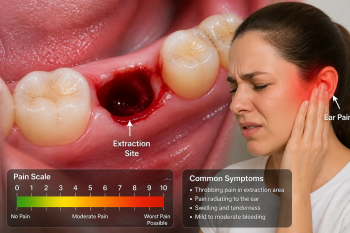
Can tooth extraction cause infection? Mild inflammation is normal, but increasing swelling, fever, or severe pain may indicate infection. Learn more about post-extraction infection warning signs in this detailed guide.
Book a consultation with our Cebu dental specialists for proper evaluation and care.
Ready to get expert guidance?
If you’re experiencing severe pain or delayed healing, book a consultation with our Cebu dental specialists to get proper evaluation and care.
Consultation or contact page .
Book a Consultation
For severe discomfort or delayed healing, book a consultation with our Cebu dental specialists today.
Looking for a dentist? Browse our Cebu dental directory to find trusted clinics near you.
Medical Review and Clinical Basis
This article is based on clinical dental guidelines and real patient recovery patterns observed after tooth extraction procedures. The information reflects common post-extraction healing stages, including normal clot formation, gum tissue repair, and signs of possible complications such as dry socket or infection.
While mild discomfort is expected after a dental extraction, worsening pain after Day 3, bad odor, exposed bone, or spreading pain may require professional evaluation. These symptoms are consistent with known post-extraction complications described in standard dental practice.
About Cebu Dental Implants
Cebu Dental Implants provides comprehensive tooth extraction, surgical procedures, and dental implant services in the Philippines. Our team evaluates post-extraction healing, manages complications such as dry socket, and advises patients on proper aftercare to prevent infection and delayed healing.
If you experience severe pain or unusual symptoms after extraction, early professional assessment is recommended to prevent further complications.
Important Medical Disclaimer
This content is for educational purposes only and does not replace professional dental diagnosis. Every patient heals differently. If symptoms worsen or do not improve within a few days, consult a licensed dentist for proper evaluation and treatment.
Author
This article was prepared by the Cebu Dental Implants content team in consultation with licensed dental professionals experienced in tooth extraction and implant procedures.
Related Clinical Cases
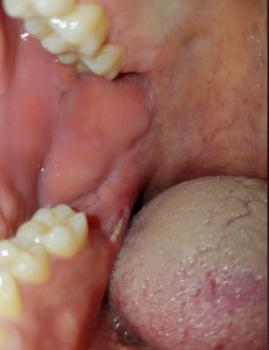
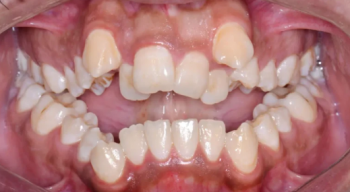
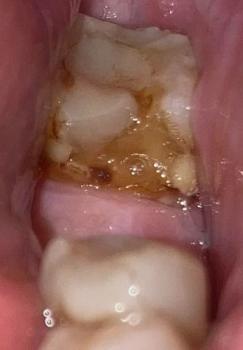
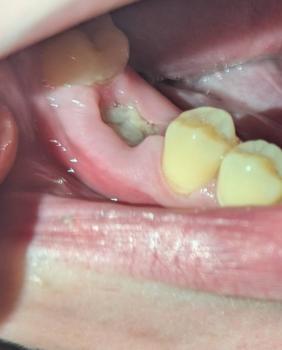
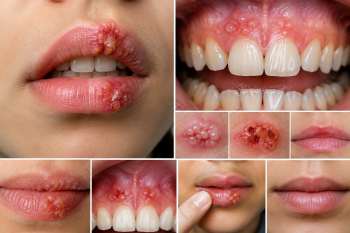
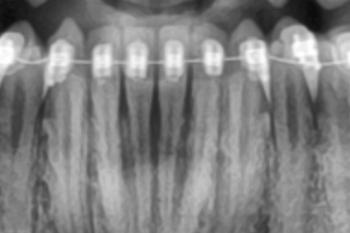
Patients with lower front gum inflammation may also experience tartar buildup, periodontal disease, gum abscesses, or tooth decay. Explore these related clinical case studies.
Other topics:
Other Dental Clinic
 |
 |
 |
 |