Modern Dentistry, Timeless Smiles.

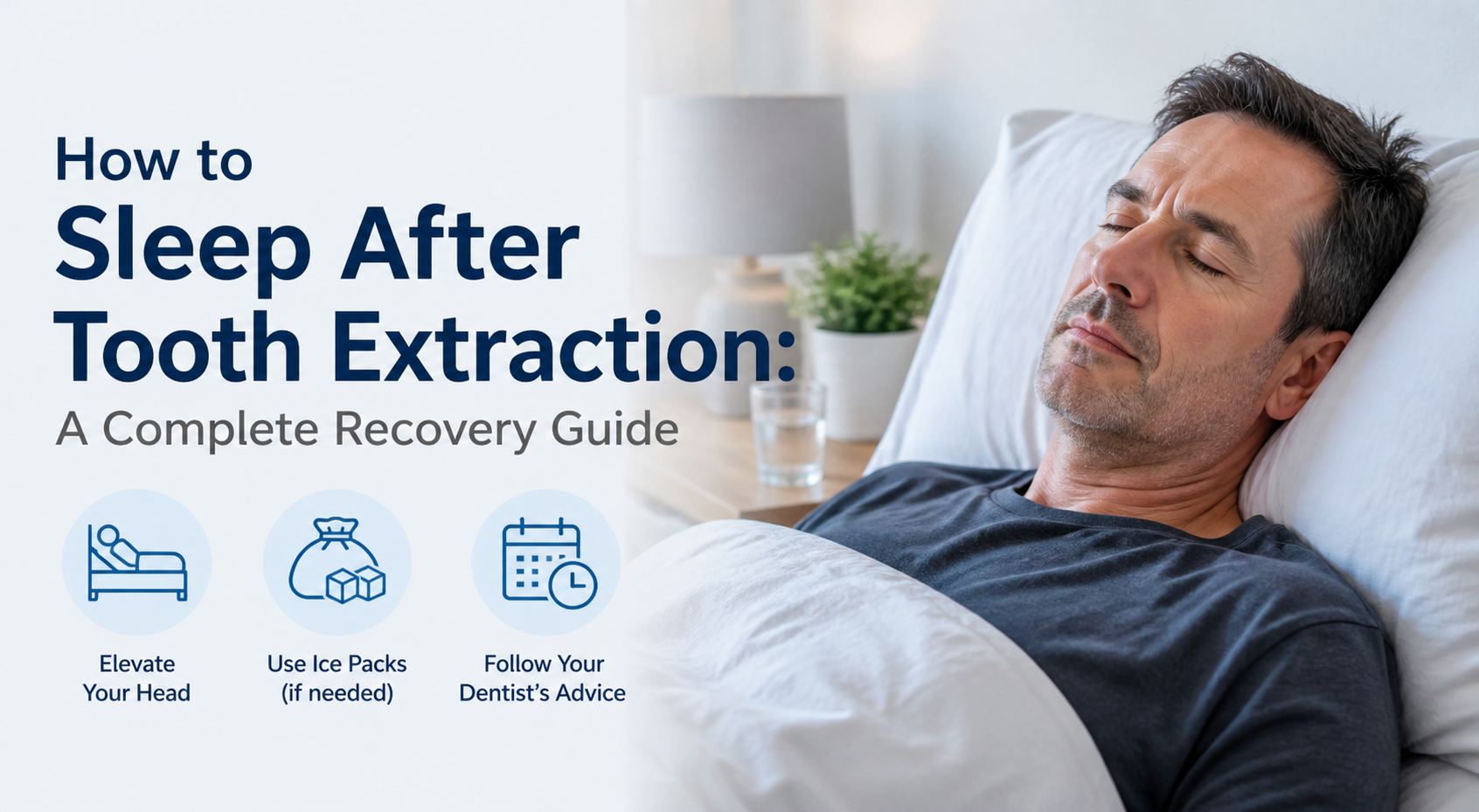
How to Sleep After Tooth Extraction: A Complete Recovery Guide
Language :
Topics:
A clinical guide from a U.S. dental implant & bone graft specialist practicing in Florida
Introduction: Why Sleep Matters More Than You Think
In my Florida practice, patients often focus on the procedure itself—how long it takes, whether it hurts, and when they can eat again.
But one of the most overlooked parts of recovery is sleep.
“Doctor, why did my pain get worse overnight?”
Because how you sleep after a tooth extraction can directly affect:
- Bleeding
- Swelling
- Pain levels
- Risk of complications
From a clinical standpoint, your first few nights after extraction are critical. This guide will walk you through exactly how to sleep safely, comfortably, and in a way that promotes faster healing.
What Happens When You Sleep After an Extraction?
After your tooth is removed, your body forms a protective blood clot in the socket.
This clot:
- Stops bleeding
- Protects bone and nerves
- Supports healing
If disrupted, it can lead to Dry Socket, a painful complication that often worsens at night.
Sleeping incorrectly can:
- Increase blood pressure in the head
- Dislodge the clot
- Cause renewed bleeding
Best Sleeping Position After Tooth Extraction
1. Sleep With Your Head Elevated
This is the most important rule.
How to do it:
- Use 2–3 pillows
- Keep your head above heart level
Why It Works
- Reduces blood flow to the area
- Minimizes swelling
- Prevents bleeding
2. Sleep on Your Back
Sleeping on your back is safest.
Benefits:
- Avoids pressure on extraction site
- Reduces risk of clot disturbance
3. Avoid Sleeping on the Extraction Side
Pressure can:
- Trigger bleeding
- Cause pain
- Delay healing
What to Expect the First Night
The first night is often the most uncomfortable.
Common Experiences
- Mild oozing or bleeding
- Throbbing sensation
- Sensitivity
This is normal—but manageable with proper positioning and care.
How to Prevent Bleeding While Sleeping
Before Bed
- Bite gently on gauze for 30–60 minutes
- Avoid eating right before sleeping
- Stay upright for a while before lying down
During Sleep
- Keep head elevated
- Avoid sudden movements
If Bleeding Happens
- Stay calm
- Replace gauze
- Sit upright
Managing Pain at Night
Pain tends to feel worse at night due to:
- Reduced distractions
- Increased blood flow when lying down
Tips to Reduce Pain
- Take prescribed medication before sleep
- Use cold compress before bedtime
- Avoid sleeping flat
Cold Compress: When and How to Use
First 24–48 Hours
- Apply ice pack 15 minutes on / 15 minutes off
Benefits
- Reduces swelling
- Minimizes pain
- Helps you sleep better
What NOT to Do Before Sleeping
Avoid these common mistakes:
- Smoking
- Drinking alcohol
- Using a straw
- Eating hard foods
- Skipping medication
These can increase complications overnight.
Sleep Routine for Faster Healing
Ideal Night Routine
- Eat soft food 2–3 hours before bed
- Take medication as prescribed
- Brush gently (avoid socket)
- Rinse lightly (after 24 hours)
- Elevate head before sleeping
Consistency improves recovery.
How Long Should You Follow These Sleep Rules?
First 24–72 Hours
Strict positioning and care required.
Days 4–7
- Gradual improvement
- Can reduce elevation slightly
After 1 Week
- Most patients return to normal sleep patterns
Special Considerations for Bone Graft Patients
In my Florida practice, many extractions include bone grafting.
Additional Care
- Avoid pressure on site
- Maintain elevation longer
- Follow extended healing instructions
Bone graft stability depends heavily on early healing.
Traveling or Hotel Stay After Extraction
If you're not at home:
- Bring extra pillows
- Use rolled towels for support
- Sleep slightly upright if needed
Preparation makes a big difference.
Real Case Insight (Florida Practice)
A patient slept flat the first night after extraction.
Result:
- Increased bleeding
- Pain spike
- Anxiety
After correcting sleep position:
- Symptoms improved immediately
- Healing stabilized
Another patient followed instructions carefully:
- Elevated head
- Took medication
- Avoided pressure
Result:
- Minimal pain
- No complications
- Smooth recovery
Common Sleep Problems After Extraction
1. Waking Up With Blood
Normal if minor. Use gauze and elevate head.
2. Difficulty Sleeping
Pain or anxiety can interfere.
Solution:
- Take medication
- Use cold compress
- Create a calm sleep environment
3. Throbbing Sensation
Usually due to blood flow increase.
Fix:
- Elevate head
- Avoid lying flat
Medical Perspective: Why Position Matters
From a clinical standpoint:
- Elevated position reduces vascular pressure
- Stable clot ensures proper healing
- Reduced swelling improves comfort
These factors directly impact recovery success.
Signs You Slept Incorrectly
- Increased bleeding
- Worsening pain
- Swelling spike
If these occur, adjust your sleep position immediately.
When to Call Your Dentist
Contact your dentist if you experience:
- Persistent bleeding
- Severe pain after day 3
- Swelling or fever
- Signs of dry socket
Early intervention prevents complications.
FAQ: Sleeping After Tooth Extraction
Can I sleep normally after extraction?
Not immediately. You should sleep with your head elevated for the first few days.
How many pillows should I use?
2–3 pillows to keep your head above heart level.
Can I sleep on my side?
Avoid the extraction side; back sleeping is best.
Is bleeding during sleep normal?
Slight oozing is normal, but heavy bleeding is not.
When can I sleep flat again?
Usually after 3–5 days.
Does sleep position affect healing?
Yes, it significantly impacts clot stability and swelling.
What if I wake up with pain?
Take prescribed medication and adjust your position.
Related Topics You Should Explore
1. Blood Clot After Tooth Extraction Explained
Learn why protecting the clot is critical.
2. Signs of Dry Socket vs Infection
Understand warning signs after extraction.
3. Tooth Extraction Healing Timeline
Know what to expect during recovery.
Final Thoughts from a Florida Expert
Sleeping after a tooth extraction isn’t just about comfort—it’s about protecting your healing process.
From my experience in Florida, patients who follow proper sleep positioning:
- Experience less pain
- Heal faster
- Avoid complications
If there’s one takeaway:
Elevate your head, protect the clot, and respect the first few nights.
Your recovery depends on it.
Can tooth extraction cause infection? Mild inflammation is normal, but increasing swelling, fever, or severe pain may indicate infection. Learn more about post-extraction infection warning signs in this detailed guide.
Book a consultation with our Cebu dental specialists for proper evaluation and care.
Ready to get expert guidance?
If you’re experiencing severe pain or delayed healing, book a consultation with our Cebu dental specialists to get proper evaluation and care.
Consultation or contact page .
Book a Consultation
For severe discomfort or delayed healing, book a consultation with our Cebu dental specialists today.
Looking for a dentist? Browse our Cebu dental directory to find trusted clinics near you.
Medical Review and Clinical Basis
This article is based on clinical dental guidelines and real patient recovery patterns observed after tooth extraction procedures. The information reflects common post-extraction healing stages, including normal clot formation, gum tissue repair, and signs of possible complications such as dry socket or infection.
While mild discomfort is expected after a dental extraction, worsening pain after Day 3, bad odor, exposed bone, or spreading pain may require professional evaluation. These symptoms are consistent with known post-extraction complications described in standard dental practice.
About Cebu Dental Implants
Cebu Dental Implants provides comprehensive tooth extraction, surgical procedures, and dental implant services in the Philippines. Our team evaluates post-extraction healing, manages complications such as dry socket, and advises patients on proper aftercare to prevent infection and delayed healing.
If you experience severe pain or unusual symptoms after extraction, early professional assessment is recommended to prevent further complications.
Important Medical Disclaimer
This content is for educational purposes only and does not replace professional dental diagnosis. Every patient heals differently. If symptoms worsen or do not improve within a few days, consult a licensed dentist for proper evaluation and treatment.
Author
This article was prepared by the Cebu Dental Implants content team in consultation with licensed dental professionals experienced in tooth extraction and implant procedures.
Related Clinical Cases
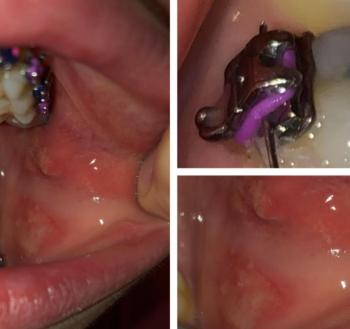
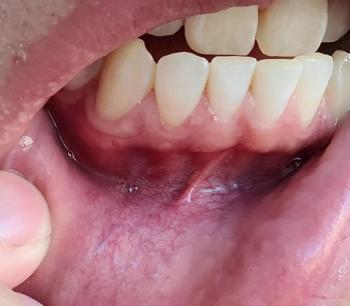
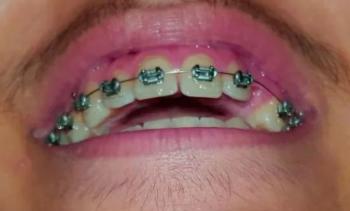
Patients with lower front gum inflammation may also experience tartar buildup, periodontal disease, gum abscesses, or tooth decay. Explore these related clinical case studies.

Other topics:
Other Dental Clinic