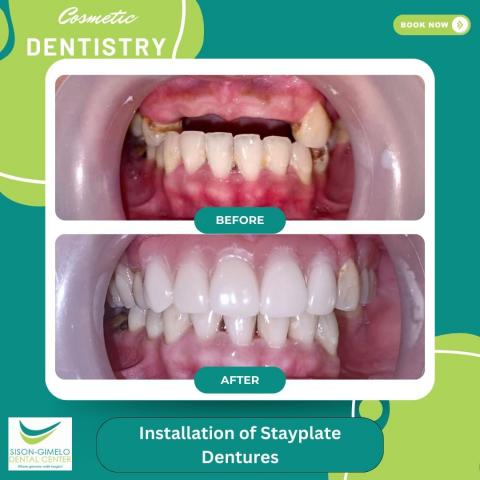
Dentures That Feel Natural, Look Beautiful.

Full Mouth Dental Implants in Texas: Cost, All-on-4 vs All-on-6, and Financing Options Explained
Language :
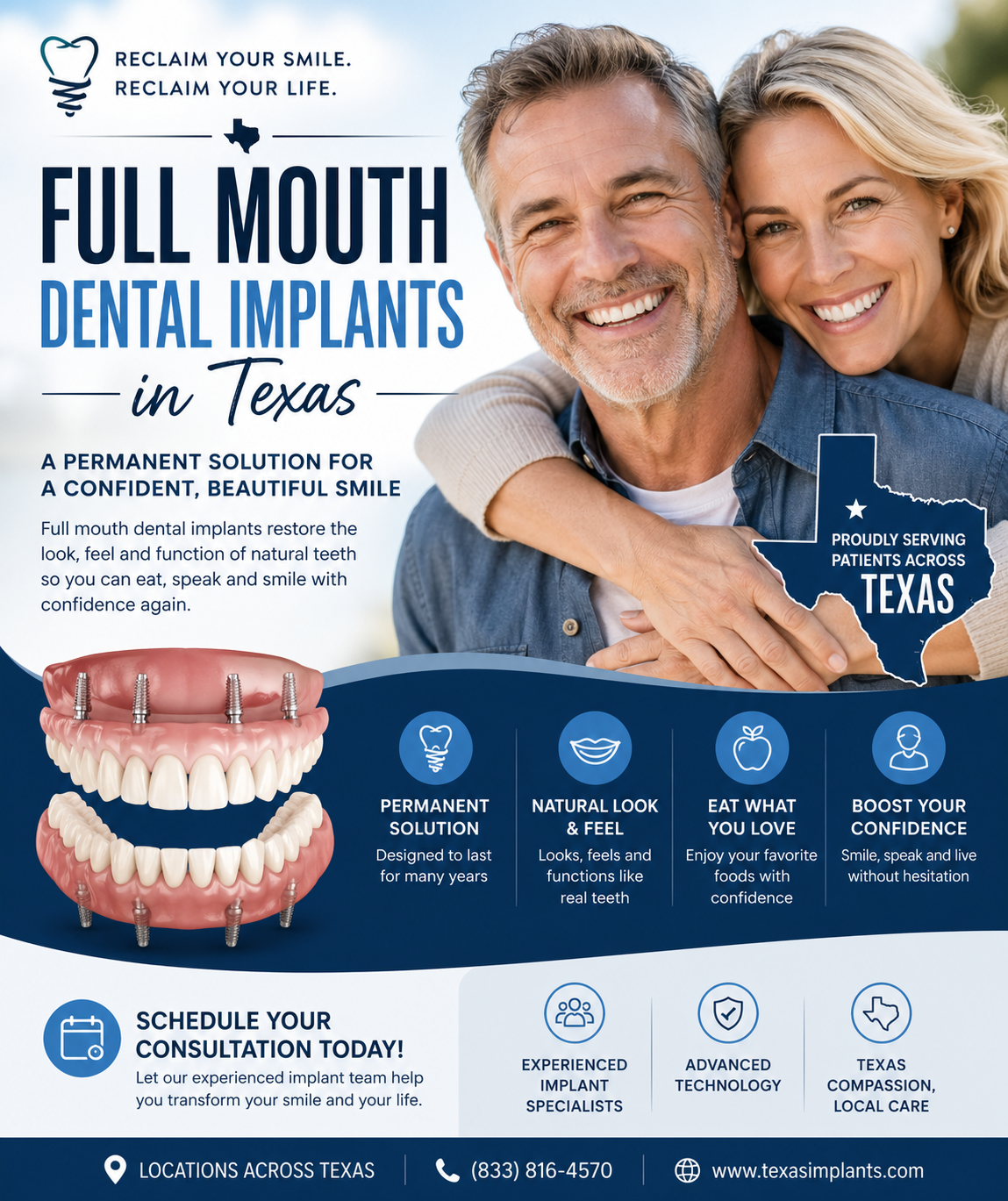
Full mouth dental implants are one of the most transformative procedures in modern dentistry. They restore not just teeth, but confidence, chewing ability, speech clarity, and long-term oral health. However, for patients in Texas—or anywhere in the U.S.—the first major question is always the same:
“How much will it really cost?”
Let’s break this down with clarity, clinical insight, and practical financial understanding.
Understanding the True Cost Range
In Texas, full mouth dental implants typically range from:
- $20,000 to $35,000 per arch
- $40,000 to $70,000 for full upper and lower restoration
However, these numbers are only the surface. The actual cost depends on multiple clinical and logistical factors.
What Affects the Cost?
1. Type of Implant System Used
There are several approaches to full arch restoration:
- Traditional individual implants (8–10 per arch)
- All-on-4 (4 implants per arch)
- All-on-6 (6 implants per arch)
More implants generally mean:
- Higher stability
- Higher cost
2. Materials for Final Teeth
Your final prosthetic teeth significantly influence pricing:
- Acrylic (more affordable, less durable)
- Zirconia (premium, long-lasting, highly aesthetic)
Expert insight:
Zirconia restorations can increase costs by $5,000–$15,000 per arch but often last significantly longer with fewer complications.
3. Bone Grafting and Preparatory Procedures
Many patients require additional procedures before implants:
- Bone grafting: $500–$3,000 per area
- Sinus lift: $2,000–$5,000
- Tooth extractions: $100–$500 per tooth
These are often overlooked in “advertised” pricing.
4. Technology and Clinic Expertise
Clinics that use advanced technology tend to charge more, but for good reason:
- 3D CBCT scanning
- Digital smile design
- Guided implant surgery
- In-house lab fabrication
Dental expert perspective:
Higher upfront cost often reduces complications, revision surgeries, and long-term maintenance expenses.
5. Location Within Texas
Costs vary depending on the city:
- Dallas / Houston / Austin → Higher pricing due to demand and overhead
- Smaller cities → Slightly more affordable
Hidden Costs Patients Should Know
Many patients are surprised by additional fees:
- Temporary dentures during healing
- Sedation or anesthesia fees
- Follow-up visits and maintenance
- Repairs or adjustments over time
Always ask for a full treatment plan breakdown.
Is It Worth the Investment?
From a clinical standpoint, yes.
Full mouth implants:
- Prevent bone loss
- Improve nutrition
- Enhance quality of life
- Last decades with proper care
Expert conclusion:
Compared to repeated denture replacements and oral health decline, implants are often more cost-effective long term.
All-on-4 vs All-on-6 Implants
Comparing Stability, Cost, and Long-Term Outcomes
When considering full mouth implants, patients often face a critical decision:
All-on-4 or All-on-6?
Let’s break this down in a way that’s clinically accurate and easy to understand.
What Is All-on-4?
- Uses 4 implants per arch
- Designed to support a full set of teeth
- Typically includes angled implants to maximize existing bone
Advantages:
- Lower cost
- Faster procedure
- Often avoids bone grafting
What Is All-on-6?
- Uses 6 implants per arch
- Provides greater distribution of force
- Offers increased long-term stability
Advantages:
- Stronger support
- Better for patients with higher bite force
- Reduced risk of implant failure over time
Stability Comparison
- All-on-4: Adequate for most patients
- All-on-6: Superior load distribution, especially for long-term durability
Expert note:
Patients who grind their teeth (bruxism) often benefit more from All-on-6.
Cost Comparison
- All-on-4: $20,000–$30,000 per arch
- All-on-6: $25,000–$35,000 per arch
The difference is typically $5,000–$10,000 per arch.
Longevity and Maintenance
Both systems can last decades, but:
- All-on-6 may have lower stress per implant
- Fewer complications over time
- Better long-term bone preservation
Healing and Recovery
Both procedures:
- Allow immediate temporary teeth (in many cases)
- Require 3–6 months for full healing
No major difference in recovery timeline.
Who Should Choose All-on-4?
- Patients with limited bone
- Those seeking a more affordable option
- Individuals who want to avoid bone grafting
Who Should Choose All-on-6?
- Younger patients seeking maximum longevity
- Patients with strong bite force
- Those prioritizing durability over cost
Expert Verdict
There is no one-size-fits-all answer.
All-on-4 is efficient.
All-on-6 is robust.
The best choice depends on:
- Bone quality
- Budget
- Lifestyle
- Long-term expectations
Dental Financing Options Explained
Making Full Mouth Implants Affordable
For most patients, the biggest barrier isn’t clinical—it’s financial.
The good news? There are multiple ways to make dental implants manageable.
1. In-House Payment Plans
Many dental clinics offer:
- Monthly installment plans
- Low or zero interest (short-term)
- Flexible down payments
Best for:
Patients who want direct arrangements without third-party lenders.
2. Third-Party Financing Companies
Popular options include medical financing providers offering:
- 6–60 month payment plans
- Interest-free promotional periods
- Extended repayment terms
Important tip:
Always check interest rates after promotional periods.
3. Dental Insurance (Limited Coverage)
Most insurance plans:
- Do not fully cover implants
- May cover portions like:
- Extractions
- X-rays
- Crowns
Expert insight:
Insurance rarely reduces total cost significantly but can help with initial procedures.
4. Health Savings Accounts (HSA) / Flexible Spending Accounts (FSA)
These are powerful tools:
- Use pre-tax income
- Reduce overall treatment cost by 20–30% (depending on tax bracket)
5. Personal Loans
Patients may choose:
- Bank loans
- Credit unions
- Online lenders
Pros:
- Fixed monthly payments
- Predictable budgeting
6. Credit Cards
Useful for:
- Short-term financing
- Taking advantage of 0% APR promotions
Risk:
High interest if not paid within promotional period.
7. Medical Tourism (Alternative Strategy)
Some patients consider treatment abroad (e.g., Philippines, Mexico, Turkey):
- Costs can be 50–70% lower
- Must factor in travel, follow-ups, and risk
Dental expert caution:
Continuity of care is critical. Complications can become costly if treatment is done overseas without local support.
8. Combining Financing Strategies
Many patients successfully combine:
- Insurance (partial coverage)
- HSA/FSA funds
- Financing plans
This reduces upfront burden significantly.
Realistic Monthly Payment Example
For a $50,000 full mouth implant case:
- 60-month plan → ~$900–$1,200/month (depending on interest)
- With partial coverage or down payment → lower monthly cost
Expert Advice on Financing
- Don’t choose based on price alone
Cheap implants often lead to expensive corrections. - Focus on long-term value
Quality work reduces future costs. - Ask for full cost transparency
Avoid surprises during treatment.
Final Thoughts from Dental Experts
Full mouth dental implants are not just a dental procedure—they are a life investment.
Patients often report:
- Improved confidence
- Better nutrition
- Enhanced social and professional life
But success depends on three key factors:
1. Proper Planning
A detailed consultation with 3D imaging and a customized treatment plan is essential.
2. Choosing the Right System
All-on-4 vs All-on-6 is not about trends—it’s about what fits your biology and goals.
3. Smart Financial Strategy
With the right financing approach, implants become accessible without overwhelming financial stress.
Closing Perspective
If you’re considering full mouth dental implants in Texas:
- Understand the true cost, not just advertised prices
- Compare treatment options carefully
- Use financing tools strategically
Expert conclusion:
The most expensive mistake is not investing in quality care the first time.
Can tooth extraction cause infection? Mild inflammation is normal, but increasing swelling, fever, or severe pain may indicate infection. Learn more about post-extraction infection warning signs in this detailed guide.
Book a consultation with our Cebu dental specialists for proper evaluation and care.
Ready to get expert guidance?
If you’re experiencing severe pain or delayed healing, book a consultation with our Cebu dental specialists to get proper evaluation and care.
Consultation or contact page .
Book a Consultation
For severe discomfort or delayed healing, book a consultation with our Cebu dental specialists today.
Looking for a dentist? Browse our Cebu dental directory to find trusted clinics near you.
Medical Review and Clinical Basis
This article is based on clinical dental guidelines and real patient recovery patterns observed after tooth extraction procedures. The information reflects common post-extraction healing stages, including normal clot formation, gum tissue repair, and signs of possible complications such as dry socket or infection.
While mild discomfort is expected after a dental extraction, worsening pain after Day 3, bad odor, exposed bone, or spreading pain may require professional evaluation. These symptoms are consistent with known post-extraction complications described in standard dental practice.
About Cebu Dental Implants
Cebu Dental Implants provides comprehensive tooth extraction, surgical procedures, and dental implant services in the Philippines. Our team evaluates post-extraction healing, manages complications such as dry socket, and advises patients on proper aftercare to prevent infection and delayed healing.
If you experience severe pain or unusual symptoms after extraction, early professional assessment is recommended to prevent further complications.
Important Medical Disclaimer
This content is for educational purposes only and does not replace professional dental diagnosis. Every patient heals differently. If symptoms worsen or do not improve within a few days, consult a licensed dentist for proper evaluation and treatment.
Author
This article was prepared by the Cebu Dental Implants content team in consultation with licensed dental professionals experienced in tooth extraction and implant procedures.
Related Clinical Cases
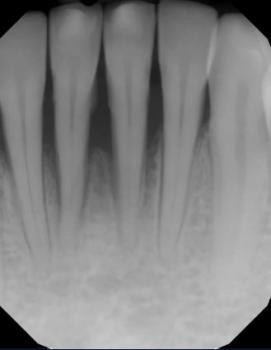
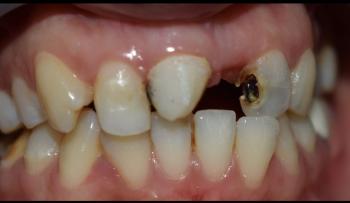
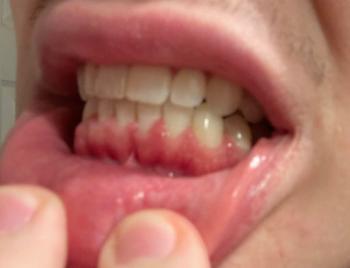
Patients with lower front gum inflammation may also experience tartar buildup, periodontal disease, gum abscesses, or tooth decay. Explore these related clinical case studies.