Your Smile, Perfected with Precision.

The End of Fillings? Japanese Scientists Discover Hidden Teeth Capable of Natural Regrowth
Language :
Topics:
A 2025 Breakthrough Could Let Your Body Grow New Teeth, Replacing Implants and Transforming Dentistry Forever
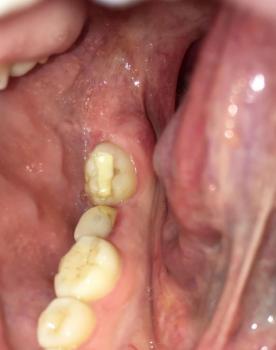
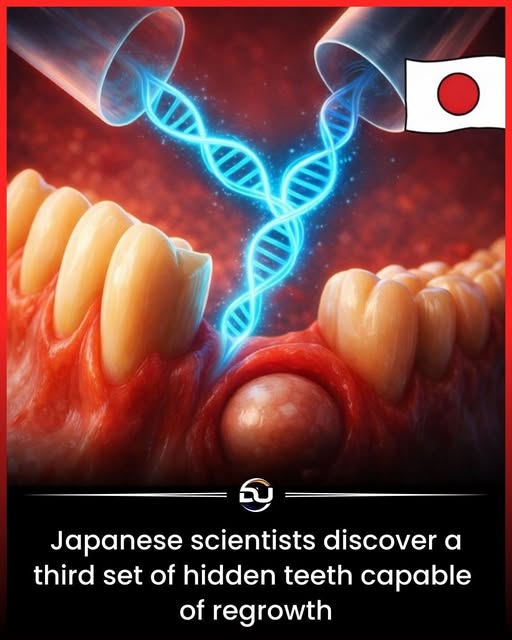
Prepare to rethink everything you know about your smile. In a stunning development that reads like science fiction, Japanese scientists have made a discovery in 2025 that fundamentally alters human biology: we may have a hidden third set of teeth capable of natural regrowth.
For all of human history, we have operated under a simple, fixed rule: you get two sets of teeth. Your baby teeth fall out, your permanent adult teeth come in, and that's it. Lose one due to decay, injury, or age, and the only solutions are artificial—drills, implants, or dentures. This new research shatters that paradigm, suggesting our bodies hold a dormant, regenerative blueprint we never knew existed.
The Discovery: Unlocking Our "Spare" Teeth
The groundbreaking research centers on the identification of specific cells and tissues within the human jaw that retain latent regenerative potential. Unlike other tissues in our body, adult teeth were believed to have no capacity for self-repair or replacement.
-
The "Hidden" Set: Scientists discovered that the foundational structures for a third dentition—a backup set of teeth—exist but are typically suppressed after childhood.
-
The Cellular Key: By understanding the unique genetic and cellular signals that control tooth development, researchers believe they can "reactivate" these dormant programs. The goal is to stimulate the growth of a fully formed, natural tooth—complete with living roots, dentin, and protective enamel—right in the jawbone.
The Future It Promises: Beyond Drills and Implants
If this science can be safely translated into a common therapy, the impact on global health and well-being would be nothing short of revolutionary.
-
The End of Permanent Tooth Loss: The most profound change would be the elimination of permanent tooth loss as a concept. A missing molar or incisor would no longer be a lifelong sentence to prosthetic replacements but a condition that could be biologically reversed.
-
A Biological Revolution in Dental Care: Common procedures would be transformed.
-
Cavities: Instead of drilling and filling with synthetic material, therapies could encourage the tooth to regenerate its own structure from the inside.
-
Root Canals: Severely infected teeth might be regrown rather than surgically cleaned and capped.
-
Implants and Bridges: The multi-thousand dollar, invasive process of placing titanium screws could become obsolete, replaced by the body's own natural—and perfectly integrated—solution.
-
-
A Leap in Overall Health: Artificial implants and dentures, while advanced, can never fully replicate a natural tooth's function. They can't stimulate the jawbone to prevent atrophy, and their interfaces can harbor bacteria. A regrown natural tooth would preserve jawbone density, maintain ideal bite alignment, and eliminate risks associated with foreign materials.
-
Global Accessibility: Perhaps the most significant promise lies in accessibility. The high cost of implants and advanced restorative care puts it out of reach for billions. A one-time, biologically-driven regrowth treatment, once developed, could be far more scalable and affordable, democratizing a healthy smile worldwide.
The Path from Discovery to Your Dentist's Chair
It is crucial to temper excitement with realism. This is a pioneering discovery, not an available treatment.
-
Current Status: The research, while peer-reviewed and robust, is in its early stages. Scientists have identified the potential and the mechanisms in laboratory and animal models. The monumental task of developing a safe, controllable, and effective way to trigger this process in humans lies ahead.
-
The Timeline: Experts in regenerative medicine suggest that even with accelerated effort, such a therapy is likely 10 to 15 years away from being a routine clinical option. It must undergo rigorous human trials to ensure it is safe, effective, and doesn't trigger unintended consequences like uncontrolled growth.
-
The Interim Future: In the shorter term (5-10 years), this knowledge may lead to "enhanced" biological treatments. For example, gels or scaffolds infused with regenerative signals could be applied during surgery to help heal deep cavities or repair damaged roots, acting as a bridge between today's fillings and tomorrow's full regrowth.
What This Means for You Today
While you cannot grow a new tooth yet, this discovery validates the supreme importance of the teeth you have.
-
Your Best Investment is Prevention: The teeth in your mouth right now are still irreplaceable for the foreseeable future. Diligent brushing, flossing, and regular dental check-ups remain the absolute best way to preserve your natural smile.
-
A New Mindset: This news should inspire hope and underscore that dentistry is on the cusp of a historic shift from a mechanical, reparative field to a truly regenerative one. The future of dental care is not about better drills, but about better biology.
The discovery of our hidden regenerative potential is a powerful reminder that the human body is more resilient and mysterious than we often assume. The day may come when a visit to the dentist for a lost tooth doesn't end with a discussion of implants, but with a plan to gently encourage your body to grow a new one. The future of your smile might just be natural, after all.
Looking for dentist : Visit directory list
Related Clinical Cases
Patients with lower front gum inflammation may also experience tartar buildup, periodontal disease, gum abscesses, or tooth decay. Explore these related clinical case studies.