Your Smile, Perfected with Precision.

Can You Finance Dental Implants Abroad?
Language :
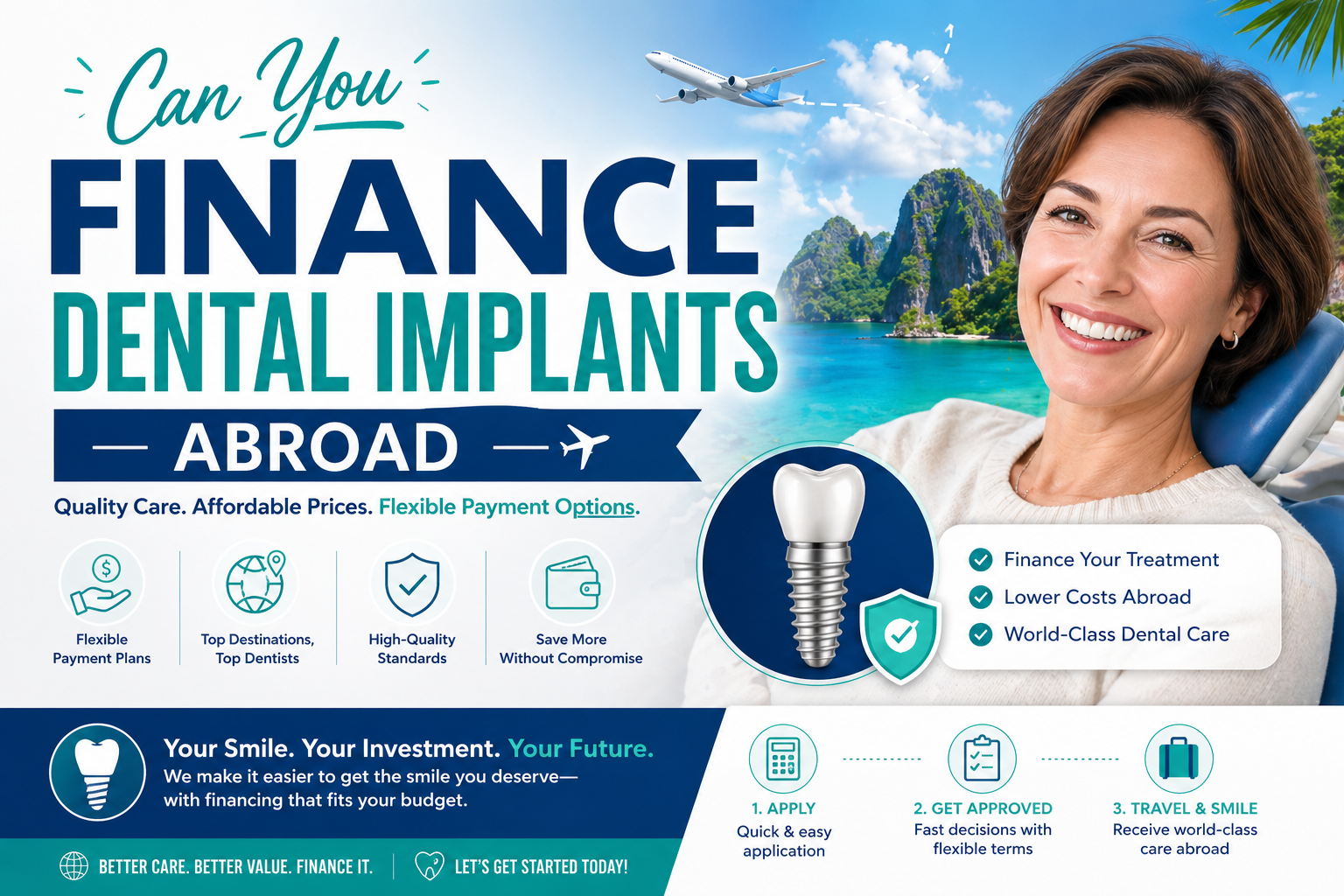
Dental implants in the United States are among the most expensive dental procedures—often ranging from $3,000 to $6,000 per implant and up to $50,000 for full-mouth restoration. That’s why more Americans are asking a very practical question:
Can you finance dental implants abroad?
The short answer is yes—but the strategy is very different compared to domestic financing. As a Dallas-based financial advisor working with patients who regularly explore international dental care, I’ll walk you through how it really works, what options exist, and how to structure your finances safely.
Why Americans Consider Dental Implants Abroad
The biggest driver is cost.
Countries like Mexico, Costa Rica, and the Philippines offer dental implants at 40% to 70% lower prices compared to the U.S.
Typical Cost Comparison:
- USA: $3,000–$6,000 per implant
- Mexico: $1,200–$2,500
- Philippines: $800–$2,000
Even after travel expenses, patients often save thousands—or tens of thousands—of dollars.
But lower cost doesn’t eliminate the need for financing. In fact, it changes how you finance.
Can You Finance Dental Implants Abroad?
Yes—but here’s the reality:
Most U.S.-based financing options do not directly partner with international clinics.
That means you’ll usually need to secure financing before you travel, rather than relying on clinic-based payment plans overseas.
1. Personal Loans (Most Reliable Option)
The most common way to finance implants abroad is through a personal loan.
Recommended Lenders:
- SoFi
- LendingClub
- Upstart
Why It Works:
- Funds are deposited directly into your bank account
- You can use the money anywhere—including overseas clinics
- Fixed monthly payments make budgeting predictable
Dallas Advisor Insight:
If you’re planning treatment abroad, this is your cleanest and safest financing structure.
2. Medical Credit Cards (Limited Use Internationally)
Cards like:
- CareCredit
- Alphaeon Credit
Limitation:
Most international clinics do not accept these cards.
Workaround:
- Use the card for diagnostics or prep work in the U.S.
- Combine with other financing for the overseas portion
3. Credit Cards (Flexible but Risky)
Standard credit cards can be used globally, making them a flexible option.
Pros:
- Widely accepted internationally
- Useful for travel + treatment expenses
Cons:
- High interest rates (often 18%–25%)
- Can quickly accumulate debt if not managed properly
Advisor Insight:
Use only if:
- You have a low-interest card
- Or you plan to pay it off quickly
4. Dental Tourism Packages with Financing
Some international clinics partner with financing facilitators.
What to Expect:
- Bundled pricing (treatment + hotel + transport)
- Limited financing options
- Often higher total cost compared to paying upfront
Advisor Warning:
These packages can be convenient—but always compare the total cost carefully.
5. Paying with Savings + Partial Financing
This hybrid strategy is often the smartest.
Example:
- Savings: $5,000
- Loan: $8,000
- Total treatment abroad: $13,000
Advisor Insight:
Reducing the loan amount lowers your interest burden significantly.
What About U.S. Dental Insurance?
Here’s where things get tricky.
Most U.S. dental insurance providers do not cover procedures performed abroad.
Examples include:
- Delta Dental
- Cigna
Exception:
Some plans may reimburse out-of-network international care, but:
- Reimbursement is limited
- Documentation requirements are strict
Advisor Insight:
Never rely on insurance to fund overseas treatment—it should be considered a bonus, not a guarantee.
Short Story: A Dallas Patient Success Case
Meet Angela, a 48-year-old business owner from Dallas, Texas.
Angela needed full-mouth dental implants. Her U.S. quote? $42,000.
She hesitated—not because she didn’t want the treatment, but because the cost felt excessive.
Her Strategy:
- Chose treatment in the Philippines
- Total cost abroad: $15,000 (including travel)
- Took a loan through SoFi for $10,000
- Used $5,000 from savings
The Outcome:
- Monthly payment: ~$210
- Completed treatment in 2 trips
- Saved over $25,000
Bonus:
Her insurance reimbursed $1,200 after submission (unexpected win)
Advisor Perspective:
Angela didn’t just save money—she structured her financing intelligently, minimizing debt while maximizing outcome.
Key Risks You Must Consider
Financing abroad isn’t just about money—it’s about risk management.
1. Follow-Up Care
If complications arise, you may need to return abroad or pay locally.
2. Travel Costs
Flights, hotels, and time off work add up.
3. Currency Fluctuation
Exchange rates can affect your final cost.
4. Quality Variability
Not all clinics meet U.S. standards—research is critical.
How to Plan Financing the Right Way
Step 1: Get a Full Treatment Quote
Include:
- Procedure cost
- Travel expenses
- Contingency budget (10–20%)
Step 2: Choose Financing Source
- Loan (preferred)
- Savings + loan combo
- Credit card (if short-term)
Step 3: Calculate Monthly Comfort Zone
Stick to a payment you can sustain long-term.
Step 4: Verify Clinic Credentials
Check:
- Dentist experience
- Technology used
- Patient reviews
FAQ: Financing Dental Implants Abroad
1. Can I use CareCredit internationally?
No, most foreign clinics do not accept CareCredit.
2. Is it cheaper even with financing?
Yes. Even with interest, total cost is often lower than U.S. treatment.
3. Can I get insurance reimbursement?
Sometimes—but it’s limited and not guaranteed.
4. What’s the safest financing option?
Personal loans from lenders like SoFi.
5. How much should I budget total?
Include:
- Treatment
- Travel
- Emergency buffer
6. Is dental tourism worth it?
Financially—yes, for many patients. But only with proper planning.
Related Topics
1. Dental Implants Cost USA vs Philippines
Understand how pricing differences impact financing decisions.
2. Risks of Dental Tourism for Implants
Learn how to avoid complications and hidden costs.
3. Best Countries for Affordable Dental Implants
Compare Mexico, Costa Rica, Turkey, and the Philippines.
Final Advice from a Dallas Financial Expert
Financing dental implants abroad isn’t just about finding the cheapest option—it’s about building a smart financial strategy that protects both your money and your health.
If you approach it correctly:
- You can reduce total cost dramatically
- Keep monthly payments manageable
- Achieve high-quality results
But if you rush into it without planning:
- Savings can disappear quickly
- Risks can outweigh rewards
The key question isn’t:
“Is it cheaper abroad?”
It’s:
“Can I finance this safely and sustainably?”
Can tooth extraction cause infection? Mild inflammation is normal, but increasing swelling, fever, or severe pain may indicate infection. Learn more about post-extraction infection warning signs in this detailed guide.
Book a consultation with our Cebu dental specialists for proper evaluation and care.
Ready to get expert guidance?
If you’re experiencing severe pain or delayed healing, book a consultation with our Cebu dental specialists to get proper evaluation and care.
Consultation or contact page .
Book a Consultation
For severe discomfort or delayed healing, book a consultation with our Cebu dental specialists today.
Looking for a dentist? Browse our Cebu dental directory to find trusted clinics near you.
Medical Review and Clinical Basis
This article is based on clinical dental guidelines and real patient recovery patterns observed after tooth extraction procedures. The information reflects common post-extraction healing stages, including normal clot formation, gum tissue repair, and signs of possible complications such as dry socket or infection.
While mild discomfort is expected after a dental extraction, worsening pain after Day 3, bad odor, exposed bone, or spreading pain may require professional evaluation. These symptoms are consistent with known post-extraction complications described in standard dental practice.
About Cebu Dental Implants
Cebu Dental Implants provides comprehensive tooth extraction, surgical procedures, and dental implant services in the Philippines. Our team evaluates post-extraction healing, manages complications such as dry socket, and advises patients on proper aftercare to prevent infection and delayed healing.
If you experience severe pain or unusual symptoms after extraction, early professional assessment is recommended to prevent further complications.
Important Medical Disclaimer
This content is for educational purposes only and does not replace professional dental diagnosis. Every patient heals differently. If symptoms worsen or do not improve within a few days, consult a licensed dentist for proper evaluation and treatment.
Author
This article was prepared by the Cebu Dental Implants content team in consultation with licensed dental professionals experienced in tooth extraction and implant procedures.
Related Clinical Cases
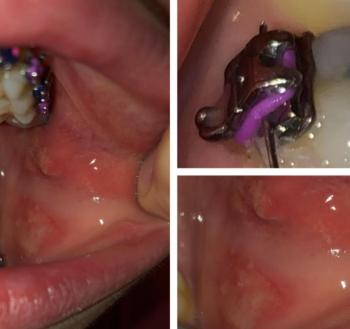
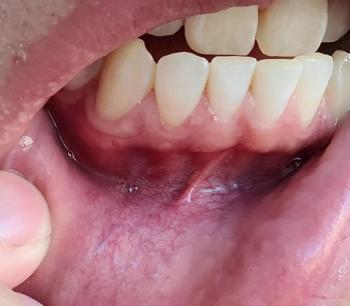
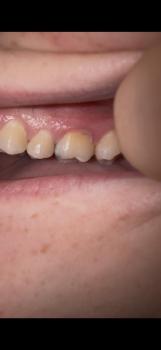
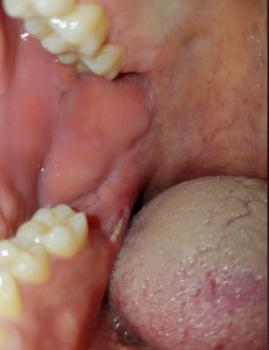
Patients with lower front gum inflammation may also experience tartar buildup, periodontal disease, gum abscesses, or tooth decay. Explore these related clinical case studies.


Other topics:
Other Dental Clinic