From Pain to Perfect — We Care for Your Smile.

Bone Loss After Tooth Extraction: Causes, Prevention, Bone Graft Options, Costs & Recovery
Language :
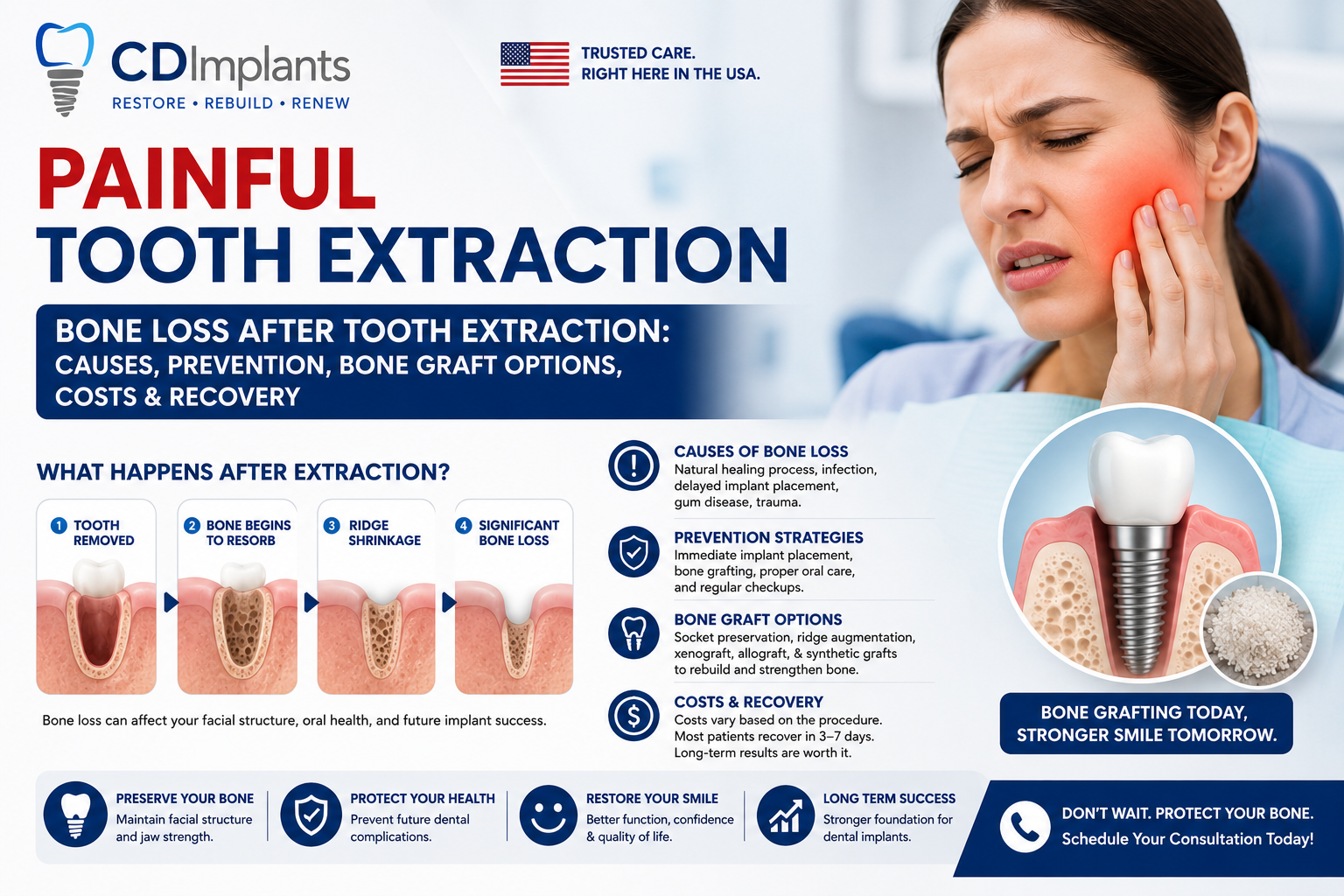
Losing a tooth is more than just a cosmetic problem. After a tooth extraction, the jawbone in that area can begin to shrink over time. Many patients are surprised to learn that bone loss can start within months after a missing tooth is left untreated. As a USA dental bone graft expert with years of experience helping implant patients restore healthy smiles, I often explain that preserving bone is one of the most important parts of modern dentistry.
Whether you recently had a tooth removed, are planning a dental implant, or simply want to understand your options, this guide explains everything beginners need to know about bone loss after tooth extraction. You will also learn about bone graft procedures, recovery timelines, insurance coverage, financing support, treatment costs in the Philippines compared to the USA, and how to choose the best dental clinic.
Why Bone Loss Happens After Tooth Extraction is common issues for most clients
Your jawbone needs stimulation from natural tooth roots to stay strong and healthy. Every time you chew, pressure travels through the tooth root into the surrounding bone. This stimulation helps maintain bone density.
When a tooth is extracted, the root disappears. Without stimulation, the body starts reabsorbing the unused bone.
What Happens After a Tooth Is Removed?
The body naturally begins remodeling the extraction area:
First Few Days
- Blood clot forms
- Gum tissue starts healing
- Mild swelling and discomfort are common
First 3 Months
- Rapid bone shrinkage can occur
- Jawbone width may reduce significantly
- Gum tissue changes shape
6 to 12 Months
- Bone loss becomes more noticeable
- Facial structure may slightly collapse
- Implant placement may become harder
Many patients do not realize how quickly bone deterioration happens until they visit a dentist months or years later.
Common Signs of Bone Loss in the Jaw
Bone loss is not always painful in the early stages. However, several warning signs may appear.
Visible Changes
- Sunken appearance around missing tooth
- Shrinking gums
- Facial sagging
Functional Problems
- Difficulty chewing
- Loose nearby teeth
- Denture instability
Advanced Symptoms
- Jaw weakness
- Bite misalignment
- Reduced implant success without grafting
If left untreated, severe bone loss can affect speech, facial appearance, and long-term oral health.
How Much Bone Loss Happens After Extraction?
The amount varies from patient to patient, but research shows that significant changes can happen quickly.
Average Bone Reduction
| Timeline | Possible Bone Loss |
|---|---|
| First 3 months | Up to 30% width reduction |
| First 6 months | Major structural changes |
| 1 year | Noticeable jaw shrinkage |
The longer a missing tooth remains untreated, the greater the risk of bone deterioration.
Major Causes of Bone Loss After Tooth Extraction
Tooth extraction alone is not the only reason bone disappears.
1. Missing Tooth for Long Periods
The longer the space stays empty, the more the bone shrinks.
2. Gum Disease
Periodontal disease destroys both gum tissue and supporting bone.
3. Infection
Untreated dental infections can damage surrounding bone structure.
4. Smoking
Smoking reduces blood supply and slows healing.
5. Poor Nutrition
Calcium and vitamin deficiencies affect bone health.
6. Ill-Fitting Dentures
Traditional dentures may accelerate jawbone resorption over time.
Can Bone Loss Be Prevented?
Yes. Modern dentistry offers several highly effective methods.
Immediate Dental Implant Placement
In some cases, implants can be placed immediately after extraction to preserve bone structure.
Benefits
- Reduced bone shrinkage
- Faster treatment timeline
- Better cosmetic results
However, not every patient qualifies for immediate implants.
Bone Grafting Explained
Bone grafting is one of the most important procedures for preventing or repairing bone loss.
What Is a Bone Graft?
A bone graft adds material into the extraction area to help rebuild jawbone volume.
The graft acts like a scaffold where new bone can grow naturally.
Types of Dental Bone Grafts
Different graft materials may be used depending on the case.
Autograft
Bone taken from the patient’s own body.
Advantages
- High compatibility
- Strong healing response
Disadvantages
- Requires additional surgery
Allograft
Bone from a human donor source processed safely for medical use.
Advantages
- Commonly used
- No second surgery needed
Disadvantages
- Healing varies
Xenograft
Bone material usually sourced from bovine origin.
Advantages
- Long-lasting support
- Popular for implant preparation
Disadvantages
- Longer integration period
Synthetic Bone Graft
Man-made graft material.
Advantages
- No donor involved
- Safe and widely available
Disadvantages
- Healing speed varies
Socket Preservation After Extraction
Socket preservation is performed immediately after tooth removal.
Why It Matters
This procedure helps:
- Maintain jawbone shape
- Improve implant success
- Reduce future treatment costs
Patients planning future implants often benefit greatly from socket preservation.
Bone Loss and Dental Implants
Dental implants are considered the gold standard for replacing missing teeth because implants stimulate bone similarly to natural roots.
Benefits of Dental Implants
- Preserve jawbone
- Improve chewing strength
- Prevent facial collapse
- Long-term stability
Without enough bone, implant placement may require grafting first.
Recovery Timeline After Bone Grafting
Healing times depend on overall health, smoking habits, graft size, and procedure type.
Typical Healing Timeline
| Stage | Approximate Timeline |
|---|---|
| Initial healing | 1 to 2 weeks |
| Gum closure | 3 to 4 weeks |
| Bone integration | 3 to 6 months |
| Implant placement readiness | 4 to 9 months |
Patients who follow post-operative instructions carefully often heal faster.
Bone Graft Recovery Tips
First 24 Hours
- Rest
- Avoid spitting forcefully
- Use cold compresses
First Week
- Eat soft foods
- Avoid smoking
- Maintain gentle oral hygiene
Long-Term Healing
- Attend follow-up visits
- Take prescribed medications
- Avoid hard chewing near graft site
Good aftercare can greatly improve graft success.
Foods to Eat During Recovery
Recommended Foods
- Yogurt
- Soup
- Mashed potatoes
- Scrambled eggs
- Smoothies
- Oatmeal
Foods to Avoid
- Nuts
- Chips
- Hard bread
- Spicy foods
- Alcohol
- Sticky candies
Nutrition plays a major role in successful healing.
Bone Graft Cost Comparison: USA vs Philippines
Dental treatment costs vary greatly depending on location, clinic technology, specialist experience, and graft complexity.
Estimated Bone Graft Costs
| Procedure | USA Average Cost | Philippines Average Cost |
|---|---|---|
| Simple socket graft | $500–$1,500 | $150–$500 |
| Advanced grafting | $2,000–$5,000+ | $700–$2,500 |
| Sinus lift procedure | $1,500–$5,000 | $800–$2,000 |
| Dental implant with graft | $3,000–$7,000+ | $1,200–$3,500 |
The Philippines has become a growing destination for dental tourism due to lower treatment costs while many clinics now offer modern digital dentistry technology.
However, patients should always prioritize:
- Sterilization standards
- Implant system quality
- Specialist training
- Long-term follow-up support
Lowest cost does not always mean best outcome.
Does Insurance Cover Bone Grafting?
Insurance coverage depends on the policy and medical necessity.
Private Dental Insurance
Some plans may partially cover:
- Tooth extraction
- Bone grafting
- Implant preparation
However, cosmetic implant procedures are often excluded.
Patients should verify:
- Annual maximum limits
- Waiting periods
- Pre-authorization requirements
Public Insurance Support
Coverage varies by country and program.
Possible Public Assistance Programs
- Government health programs
- University dental clinics
- Public hospital oral surgery departments
- Community dental assistance programs
Certain medically necessary reconstructive procedures may qualify for support.
Financing Organizations and Payment Support
Many patients delay treatment because of cost concerns. Fortunately, financing options are now more available.
Private Financing Organizations
Many dental clinics partner with:
- Healthcare financing companies
- Installment payment providers
- Credit-based healthcare lenders
These programs may offer:
- Monthly payment plans
- Low-interest financing
- Extended repayment terms
Public and Nonprofit Support Options
Some organizations help lower-income patients access dental care.
Examples Include
- Dental schools
- Charity dental events
- Community clinics
- Nonprofit oral health organizations
Patients with severe dental conditions may qualify for reduced-cost treatment.
Best Clinic to Visit for Bone Grafting and Implants
Choosing the right clinic is extremely important for long-term success.
What to Look For
1. Experienced Implant Dentist or Oral Surgeon
Training and experience matter greatly.
2. 3D CBCT Imaging Technology
Modern imaging improves treatment planning accuracy.
3. Sterilization Standards
Safety should always come first.
4. Transparent Pricing
Good clinics explain all costs clearly.
5. Strong Reviews and Before-After Cases
Look for real patient outcomes.
6. Follow-Up Care
Healing monitoring is essential after grafting.
Questions to Ask During Consultation
Before choosing a clinic, ask:
- How many bone graft procedures have you completed?
- What graft material do you recommend?
- What are the implant success rates?
- How long is healing expected?
- What happens if complications occur?
Patients should feel comfortable asking detailed questions.
Bone Loss and Facial Appearance
Many people do not realize missing teeth can affect facial structure.
Possible Facial Changes
- Collapsed cheeks
- Wrinkles around mouth
- Sunken jaw appearance
- Older-looking facial profile
Bone preservation is not only functional but also cosmetic.
Can Dentures Prevent Bone Loss?
Traditional removable dentures do not fully stop bone resorption.
Implant-Supported Dentures
These provide better bone stimulation compared to conventional dentures.
Benefits
- Improved stability
- Better chewing power
- Reduced jaw shrinkage
For many patients, implant-supported solutions offer a major quality-of-life improvement.
Risks of Delaying Treatment
Waiting too long after extraction may lead to:
- More expensive grafting
- Complex surgeries
- Reduced implant options
- Greater bone deterioration
Early intervention usually leads to simpler and more affordable treatment.
Possible Complications After Bone Grafting
Complications are uncommon when procedures are properly performed, but risks exist.
Potential Issues
- Infection
- Swelling
- Minor bleeding
- Graft failure
- Sinus complications in upper jaw procedures
Following instructions carefully helps reduce these risks.
How Smoking Affects Bone Graft Healing
Smoking is one of the biggest threats to implant and graft success.
Smoking Can:
- Reduce blood circulation
- Delay healing
- Increase infection risk
- Raise implant failure rates
Most specialists strongly encourage quitting before treatment.
Bone Graft vs No Bone Graft Comparison
| Factor | Bone Graft | No Bone Graft |
|---|---|---|
| Bone preservation | Excellent | Poor |
| Implant support | Strong | May become difficult |
| Facial appearance | Better maintained | Higher collapse risk |
| Long-term oral health | Improved | May worsen |
| Future treatment cost | Often lower long-term | May become expensive later |
Advanced Bone Regeneration Techniques
Modern dentistry now includes advanced regenerative methods.
Guided Bone Regeneration
Special membranes help direct new bone growth.
PRF and Growth Factors
Some clinics use platelet-rich fibrin from the patient’s blood to support healing.
Digital Implant Planning
Computer-guided surgery improves accuracy and safety.
Technology continues improving outcomes for patients worldwide.
FAQs About Bone Loss After Tooth Extraction
Is bone loss after extraction permanent?
Some bone loss is permanent without treatment, but grafting and implants can restore much of the lost structure.
How soon should I replace a missing tooth?
Earlier replacement usually helps preserve more bone. Many dentists recommend evaluation within a few months after extraction.
Is bone grafting painful?
Most patients report mild to moderate discomfort that is manageable with medication.
Can elderly patients get bone grafts?
Yes. Age alone does not automatically disqualify patients if overall health is acceptable.
Are dental implants worth the cost?
For many patients, implants provide excellent long-term value due to durability, bone preservation, and function.
Can bone loss affect nearby teeth?
Yes. Surrounding teeth may shift or weaken when bone support decreases.
How long do bone grafts last?
Once integrated successfully, grafted bone can support implants for many years.
Can diabetes affect healing?
Poorly controlled diabetes may slow healing and increase complication risks.
Related Topics
1. Dental Implants After Tooth Extraction
Learn the best timing for implant placement and how immediate implants may preserve bone.
2. Sinus Lift Surgery Explained
Understand how upper jaw bone height is restored before implants.
3. Implant-Supported Dentures vs Traditional Dentures
Compare comfort, stability, chewing power, and long-term oral health benefits.
Bone loss after tooth extraction is extremely common, but modern dentistry offers highly effective ways to prevent and restore jawbone damage. Early treatment is one of the best decisions patients can make for long-term oral health, facial appearance, and implant success.
Bone grafting, socket preservation, and dental implants have transformed the way dentists manage missing teeth. While treatment costs vary between the USA and the Philippines, patients should focus on quality care, experienced specialists, proper technology, and long-term follow-up rather than choosing based on price alone.
If you recently had a tooth removed or are considering implants, scheduling an evaluation with an experienced implant dentist or oral surgeon can help protect your jawbone before further deterioration occurs.
Can tooth extraction cause infection? Mild inflammation is normal, but increasing swelling, fever, or severe pain may indicate infection. Learn more about post-extraction infection warning signs in this detailed guide.
Book a consultation with our Cebu dental specialists for proper evaluation and care.
Ready to get expert guidance?
If you’re experiencing severe pain or delayed healing, book a consultation with our Cebu dental specialists to get proper evaluation and care.
Consultation or contact page .
Book a Consultation
For severe discomfort or delayed healing, book a consultation with our Cebu dental specialists today.
Looking for a dentist? Browse our Cebu dental directory to find trusted clinics near you.
Medical Review and Clinical Basis
This article is based on clinical dental guidelines and real patient recovery patterns observed after tooth extraction procedures. The information reflects common post-extraction healing stages, including normal clot formation, gum tissue repair, and signs of possible complications such as dry socket or infection.
While mild discomfort is expected after a dental extraction, worsening pain after Day 3, bad odor, exposed bone, or spreading pain may require professional evaluation. These symptoms are consistent with known post-extraction complications described in standard dental practice.
About Cebu Dental Implants
Cebu Dental Implants provides comprehensive tooth extraction, surgical procedures, and dental implant services in the Philippines. Our team evaluates post-extraction healing, manages complications such as dry socket, and advises patients on proper aftercare to prevent infection and delayed healing.
If you experience severe pain or unusual symptoms after extraction, early professional assessment is recommended to prevent further complications.
Important Medical Disclaimer
This content is for educational purposes only and does not replace professional dental diagnosis. Every patient heals differently. If symptoms worsen or do not improve within a few days, consult a licensed dentist for proper evaluation and treatment.
Author
This article was prepared by the Cebu Dental Implants content team in consultation with licensed dental professionals experienced in tooth extraction and implant procedures.
Related Clinical Cases
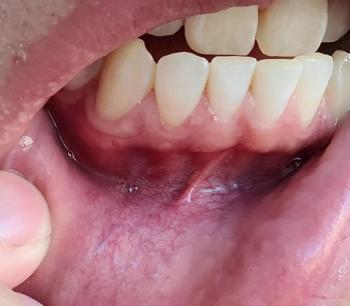
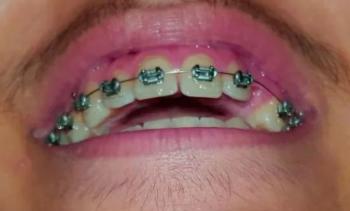
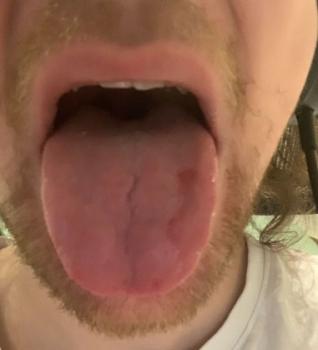
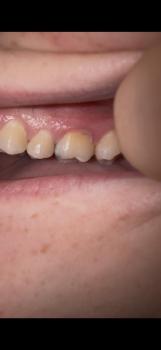
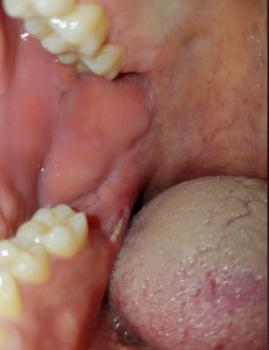
Patients with lower front gum inflammation may also experience tartar buildup, periodontal disease, gum abscesses, or tooth decay. Explore these related clinical case studies.


Other topics:
Other Dental Clinic