Dry socket (alveolar osteitis)

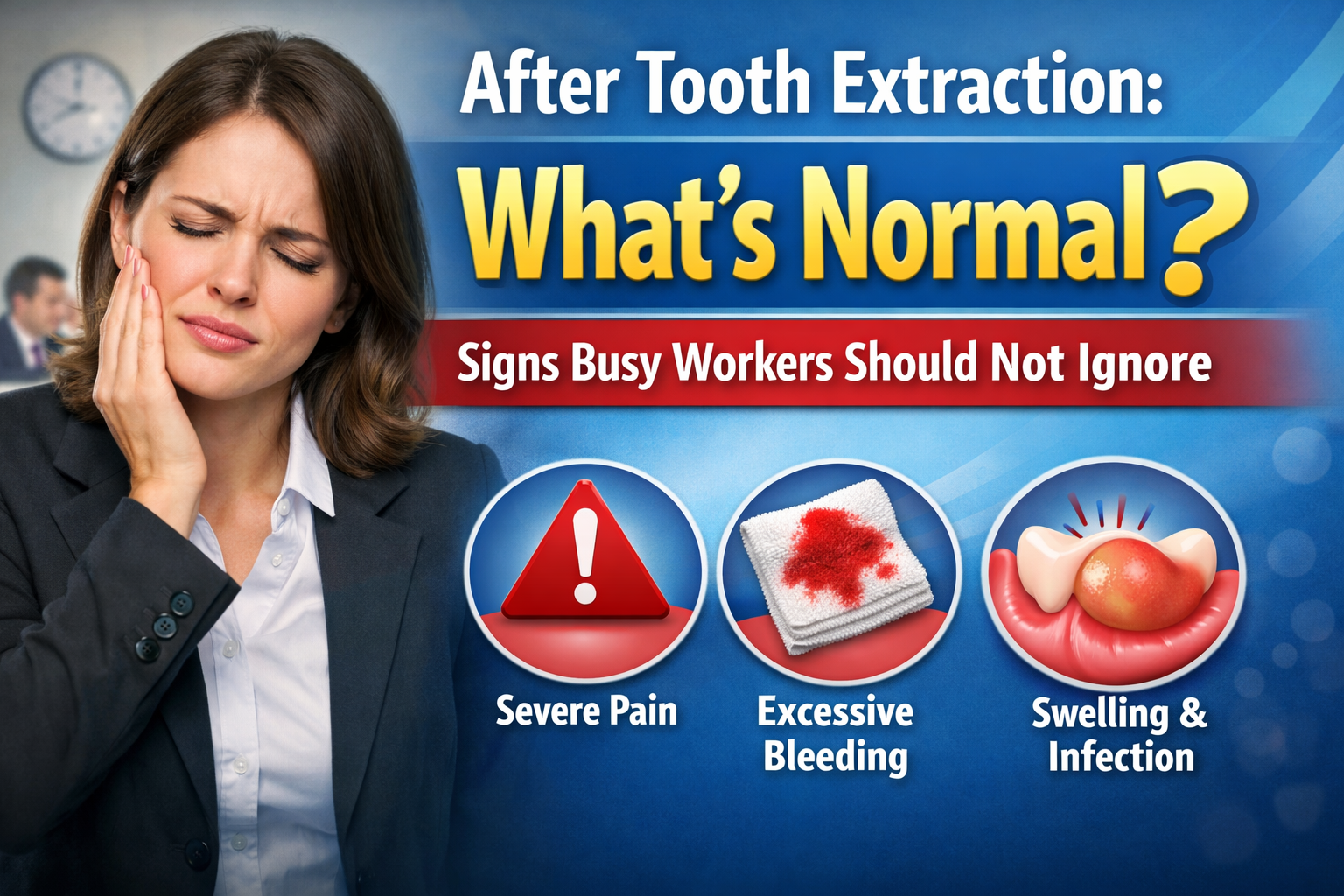
After Tooth Extraction: What’s Normal and 7 Warning Signs You Should Not Ignore

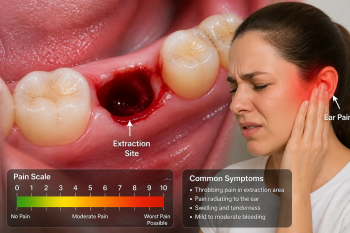
After a tooth extraction, mild pain, slight swelling, and minor bleeding for 1 to 3 days is normal. However, pain that worsens after Day 3, bad odor, exposed bone, or radiating ear pain may indicate dry socket and requires dental evaluation.

Introduction

After a tooth extraction, some pain, swelling, and discomfort are normal. However, many busy workers return to work immediately and ignore early warning signs. They assume the pain is part of healing.

Sometimes it is normal healing.
Sometimes it is dry socket or infection.

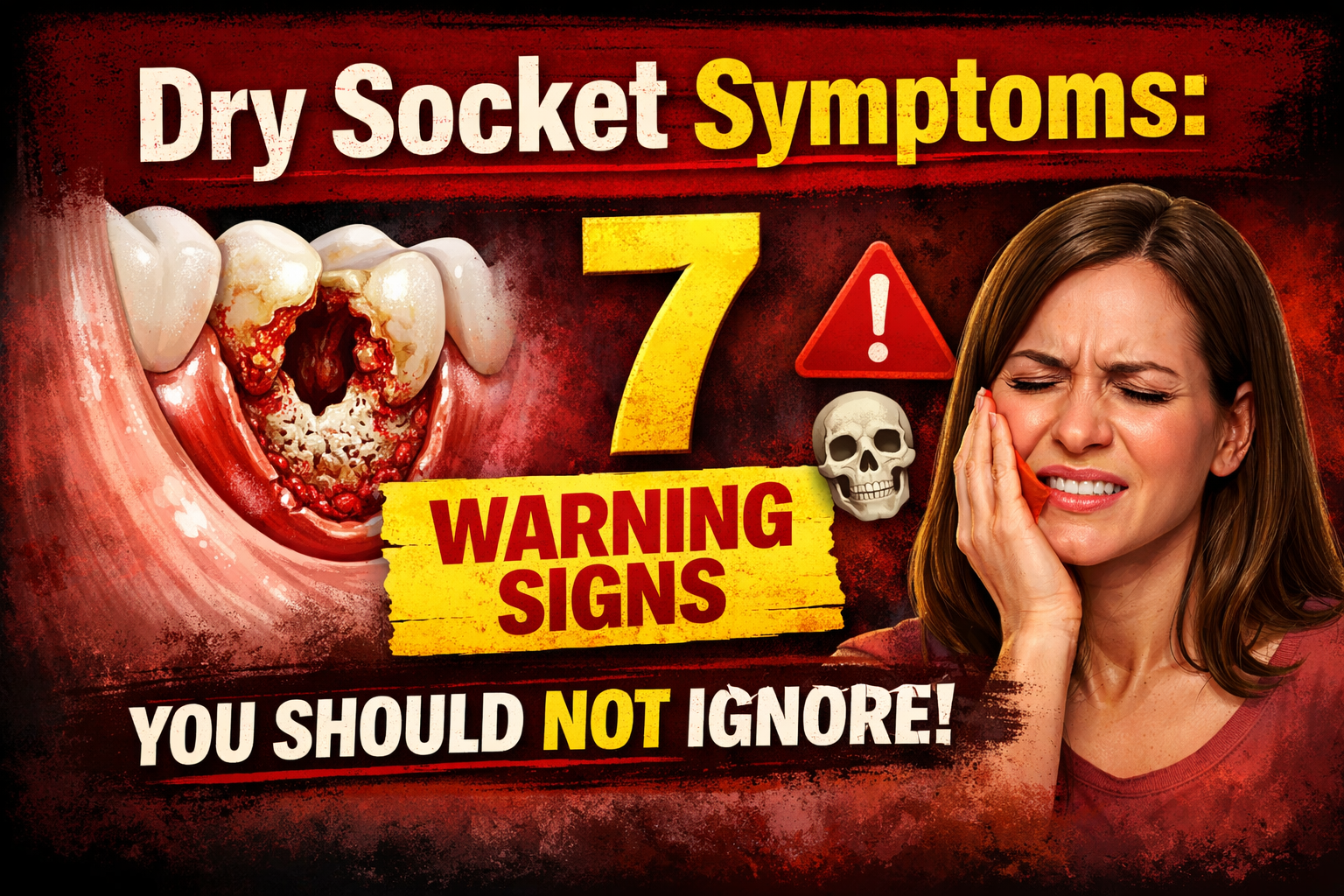
Dry Socket Symptoms: Severe Pain, Bad Smell, Exposed Bone Warning Signs

After a tooth extraction, mild pain and swelling are normal. But when pain becomes severe, a bad smell develops, and the socket looks empty or shows exposed bone — that is not normal healing.

These are classic signs of dry socket.

Understanding these warning signals early can prevent prolonged suffering, infection, and delayed dental implant treatment.


Mario’s Second Night – When Pain Became Unbearable

Mario thought everything was fine after his molar extraction.

Day 1: Mild bleeding.
Day 2: Slight swelling. Manageable pain.

Post-Extraction Healing Check: Is This Normal After a Back Lower Tooth Removal?

Severity: 

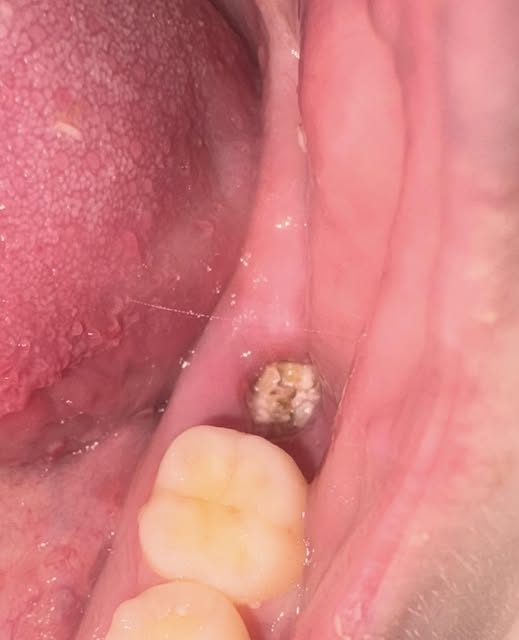
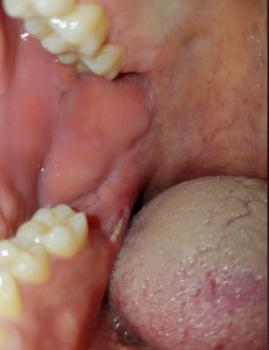
Client concern: “I had my back left bottom tooth removed on Friday. Is this normal, or am I just paranoid?”

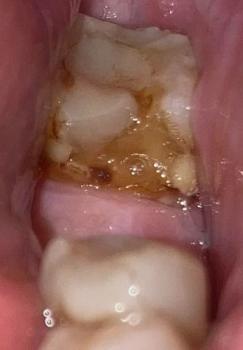
Zoom 100% Visual Assessment (Based on the Image Provided)

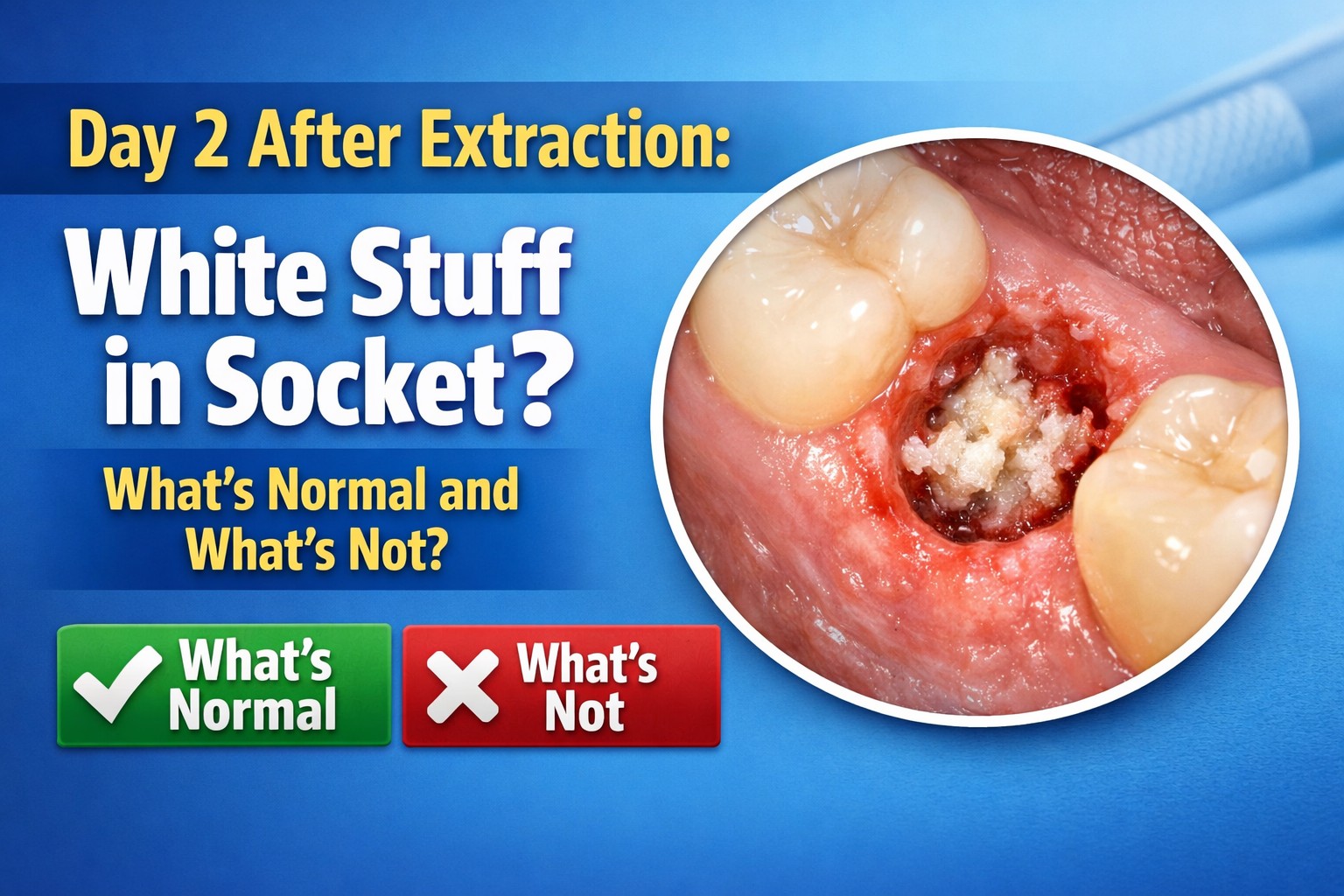
At full zoom, the area shown appears to be a recent extraction socket on the lower left posterior (back) jaw, behind the last standing molar. The socket contains a gray-white to yellowish material with surrounding pink tissue.

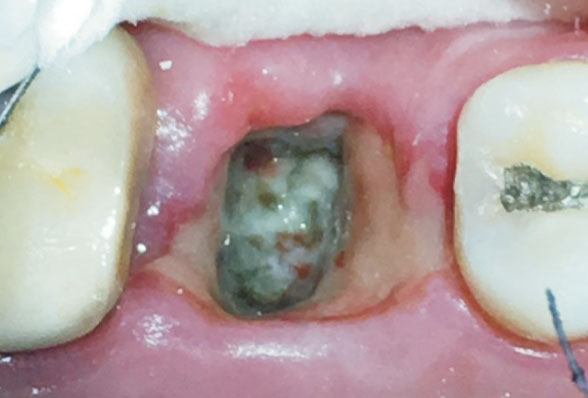
Severe Tooth Socket Infection at 100% Zoom: Deep Clinical Analysis, Foul Odor Cause, Healing Timeline & Escalation Risks

Severity: 

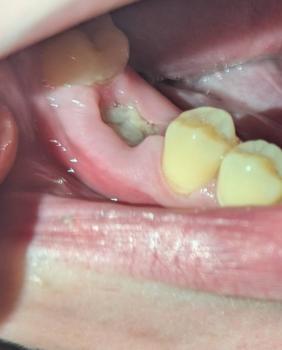
Case Overview (Image-Based Observation – 100% Zoom)

At full zoom, the image shows an open tooth socket between two adjacent teeth with dark gray–green necrotic material, inflamed surrounding gingiva, and exposed socket walls. The gum tissue appears red, swollen, and irregular, with signs of delayed or failed clot formation.

 The patient reports the tooth “really smells worse”, which is a critical diagnostic clue.

Dual Dental Emergency: Urgent Treatment for Deep Molar Decay & Acute Alveolar Osteitis (Dry Socket) in Cebu

Severity: 

Dual Dental Emergency: Deep Caries and Suspected Dry Socket Analysis

This case presents two distinct, critical dental issues in different parts of the mouth, requiring immediate professional attention.


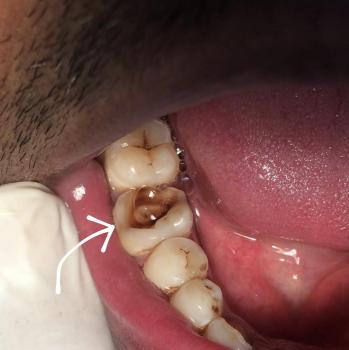
Part 1: Deep Caries / Irreversible Pulpitis Diagnosis (Image 1)

The first image clearly shows a molar (likely the second molar) with extensive tooth decay.

Pages