Strong Teeth, Fresh Breath, Brighter You.

Can a Tooth Infection Kill You? A USA Case Study on How Untreated Tooth Decay Became a Life-Threatening Brain Infection
Image:
Severity:
Teeth Problems:
Can a Tooth Infection Kill You? A USA Case Study on How Untreated Tooth Decay Became a Life-Threatening Brain Infection
Reviewed from the perspective of a USA dental case analysis. This article is for educational purposes only and is not a substitute for professional medical care.
Introduction
Many Americans assume that a cavity is simply a minor inconvenience that can wait until the next dental appointment. Unfortunately, while most cavities are successfully treated before serious complications occur, untreated dental infections can occasionally become medical emergencies.
The short answer is yes—although uncommon today due to modern dentistry and antibiotics, an untreated tooth infection can become life-threatening if bacteria escape the infected tooth and spread into the surrounding tissues, bloodstream, or critical spaces of the head and neck.
One of the best-known examples in the United States is the tragic case of Deamonte Driver, whose death highlighted the importance of early dental treatment and access to care.
When a Tooth Infection Spreads Beyond the Mouth: Clinical Warning Signs, Brain Complications, and Emergency Treatment
1. Clinical Perspective: How Untreated Tooth Decay Can Become Dangerous
Tooth decay is not always confined to the visible surface of a tooth. When bacteria penetrate the enamel and dentin and reach the dental pulp, the soft tissue containing nerves and blood vessels, the resulting inflammation can progress to pulp necrosis and infection around the root.
A periapical dental abscess develops when infection accumulates near the tip of the tooth root. Without appropriate treatment, the infection may extend into the surrounding jawbone, facial tissues, or deeper spaces of the head and neck.
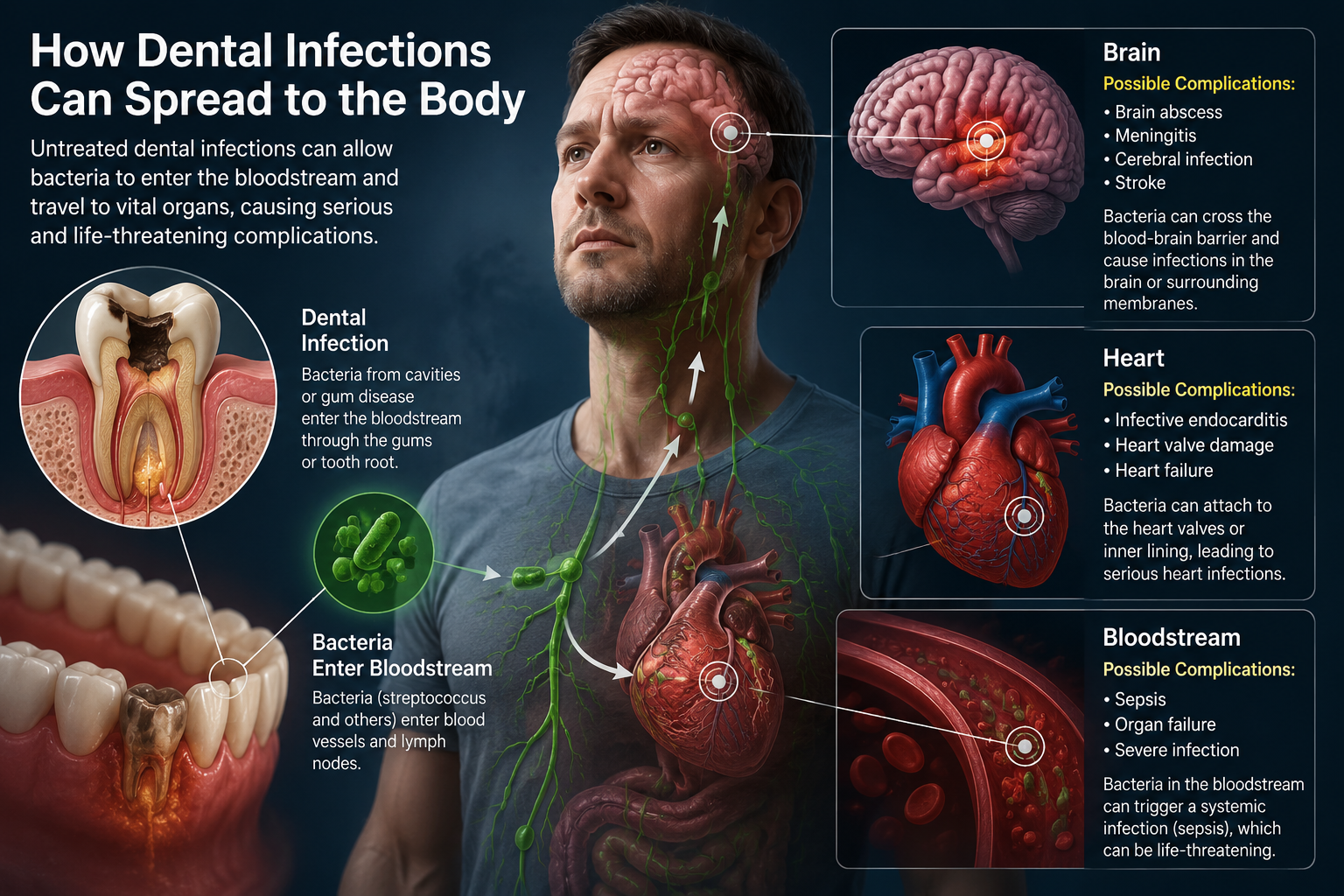
In rare circumstances, bacteria from a dental infection may spread through tissue planes or the bloodstream and contribute to serious complications, including a brain abscess, meningitis, or sepsis. These outcomes are uncommon, but they demonstrate why persistent dental infection should never be ignored.
A brain abscess is a collection of infected material within brain tissue. It is a medical emergency because inflammation and pressure can damage surrounding brain structures. Dental infections are one possible source, although other infections and causes must also be considered during diagnosis.
The important clinical message is not that every cavity becomes life-threatening. Rather, it is that early diagnosis and definitive treatment can prevent a localized dental problem from progressing into a serious infection.
2. How Infection Can Progress From a Cavity to a Medical Emergency
The progression may follow several stages:
Stage 1: Tooth decay develops.
Acid-producing bacteria contribute to the breakdown of tooth enamel and dentin. At this stage, a dentist may be able to treat the affected tooth with a filling or another restorative procedure, depending on the extent of damage.
Stage 2: The dental pulp becomes inflamed or infected.
When decay reaches the pulp, the patient may develop spontaneous toothache, prolonged sensitivity, or pain that worsens at night. If the pulp dies, pain may temporarily decrease, but this does not establish that the infection has resolved.
Stage 3: Infection develops around the root.
Bacteria and inflammatory material can accumulate near the root tip, producing a dental abscess. Possible symptoms include pain when biting, gum swelling, a bad taste, pus drainage, or facial tenderness.
Stage 4: Infection spreads into surrounding tissues.
The infection may extend into the jawbone, cheek, floor of the mouth, or neck. Fever, increasing swelling, difficulty opening the mouth, and difficulty swallowing may indicate a more serious infection.
Stage 5: Rare complications develop.
In severe cases, infection may spread into deeper head and neck structures or reach distant sites through the bloodstream. A brain abscess or another intracranial infection is rare but potentially life-threatening.
This sequence is not inevitable, and progression does not occur at a predictable rate. Some infections remain localized, while others worsen rapidly. Symptoms alone cannot reliably determine how far an infection has spread.
3. Warning Signs That Require Immediate Attention
Patients should recognize the difference between symptoms requiring urgent dental care and signs of a possible medical emergency.
Symptoms requiring urgent dental assessment
-
Persistent or worsening toothache.
-
Swelling around a tooth or gum.
-
A gum boil, pus, or a persistent unpleasant taste.
-
Pain when chewing or biting.
-
Facial or jaw tenderness.
-
Fever or feeling generally unwell alongside a suspected dental infection.
A suspected dental abscess requires prompt professional assessment, even if the pain is manageable or pus has drained spontaneously.
Emergency warning signs
Seek emergency medical care immediately if a dental infection is accompanied by:
-
Difficulty breathing, swallowing, or speaking.
-
Rapidly increasing swelling of the face, mouth, or neck.
-
Swelling around the eye or new vision changes.
-
Severe headache accompanied by fever, confusion, or a stiff neck.
-
New weakness, difficulty speaking, seizures, or altered consciousness.
These symptoms may indicate airway compromise, a deep-space infection, or a serious neurological complication. Do not wait for a routine dental appointment when these signs are present.
4. Why a Toothache May Disappear Even When Infection Remains
One of the most misleading features of advanced tooth decay is the possibility that pain decreases after the dental pulp dies.
When the pulp loses its vitality, the nerves inside the tooth may no longer respond normally. The patient may interpret the reduction in pain as recovery, even though bacteria may remain around the root.
A draining abscess can also temporarily reduce pressure and discomfort. However, drainage does not necessarily eliminate the source of infection.
For these reasons, the absence of pain is not a reliable measure of whether a tooth is healthy. A dentist may need to examine the tooth, assess the surrounding tissues, perform appropriate vitality or percussion tests, and obtain dental radiographs to determine the extent of disease.
5. How Dentists and Doctors Diagnose a Spreading Dental Infection
Diagnosis depends on the symptoms, physical examination, and suspected extent of infection.
A dental assessment may include:
-
Examination of the decayed or damaged tooth.
-
Evaluation of gum swelling, drainage, tenderness, and tooth mobility.
-
Dental radiographs to assess decay, root changes, and surrounding bone.
-
Assessment of mouth opening and nearby facial tissues.
If a deep infection or systemic complication is suspected, hospital evaluation may include blood tests, blood cultures when indicated, and imaging such as CT or MRI. Suspected brain abscess requires urgent medical and neurological assessment, with imaging selected by the treating team.
A brain abscess cannot be diagnosed reliably from a toothache or headache alone. Other causes must be investigated.
6. Treatment: Why Antibiotics Alone May Not Be Enough
The appropriate treatment depends on the source, severity, location, and spread of infection.
Definitive dental treatment
Depending on the condition of the tooth, treatment may involve:
-
Root canal treatment: Removes infected or irreversibly damaged pulp and allows the tooth to be retained when appropriate.
-
Incision and drainage: Releases accumulated pus when drainage is clinically indicated.
-
Tooth extraction: Removes a tooth that cannot be predictably restored or when extraction is otherwise indicated.
The treating dentist determines the safest and most appropriate approach after examination.
When antibiotics are needed
Antibiotics may be indicated when infection is spreading, systemic symptoms are present, or other clinical factors warrant their use. They are not a substitute for treating the source of most dental infections.
The American Dental Association recommends prioritizing appropriate dental procedures for many pulpal and localized periapical conditions rather than relying on antibiotics alone. Prescribing decisions depend on the individual clinical situation.
Patients should not use leftover antibiotics, share medication, or independently change a prescribed course.
When hospital treatment is necessary
Severe infections may require hospital admission, intravenous antibiotics, surgical drainage, airway management, or specialist care.
A confirmed brain abscess generally requires hospital-based treatment with antimicrobial therapy and assessment for drainage or surgery. Treatment is individualized according to the size and location of the abscess, neurological condition, and response to therapy.
7. Who May Need Particular Caution?
Anyone can develop a dental abscess. However, a person's general health can affect how an infection develops and how well the body responds.
People with poorly controlled diabetes, weakened immune systems, or conditions requiring immunosuppressive medication may need especially prompt assessment. These factors do not mean that a serious complication will occur, but they can influence clinical risk and treatment decisions.
Older adults and people who have difficulty accessing dental care may also delay treatment until symptoms become more severe.
8. Prevention: Treat Dental Problems Before They Escalate
Preventing advanced dental infection begins with regular oral care and timely treatment.
-
Brush twice daily with fluoride toothpaste.
-
Clean between teeth every day.
-
Limit frequent consumption of sugary foods and drinks.
-
Attend dental examinations according to your dentist's recommendations.
-
Seek care promptly for persistent toothache, swelling, pus, or a broken tooth.
-
Complete recommended dental treatment and attend follow-up appointments.
Home remedies may temporarily relieve discomfort, but they cannot reliably eliminate an established dental abscess.
9. Expert Clinical Conclusion
A decayed tooth does not automatically lead to a brain infection, and serious complications remain uncommon. Nevertheless, an untreated dental abscess can spread beyond the tooth and, in rare circumstances, become life-threatening.
The most important warning signs are progressive facial or neck swelling, fever with worsening infection, difficulty swallowing or breathing, and neurological symptoms such as confusion, seizures, weakness, or severe headache with fever.
Do not wait for a dental infection to become unbearable before seeking treatment. Prompt professional assessment, appropriate source control, and emergency medical care when indicated offer the best opportunity to prevent serious complications.
Medical disclaimer: This article provides general educational information and is not a substitute for individual diagnosis or treatment by a qualified dental or medical professional.
USA Case Study: The Deamonte Driver Story
Deamonte Driver
Patient Background
In 2007, 12-year-old Deamonte Driver from Prince George's County, Maryland, developed what initially appeared to be a routine toothache caused by untreated dental decay.
Like many dental infections, the disease started silently.
The bacteria gradually destroyed the outer enamel before penetrating the dentin and eventually reaching the living pulp inside the tooth.
At this stage, the tooth was no longer just "decayed."
It had become infected.
Disease Progression
Once bacteria invaded the pulp chamber, the nerve tissue died (pulp necrosis).
Instead of remaining confined inside the tooth, the infection spread beyond the root tip, producing a periapical abscess.
Normally, these infections may drain through the gum.
However, in rare circumstances, bacteria find other anatomical pathways.
In Deamonte's case, the infection spread into the facial venous system and eventually reached the cavernous sinus, a large venous channel located at the base of the brain.
The result was one of the most feared complications of facial infections:
-
Cavernous Sinus Thrombosis (CST)
-
Brain abscess
-
Severe neurological infection
Despite emergency brain surgery, prolonged hospitalization, intravenous antibiotics, and intensive medical treatment costing more than $250,000, he passed away in 2007.
His case became one of the most recognized examples of how untreated dental disease can, in rare cases, become fatal.
How Can a Tooth Infection Reach the Brain?
Many people are surprised to learn that the mouth is closely connected to the head and neck through numerous blood vessels, connective tissue spaces, nerves, and veins.
Unlike many veins elsewhere in the body, several facial veins have few or no valves, allowing bacteria to travel backward under certain conditions.
The progression often follows this pathway:
Untreated Tooth Decay
          │
          ▼
Inflamed Dental Pulp (Pulpitis)
          │
          ▼
Pulp Necrosis
          │
          ▼
Periapical Abscess
          │
 ┌────────┼─────────┐
 ▼        ▼         ▼
Neck      Veins     Bloodstream
Spaces               │
 │         │         ▼
 ▼         ▼     Sepsis
Ludwig's   Cavernous
Angina     Sinus
            Thrombosis
Three Dangerous Routes of Infection Spread
1. Spread Toward the Brain
Upper canine and upper molar teeth are located relatively close to the facial venous system.
An untreated abscess may rarely spread through:
-
Facial veins
-
Angular vein
-
Ophthalmic veins
-
Cavernous sinus
Possible complications include:
-
Cavernous Sinus Thrombosis
-
Brain abscess
-
Meningitis
-
Increased intracranial pressure
-
Stroke-like neurological symptoms
Although uncommon, these complications are medical emergencies requiring immediate hospitalization.
2. Spread Into the Neck (Ludwig's Angina)
Lower molars present another serious concern.
Their roots frequently extend below the attachment of the mylohyoid muscle.
When infection breaks through the surrounding bone, it may enter the:
-
Submandibular space
-
Sublingual space
-
Submental space
This rapidly spreading cellulitis is known as Ludwig's Angina.
Why is Ludwig's Angina Dangerous?
Unlike a simple abscess, Ludwig's Angina causes widespread swelling beneath the tongue.
As swelling increases:
-
the tongue elevates,
-
the airway narrows,
-
swallowing becomes difficult,
-
breathing becomes progressively compromised.
Without urgent airway management and surgical drainage, the condition can become fatal within hours.
3. Spread Into the Bloodstream
Every dental abscess contains millions of bacteria.
Once these organisms enter nearby blood vessels, they may circulate throughout the body.
Potential complications include:
Sepsis
A life-threatening inflammatory response to infection.
Possible symptoms include:
-
High fever
-
Rapid heart rate
-
Low blood pressure
-
Confusion
-
Organ failure
Infective Endocarditis
Certain oral bacteria—particularly viridans group streptococci—can attach to damaged or artificial heart valves.
This infection may permanently damage heart tissue and often requires prolonged intravenous antibiotics or cardiac surgery.
Why Doesn't Every Tooth Infection Become Fatal?
Fortunately, the human immune system usually contains dental infections before they spread.
Modern dentistry has also dramatically reduced these risks through:
-
Early cavity detection
-
Root canal therapy
-
Tooth extraction when necessary
-
Antibiotic therapy (when indicated)
-
Routine dental examinations
However, delaying treatment increases the likelihood of serious complications.
Warning Signs That Require Immediate Emergency Care
A toothache alone usually requires prompt dental evaluation.
However, if it is accompanied by any of the following symptoms, seek emergency medical care immediately.
| Warning Sign | Possible Serious Complication |
|---|---|
| Difficulty breathing | Airway obstruction (Ludwig's Angina) |
| Difficulty swallowing | Deep neck infection |
| Rapidly increasing facial swelling | Fascial space infection |
| Swelling beneath the tongue | Ludwig's Angina |
| Eye swelling or bulging | Cavernous sinus involvement |
| Double vision | Cavernous Sinus Thrombosis |
| Drooping eyelid | Cranial nerve involvement |
| High fever with chills | Sepsis |
| Confusion or altered mental status | Brain infection or septic shock |
| Severe lethargy | Systemic infection |
| Inability to fully open the mouth (trismus) | Deep fascial space infection |
These symptoms warrant immediate evaluation in the nearest Emergency Department (ER).
Who Is at Higher Risk?
Serious complications are more likely in individuals with:
-
Diabetes
-
Weakened immune systems
-
Cancer treatment
-
Organ transplantation
-
Long-term steroid therapy
-
Poorly controlled periodontal disease
-
Delayed dental treatment
-
Lack of access to routine dental care
How Dentists Prevent These Complications
Dentists focus on eliminating the source of infection before bacteria can spread.
Treatment may include:
-
Dental examination
-
Digital dental X-rays or CBCT imaging
-
Drainage of abscesses when appropriate
-
Root canal treatment to preserve the tooth
-
Tooth extraction when the tooth cannot be saved
-
Antibiotics when infection has spread beyond the tooth or systemic signs are present
-
Referral to an oral and maxillofacial surgeon for deep space infections
For patients with severe facial swelling, breathing difficulty, or signs of systemic illness, treatment often requires coordinated care involving emergency physicians, oral surgeons, infectious disease specialists, and intensive care teams.
Prevention Is Far Easier Than Treatment
Most life-threatening dental infections begin as small cavities that could have been treated with a simple filling.
Reducing your risk includes:
-
Brush twice daily with fluoride toothpaste.
-
Floss every day.
-
Schedule regular dental checkups.
-
Treat cavities before they reach the dental pulp.
-
Never ignore persistent tooth pain or facial swelling.
-
Complete any prescribed dental treatment promptly.
-
Seek immediate care if swelling rapidly worsens or affects breathing or swallowing.
When a Tooth Infection Becomes a Medical Emergency
Understanding how a tooth infection can spread
A tooth infection can begin when bacteria enter the inner pulp of a tooth through deep decay, a crack, trauma, or certain dental complications. The pulp contains nerves, blood vessels, and connective tissue. When bacteria reach this area, the infection may progress to the tissues surrounding the root and form a dental abscess.
A dental abscess is a collection of pus caused by infection. Without appropriate treatment, the infection may spread into nearby tissues, the jaw, facial spaces, or neck. In uncommon but serious cases, bacteria can enter the bloodstream or reach deeper structures, potentially causing sepsis or an intracranial infection. These complications are rare, but they can be life-threatening.
Four Stages of Tooth Infection: From Deep Decay to Serious Complications
Stage 1: Deep Tooth Decay
Bacteria in dental plaque produce acids that gradually damage tooth enamel and dentin. Early tooth decay may not cause noticeable pain, allowing the damage to progress unnoticed. As decay advances toward the dental pulp, the risk of inflammation and infection increases.
Dental guidance: Schedule a dental examination if you notice a cavity, sensitivity, tooth discoloration, or food frequently becoming trapped in a damaged tooth. Early treatment may prevent more extensive damage.
Stage 2: Pulp Infection and Dental Abscess
When bacteria reach the pulp, which contains nerves and blood vessels, the tooth may develop pulp inflammation or infection. If the infection spreads through the root tip into surrounding tissues, a periapical abscess may develop.
Possible symptoms include severe or throbbing toothache, pain when biting, gum swelling, pus, and an unpleasant taste. However, some dental infections cause little pain, particularly if the tooth's nerve has died.
Dental guidance: Seek prompt dental care. Treatment may involve root canal therapy or extraction, depending on the tooth's condition. Antibiotics may be necessary in selected cases, especially when infection is spreading or systemic symptoms occur, but they do not replace treatment of the infected tooth.
Stage 3: Spreading Dental Infection
An untreated dental abscess can sometimes spread into the surrounding facial spaces, jaw, or neck. Symptoms may include increasing facial swelling, fever, difficulty opening the mouth, and worsening pain.
Infections involving deeper tissues can become dangerous, particularly when swelling affects the throat or tissues surrounding the airway.
Dental guidance: Seek urgent medical or dental assessment if you develop facial swelling, fever, or rapidly worsening symptoms. Go to an emergency department immediately if you have difficulty breathing or swallowing, swelling beneath the tongue or in the neck, or rapidly spreading facial swelling.
Stage 4: Rare, Life-Threatening Complications
In uncommon but serious cases, a spreading dental infection can contribute to sepsis or extend to other anatomical areas, potentially causing complications such as a deep neck infection or, rarely, a brain abscess.
These complications are not the usual outcome of tooth decay, but they can occur when an infection spreads and is not adequately treated. Warning signs of severe illness include confusion, faintness, rapid breathing, or significant deterioration in general condition.
Dental guidance: Suspected sepsis, airway compromise, or a spreading deep infection requires immediate hospital assessment. Treatment may include intravenous antibiotics, surgical drainage, and definitive treatment of the dental source.
Important Medical Disclaimer
The stages described above illustrate a possible progression of dental disease, not an inevitable sequence. Not every cavity develops into an abscess, and not every abscess spreads beyond the tooth. Early professional assessment and appropriate treatment can reduce the risk of serious complications.
This information is educational and does not replace an examination by a licensed dentist or physician.
Final Thoughts
The tragic case of Deamonte Driver reminds us that oral health is closely connected to overall health. While deaths from dental infections are rare in the United States today, they remain medically possible when infections are allowed to progress unchecked.
Most tooth infections can be treated successfully when identified early. Recognizing the warning signs, seeking prompt dental care, and understanding when a dental problem has become a medical emergency can help prevent devastating complications.
If you have a persistent toothache accompanied by facial swelling, fever, difficulty swallowing, difficulty breathing, eye swelling, or confusion, do not wait for the pain to improve on its own. Seek immediate emergency medical evaluation, as rapid treatment can be lifesaving.
Related Clinical Cases
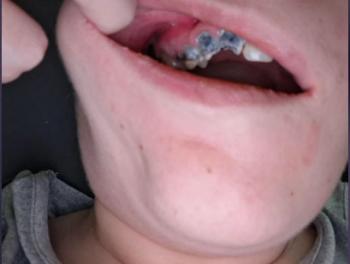
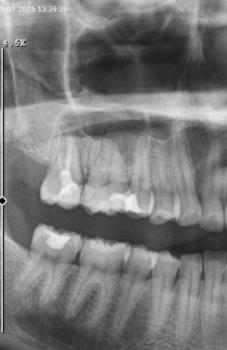
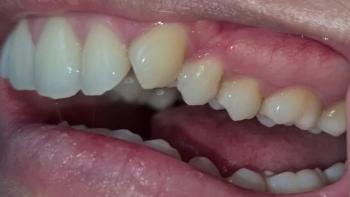
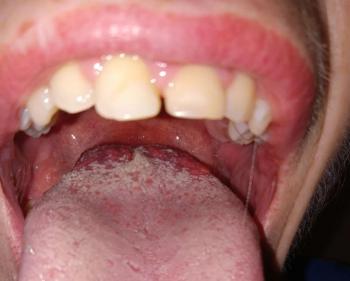
Patients with lower front gum inflammation may also experience tartar buildup, periodontal disease, gum abscesses, or tooth decay. Explore these related clinical case studies.




Other topics:
Other Dental Clinic