Socket infection

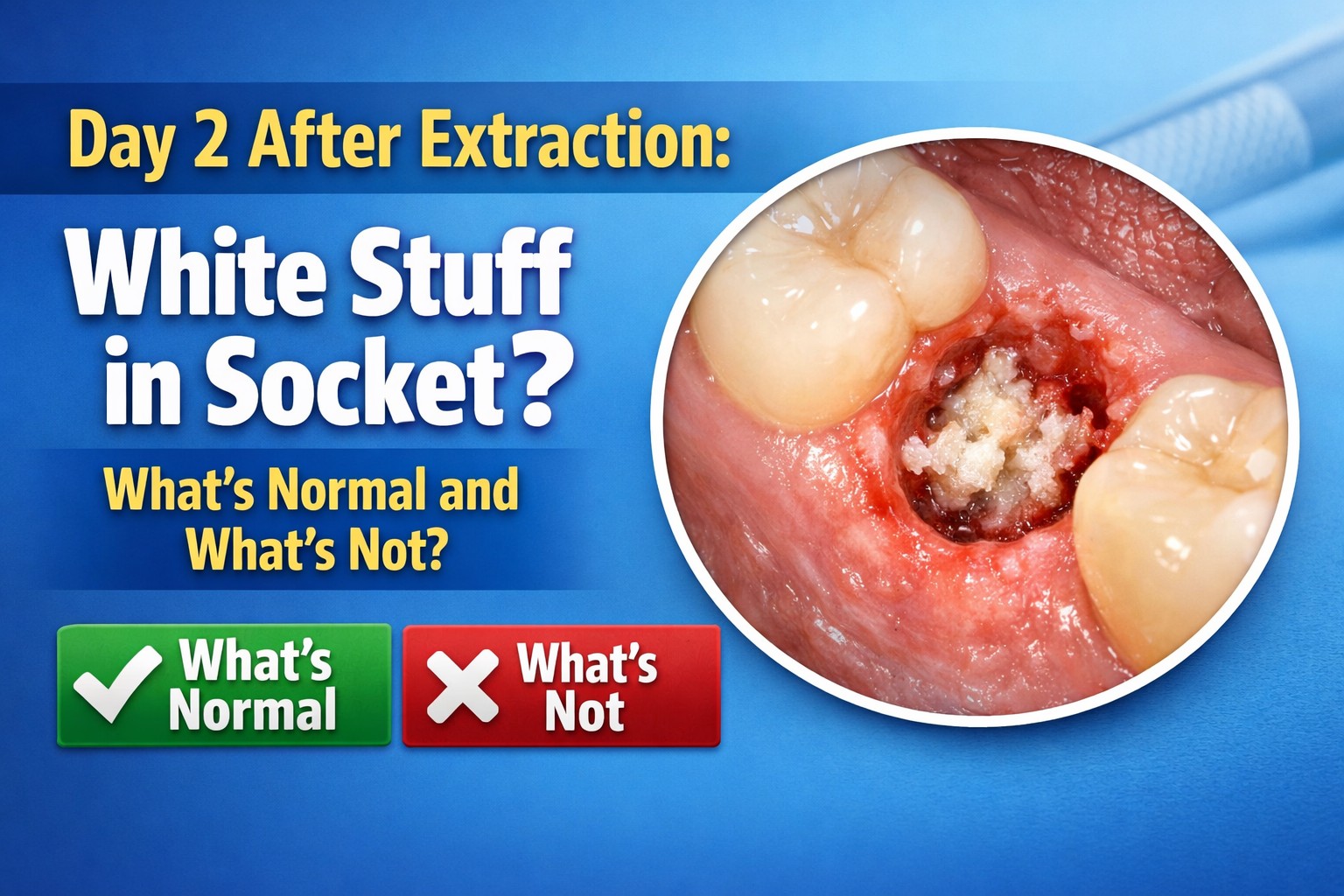
Day 2 After Extraction: White Stuff in Socket? What’s Normal and What’s Not

After a tooth extraction, many patients panic when they see white or yellowish material inside the socket on Day 2.

The good news?
In most cases, this is completely normal healing.

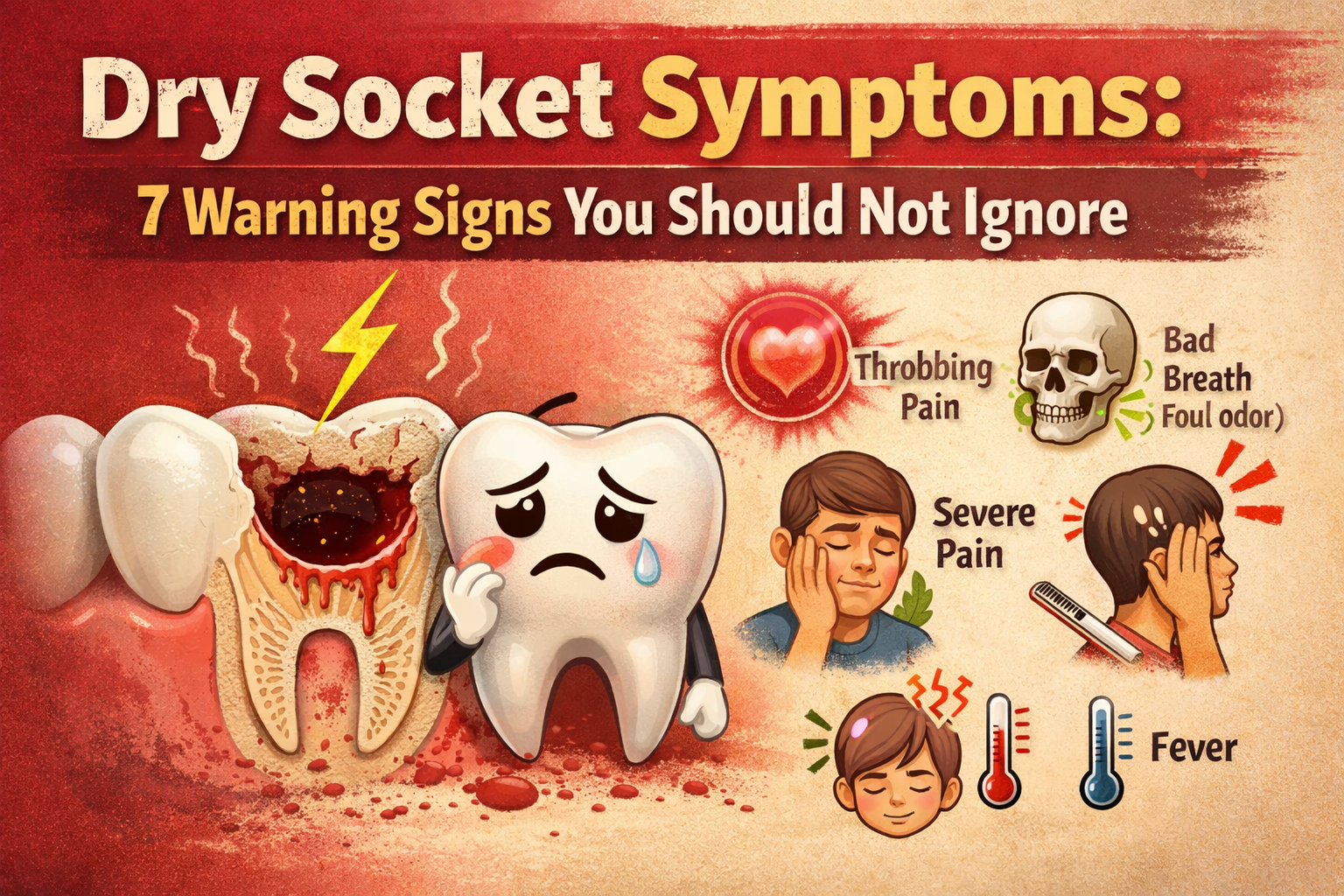
But sometimes, it can signal a problem like dry socket.

If you’re a busy worker who can’t afford complications, here’s what you need to know.


What Is the White Stuff in the Tooth Socket?

On Day 1–3 after extraction, your body forms a protective healing layer.

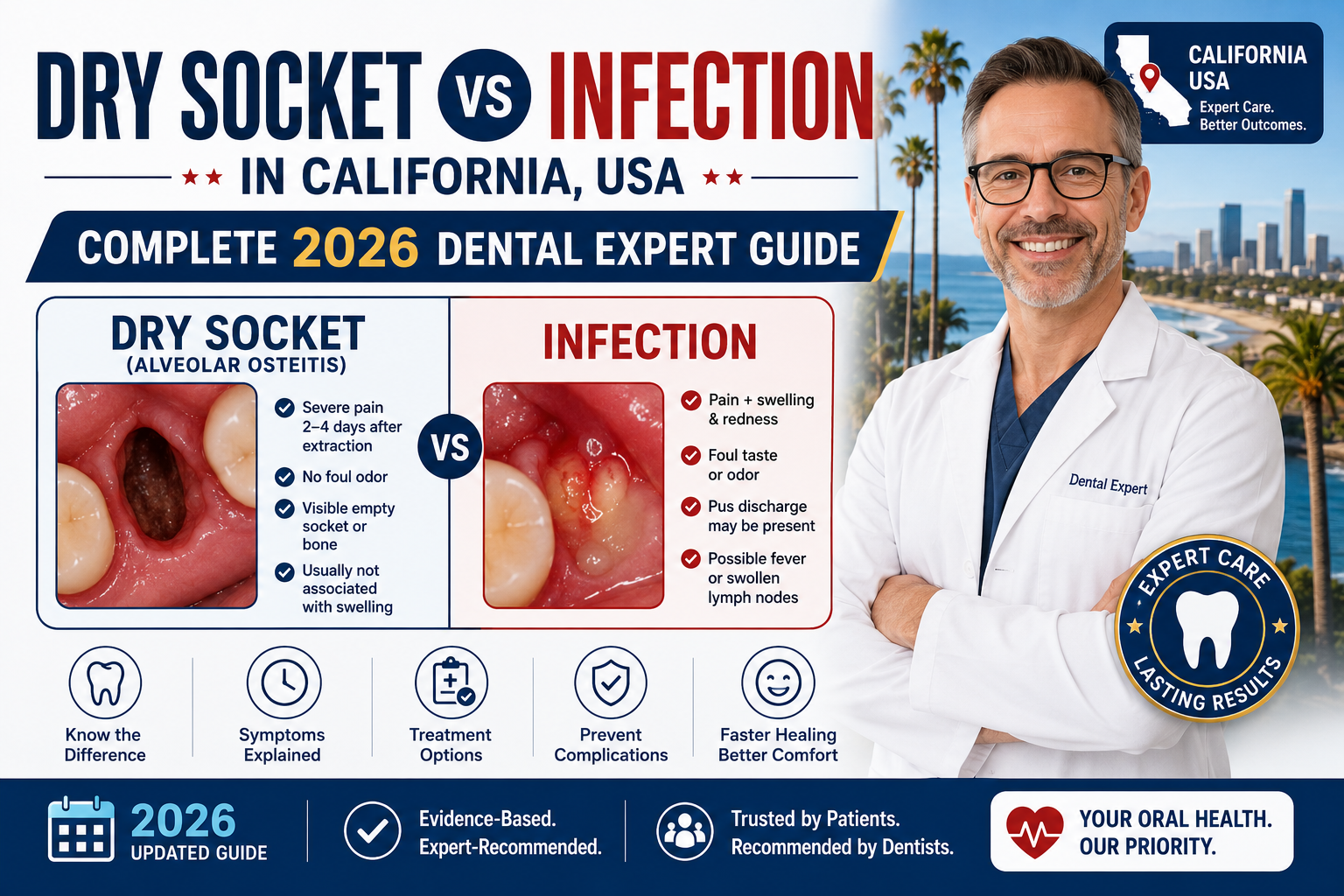
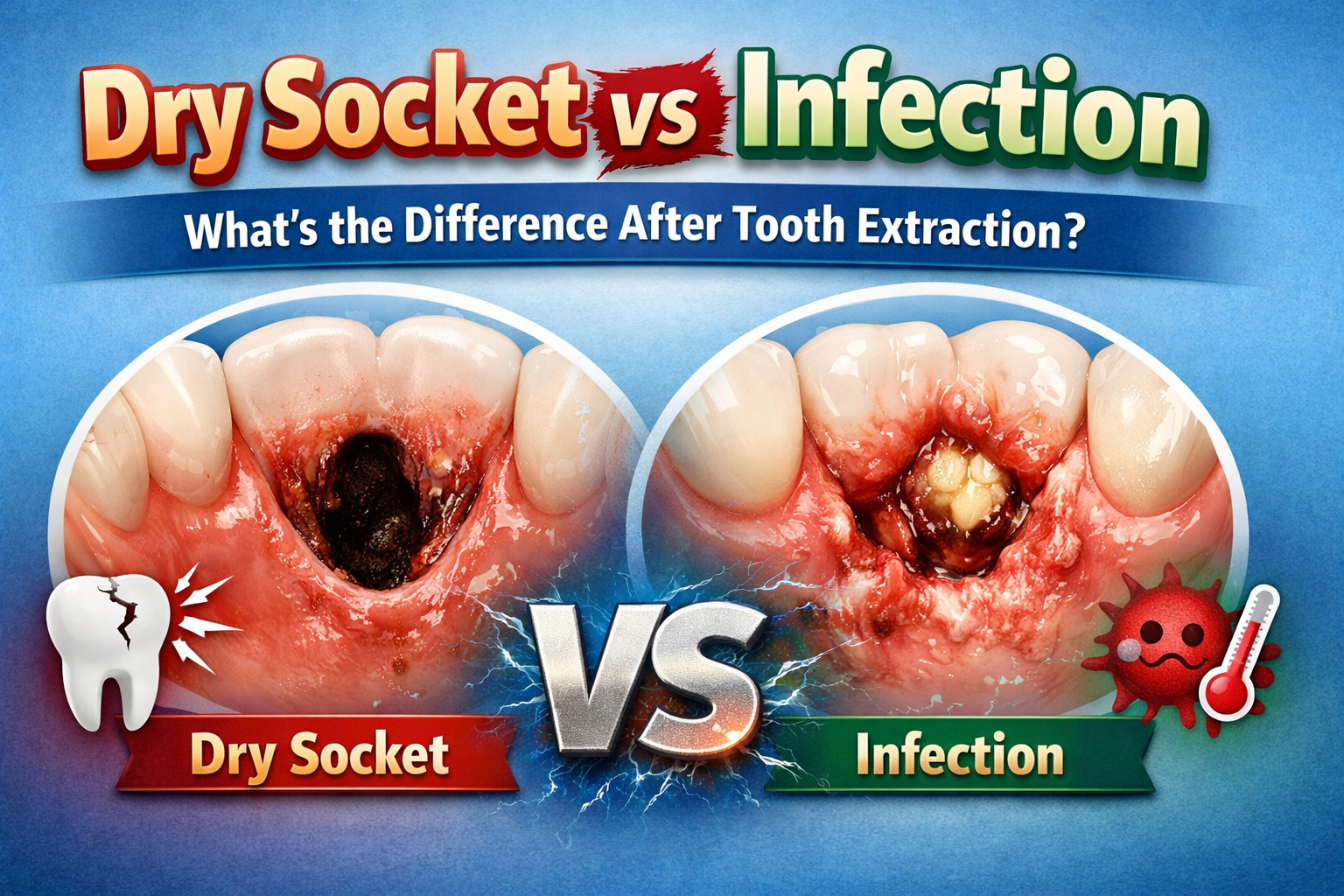
Dry Socket vs Infection: What’s the Difference After Tooth Extraction?

After a tooth extraction, many patients ask:

“Is this dry socket or infection?”
“Why is my pain getting worse?”

For busy workers, the common mistake is waiting.

They continue working long shifts.
They only file a long day off when the pain becomes unbearable.

By then, treatment becomes more complicated — and more expensive.

Understanding the difference early can save you time, money, and stress.


What Is Dry Socket?

Dry socket (alveolar osteitis) happens when the protective blood clot falls out or dissolves too early.

Infected Gum Socket With Exposed Bone - Dental Case Analysis

Severity: 

Dental Case Analysis – Infected Gum Socket With Exposed Bone

Case Overview

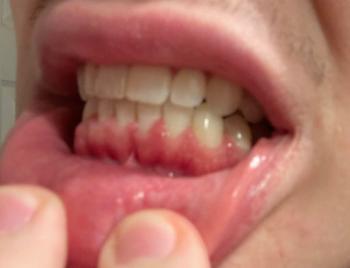
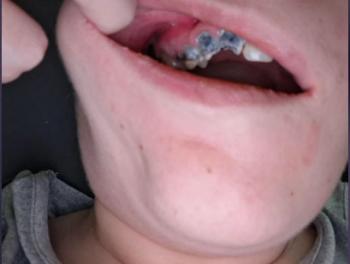
This clinical image shows a localized infection in the lower posterior jaw with an open gum socket and visible exposed bone. The surrounding tissue is inflamed, indicating an active infection that may involve both soft tissue and underlying bone.


Full Analysis and Diagnosis

Clinical Findings

  • Open socket in the molar region

  • Visible exposed bone inside the socket

Broken Tooth With Decay and Abscess Case Analysis and Treatment Guide

Severity: 

What Is Seen in This Case

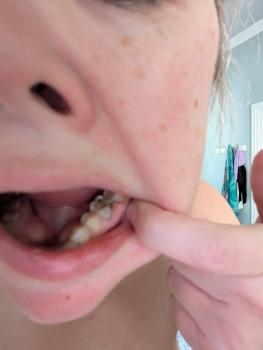
The image shows a severely broken tooth with dark decay and visible infection, located near the back of the mouth. The tooth structure is largely destroyed, and the surrounding gum tissue appears red, swollen, and irritated, which strongly suggests an active dental abscess.

This condition usually develops after long-term untreated tooth decay.


Most Likely Diagnosis

Based on visual examination, the most likely conditions include:

  • Severe tooth decay

Severe Open Carious Molar With Pulp Exposure Causing Pain, Infection, and Oral Odor

Severity: 

Visual Examination (Zoom 100% – Clinical Findings)

Tooth involved:

  • Lower posterior molar (likely first or second molar)

Observed conditions:

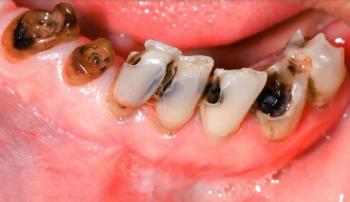
  • Extensive crown destruction due to advanced dental caries

  • Open pulp chamber clearly visible

  • Dark brown to black necrotic dentin

  • Two exposed root canal orifices

  • Food debris and bacterial biofilm present

Pages