Transforming Smiles, Restoring Confidence.

Swelling and Red Coloring Around a Root Canal Tooth in Stockton, California: Expert Diagnosis, Causes, and Treatment Advice (2026 Guide)
Language :
If you have noticed swelling and red coloring around a tooth that previously received root canal treatment, you may be wondering whether the tooth is infected again, whether the treatment has failed, or if the tooth can still be saved. These symptoms can be alarming, especially when they appear months or even years after what seemed to be a successful root canal procedure.
As a practicing dentist who frequently evaluates root canal complications in California, I can tell you that swelling and redness around a root canal tooth should never be ignored. While some causes are relatively minor and treatable, others may indicate active infection, hidden fractures, gum disease, or a failing restoration.
Patients in Stockton, California often arrive at dental offices concerned that a red gum line or swollen tissue automatically means tooth extraction is necessary. Fortunately, that is not always the case. Modern diagnostic technology allows us to identify the exact cause and determine whether the tooth can be preserved.
This comprehensive guide explains the most common reasons for swelling and red coloring around a root canal tooth, what symptoms should concern you, how dentists diagnose the problem, and what treatment options are available in 2026.
Understanding Root Canal Treatment
A root canal treatment is designed to remove infected or damaged pulp tissue from inside the tooth.
During treatment:
- The infected nerve tissue is removed.
- The root canals are cleaned and disinfected.
- The canals are sealed with filling material.
- The tooth is restored with a filling or crown.
When properly performed and restored, root canal-treated teeth can last decades.
However, no dental treatment has a 100% success rate. Even well-treated teeth can develop complications later due to bacterial reinfection, cracks, leakage, or gum disease.
When swelling and redness develop around a root canal tooth, the body is signaling that inflammation is present somewhere in the area.
Why Is My Root Canal Tooth Surrounded by Red Gums?
Red coloring around the tooth generally indicates inflammation.
Healthy gums are usually:
- Light pink
- Firm
- Not swollen
- Not tender
Inflamed gums may appear:
- Bright red
- Dark red
- Purple-red
- Swollen
- Tender
- Shiny
The redness can involve:
- The gum line
- The papilla between teeth
- The entire surrounding gum tissue
The exact pattern helps dentists determine the cause.
Common Causes of Swelling and Red Coloring Around a Root Canal Tooth
1. Recurrent Infection Inside the Tooth
One of the most common causes is reinfection.
Although the root canal was previously cleaned, bacteria may re-enter the tooth through:
- A leaking crown
- Cracked fillings
- Broken restorations
- Untreated accessory canals
Bacteria begin multiplying inside the tooth and eventually reach the surrounding bone.
Symptoms may include:
- Swelling
- Red gums
- Pressure sensation
- Bad taste
- Gum tenderness
- Occasional pain
Many patients are surprised to learn that reinfected root canal teeth can sometimes remain painless for long periods.
The body may quietly battle the infection while inflammation gradually develops.
2. Dental Abscess Formation
A dental abscess is a localized collection of infection.
Common signs include:
- Red swollen gums
- Pimple-like bump
- Facial swelling
- Pus drainage
- Throbbing discomfort
The abscess may appear directly above the treated tooth.
Patients in Stockton often report seeing:
"A red bubble on my gum."
This frequently indicates the formation of a draining sinus tract.
While drainage can temporarily reduce pressure, the underlying infection remains active.
3. Crown Leakage
A crown protects a root canal-treated tooth from bacteria.
Over time, however:
- Cement can wash out.
- Margins can open.
- Crowns can crack.
- Decay can develop underneath.
Even microscopic leakage allows bacteria to enter.
This often causes:
- Localized redness
- Swelling
- Gum irritation
- Bad odor
Many patients assume the crown itself is fine because it feels solid.
Unfortunately, bacterial leakage can occur even when the crown appears intact.
4. Vertical Root Fracture
A vertical root fracture is one of the most serious complications.
These cracks frequently occur in root canal-treated teeth because they are more brittle than untreated teeth.
Symptoms include:
- Localized swelling
- Persistent redness
- Deep gum pockets
- Repeated infections
- Chewing discomfort
One diagnostic clue is recurring inflammation that repeatedly returns despite treatment.
In many cases, the tooth initially appears normal on standard X-rays.
Advanced CBCT imaging often becomes necessary for diagnosis.
5. Gum Disease Around the Tooth
Not all swelling originates from inside the tooth.
Sometimes the root canal itself remains successful while gum disease develops around it.
Warning signs include:
- Bleeding gums
- Red tissue
- Swelling
- Bone loss
- Bad breath
Plaque and tartar accumulation can trigger inflammation around even perfectly treated root canal teeth.
This distinction is important because treatment differs significantly.
6. Food Impaction
Food trapped between teeth may irritate gum tissue.
Common culprits include:
- Meat fibers
- Popcorn hulls
- Seeds
- Chips
Patients may notice:
- Localized redness
- Swelling
- Tenderness
The irritation often resolves after proper cleaning.
However, persistent symptoms require evaluation.
7. Poorly Fitting Crown Margins
Crowns that do not fit ideally can create bacterial traps.
When plaque accumulates near crown margins:
- Gums become inflamed.
- Tissue turns red.
- Swelling develops.
Many patients notice symptoms worsening during brushing or flossing.
Professional examination helps determine whether crown replacement is needed.
8. Residual Infection After Original Treatment
Root canal systems are extremely complex.
Some teeth contain:
- Curved canals
- Hidden canals
- Accessory branches
Even highly skilled treatment can occasionally leave bacteria in difficult-to-reach areas.
Years later, these microorganisms may reactivate.
Symptoms commonly include:
- Swelling
- Red gums
- Occasional tenderness
- Bone loss
Fortunately, retreatment often saves these teeth.
Why Does the Gum Sometimes Turn Bright Red?
Bright red tissue generally indicates increased blood flow caused by inflammation.
The body's immune system sends:
- White blood cells
- Nutrients
- Healing factors
to the affected area.
This process causes visible color changes.
The red appearance itself is not the disease.
It is a sign that inflammation exists somewhere nearby.
The key is identifying the underlying source.
Is Swelling Without Pain Serious?
Yes.
One of the biggest misconceptions is that painless swelling is harmless.
Many chronic dental infections cause:
- Minimal pain
- No pain
- Intermittent symptoms
Yet significant bone destruction may still be occurring beneath the surface.
Some of the most serious root canal failures produce surprisingly little discomfort.
This is why swelling should always be evaluated professionally.
Signs That Require Immediate Dental Attention
Seek prompt evaluation if you notice:
- Rapid swelling
- Facial swelling
- Difficulty swallowing
- Difficulty breathing
- Fever
- Pus drainage
- Severe pain
- Increasing redness
These symptoms may indicate spreading infection.
Dental infections can occasionally become medical emergencies.
How Dentists Diagnose a Swollen Root Canal Tooth
Clinical Examination
The first step involves a thorough evaluation.
Your dentist examines:
- Gum color
- Tissue contour
- Crown condition
- Bite forces
- Tooth mobility
Small details often provide valuable clues.
Percussion Testing
The tooth is gently tapped.
Pain during tapping may indicate:
- Root infection
- Ligament inflammation
- Abscess formation
Periodontal Probing
Measurements around the tooth help identify:
- Gum disease
- Root fractures
- Bone defects
Deep isolated pockets are especially concerning.
Digital X-Rays
Radiographs help reveal:
- Bone loss
- Hidden decay
- Failing root canals
- Crown leakage
However, standard X-rays have limitations.
CBCT 3D Imaging
Modern endodontic diagnosis increasingly relies on CBCT scans.
CBCT can reveal:
- Missed canals
- Root fractures
- Bone destruction
- Hidden infections
For complex root canal cases, CBCT often provides the definitive diagnosis.
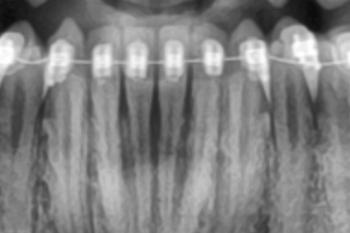
What Does an Infection Look Like on an X-Ray?
Dentists often identify infection as a dark area surrounding the root tip.
This dark zone represents bone loss caused by bacteria.
The larger the lesion:
- The longer the infection may have been present.
- The greater the inflammation.
Fortunately, even large lesions can often heal following proper treatment.
Can a Root Canal Tooth Be Saved?
In many cases, yes.
The possibility depends on:
- Amount of remaining tooth structure
- Presence of fractures
- Bone support
- Extent of infection
Many swollen root canal teeth can be successfully preserved through modern treatment.
Root Canal Retreatment
Retreatment involves reopening the tooth.
The dentist removes:
- Existing filling material
- Bacteria
- Debris
The canals are disinfected again and resealed.
Success rates are generally favorable when the cause is bacterial reinfection.
Endodontic Surgery (Apicoectomy)
Sometimes conventional retreatment is insufficient.
In these situations, an endodontist may recommend:
- Surgical access
- Removal of infected tissue
- Root-end sealing
This procedure is known as an apicoectomy.
It can preserve teeth that would otherwise require extraction.
Treatment for Gum Disease
If gum disease is responsible, treatment may include:
- Deep cleaning
- Scaling
- Root planing
- Antibacterial therapy
Controlling bacterial plaque is essential for healing.
Crown Replacement
A leaking or poorly fitting crown often requires replacement.
Modern crowns provide:
- Improved sealing
- Better aesthetics
- Enhanced durability
A properly sealed crown significantly improves long-term success.
When Extraction Becomes Necessary
Unfortunately, some teeth cannot be predictably saved.
Extraction may be recommended when:
- Vertical root fracture exists
- Severe bone loss is present
- Structural damage is extensive
- Repeated treatment failures occur
The decision is based on long-term prognosis rather than short-term symptom relief.
Dental Implant Replacement Options in Stockton
If extraction becomes necessary, replacement options include:
Dental Implants
Dental implants remain the gold standard replacement option.
Benefits include:
- Bone preservation
- Natural appearance
- Excellent function
- Long-term success
Dental Bridges
Bridges replace missing teeth by connecting neighboring teeth.
They provide faster restoration but may require modification of adjacent teeth.
Partial Dentures
Removable appliances can replace one or more missing teeth.
These are often more economical but may offer less stability.
Home Care While Waiting for Your Appointment
If swelling is present:
- Brush gently.
- Continue flossing carefully.
- Rinse with warm salt water.
- Avoid chewing on the affected side.
- Stay hydrated.
Do not attempt to puncture swollen areas yourself.
Self-drainage attempts can worsen infection.
Can Antibiotics Solve the Problem?
Antibiotics alone rarely cure root canal infections.
They may temporarily reduce symptoms.
However, bacteria inside the tooth remain protected.
Definitive dental treatment is usually necessary.
Antibiotics should be viewed as supportive therapy rather than a permanent solution.
Preventing Future Root Canal Problems
You can reduce future complications by:
- Maintaining regular dental examinations
- Obtaining crowns when recommended
- Treating cavities early
- Wearing a night guard if you grind your teeth
- Practicing excellent oral hygiene
Routine monitoring allows dentists to identify issues before symptoms appear.
Stockton, California: When Should You See a Dentist?
If swelling and red coloring persist longer than several days, professional evaluation is recommended.
Schedule an appointment immediately if:
- The swelling increases.
- Pain develops.
- Pus appears.
- The crown feels loose.
- Facial swelling occurs.
Early intervention often allows simpler and less expensive treatment.
Waiting months can transform a manageable problem into a complex restorative challenge.
Expert Dentist's Final Advice
As a dentist, my greatest concern when I see swelling and red coloring around a root canal tooth is determining whether the source is coming from inside the tooth, around the tooth, or from a structural problem such as a fracture.
The good news is that redness and swelling do not automatically mean the tooth is lost. Many root canal teeth in Stockton, California can be successfully treated through retreatment, crown replacement, periodontal therapy, or endodontic surgery. Modern diagnostic tools such as CBCT imaging allow us to identify the true cause with far greater accuracy than ever before.
What matters most is timely evaluation. A swollen red gum around a root canal tooth is your body's warning signal that inflammation is present. The sooner the cause is identified, the better the chance of preserving the tooth, protecting surrounding bone, and avoiding more extensive treatment.
If you notice persistent redness, swelling, drainage, or changes around a previously treated root canal tooth, do not assume it will resolve on its own. An examination by an experienced dentist or endodontist can provide a precise diagnosis and a clear treatment plan, helping you protect both your oral health and your long-term smile.
Can tooth extraction cause infection? Mild inflammation is normal, but increasing swelling, fever, or severe pain may indicate infection. Learn more about post-extraction infection warning signs in this detailed guide.
Book a consultation with our Cebu dental specialists for proper evaluation and care.
Ready to get expert guidance?
If you’re experiencing severe pain or delayed healing, book a consultation with our Cebu dental specialists to get proper evaluation and care.
Consultation or contact page .
Book a Consultation
For severe discomfort or delayed healing, book a consultation with our Cebu dental specialists today.
Looking for a dentist? Browse our Cebu dental directory to find trusted clinics near you.
Medical Review and Clinical Basis
This article is based on clinical dental guidelines and real patient recovery patterns observed after tooth extraction procedures. The information reflects common post-extraction healing stages, including normal clot formation, gum tissue repair, and signs of possible complications such as dry socket or infection.
While mild discomfort is expected after a dental extraction, worsening pain after Day 3, bad odor, exposed bone, or spreading pain may require professional evaluation. These symptoms are consistent with known post-extraction complications described in standard dental practice.
About Cebu Dental Implants
Cebu Dental Implants provides comprehensive tooth extraction, surgical procedures, and dental implant services in the Philippines. Our team evaluates post-extraction healing, manages complications such as dry socket, and advises patients on proper aftercare to prevent infection and delayed healing.
If you experience severe pain or unusual symptoms after extraction, early professional assessment is recommended to prevent further complications.
Important Medical Disclaimer
This content is for educational purposes only and does not replace professional dental diagnosis. Every patient heals differently. If symptoms worsen or do not improve within a few days, consult a licensed dentist for proper evaluation and treatment.
Author
This article was prepared by the Cebu Dental Implants content team in consultation with licensed dental professionals experienced in tooth extraction and implant procedures.
Related Clinical Cases
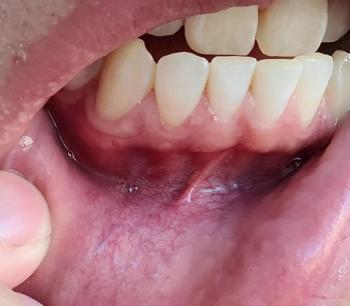
Patients with lower front gum inflammation may also experience tartar buildup, periodontal disease, gum abscesses, or tooth decay. Explore these related clinical case studies.

Other topics:
Other Dental Clinic