Strong Teeth, Fresh Breath, Brighter You.

Philippines Dental Implant Recovery Guide
Language :
A Complete Step-by-Step Plan for Healing, Travel, and Long-Term Successe
Dental implants are one of the most reliable and life-changing solutions for missing teeth—but the procedure itself is only half the journey. The recovery phase is what determines whether your implants last 5 years or 25+ years.
If you’re planning treatment in the Philippines, understanding recovery is even more important because it involves travel timing, healing management, and follow-up planning.
This guide walks you through exactly what to expect—from day one after surgery to full recovery months later—so you can heal safely and get the best results.
Why Recovery Matters for Dental Implants
Dental implants rely on a biological process called osseointegration, where the implant fuses with your jawbone.
This process:
- Takes 3–6 months
- Requires proper care and stability
- Determines long-term success
Poor recovery habits can lead to:
- Implant failure
- Infection
- Bone loss
Proper recovery ensures:
- Strong integration
- Comfortable healing
- Long-lasting results
Phase 1: Immediate Recovery (First 24–72 Hours)
What You’ll Experience
Right after surgery, it’s normal to have:
- Swelling
- Mild bleeding
- Discomfort
- Jaw stiffness
These are temporary and expected.
What to Do
1. Control Bleeding
- Bite on gauze for 30–60 minutes
- Avoid spitting or rinsing aggressively
2. Manage Swelling
- Apply ice packs (15 minutes on / 15 minutes off)
- Keep your head elevated
3. Take Prescribed Medication
Your dentist may prescribe:
- Antibiotics
- Pain relievers
- Anti-inflammatory drugs
4. Rest
If you’re staying in cities like:
- Manila
- Cebu
Stay close to your clinic and avoid unnecessary movement.
Phase 2: Early Healing (Days 3–7)
What Changes
- Swelling begins to reduce
- Pain becomes manageable
- Gum tissue starts healing
What to Eat
Stick to soft foods:
- Soup
- Yogurt
- Mashed potatoes
- Scrambled eggs
Avoid:
- Hard foods
- Hot beverages
- Alcohol
Oral Hygiene
- Gently brush surrounding teeth
- Avoid brushing the surgical site directly
- Use prescribed mouth rinse if recommended
Phase 3: Stabilization (Week 2–4)
What Happens
- Gum tissue heals further
- Discomfort nearly disappears
- Daily function improves
What You Can Do
- Gradually return to normal diet
- Resume light activities
- Continue careful oral hygiene
Travel Tip
Most patients are safe to fly home after:
7–10 days, depending on recovery progress.
Phase 4: Osseointegration (3–6 Months)
This is the most critical stage.
What’s Happening
The implant is:
- Fusing with your jawbone
- Becoming a stable foundation
What You Should Do
- Maintain excellent oral hygiene
- Avoid chewing hard foods on implant area
- Attend follow-up checks (local dentist if needed)
What You Should Avoid
- Smoking
- Excessive pressure on implants
- Poor oral hygiene
Phase 5: Final Restoration
After healing, you’ll return for:
- Abutment placement
- Crown fittingz
- Final adjustments
My Experience (Patient Perspective)
I’m Daniel, a 52-year-old from Texas.
I had implants placed in Cebu.
First Week:
- Swelling peaked on Day 2
- Improved significantly by Day 5
First Month:
- Felt almost normal
- No major discomfort
After 4 Months:
- Returned for final crowns
- Everything healed perfectly
Key Lesson:
Recovery is manageable—but only if you follow instructions carefully.
Recovery Timeline Summary
| Stage | Timeframe | Key Focus |
|---|---|---|
| Immediate | 1–3 days | Pain & swelling control |
| Early Healing | 3–7 days | Soft diet & hygiene |
| Stabilization | 2–4 weeks | Return to normal routine |
| Integration | 3–6 months | Bone healing |
| Final Stage | After healing | Crown placement |
Travel Recovery Tips for Dental Tourists
1. Plan Your Stay Properly
Stay at least:
- 7–10 days after surgery
2. Choose Comfortable Accommodation
Stay near your clinic to reduce travel stress.
3. Avoid Tourist Activities Too Soon
Relax instead of:
- Swimming
- Intense walking tours
4. Hydrate Well
Tropical climate requires proper hydration.
Signs of Normal Healing vs Warning Signs
Normal
- Mild swelling
- Slight discomforte
- Minor bleeding
Warning Signs
Contact your dentist if you experience:
- Severe pain after 3 days
- Persistent bleeding
- Fever
- Implant movement
Common Recovery Mistakes to Avoid
- Smoking after surgery
- Skipping medications
- Eating hard foods too early
- Ignoring follow-up care
- Traveling too soon
How to Speed Up Recovery Safely
1. Follow Instructions Strictly
Your dentist’s guidance is critical.
2. Maintain Oral Hygiene
Clean mouth = faster healing.
3. Eat Nutrient-Rich Foods
- Protein
- Vitamins
- Hydration
4. Get Enough Reste
Healing requires energy.
Does Climate Affect Recovery?
The Philippines has a warm, humid climate.
Benefits:
- Promotes circulation
- Can support healing
Considerations:
- Stay hydrated
- Avoid overheating
FAQ: Philippines Dental Implant Recovery Guide
1. How painful is recovery?
Mild to moderate discomfort, usually manageable with medication.
2. How long before I can fly?
Typically 7–10 days after surgery.
3. When can I eat normalley?
Soft foods for 1 week, gradual return after.
4. How long does full healing take?
3–6 months for complete integration.
5. Can I travel during recovery?
Yes—but avoid strenuous activities early on.
6. What is the biggest risk during recovery?
Poor oral hygiene and ignoring instructions.
Related Topics
1. How Long Should You Stay in Philippines for Dental Implants
Plan your treatment timeline effectively.
2. Is Dental Treatment in Philippines Safe
Understand safety considerations.
3. Dental Tourism Philippines Cost Guidee
Learn total cost and budgeting.
Final Thoughts
Dental implant recovery in the Philippines is very manageable—if you prepare properly.
The key factors for success are:
- Patience
- Proper care
- Good planning
Remember:
The surgery is just the beginning—the recovery is where success happens.
If you follow the right steps, your implants can last decades—and your decision to travel for treatment will be one of the best investments you make in your health.
Can tooth extraction cause infection? Mild inflammation is normal, but increasing swelling, fever, or severe pain may indicate infection. Learn more about post-extraction infection warning signs in this detailed guide.
Book a consultation with our Cebu dental specialists for proper evaluation and care.
Ready to get expert guidance?
If you’re experiencing severe pain or delayed healing, book a consultation with our Cebu dental specialists to get proper evaluation and care.
Consultation or contact page .
Book a Consultation
For severe discomfort or delayed healing, book a consultation with our Cebu dental specialists today.
Looking for a dentist? Browse our Cebu dental directory to find trusted clinics near you.
Medical Review and Clinical Basis
This article is based on clinical dental guidelines and real patient recovery patterns observed after tooth extraction procedures. The information reflects common post-extraction healing stages, including normal clot formation, gum tissue repair, and signs of possible complications such as dry socket or infection.
While mild discomfort is expected after a dental extraction, worsening pain after Day 3, bad odor, exposed bone, or spreading pain may require professional evaluation. These symptoms are consistent with known post-extraction complications described in standard dental practice.
About Cebu Dental Implants
Cebu Dental Implants provides comprehensive tooth extraction, surgical procedures, and dental implant services in the Philippines. Our team evaluates post-extraction healing, manages complications such as dry socket, and advises patients on proper aftercare to prevent infection and delayed healing.
If you experience severe pain or unusual symptoms after extraction, early professional assessment is recommended to prevent further complications.
Important Medical Disclaimer
This content is for educational purposes only and does not replace professional dental diagnosis. Every patient heals differently. If symptoms worsen or do not improve within a few days, consult a licensed dentist for proper evaluation and treatment.
Author
This article was prepared by the Cebu Dental Implants content team in consultation with licensed dental professionals experienced in tooth extraction and implant procedures.
Related Clinical Cases
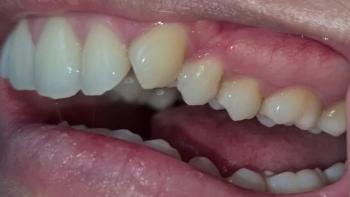
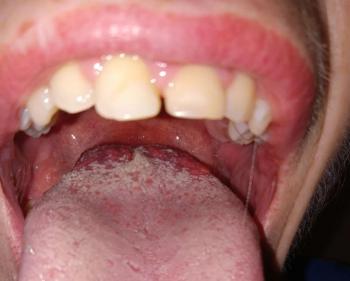
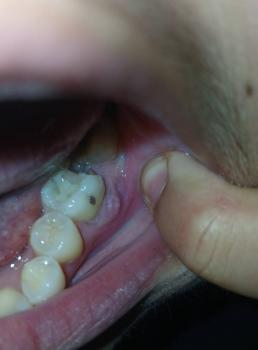
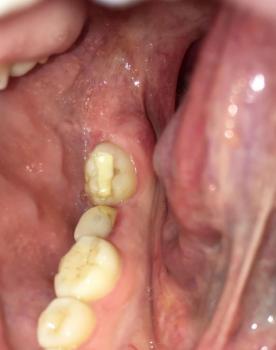
Patients with lower front gum inflammation may also experience tartar buildup, periodontal disease, gum abscesses, or tooth decay. Explore these related clinical case studies.


Other topics:
Other Dental Clinic
 |
 |
 |
 |